Interview with Festival Director Ginger Marisa Tontaveetong (ASIFA International Animation Society)

asifa.pngTheir aim is to put the spotlight on artist and animators locally and globally. Their signature event ASIFA-South RYO Animation Festival has been running for 14 years. With local panels involving professional locally as well as a monthly online panel with professionals in the industry around the world from Canada to the West Coast to Asia, they seek to provide our members and local community with the latest update of know-how.

URL: http://www.asifa-south.com

Interview with Ginger Marisa Tontaveetong

 Matthew Toffolo: What is your Film Festival succeeding at doing for filmmakers?

Ginger Marisa Tontaveetong: Our film festival has succeeded in extending exposures for our filmmakers/animators beyond the life of the festival to worldwide locations. With our screening selection from RYO (Southern Spotlights), the block is shared with ASIFA (International Animation Society) chapters around the world in which content is selected to screen around the world with participating locations such as Colorado, Australia, China, and more.

MT: What would you expect to experience if you attend the festival next year (2017)?

GMT: In 2017, we are planning to increase the size of our screening and really focus on spotlighting our filmmakers. As we have two annual signature screenings each year: RYO animation and International Animation Day screenings, we will be consolidating the two screenings into two different blocks. These blocks are competitive. As with 2016 RYO, the judges were industry professionals based in Atlanta ranging from Directors to Producer from the Emmy award animated series Archer to Bento Box Entertainment’s HULU web series The Awesome. We will also be arranging a Animation VERSUS Puppetry Smackdown event along with other professional industry panels. But perhaps most of all, at heart, we keep our filmmakers our top priority and aim for visibility and promotions. We are planning to have a platform for filmmakers in attendance to be able to showcase and talk more about their work and introduce them to the natives and local artists/ animators in Atlanta. Our RYO screening is held in the landmark Plaza Theatre and in addition to our Atlanta location for International Animation Day this year, we also are screening our International Animation Day selection in Savannah’s Trustee Theater.

MT: What are the qualifications for the selected films?

GMT: Films selected for 2017 may fall under two different categories:
For Southern Spotlights: Qualifications are for animation that are created by animators in South US or have southern ties (Georgia, Florida, Alabama, North Carolina, etc. Maryland included) These films will be selected for trade and showcase on International Animation Day screenings with other ASIFA chapters (50+) around the world. They must not be longer than 15 mins. and have 70% animated content. Puppetry entries are also accepted. This is a competitive category with a Best in Show and Audience Choice Award.

For International category, all animated shorts are accepted with a special attention to animation that addresses diversity, issues, and relevant world contents. This category is a showcase with one award called Animation for All that focuses on best entry for its content.

MT: Do you think that some films really don’t get a fair shake from film festivals? And if so, why?

GMT: This is true. Film festivals are very subjective and sometimes filmmakers may not realize why their entries do no qualify as festivals rarely provide feedback as to why a film is rejected. Our screening is focused on Animation so while there are content that are great that are life action, they are disqualified right away because those do not fit our qualifications. Another criteria is based on length of content and sound quality. If an animation is too long and content is not strong throughout, it may be brushed over in favor for two shorter animated shorts. From my experience, a lot of things are also very subjective to the taste of the juries and committees involved. In other cases, I’ve also seen some animation picked because of the names they are attached to as opposed to the quality because some festivals believe a bigger name will get them more audiences. We have actually passed over some big-named entries because we didn’t believe the content this round was as strong as their other works or the works submitted by other filmmakers.

MT: What motivates you and your team to do this festival?

GMT: ASIFA-SOUTH as an organization hangs on four main goals, two directly related to the festival are promotion of artist visibility and diversity in animation. In order to make sure filmmakers have a platform to showcase their film and encourage animators to produce independent work, we aim to make sure their work gets as much exposure as possible around the world. We also strongly are conscious in our choices to make sure our picks are diverse not only in technique but in narrative and have content that promotes LGBT themes, politics, and functionality diversity. We want not just diversity in content but to showcase the stories directly from representational filmmakers as we believe it is important to hear directly from minority groups their stories in their own vision.

MT: How has the festival changed since its inception?

GMT: ASIFA-SOUTH was established about two decades ago as ASIFA-Atlanta. Our path as an organization and the screenings have changed alot since a turnover change of committee members in 2014 with a stronger and more urgent vision of what animation can be for the world and how it can influence the coming generation. We have started to focus more on diversity as a core message, with a very diverse committee with all representation of gender and race (Of our 15 committee members, we have representation in LGBT, equal parts gender, Asian, Blacks, Caucasians, Latino, etc)

MT: Where do you see the festival by 2020?

GMT: By 2020, we will move into expansion of becoming an Animation Conference with the animation screenings as part of the hi-light. We aim to become a professional hub which caters to the advancement of the animation industry in the South. We also see ourselves working with more of our other festival partners to maximize exposure for animators so expect to see a screening of our programs not only in Atlanta but neighboring states as well so that filmmakers, especially those in the South, will be able to conveniently visit their closest location to see their films and engage with the audiences better.

MT: What film have you seen the most times in your life?

GMT: This would be a tie-in with Jurassic Park chronicles, Deep Blue Sea, and Tremors…I love animation but I also really love creature features.

MT: In one sentence, what makes a great film?

GMT: Beauty is in the eyes of the beholder but if you are making a film you are passionate about, be it narrative or abstract, that makes it a great film.

MT: How is the film scene in your city?

GMT: Atlanta is a great hub for filmmakers and is booming. Due to the tax incentive here, it is one of the top locations for the film industry with lots of activities. We also have a lot of supporting organization and an amazing art/film community such as Film Bar Monday, where industry professionals gather each Monday to mingle without business cards, Atlanta Film Society that really pushes out filmmaker works with year round programs and support, as well as support groups and agency such as My Animation Life that does recruitment for animators, Art is King which supports entrepreneurial skills for artists, Georgia Production Partnership that protects the film tax incentive (up to 30%), and Georgia Game Development Association that hosts the biggest Game and Interactive Development conference in the South East (SIEGE). As a community, this is really the rising backbone of indie films and what we are working to support. We also have the Puppetry Center of Art here that support puppeteers and filmmakers with grants to create their own performance and films.
asifa_2.png

***

Interviewer Matthew Toffolo is currently the CEO of the WILDsound FEEDBACK Film & Writing Festival. The festival that showcases 10-20 screenplay and story readings performed by professional actors every month. And the FEEDBACK Monthly Fesival held in downtown Toronto on the last Thursday of every single month. Go to http://www.wildsound.ca for more information and to submit your work to the festival.
Evolution! Mallorca International Film Festival

by Gilbert Seah

The fifth annual Evolution! Mallorca Int’l Film Festival will be held from November 3 – 12  It is one of the fastest growing film festivals in the Mediterranean. 

The Evolution Mallorca International Film Festival (EMIFF) attracts over 2000 attendees from over 20 countries worldwide.  In 2016, EMIFF aims to expand the presence of international filmmakers and strengthen its position within the worldwide film festival calendar.  Since it’s 2012 inception, the number of films screened has tripled, counting over 70 movies from 22 countries during the 2015 festival program.  Ticket sales have continuously increased, selling out 90% of all EMIFF screenings and events.  In conjunction with its sister-screening event in Hollywood, CA, EMIFF is becoming an international launching pad for promising new talent in all film genres. 

EMIFF is proud to partner with sponsors who support the arts and emerging artists.

2016 EMIFF Gold Sponsors include: Premier FX. Silver Sponsors include First Mallorca Real Estate. Additional sponsors include: Rialto Living, Finca Hotel Can Coll, Perrier Jouet, Port Adriano, Govern de las Islas Baleares, Ajuntamiento de Palma, Consell de Mallorca, Islas Baleares Film Commission, Mallorca Film Commission, Mercedes AutoVidal and Museum of Contemporary Art Es Baluard.

The EMIFF is also a true destination event, with spectacular scenery in which to show high quality international films amidst the natural beauty of the island of Mallorca.  It has has quickly become a hot destination, popular with locals and film goers around the world who come in for the festival’s screenings, celebrity attendees, and numerous industry and special events. 

This year, the festival will honour Danny DeVito with a special tribute award in-person.

More information on the festival is here:

http://www.evolutionfilmfestival.com/eiff-contact

The festival was founded and is directed by a talented young festival director German actress Sandra Seeling Lipski.  Sandra is a buzzed about festival director on the international scene, and her multifaceted career as a successful festival director / actress / filmmaker, with an unusual international background, marks her as someone truly unique.

Events include Opening and Closing Night Galas

Gala Tribute to Iconic Actor/Director Danny DeVito

Spotlight Screenings of acclaimed feature films WILD and HEAVY HEART – festival spotlight on New German Cinema

Screening of Documentary OASIS SUPERSONIC and Spanish premiere of TOUR DE FRANCE with Gerard Depardieu.

The festival will present 17 films in Narrative feature and 6 in Documentary feature Competition, 18 short films, as well as additional events and special screenings.  Special events include the Opening Night Screening of El Destierro, produced by local Goya nominated filmmakers Toni Bestard, Marcos Cabotá and Diana de la Cuadra. Centerpiece is the Evolution Honorary Award Presentation to iconic filmmaker Danny DeVito, Spotlight Screening of acclaimed narrative film A Heavy Heart (Winner for Best Actor in a leading role at 2015 German Film Awards), a Closing Night Screening of Tour de France, starring Gerard Depardieu, and an Awards gala at Mercado Gastronómico San Juan.

Festival passes and individual tickets are available at present.

Ticket sales and additional festival information can be found at: 

www.evolutionfilmfestival.com

FESTIVAL FILM SLATE BELOW:


OPENING NIGHT FILM

El Destierro, Director: Arturo Rui (Spain) Spanish Premiere. 

Two soldiers are forced to live together in a small bunker. The intense war outside will soon erupt between them.

Cast and Crew will be in attendance


SPOTLIGHT GALA SCREENING

Sky, Director: Fabienne Berthaud (France) 

Romy is on holiday in the USA with her French husband, Richard, the journey wears out the couple. After an ultimate fight, Romy decides to break free. Actors: Diane Krüger (Troy, Inglorious Bastards), Norman Reedus (The Walking Dead). 

Director will be in attendance. 


CENTERPIECE GALA TRIBUTE & SCREENING – HONORING Danny DeVito

Legendary actor/director Danny DeVito will be honored with the inaugural Evolution Honorary Award. The Evolution Honorary Award is given to an iconic and visionary filmmaker who inspires audiences, breaks boundaries, and has created visionary entertainment that has touched generations. Danny DeVito’s tremendous body of work exemplifies storytelling passion and skill. We are proud to present a screening of Mr. DeVito’s classic 1989 film The War of the Roses, followed by a conversation with Mr. DeVito.


CLOSING NIGHT GALA SCREENING & AWARDS PARTY

Tour de France, Director: Rachid Djaidani (France)

A young Muslim rapper is forced to spend some time with a crotchety white racist. Enemies become friends, and learn a little something about the banality of their ignorance.


NARRATIVE FEATURE COMPETITION

Luca Tanzt Leise, Director: Philipp Eichholtz (Germany) 

After years of depression Luca reinvents herself with the help of new friends. 


Nirgendwo, Director: Matthias Starte (Germany) 

A stranger in his own life, Danny reluctantly returns to his childhood home after his father’s sudden passing. He rediscovers his hometown as a summery paradise.


Anna’s Life, Director: Nino Basilia (Georgia)

Anna a single mom is forced to take four jobs to support herself and her autistic son, she decides to leave Georgia but it’s easier said than done. Director will be in attendance. 


A Heavy Heart, Director: Thomas Stuber (Germany) 

A former East German boxing champion working as a bouncer and debt collector reflects on life when he is diagnosed with ALS. 


Pura Vida (After Words), Director: Juan Feldman (US)

A librarian facing a mid-life crisis travels to Costa Rica in search of enjoying life to the fullest. 


Kiss Me Kill Me, Director: Casper Andreas (US)

While confronting his unfaithful boyfriend, Dusty blacks-out. When he comes to, his boyfriend has been murdered and he’s the prime suspect. Director will be in attendance. 


Parasol, Director: Valéry Rosier (Belgium)

Holiday time, a Mediterranean island. The determination, no matter the cost, to make things change. Nostalgia for a past that never existed.


Bittersweet Days, Director: Marga Melià (Spain)

Julia rents a room to Luuk. Their cohabitation will make them rethink their lives: are they living the way they really want to? Director will be in attendance. 


Where to Miss?, Director: Manuela Bastian (Germany) 

We follow Devki’s story, as it tell us why Indian women find it difficult to free themselves from their traditional roles.


Dusky Paradise, Director: Gregory Kirchhoff, (Germany – Made in Baleares)

After the death of his parents a young man travels to Mallorca to live in their house and look after their turtle. 

Director in attendance. 


Autumn Fall, Director: Jan Vardøen (Norway)

Ingvld entangles herself with two men, it is a very dangerous journey.


Buddymoon, Director: Alex Simmons (US)

Jilted groom David is convinced by his best man Flula to continue with his planned honeymoon. Lead actress Lilith Stangenberg in attendance. 


Hotel Problemski, Director: Manu Riche (Belgium)

For the refugees of the multinational residential centre somewhere in Europe, this black comedy reveals their daily stuggles and laughs.

DOCUMENTARY FEATURE COMPETITION

Oasis: Supersonic, Director: Mat Whitecross (UK)

An in-depth look at the life and music of Manchester-based rock band, Oasis. 


The Karamazoffs (A walk on the SoHo years), Director: Juan Gamero (Spain)

In the 1960s, New York’s SoHo was occupied by artists from around the world, The Karamazoffs, a group of Barcelona artists relive their experience during those wild years in SoHo.


In Europe’s shadow, Director: Florian Schnell (Germany) 

Human rights activist Elias Bierdel commentates throughout the film and meets refugees from different countries and activists. 


De Lola à Laila, Director: Milena Bochet (Spain) 

From mother to daughter the film shifts to a reflection about female emancipation, fight, movement and cinema.


The Key to Dalí, Director: David Fernández (Spain) 

Tomeu L’Amo, a Majorcan scientist and artist bought an unknown painting in an antique shop 25 years later, he tries everything to get it certified as a real Dalí. Cast&Crew will be in attendance. 


CAPSULE REVIEWS for the opening and closing night films will be added during the weekend.

OPENING NIGHT FILM:


EL DESTIERRO
 (THE EXILE) (Spain 2015) ***1/2
Directed by Arturo Ruiz Serrano

The film’s intriguing plot sees two Spanish soldiers are guarding an outpost during wartime and discover a polish woman, hurt and unconscious.  Writer/director Serrano leaves the audience to figure which war it is, not that it matters.  When Teo (Chani Martin), the religious one is first sent to the deserted outpost in the midst of a harsh winter, his beliefs run heard to head with the more animalistic Silverio (Eric Frances).  Things get worse when a beautiful Polish girl Monika Kowalska shows up wounded.   Silverio aims at satisfying his sexual urges while Teo wants her delivered as an enemy to the army.   They nurse her back to health.  The film serves as both a thriller and a character study of the three characters.  Each one is given due importance thoughSerrano gives the film a bias towards Teo’s point of view.  One thing about the film is that one can never guess what is going to happen next – both in terms of incident or character development.   An overall absorbing film.

Trailer: https://vimeo.com/152586406

SPOTLIGHT GALA:

SKY (France/Germany 2015) ***
Directed by Fabienne Berthaud

A runaway movie in which the runaway is a female fed up with her marriage.  Romy (Diane Kruger) and Richard (Gilles Lellouche) are a French couple on vacation in America. They play at being free and wild in the California desert, but can’t escape the shadow hanging over their relationship. A drunken night in a bar leads to a violent confrontation. Romy sees a chance to remake her life.  She accidentally bashes Richard’s head with a lamp and flees the scene.  In the process, she undergoes a series of adventures, finding her true love at the same time.  It is a female flick with a lot of segments offering a woman’s point of view.  Just like WILD, the female seems to encounter friendly harmless males.  The film is called SKY because it is always changing.  And so do the events in the story.  They keep changing so that nothing is expected, which could be a good thing and bad as well.  The film is an ok watch but stretches the audience’s credibility.  At least Kruger and Lellouche are totally watchable.

Interview with Festival Director Daniel Hoyos (Seattle Shorts Film Festival)

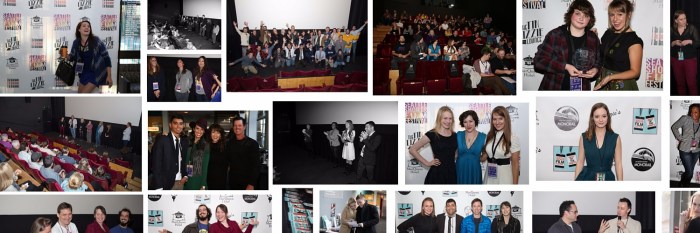
seattle_shorts.jpgSeattle Shorts Film Festival may feature short films, but big things are in the works for the sixth year. This year the festival will be three days, Friday November 11th to Sunday the 13th, with new program elements. Seattle Shorts once again received over 1,000 films from Pacific Northwest, national, and international filmmakers. Seattle audiences should be ready to watch a wide variety of films this year, from music videos to shorts to even a full feature film.
http://www.seattleshort.org/

Interview with Daniel Hoyos

Matthew Toffolo: What is your Film Festival succeeding at doing for filmmakers?

Daniel Hoyos: The Seattle Shorts Film Festival succeeds at giving filmmakers a one of a kind experience where they can interact with Hollywood stars, and indie filmmakers at the same event while watching each other’s work on the big screen.

MT: What would you expect to experience if you attend the festival this year (2016)?

DH: We’re very excited to announce Fatima Ptacek the voice of Dora the Explorer will be joining us for a special screening of Before I Disappear Friday November 11th 7:00pm at the SIFF Film Center. Also this year we’re throwing a dance party at the Seattle Center pavilion, and we’re excited to host two awesome panels focusing on learning more about how to navigate film festivals, and young actors in the business.

MT: What are the qualifications for the selected films?

DH: Each year we get about 13,000 submissions roughly so, selecting the best shorts is not always such an easy task. The Seattle Shorts Film Festival accepts films from 5 minutes to 30 minute in length in the following categories Narrative, Documentary, Animation, Music Video, and College Student.

MT: Do you think that some films really don’t get a fair shake from film festivals? And if so, why?

DH: As a filmmaker myself I do believe that some films don’t get a fare shake at the film festival, but also in defense of programmers it can be very difficult to program shorts just based on quality alone. When selecting films we also have to take into account the length, which is very essential because, of our limited time slots.

MT: What motivates you and your team to do this festival?

DH: The Seattle Shorts staff has always takes great pride in being able to help independent filmmakers reach a wider audience, and provide a unique venue to showcase their short films. Being able to see filmmakers, actors, and producers go on to bigger and more exciting heights is the most rewarding experience working at Seattle Shorts Film Festival.

MT: How has the festival changed since its inception?

DH: Since 2009 the founding year of the Seattle Shorts Film Festival, we’ve grown in size from a single day event to a full two-day festival at the SIFF Film Center. The festival has also grown to include panels, discussions, and more parties for filmmakers during the weekend long event.

MT: Where do you see the festival by 2020?

DH: We’re very excited to announce the Seattle Shorts Film Festival, will be moving to the Uptown Theater in Queen Anne for 2017 which, is a bigger theater owned by SIFF by moving to a larger venue this will allow us to grow our audience even more.

MT: What film have you seen the most times in your life?

DH: That’s a tough question, but I will probably say “Back to the Future” which is a fantastic film that has stood the test of time because, of the rich characters and the way Robert Zemeckis was able to make the film very relatable.

MT: In one sentence, what makes a great film?

DH: The acting is always the first thing that draws me into any type of film.

MT: How is the film scene in your city?

DH: The film scene is Seattle has grown quite a bit over the last 5 years; in fact we have double the number of film festivals that I sometime lose count of just how many we have in the area. The main part of the Seattle Shorts mission is always to help grow the Seattle film community.

seattle_shorts_2.jpg

____

Interviewer Matthew Toffolo is currently the CEO of the WILDsound FEEDBACK Film & Writing Festival. The festival that showcases 10-20 screenplay and story readings performed by professional actors every month. And the FEEDBACK Monthly Festival held in downtown Toronto on the last Thursday of every single month. Go to www.wildsound.ca for more information and to submit your work to the festival.

Interview with Festival Directors Nicolas Iordanou & Sylvia Nicolaides (Paphos International Film Festival)

The Paphos International Film Festival (PIFF) is an annual festival held every June in Paphos in the Mediterranean island of Cyprus. PIFF is an independent not-for-profit organization committed to supporting authentically independent films and it aims to research, promote and develop the art of independent filmmaking. We support low (or no) budget films because we strongly believe that they are worth a chance. PIFF is a platform giving a voice to directors and filmmakers who work with very little, but have a lot to give.

Facebook | Website  (Open for submissions until April 21st, 2017)

Matthew Toffolo: What is your Film Festival succeeding at doing for filmmakers? 

Nicolas Iordanou & Sylvia Nicolaides: Paphos International Film Festival is the only film festival of the city of Paphos, which is also the European Capital of Culture in 2017. Our aim is to support, promote and develop the art of independent cinema. We want to support films that were produced with a low (or sometimes zero) budget, because we believe that they are worth a chance. PIFF is a platform giving a voice to directors and filmmakers who work with very little, but have a lot to give. We, the directors of the festival, understand this because we are also independent filmmakers and we recognize the difficulties.

Each year, in each category, there is an Audience Award, where the audience gets to vote for the films that were the most inspiring to them. We believe that it is a great honor to receive an award given by the audience.

We also arrange a ‘meet and greet’ get-together with the directors and producers/distributors that attend the festival, and encourage them to exchange ideas, interests and create possible new collaborations.

MT: What would you expect to experience if you attend the festival this year (2017)? 

NI & SN: Three days of open-air cinema, with ice cold drinks with friends and of course a great selection of independent films from all over the world.

MT: What are the qualifications for the selected films? 

NI & SN: We appreciate and value independent films that were made from directors and filmmakers who have something to say that is essential and genuine. We look for filmmakers that manage to connect themselves in a personal way with their film and at the same time reflect the issues that concern today’s society.

MT: Do you think that some films really don’t get a fair shake from film festivals? And if so, why? 

NI & SN: Some films get lost due to the large number of submissions that the festival receives and that’s where we come in: because we want to take on the films that did not make it in other film festivals, just because they have not been filmed with the best cameras, the best lighting, etc. We support these productions that despite the difficulties, they have strong and essential ideas, they have quality, and we can see their potential.

MT: What motivates you and your team to do this festival? 

NI & SN: Our own personal experiences as independent filmmakers. We also have to work sometimes with very little, and we would like to show our support and give a voice to all the filmmakers out there who have a vision, a passion, and want to tell compelling and inspirational stories.

MT: How has the festival changed since its inception? 

NI & SN: It is only our second year, but we are determined to keep improving and keep this festival growing and becoming part of the city. PIFF has four categories: International short films, Cypriot short films, Student short films and a Special Category. The Special Category’s thematic is changing every year: last year we dedicated this category to films about refugees and immigrants and we had many powerful films and documentaries on that subject. The most moving part was that because of this, we had many Syrian refugees in our audience who came especially to watch them and this brought them closer to the locals who were attending the festival. This year, we dedicate the festival to our dear friend and a great Cypriot artist Costas Economou (1925 – 2016), so our Special Category is devoted to films about art, artists and art forms.

MT: Where do you see the festival by 2020? 

NI & SN: We hope to start a tradition of cinema in our city, a film festival that will inspire people and that will bring people together. Our aim is to make this festival part of the city. We are working on growing and evolving our network, bringing together different elements of the industry, like filmmakers, distributors, producers, actors, artists, and start a constructive dialogue about social, environmental, political and personal issues that are essential to us, through new collaborations between us.

MT: What film have you seen the most times in your life? 

NI & SN: Darren Aronofsky’s Pi (Π). We love its thematic and the fact that he produced it with such a low budget by asking friends and relatives to support him with small amounts of money. We appreciate the spirit of making a film possible without having a budget. What is admirable, and that is what we would like to pass to the emerging filmmakers, that no matter the difficulties, there are always ways to make a film and share it with the world.

MT: In one sentence, what makes a great film? 

NI & SN: A great script and the desire to translate it in the best possible visual way.

MT: How is the film scene in your city? 

NI & SN: Unfortunately it is very limited and almost nonexistent. That is why both of us, as filmmakers and as the directors of this festival, we are now creating the environment through filmmaking courses, workshops, lectures and through the festival itself and everything is encompasses. Our mission statement is that instead of complaining of all the things that do not exist in our city, we ourselves with our community, are trying to cultivate the film culture here with our vision and actions.

THE DIRECTORS:

Sylvia Nicolaides studied Fine Arts in Chelsea College of Art and Design (University of the Arts) London and received a Master’s Degree in Audio-Visual Studies in the Academy of Performing Arts, in the Film and Television department (FAMU) in Prague, Czech Republic. She participated in several group art exhibitions and her films were awarded and screened at several film festivals both in Cyprus and internationally. In 2013 she participated in the exhibition ‘Catharsis/Rebirth’ in Paphos, Cyprus and co-directed a short film presentation from it, which was selected and presented in the Louvre Museum in Paris as part of the Michelangelo Pistoletto’s exhibition ‘Annee Un – Le Paradis Sur Terre’. She is the co-founder of Kimonos Art Center in Paphos, and the co-founder and co-director of the Paphos International Film Festival (PIFF).

Nicolas Iordanou studied Photography at Columbia College Chicago. From 2001 until 2006 he worked as a photojournalist, dealing with conflict and postwar photography in Afghanistan, Pakistan, Iran, Palestine/Israel, Uganda, Lebanon and also covered the September 11 attacks in New York City. He also collaborates pro bono with the United Nations (UNHCR). In 2005 he was invited by the Goethe Institut as a reviewer in the 1st Photography Festival of Berlin. In 2007, he was assigned to photograph an international project called ‘Challenging Walls’ in collaboration with Akademie der Künste – Berlin and Sibylle Bergmann, whose goal was to bring conflicted communities closer, having a common vision of peace and coexistence. In 2013 he participates in the exhibition ‘Catharsis/Rebirth’ in Paphos, Cyprus and co-directs a short film presentation from it, which was selected and presented in the Louvre Museum in Paris as part of the Michelangelo Pistoletto’s exhibition ‘Annee Un – Le Paradis Sur Terre’. He directed documentaries and short films that were awarded and screened around the world. He is the co-founder of Kimonos Art Center in Paphos and co-director of Paphos International Film Festival in

logolaurels

***

Interviewer Matthew Toffolo is currently the CEO of the WILDsound FEEDBACK Film & Writing Festival. The festival that showcases 10-20 screenplay and story readings performed by professional actors every month. And the FEEDBACK Monthly Fesival held in downtown Toronto on the last Thursday of every single month. Go to http://www.wildsound.ca for more information and to submit your work to the festival.

Interview with Festival Director Danny MAlin (YES! Let’s make a Movie Film Festival)

yes_logoThis festival aims to bring together all corners of the globe to share passion of filmmakers.
Interview with Festival Director Danny MAlin 

Matthew Toffolo: What is your Film Festival succeeding at doing for filmmakers?

-We are a platform geared towards our local community getting an opportunity to share their work infront of their peers. We are also an international festival offering the chance for international works to get recognized in a market with diverse talents.

MT: What would you expect to experience if you attend the festival this year (2016)?

-The Festival this year will have tones of glamor and exposure and a chance for many to get connected and network heavily within our Montreal market.

MT: What are the qualifications for the selected films?

A wide variety of categories are allowing films to be selected, including best actors, directors, quality cinematography, humor and above all great work.

MT: Do you think that some films really don’t get a fair shake from film festivals? And if so, why?

-Some films do not stand a chance, and as a filmmaker myself, we understand it can be disappointing to not receive recognition, however, rejection is a good way for a filmmaker to take a good look at their work and ask themselves how they can step it up.

MT: What motivates you and your team to do this festival?

-Pro activity. Monkey See-Monkey Do. When people such as myself (Danny MAlin-Festival Director) lead by example of doing and creating works, others get fired up and inspired to make their own works.

MT: How has the festival changed since its inception?

-The Festival started out as a film race, and turned into an international festival. Branching worldwide and seeing what the rest of the world is doing allows artists to broaden their subject matter.

MT: Where do you see the festival by 2020?

-5 times greater than the awesome it is already.

MT: What film have you seen the most times in your life?

– Myself(Danny MAlin), I watched Beetlejuice more than 60 times when I was a child, one of my latest films SWEET AS was heavily influenced by that film.

MT: In one sentence, what makes a great film?

-Good sound quality, unique storyline and tolerable actors.

MT: How is the film scene in your city?

-We are a passionate film city with immense potential of superstar actors, waiting for a break.

yes.jpg

***
Danny MAlin, a studied actor at various institutions in Montreal, LA, and NYC, grew up playing and winning many championships in baseball and hockey. He took his leadership skills and eased his way into Directing, having created more than 200 original works since 2010.

Interviewer Matthew Toffolo is currently the CEO of the WILDsound FEEDBACK Film & Writing Festival. The festival that showcases 10-20 screenplay and story readings performed by professional actors every month. And the FEEDBACK Monthly Fesival held in downtown Toronto on the last Thursday of every single month. Go to http://www.wildsound.ca for more information and to submit your work to the festival.

Interview with Festival Director Jon Mercurio Knight (Wasteland Film Festival)

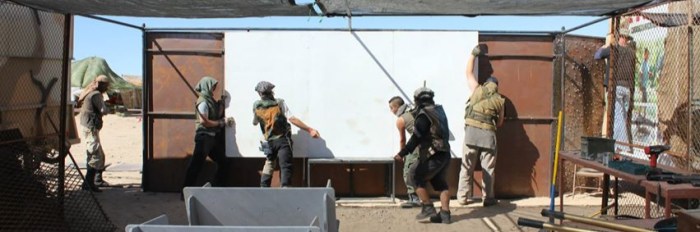
wasteland_logo.jpgThe Wasteland Film Festival is entering its fifth year and only growing bigger. The highlight short films with especially post-apocalyptic subject matter and, in addition, alternative films displaying a certain character right at home in the post nuke society. Films meeting certain criteria will be screened as part of the competition, others will simply be for exhibition.
http://wastelandweekend.com/wasteland-film-festival

Interview with Festival Director Jon Mercurio Knight

Matthew Toffolo: What is your Film Festival succeeding at doing for filmmakers?

Jon Mercurio Knight: We’re building exposure and bringing films from across the world into the hands of those who wouldn’t normally have access to many of these films. Also, many regular attendees to Wasteland Weekend, the event the Wasteland Film Festival takes place at, come from the LA area as well as from across the United States (and some from overseas). All tickets to Wasteland Weekend have already sold out, so we’re talking thousands of people.

MT: What would you expect to experience if you attend the festival this year (2016)?

JMK: A 4 day, post apocalyptic party in the desert with mandatory costume. The main area is built like something out of Mad Max.

MT: What are the qualifications for the selected films?

JMK: To fit in any of our categories. Post Apocalyptic. Sci-fi. Horror. Atmospheric/Weird. Music Videos. Animated.

MT: Do you think that some films really don’t get a fair shake from film festivals? And if so, why?

JMK: I think Post Apocalyptic is an often overlooked genre, that our festival showcases in addition to our other categories. There are a lot of fans of post apocalyptic films, but until the new Mad Max came out, the bigger studios had little to no interest in such films. Here and there, we’d see something, but I think it was adopted far more by independent cinema than maintream cinema.

MT: What motivates you and your team to do this festival?

JMK: The love of films and showcasing really solid work that meet our standards of excellence.

MT: How has the festival changed since its inception?

JMK: Our first year started with two queen bed sheets tied to the back of a trailer. Our next year, Wasteland Weekend built us a theater space and a nice sized post apocalyptic screen. Each year has seen some kind of new progression. Last year was our first having dedicated prize support money and we upped the money we’re awarding this year.

MT: Where do you see the festival by 2020?

JMK: We will have a fully enclosed, air conditioned daytime theater (actually, we’re planning on that for next year), which will allow us to show films during the day rather than wait for the night. We’ll also have encore based shows in LA with Wasteland Weekend support and possibly Sacramento. We’ll just keep getting bigger and better!

MT: What film have you seen the most times in your life?

JMK: So many, hard to count them all. But the fundamental core films would have to be the original Star Wars trilogy.

MT: In one sentence, what makes a great film?

JMK: A film that takes you along a journey without anything to pull you out, that moves you, that thrills you, that gets you involved in its characters, that makes you invest in it until the credits roll.

MT: How is the film scene in your city?

My city is Sacramento, which is not where the film festival takes place at. LA, the nearest big city to the festival speaks for itself.

Picture: https://www.facebook.com/202104576555906/photos/a.202121123220918.31863.202104576555906/449138335185861/?type=1&theater

Our Facebook: https://www.facebook.com/Wasteland-Film-Festival-202104576555906/

Our Filmfreeway link: https://filmfreeway.com/festival/WastelandFilmFestival

About Jon Mercurio Knight: A filmmaker, writer, and graphic designer. I have always had a passion for films and have always wanted to present and showcase films to others. That’s why I started up the Wasteland Film Festival, earned the respect of the WW staff by creating a professional end result, with quality films submitted from around the world. Each year presents new challenges, technical challenges, and stresses, and each year, the festival happens thanks to my unyielding determination to create the best possible film festival.

wasteland.jpg

****

Interviewer Matthew Toffolo is currently the CEO of the WILDsound FEEDBACK Film & Writing Festival. The festival that showcases 10-20 screenplay and story readings performed by professional actors every month. And the FEEDBACK Monthly Fesival held in downtown Toronto on the last Thursday of every single month. Go to http://www.wildsound.ca for more information and to submit your work to the festival.

Interview with Festival Director Moosa Saleem (Access Code Short Film Festival)

access-code.jpgAfter amazing 8 editions, we are here again. It’s a festival where 200 movies are played, more than any of the festival in the world. Almost every film that enters the festival will be screened at the festival, no matter how many days the festival runs.

Interview with Festival Director Moosa Saleem:

Matthew Toffolo: What is your Film Festival succeeding at doing for filmmakers?

Moosa Saleem: Access Code Short Film Festival has been very supportive to student and young filmmakers across the world.

MT: What would you expect to experience if you attend the festival this year (2016)?

MS: Very high quality shorts and indies. We also selected a lot of music videos by unknown bands.

MT: What are the qualifications for the selected films?

MS: We always prefer sound over images. An indie filmmaker spends a lot on camera, costumes and other props and hardly gives sound any importance. They forget that a film is 50% sound. A bad quality sound can ruin the whole film even if the visuals are amazing, but even if the video is bad or shaky, a good quality sound can cover up for it.

MT: Do you think that some films really don’t get a fair shake from film festivals? And if so, why?

MS: I explained it in the above question. A lot of indie filmmakers neglect a good quality sound setup. It’s not that expensive, to be honest. Most films get rejected by a lot of film festivals because of bad sound. Also, it’s impossible to screen every film out of the amount of entries we get after each passing edition.

MT: What motivates you and your team to do this festival?

MS: We love films, be it narrative, documentary, animation. It saddens me to see some amazing filmmakers going unnoticed in this competitive world. We are creating a platform for filmmakers who stayed restricted to YouTube and Vimeo to showcase their talent to the world. We even try to get them a TV distribution deal

MT: How has the festival changed since its inception?

MS: We started as a film festival for animation shorts and music videos. Now, we have amazing submissions from documentaries to webisodes.

MT: Where do you see the festival by 2020?

MS: We are planning to take this festival to other parts of the country by 2020.

MT: What film have you seen the most times in your life?

MS: The Intouchables from France and 3 Idiots from India.

MT: In one sentence, what makes a great film?

MS: A good screenplay, with some good acting talent.

MT: How is the film scene in your city?

MS: I am originally from Jammu and Kashmir and it’s a conflict zone and there is no such thing as film scene here but a lot of Bollywood films are shot here every year, including some of the Hollywood movies like The Fall and Hector And The Search Of Happiness, to name among the few. Three amazing movies came out of Kashmir few years back, Valley of Saints (it won the Sundance in 2012), Haider and Harud. ;

****

Interviewer Matthew Toffolo is currently the CEO of the WILDsound FEEDBACK Film & Writing Festival. The festival that showcases 10-20 screenplay and story readings performed by professional actors every month. And the FEEDBACK Monthly Fesival held in downtown Toronto on the last Thursday of every single month. Go to http://www.wildsound.ca for more information and to submit your work to the festival.

Interview with Festival Director Michael Harrington (Wandering Reel Traveling Film Festival)

Wandering Reel is a traveling short film festival with a focus on bringing meaningful films to communities with limited or no access to compassionate, thought-provoking cinema. We strive to engage our audiences in deeper conversation about the role of cinema, and how films can relate to community, conscious living, and contribute to making the world a stronger and more unified place.

http://www.wanderingreel.org/

Interview with Festival Director Michael Harrington

Matthew Toffolo: What is your Film Festival succeeding at doing for filmmakers?

Michael Harrington: Wandering Reel exposes films to a larger theater audience as well as a more rural, small town audience. We visit communities that don’t already have a film festival and/or do not have easy access to art films, independent films, international films and especially short films. We also facilitate conversation around the films to deepen the experience of a community coming together to watch films. Hopefully, some of the stories go home with some of the audience members and they care a little bit more about what the films were trying to say.

MT: What would you expect to experience if you attend the festival this year (2016)?

MH: Great movies. Great conversation. Theaters are the perfect meeting place of people and yet people tend to gather, watch and leave without actually interacting about this shared, cultural experience. Wandering Reel engages the audience a little deeper, first by allowing them to ask questions about how and why the films were made but also encouraging conversation with each other about how the films relate to their own lives and own community.

MT: What are the qualifications for the selected films?

MH: We only ask the films relate in some small way to the greater mission of Wandering Reel, which is to demonstrate how cinema can be a powerful tool in inspiring conversation around important topics and creating meaningful change in the world. We show narrative, animated and documentary films. We show students films and professional films. We show local films and films from the other side of the world. We show films fresh off the press and films from a decade or more ago. The point is to extend the life of short films so we offer very few hurdles for filmmaker to cross once they’ve made an outstanding short.

MT: Do you think that some films really don’t get a fair shake from film festivals? And if so, why?

MH: Nowadays anyone can make a film. Our phones capture pretty good images and our laptops come with editing software. And it’s easier than ever to submit to film festivals because it’s all done digitally with a few clicks of a mouse. So, there are hundreds if not thousands of films vying for festival slots each year. The good news is there are more festivals than ever, but it’s really easy for the best, trendiest films to play 100 festivals while some smaller films only find a few niche markets. The biggest name festivals are hit with thousands of submissions for only a small amount of slots. Emerging festivals have to work much harder to garner lots of submissions and need the best of the best films in order to succeed and grow. It is my wish that more film festivals will program based on heart, ingenuity and merit, rather than politics or celebrity.

MT: What motivates you and your team to do this festival?

MH: We think it’s extremely important to support meaningful filmmaking. We think it’s important for films to be viewed in an audience with other people and to allow for a forum to talk about that experience. We think there’s a hole missing in the distribution of short films and that we can help fill it in our own small way. When an audience member shakes your hand after a screening and thanks you for bringing a film to their community, that’s motivation like no other, if only because they wouldn’t have likely seen that film that inspired them otherwise.

MT: How has the festival changed since its inception?

MH: Wandering Reel evolves each year based on the films we receive, audience reaction and the communities we visit. We are a young festival entering our second year and we are still learning how to motivate people to pause Netflix for an evening and come out for a fun and engaging event. We are working hard this year to connect deeper with each community we visit. This means visiting schools, retirement communities, prisons, hospitals and any other members of the community that may not be able to come to our festival. It also means collaborating with local artists, activists and thinkers to connect the work we curate with the great work being done in the local community.

MT: Where do you see the festival by 2020?

MH: At the moment, funds limit our reach to a couple small tours per year and just one curator. Our goal is to have curators all around the world traveling with our films simultaneously. In five years or so, we should be able to reach all regions of the United States with a few international curators as well, likely in Europe and Australia to start. We also want to grow the outreach wing of our festival so that free screenings are offered whenever possible. No one should ever be turned away because they can’t afford the ticket cost. We also want to reach more people that can’t come to community screenings: the elderly, prisoners, students, and people in our poorer urban communities to just name a few.

MT: What film have you seen the most times in your life?

MH: Probably The Princess Bride, if only because I watched it on loop as a child and to be honest quite a bit as an adult. But since we are a short film festival, I’d also like to make a nod to our grand prize winning film from last year, “Stop” by Reinaldo Marcus Green, because that’s probably the short I’ve likely seen the most, and a short everyone in the U.S. should see right now.

MT: In one sentence, what makes a great film?

MH: How about one word: passion.

MT: How is the film scene in your city?

MH: I live in Portland, Oregon a city known for its indie theaters and growing film market. We have lots of film festivals and a very attentive indie film audience. The film production scene here is beginning to really blossom. This is the perfect alternative city to Los Angeles and New York for emerging filmmakers: beautiful urban landscape, incredible access to nature, amazing food and drink and a thriving art scene.

wandering_reel_banner

****

Interviewer Matthew Toffolo is currently the CEO of the WILDsound FEEDBACK Film & Writing Festival. The festival that showcases 10-20 screenplay and story readings performed by professional actors every month. And the FEEDBACK Monthly Fesival held in downtown Toronto on the last Thursday of every single month. Go to http://www.wildsound.ca for more information and to submit your work to the festival.

Interview with Festival Director Anamika Raj (GardenCity Film Festival)

Garden_City_Logo-01.jpgI am Anamika Raj and I am a graphic designer by profession and have produced 2 feature indies. GardenCity Film Festival is one of the most appreciated in the country by several critics. It’s main focus is student and female filmmakers from around the world. We are happy to introduce the local audience to a range of most recent, cinematically daring and powerful filmmaking from around the globe. We want to be a festival that touches and teaches the audience, a festival that will drive creators to produce meaningful films, a festival that drives audiences from all walks of life and makes the week-end a deep experience that becomes a long lasting tradition.

Interview with Festival Director Anamika Raj

Matthew Toffolo: What is your Film Festival succeeding at doing for filmmakers?

Anamika Raj: The best feeling for a budding filmmaker is not to earn loads of money, but to showcase his film in front of an audience, sharing the thoughts, and if the film is appreciated by the audience that is the biggest reward for every filmmaker all around the world. Film festivals are the stage to showcase great talents of the independent filmmakers. We at GardenCity give the same oppurtunity. There are so many film festivals all around the globe, and we don’t say we are the best, but as far as we can help filmmakers, we think we are doing our part.

MT: What would you expect to experience if you attend the festival this year (2016)?

AR: A lot of amazing documentaries made by young girls and there’s a section of LGBT films.

MT: What are the qualifications for the selected films?

AR: The qualification on the film depends on how the filmakers has tried to reach out to the audience. Your effort shows on the output of the film. We prefer films that are hard-hitting and are there to make an impact and should connect to the audience.

MT: Do you think that some films really don’t get a fair shake from film festivals? And if so, why?

AR: It’s absolutely impossible to select every film witht he time duration we have and the amount of entries we get. Filmmakers need to understand that and maybe up their game. Every filmmaker is working very hard to bring out a good film, but they need to understand that if their film is not selected, maybe the other filmmakers have put a bit more effort than them in their pictures.

MT: What motivates you and your team to do this festival?

AR: Let me tell you a true story, I am a filmaker myself and people in my team are very passionate about films. So, we were doing this one project and we were working day and night on it, with just 4 hours break in a day. The project was completed and then we started sending it to film festivals. The feeling that you get when you receive a mail from the authorities saying that your film has been selected is amazing. I mean, you are actually being praised for your hard work. And that’s when my team and I decided to start something like this. If we can be a part of motivating talent, then, why not! See it’s simple, you are good at something and if you don’t get any good comments about that work, you will start working hard on your films, but if you get praised for doing that same work, next time you will try to give a better film to the audience.

MT: How has the festival changed since its inception?

AR: We got 20 films as entries in the first edition and in the last edition, we got 300+ films. So, we are getting there.

MT: Where do you see the festival by 2020?

AR: In 4 years, we surely see ourselves as a big competitor to Cannes and Berlinale. Haha! Just kidding. When we started GardenCity Film Festival, we had one point very clear, all the film festivals happening all around the corner are not competing against each other, they are just helping brilliant filmakers to showcase their work. So, in 4 years, we would see ourselves helping four times of people we are helping now to bring out their work. We keep giving heavy discounts to the filmmakers who are really short of funds, especially student filmmakers.

MT: What film have you seen the most times in your life?

AR: Rang De Basanti (from India) and every Woody Allen movie.

MT: In one sentence, what makes a great film?

AR: As I already mentioned that a great film is that which connects to the audience and which has an amazing thought process behind it. See, for independant filmakers, cost of the movie really matters. Sometimes a filmmaker can come out with mind blowing movie on a very small budget, and sometimes, movies with huge budgets are panned by critics and audiences. So, to make a great movie all that it takes is a great thought and knowledge of using the given resources rightly. Script is the king.

MT: How is the film scene in your city?

AR: In Bangalore, we have a film industry called Sandalwood. It’s growing and very good young filmmakers are coming out with their films. Sandalwood usually prefers action movies or thrillers. Some of them are Lucia, U-Turn and Cryptic Road.

Interviewer Matthew Toffolo is currently the CEO of the WILDsound FEEDBACK Film & Writing Festival. The festival that showcases 10-20 screenplay and story readings performed by professional actors every month. And the FEEDBACK Monthly Fesival held in downtown Toronto on the last Thursday of every single month. Go to http://www.wildsound.ca for more information and to submit your work to the festival.

Interview with Festival Director Craig Higgins (Norwich Film Festival)

norwich_1.jpgThe Norwich Film Festival is now preparing for it’s sixth year (2016). They have an amazing array of celebrity patrons and judges (including Bernard Hill, Tim McInnerny, Olivia Colman and Martin Walsh) who are all eager to watch your films and read your screenplays. The people of Norwich are also committed to supporting artists of all media and have been wonderful throughout our four previous years, turning up in their droves to see the best the festival has to offer.

www.norwichfilmfestival.co.uk

Interview with Festival Director Craig Higgins:

Matthew Toffolo: What is your Film Festival succeeding at doing for filmmakers?

Craig Higgins: The Norwich Film Festival is passionate about screening filmmaker’s work from not just Norwich but from all over the world. We love that we get the opportunity to help the audience see something they generally wouldn’t see, and I feel this helps to give filmmaker’s a voice and the recognition they deserve. We have also just started to screen local feature films made in Norfolk throughout the year which we screen free of charge to help raise the profile of filmmakers. There really is an incredible amount of talent out there and we are just doing our little bit to help the world see it.

MT: What would you expect to experience if you attend the festival this year (2016)?

CH: Fantastic short films made by the some of the most talented filmmakers you will ever see.

We have not yet released the programme, so here is a little bit of a spoiler. The festival will be looking to screen 50 short films, 2 feature films (both are premiers for Norwich), an industry panel of getting your film made, a talk from one of the best Editor’s in the world, BAFTA regional shorts tour, along with lots of a Q&A’s from filmmakers. We are also going to ensure that we offer lots of networking too!

MT: What are the qualifications for the selected films?

CH: We have 5 competitive prizes this year including best short, best animation, best student, best documentary and best script. The standard of submissions this year as been incredibly high, so short listing is going to be tricky! Luckily enough we have a fantastic team who have helped to judge and score your film. What is also exciting, the best of the best films are sent to industry judges who will watch them and decide who should win our competition. Some of our judges this year include Damian Jones (Producer – The Iron Lady, Lady in the Van, Dad’s Army), Nick Moore (Editor – Love Actually, Notting Hill), William Osborne (Scriptwriter – Twins, Scorpian King), Julian Jarrold (Director – Kinky Boots, A Royal Night Out), Steven Hall (DOP & Camera Operative), Jane Gull (Director – Sunny Boy, My Feral Heart) & Hugh Fraser (Actor)

MT: Do you think that some films really don’t get a fair shake from film festivals? And if so, why?

CH: That’s a good question. It’s difficult, because festival’s only have so much allocated time to screen films and usually the best of the bunch are the one’s which are screened. However, you sometimes have that middle pile of films which are good, but don’t always make it through due to another film being submitted with maybe a similar theme but can be slightly stronger in terms of its narrative. What, I would say is even if your film doesn’t get through to one festival don’t stop trying! If you believe in your work, get it out there to festivals, screen it in local bars etc….

MT: What motivates you and your team to do this festival?

CH: Easy – we love films! We also enjoy that we are the first people who get the opportunity to watch some of the most exciting, engaging and inspiring films out there and we get to screen them! How brilliant is that? We also love meeting and hearing from filmmakers and anything which can help showcase and bring people together is fabulous.

MT: How has the festival changed since its inception?

CH: Well this year as been a huge development shift in the festival, keeping in mind that everyone involved with the Norwich Film Festival are volunteers. We are now running as a small charity (but are due to apply shortly to become a Charitable Incorporated Organisation in the next few weeks), we have increased our web content for filmmakers, increased our social media fan base, built up an impressive list of judges & patrons (Brian Cox, Olivia Colman, John Collee & Tim McInnerny), offered monthly screenings and an increased networking opportunities for filmmakers. We have worked really hard this year and we are planning bigger and better things for 2017 already!

MT: Where do you see the festival by 2020?

CH: I would love to see the festival become BAFTA accredited. That is my dream! It would be great if we could also continue to build the level of submissions we receive each year and offer the audience even more than we are providing now.

MT: What film have you seen the most times in your life?

CH: Jaws….. I love this film!

MT: In one sentence, what makes a great film?

CH: Great story, originality, creativity & something that stay’s with you even when the film ends.

MT: How is the film scene in your city?

CH: Norwich is such a creative city, we have a host of incredibly talented filmmakers, a brilliant picturehouse cinema, 2 Universities which offer film related courses and a lot of love from the people of the city who welcome all creative types. Norwich as also played host as a location setting for big budget films such as Averngers: age of ultron, Tulip Fever, Stardust, James the Giant Killer and so on. I would love filmmakers to come to Norwich to continue filming as it offers so much diversity.

Don’t forget the Norwich Film Festival will holding it’s annual festival from the 10 – 13th November. It’s gonna be fun! Come along and enjoy something different.

norwich_2.jpg

Interviewer Matthew Toffolo is currently the CEO of the WILDsound FEEDBACK Film & Writing Festival. The festival that showcases 10-20 screenplay and story readings performed by professional actors every month. And the FEEDBACK Monthly Fesival held in downtown Toronto on the last Thursday of every single month. Go to http://www.wildsound.ca for more information and to submit your work to the festival.