Interview with Festival Director Sally Bloom (LONGLEAF FILM FESTIVAL)

A free-to-attend film festival that highlights the best short- and feature-length documentary and narrative films in a place that recognizes that filmmakers and film fans DO make history—this is Longleaf. This weekend festival screens films that demonstrate a Tar Heel State connection, through the people involved in making them or through their subject. Of course, we hold near and dear all (current and former) Longleaf Official Selection filmmakers.

Contact


 What is your Film Festival succeeding at doing for filmmakers?

Longleaf offers filmmakers the opportunity to screen at a free-to-attend festival, which allows them access to audiences who might be new to independent film. We also host panels and workshops for filmmakers that are free to attend. Finally, we work to support filmmakers throughout the year—with events, gatherings, and more, like providing meeting and collaboration space!

What would you expect to experience if you attend your upcoming festival?

Folks attending Longleaf have choices! We screen in three spaces, so folks can review the program and select what films they want to see—for Longleaf 2018, our 73 options included narrative and documentary shorts and features, animated films, music videos, and student-made films. Attendees will also meet friendly staff and volunteers, they’ll have opportunities to talk with filmmakers, and they’ll always enjoy free popcorn.

What are the qualifications for the selected films?

Longleaf has eight categories for entries, including narrative and documentary shorts and features, animated films, music videos, a history-related theme, and middle and high school student-made films. Films must have a North Carolina connection of some sort, through the people who make them, their location, or their subject matter.

Do you think that some films really don’t get a fair shake from film festivals? And if so, why?

Because of scheduling constraints, perhaps it is harder for feature-length films at some festivals? We’re glad we have the space and time to include feature-length works.

What motivates you and your team to do this festival?

Longleaf Film Festival is a program of the North Carolina Museum of History, a free-to-attend public museum. We know that making films is making history; in fact, films have been made here since at least 1912 with The Heart of Esmerelda, and they have been made in all of the state’s 100 counties. The art and craft of filmmaking is part of North Carolina’s past, present, and future.

How has your FilmFreeway submission process been?

Submitting to Longleaf has changed over our five years. We began accepting submissions on WithoutABox and FilmFreeway and have moved to using FilmFreeway exclusively. We have rolling submission deadlines until March 1; we opened for this year’s festival in July 2018. Official Selections will be announced on April 12, 2019, and the 2019 festival will be held at the museum on May 10–11, 2019.

Where do you see the festival by 2023?

Nice question! By 2023, Longleaf will have outgrown the Museum of History (although it will always be our home base) and we’ll have expanded to other venues that are within walking distance. We’re located in the heart of downtown Raleigh and are fortunate to have terrific spaces nearby.

What film have you seen the most times in your life?

Hmmm . . . well, I have four children, so, probably, I’ve watched all the Toy Story films more times than I can count. Otherwise, I watch Harold and Maude (1971) and The Princess Bride (1987) on a regularly rotating basis!

In one sentence, what makes a great film?

A great film has a compelling story—whatever the type of film—and allows us to experience something more than the story, without knowing it until it’s over.

How is the film scene in your city?

Raleigh-—and by extension, the state of North Carolina—has a HAPPENING film scene. From the 1980s through 2014, many commercial films and television shows were made in the area. When the tax incentives changed, however, the state lost much of that industry; but, at the same time, the growth of independent film has been explosive. With film schools at our public universities and community colleges, varied and beautiful settings, and an experienced population of filmmakers and folks with film-related talents, North Carolina is a great place to make movies.

 ****
Sally Bloom bio: Sally is a co-organizer of Longleaf Film Festival and believes in the power of independent film to make connections, to entertain, and to form community. Sally finds many connections between her “other” work for the North Carolina Museum of History and her work with Longleaf because “everything has history!” Her other work includes writing and producing videos for the museum’s website and YouTube channel, reaching students through live-streaming classes, and, oh, you know, making history cool. A native North Carolinian, Sally attended UNC and has an MA in history, along with a husband, four kids, and a lot of laundry.
 

longleaf.jpg

Interview with Festival Director Gian Smith (The Black Film Festival of New Orleans)

From Gian Smith: The Black Film Festival of New Orleans, in it’s inaugural year, has been created with the intention of highlighting American film makers, and content creators of color. While we personally enjoy movies of all types, by all types, we wish to highlight films and content more relatable to our experiences. As a film maker, often times I feel like the nuance, importance and brilliance of my own film making and the films of my black colleagues has been lost on audiences and evaluators who simply don’t relate to our personal experiences as black people in the United States. Through my festival experience I have found that my best results have come from audiences catered to me by festival directors and teams who could understand my content. So in that vein I felt it important to give yet another outlet for the black filmmaker to be recognized.

Contact

black 1

1) What is your Film Festival succeeding at doing for filmmakers?

Our goal is to provide a great platform for filmmakers to celebrate their film. We want filmmakers to have an opportunity to enjoy the fruits of the labor of making a movie. A large welcoming audience, a festival director who communicates directly with the filmmaker and lots of events that show how great New Orleans is as well as make the filmmaker feel like the star (s)he is.

2) What would you expect to experience if you attend your upcoming festival?

The first thing we’re going to make sure the filmmaker does is have a good time. New Orleans is typically not too chilly in our winters so the weather will allow the filmmakers to enjoy the town with no restrictions. And we’re going to do our part making sure they have plenty of opportunities and places to experience. Several parties held by the festival including our jazz brunch awards ceremony. All topped off with a warm welcoming audience.

3) What are the qualifications for the selected films?

The Black Film Festival of New Orleans prides itself in making sure the spotlight is squarely placed on black Americans. Wether behind the camera, in front, or both we are curating a space where the black voice is recognized and appreciated. Which leads into question #4

4) Do you think that some films really don’t get a fair shake from film festivals? And if so, why?

As a black filmmaker I understand that my voice is sometimes lost in the shuffle. Relatability can be a very important factor in being recognized. But when the people making the decisions don’t or won’t relate to your voice it’s easy for the talent to not be recognized. That won’t be the case with BFFNO. Just as importantly. As festival director I personally put eyes on every single submission that comes through. If a film deserves to be recognized it will. Even if it doesn’t suit my taste, if the effort and quality are there you will screen at BFFNO.

5) What motivates you and your team to do this festival?

As a filmmaker of color I have been looked over man times myself by bigger festivals, and festivals that give more volume to non-voices of color. New Orleans is a town that needs a festival like this one, and as one of the best filmmakers here, who better to do it than I and my team?

6) How has your FilmFreeway submission process been?

Filmfreeway has been an easy transition for me, both as a filmmaker and a festival director.

7) Where do you see the festival by 2023?

In five years I believe we’ll have some of the brightest filmmakers as alums. Hopefully they will come bak and hold master classes, and bring their movies to BFFNO for premieres. By that time I hope we will have grown to be recognized as not only one of the best black film festivals but one of the best overall, and most importantly, the filmmakers favorite festival.

8) What film have you seen the most times in your life?

Besides my won films during editing… I probably have watched “The Color Purple” more than any other movie. That being said I’ve also watched “The Wire” from episode 1-60 about a dozen times over.

9) In one sentence, what makes a great film?

A great film needs a team of people who all care about doing their part in telling a great story.

10) How is the film scene in your city?

The film scene in New Orleans is certainly robust. Both for the big budget productions as well as the indie scene. There’s always a production being done down here. Who doesn’t want to be in New Orleans?!

Interview with Festival Director John LaBonney (DAM SHORT FILM FESTIVAL)

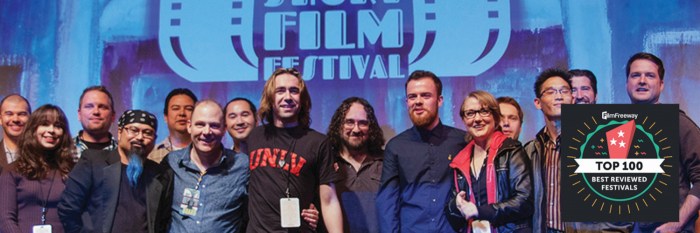
Recognized as one of the Top 100 Best Reviewed Festivals on FilmFreeway, The Dam Short Film Festival is the largest film festival in Nevada. Entering its 15th season, the event attracts filmmakers and fans alike to Boulder City each February to celebrate the art of independent short film. With parties, events, awards, and a lineup of over 120 films in four days, it’s an experience that enlightens, entertains, and inspires year after year.

Festival Director John LaBonney is an award-winning filmmaker and has a B.S. in Broadcasting and Film from Boston University. He was appointed Director of the festival in 2011 and oversees all festival operations. He maintains a strong connection to the arts community and lectures on film topics to college students.

www.damshortfilm.org

The Dam Short Film Festival is currently accepting submissions for the 2019 season. Visit the festival’s page on FilmFreeway here: https://filmfreeway.com/DamShortFilm

—-
1) What is your Film Festival succeeding at doing for filmmakers?

While we try to take great care of filmmakers at Dam Short through the entire process from submission to screening, I think what we really succeed at is providing them with an audience for their films. We work hard to promote the festival in the press and on social media to attract an audience and we’ve been successful in drawing crowds. There’s nothing worse than getting accepted to a festival and making the trip there to represent your film, only to discover a near-empty theater when the film screens. When you walk into your screening here, there’s a good-sized audience in the theater to watch your film.

2) What would you expect to experience if you attend the festival this year (2019)? 

In addition to a carefully-programmed lineup of over 120 films in all styles and genres, awards, parties, and events, you’ll experience the historic 400-seat Boulder Theatre. Built in 1933, the theater is listed on the National Register of Historic Places and was the first air-conditioned building in town. After years of serving as Boulder City’s movie house for many years, it shuttered its doors for some time and was subsequently purchased by actor/musician Desi Arnaz, Jr. and his wife Amy in 1997 who restored the building to its former glory. It’s the permanent home to the Dam Short Film Festival and many people walking into the theater for the first time are amazed by the venue.

3) What are the qualifications for the selected films?

We accept films for submission in any style or genre with any year of production and any premiere status. Our only real qualification is length. The Dam Short Film Festival screens short films, so entries must have a running-time of forty minutes or less. The films we program are entertaining and thought-provoking, offer our audience a wide range of viewpoints and styles, and always represent quality storytelling. Given the choice, I pick engaging storytelling over technical proficiency.

4) Do you think that some films really don’t get a fair shake from film festivals? And if so, why?

Possibly. What’s a fair shake?

Programming a festival schedule is a lot harder than people might think, especially when you’ve got more quality films to choose from than you can run on the screen in an allotted time. There are many reasons a festival can’t always run all the product it would like. Even with a large selection committee watching and rating the films, I struggle to put together the final program. I’m not naïve enough to think the selection process is completely fair in every single case, and sometimes political considerations are involved. And programmers, myself included, make mistakes. But for the most part, I think programmers are doing their best to put together the best schedule of films for their particular festivals.

Some films might not get a “fair shake” but I think filmmakers should keep on making the films they want to make and keep on telling the stories they want to tell regardless.

5) What motivates you and your team to do this festival?

It’s a love of short films. Short films are so cool! You can do things in a short film that simply won’t work in a feature length format. Features almost always have a commercial goal, but short films are usually financed by the filmmaker himself with little or no hope of earning a return on investment. With no studio or financier to appease, he can do whatever he wants with his film. With no restrictions, creativity runs wild. We’re amazed at what filmmakers are doing in short films, and we’re excited to share them on our screen.

And as we’re entering our 15th season, The Dam Short Film Festival has become an institution. It grows each year and is a huge event for Boulder City. It must go on! We simply can’t not do it.
.
6) How has your FilmFreeway submission process been? 

Are you kidding? FilmFreeway is a quantum leap in the submission process! It’s what film festival submissions should have been like. I look back and wonder how any of us ever managed before. It’s a thousand times easier for filmmakers and film festivals. It’s like we’ve all been saved. Everyone who is familiar with the stone age technology we were forced to use in the past no longer wants to kill themselves.

We’ve experienced a much stronger rate of growth since we’ve started using FilmFreeway.

7) Where do you see the festival by 2023? 

With any luck, we’ll be right here in Boulder City, taking care of filmmakers and providing them with the audience they deserve.

We’ll keep up with the technology as it evolves (in our infancy we screened films on videotape, now we have a Virtual Reality category), we’ll stay current with the short film landscape, and we’ll try new things. But our core values will remain the same.

8) What film have you seen the most times in your life? 

Star Wars.

9) In one sentence, what makes a great film?

A great film is one that has a great story told with engaging storytelling.

10) How is the film scene in your city?

The Dam Short Film Festival is the biggest film event that Boulder City experiences. It’s a bit of a quiet town to have much of a film scene. It’s a heck of a place to go antiquing though! In neighboring Las Vegas, the film scene is constantly growing and there are always new opportunities, especially since we’re within driving range of Los Angeles.

dam2.jpg

Interview with Festival Director Dave Harlequin (Stranger Days Independent Film Festival)

The Stranger Days Independent Film Festival is an annual event celebrating the art of truly independent cinema in Charlotte, North Carolina. Showcasing the contributions of independent filmmakers from all around the world, with a strong emphasis on locally and regionally produced short films from the Carolinas, the Stranger Days Independent Film Festival strives to build community and establish positive connections by offering an outlet to artists often overlooked by the mainstream, and providing viewers with an interactive experience in a diverse environment that is both welcoming and inclusive for all people from all walks of life.

Contact

 
Matthew Toffolo: What is your Film Festival succeeding at doing for filmmakers?

I think it’s really giving a voice to independent filmmakers, as well as a legitimate outlet to showcase their work. We are independent filmmakers ourselves, so we know all too well how difficult it can be for independent filmmakers out there. That’s honestly why we created this film fest to begin with, to showcase these hidden gems that so often get overlooked, and I really think we’re succeeding at that.

2) What would you expect to experience if you attend your upcoming festival?

Every time I attend any film festival, I always expect to see a wide variety of films I can’t see anywhere else; be that at a theater or streaming online somewhere. I truly feel like we accomplish that, as do so in an environment that is both relaxed and fun for our audiences.

3) What are the qualifications for the selected films?

Every film submitted absolutely MUST be an independent film, and I mean truly independent. We do not accept any films with major studio backing, huge budgets, or big stars. Additionally, every film submitted must not already have wide VOD distribution such as Amazon, Netflix, VuDu, or anything like that. Also, if it’s a local film produced in the Carolinas, we also have a special category just for those films, and thus give a selection preference to them, seeing as how we’re located in Charlotte and always like to support local filmmaking.

4) Do you think that some films really don’t get a fair shake from film festivals? And if so, why?

Absolutely. In fact, that’s a big part of why we started the Stranger Days Independent Film Fest to begin with. Far too often great films are being rejected by tons of film festivals out there because they’re either too low-budget, don’t have the exact right run-time, or don’t have the star-power behind them to entice some sort of celebrity appearance or something like that. Lots of times a short film, for example, isn’t long enough to fit into a feature film category, but isn’t short enough to fit into some rapid-fire block of 10-15 minutes or less, so these really great stories that happen to run in that so-called ‘unacceptable’ window of 20-45 minutes can’t even get in the door at most festivals because said festivals don’t make a place for them to be.

5) What motivates you and your team to do this festival?

Honestly, a ton of film festival rejections and a handful of really hurtful anonymous comments is probably my biggest motivator personally. Again, we’re filmmakers ourselves, and know exactly how it feels to have something you’re really proud of that can’t seem to find anywhere to screen and be seen by an actual audience. So, we decided to create a place locally for all of those toiling away in the so-called underground.

6) How has your FilmFreeway submission process been?

FilmFreeway has been wonderful to us. It’s a fantastic platform to not only accept and process our submissions, but with the ability to download files, organize, and most of all promote your listing to filmmakers all around the world. We work exclusively with FilmFreeway, and will continue to do so for as long as they’ll have us.

7) Where do you see the festival by 2023?

I honestly never look that far into the future, as I tend to live in the moment, but I don’t see any scenario where were not still going strong, and still offering our event to filmmakers out there. We’ve got an outstanding venue that works with us, with an excellent layout, top-notch equipment, and a great atmosphere that’s with us for the long haul, so I don’t see us going anywhere any time soon.

8) What film have you seen the most times in your life?

Oh man, that’s a tough one. I think as far as live screenings, I’ve got to say The Rocky Horror Picture Show, mostly because I do a lot of conventions and film festival events across the country and that one tends to run a lot. At home on my own, probably a tie between Pulp Fiction, Richard Linklater’s SubUrbia, and Mulholland Drive. Of course, this is just a total guess, because I watch and re-watch a ton of films.

9) In one sentence, what makes a great film?

A really great story that leaves you feeling something after you’ve seen it.

10) How is the film scene in your city?

Much better than it gets credit for. Charlotte has a wonderful film scene, and a ton of super creative, hardworking people that really strive to make the best art they possibly can. Sure, there are a lot of filmmakers around here that just seem to be more interested in cranking out one good thing so they can leave and head off to Hollywood or Atlanta, but there’s a lot more who are dedicated to creating and sustaining some great stuff right here in North Carolina, and those are the ones I’m interested in.

stranger days 2

DAVE HARLEQUIN BIO:
Dave Harlequin is an award-winning independent filmmaker and professional writer from Charlotte, North Carolina. He is the Creative Director and Lead Screenwriter of A Stranger Concept Films and has to date written and produced over a dozen films, with many winning multiple awards throughout the film festival and convention circuits. His most recent short film, CLOSING TIME, is currently touring the festival circuit and has thus far won several awards and nominations, with plans to join some of his other work on Amazon Prime. Outside of filmmaking, Harlequin is also a professional journalist and currently serves as Editor in Chief of digital fandom culture and entertainment publication Nerd Nation Magazine. When he’s not making films and writing, Harlequin enjoys cooking, gaming, and hanging out with his dog.
And there you have it! I’ve also attached the poster image for the 2018 Stranger Days Independent Film Festival, as well as a headshot of yours truly for your use in the article. Please let me know if there’s anything else you might need from me, and once the article is published, please send me a link to it and I’ll be sure to share it all over our social media, website, etc. Thanks again for the opportunity, and I look forward to working with you again in the future!

Interview with Festival Director Patrick Templin (Summershort Festival)

The Summershort Festival – is the first international Open Air Film Festival in Munich, Germany.

Contact

1) What do you do for filmmakers?

Hi Matthew! Thanks for the interview. We are working together with partners who provide nice prizes for the submitting filmmakers. The winning movies will get big rewards. We don’t like prizes paid in the form of money, but we will give the filmmakers the chance to get direct contact to their new audience. Additionally to the rental service partner coupons , the winners will have the possibility to attend the next edition of SSFF for free and get a Q+A for with their fans. They can answer questions and come closer to the visitors. Also we will try to get a distribution and the winning movies will be mentioned on our websites / social media channels.

2) What do you expect when you attend your Festival ?

As we are a small event, compared to other big Festivals, we don’t want to talk about expectations. We want to celebrate movies again every year and i think this will be the most important thing for us. We will watch a lot of qualitative movies, eat tasty food and have fun together. Don’t expect too much, and take good and bad weather clothing with you. We will do it anyway 😉

3) What are the qualifications for the selected films?

We don’t only choose our winning films by picking out the best “qualifying” films with our jury. Our jury is build up out of professional filmmakers who work in the film business since many years and have a lot of practical “hands on” experience. They will choose the best films by taking a lot of time, watching every movie, which was submitted. They will point out the best ones by viewing them out of many various angles. So everybody will have the chance to win at the SSFF.

4) Do you think that some films don’t get a fair shake from festivals, and why?

I think it is difficult to get a fair answer here. We have to look at both sides of the medal, so, I think its on the first hand difficult for the filmmakers, to submit every season, and make new content, the visitors of the festivals want to see. As I am also a filmmaker, I know this situation very well and it can be some times really hard. But on the other hand, I can also understand, that festival work is a difficult thing. There are so many good films, and if you can, you would screen every good submission of a season, but it is definitely impossible. So I think we have to be fair to both sides – festivals & filmmakers.

5) What motivates you and your team doing this festival?

Our motivation is to make a time possible, where hundreds of people can watch and discuss movies which are on the screen. We want everybody to have a good time with each other while eating delicious food and talking about the flicks which are running. We also love films, and for everybody who knows this, the motivation is clear. We do it for keeping the film business and the passion alive.

6) How has your submission process been?

We have a bunch of very nice films by now. But marketing is a difficult process, you know. We have partners which help us a lot, like companies who gave us their services for free (f.e. the UPMI) and so on. But we definitely need more support by our filmmakers. Everybody who wants to have us on the eye, should share the festival on his social media profiles and websites and so on. Reaching out to the community is a very hard process for a young and comparable small festival like us, but we hope that people like you (thanks Matthew 😉 ) will come to us and ask us questions and maybe help us to gain a much bigger community.

7) Where do you see the festival in 2023?

In 2023, we see the festival as one of the bigger ones, which people love because we take feedback seriously and always are trying to give a lifetime-experience to our visitors and filmmakers.

8) Which film did you see the most times in your life?

Definitely, The Matrix.

9) In one sentence: What makes a great film?

Serious? One sentence? 😀 okay!
– A great film has to be an enrichment for yourself. It’s the perfect combination of a good thrilling story and a perfect visual style.

10) How is the film scene in your city?

We love Germany very much. We have a big independent scene and community here and there are a lot of cool filmmakers, actors and companies. We also work together with many people from Austria and Switzerland and combined together this is a very small, but also a very lovely community regarding the film business.

summershort 1.jpg

 Interviewer Matthew Toffolo is currently the CEO of the WILDsound FEEDBACK Film & Writing Festival. The festival that showcases 20-50 screenplay and story readings performed by professional actors every single month. And the FEEDBACK Monthly Festival held in downtown Toronto, and Los Angeles at least 3 times a month. Go to http://www.wildsoundfestival.com for more information and to submit your work to the festival.

Interview with Festival Director JE (Jeff) Smith (TEXAS TERRORS FILM FESTIVAL)

Texas Terrors is an indie/grass roots short film festival celebrating the fun in bone-chilling horror. We’re less concerned with Hollywood-style slickness than with creativity, originality, and passion. The festival will feature a diverse array of scary stuff, and provide a fun evening of chills and thrills.

Contact

 
1) What is your Film Festival succeeding at doing for filmmakers?

I hope that I’m providing a good and empowering forum for filmmakers. As a filmmaker myself, I’m a four-year veteran of the festival circuit, mostly smaller, regional festivals, often with specialty themes. I have submitted my various films to dozens of different fests, and picked up a ton of rejections. Anyone who has tried their hand at the festival circuit will tell you, it’s not for the faint of heart — be prepared for a LOT of rejection, and for hearing “no” far more than you ever hear “yes.” Also, all festivals are not created equal, and even when you get a festival to accept your film, sometimes they don’t make things easy for you, as a filmmaker. Of course, running a festival is a tough job, and I understand that the people behind them are very busy. But there are definitely times when you, the filmmaker — the one providing them with content — are treated almost as an annoyance. So, when I decided to try my hand at putting on my own festival (in a genre I’ve loved since I was a kid), I decided that I would try to give the filmmakers who took a chance on my small, first-year, one-night festival, the best experience I possibly could. It remains to be seen whether I fully accomplish this, but I’m doing my best! Of course, the sad fact is, you still have to say “no” to a significant amount of submissions — I was overwhelmed by the response I got, and in fact, I even expanded my run-time to accommodate more films, because I was so excited by a lot of the material I was getting. But, I still had to say no to almost 2/3 of the people who submitted. That sucks! But, it was the only economically feasible way to approach this first-year festival. I could easily have selected another 6-8 excellent films if I had more time at the venue, or could afford to expand to a second night.

2) What would you expect to experience if you attend your next festival?

Diversity of style. There is a wide range of content and approach that could be considered “horror,” and I’ve tried very hard to select films that represent a range of different types and sub-genres. If you go to YouTube and search for “short horror film,” you’re going to find a lot of stuff that seems like an endless variation on the same story: a young woman, home alone, hears a noise, gets a butcher knife from the kitchen, prowls around a bit, and them BOOM — jump-scare — some kind of boogeyman appears to get her. Hard cut to black. This kind of thing can be effective, but it’s over-done. WAY over-done. So, one of my guiding forces was to try and seek out films that were a little different, a little off-kilter. That said, we purposely have stayed away from the more extreme forms of horror. I personally am not a fan of the so-called “torture porn” sub-genre. I’m fine with grisly gore — you can’t be a horror fan if you’re too squeamish, and a well-done gag is part of the visceral thrill of horror flicks. But the sort of pointless, dehumanizing brutality that is associated with torture porn (and other purely sadistic horror sub-genres) doesn’t really appeal to me. I prefer “fun” horror — and this festival is a reflection of that. I’m very happy with the variety of styles that make up our program this year. Also, I’m very happy that over half of the films we’re showing have never screened anywhere in Texas before, AND we actually have three *world* premieres. Very exciting!

3) What are the qualifications for the selected films?

Well, they had to be short. Twenty-two minutes was the upper limit, although in the end, the longest film we’re featuring is only eighteen. Most of them run between six and twelve minutes. No matter what their budget/slickness level, they had to have a base-line of acceptable filmmaking techniques — for instance, one film was rejected almost entirely because the sound was bad, and it was difficult to hear/understand what any of the actors were saying. So, they didn’t have to look like Hollywood movies, or be shot with expensive cameras — a few of the ones I accepted clearly were low- to no-budget affairs — but they had to be in focus, with clearly understandable dialogue (a good solid Rode Videomic only costs a couple hundred bucks, and if you’re not willing to spend that to have clear sound, maybe you shouldn’t be submitting to festivals!), and have a certain cohesion of storytelling. Just basic filmmaking competence, really. Most importantly, they had to have a sense of enthusiasm and vigor that transcended however much money they had to spend — it’s not the tools, it’s the talent, as the old saying goes.

4) Do you think that some films really don’t get a fair shake from film festivals? And if so, why?

Absolutely. There are definitely festivals that are concerned mostly with appearance — if it doesn’t look slick, it doesn’t have a chance. Which is a real shame, because the festival circuit really should function as a sort of training ground for burgeoning filmmakers; almost like the minor leagues in baseball. Of course, the ultimate goal of any festival is to entertain the audience that ends up attending, and I’m not suggesting festival directors should select bad films just so the filmmaker can get some experience under their belt — but it would be nice if the selection process could be a bit looser, and a bit more open to things that, at first glance, might not seem like a winner. Having said that, a lot of filmmakers tend to hamper themselves by not fully embracing the system and trying to understand the other side. If someone is putting together a short film festival, they want as much good material as possible, so every minute is precious — and yet I still got submissions that had unecessary scenes, weird story tangents, and overly-long closing credit crawls. Seriously, folks, cut those films to the bone! If your opening or closing credits last more than 30-45 seconds, they’re too long! :p

5) What motivates you and your team to do this festival?

Honestly, for this first year, it was mainly just to see if I could do it. I like a challenge, and I’ve never assembled a project quite like this before — it’s a bit terrifying, but also thrilling. I don’t expect to make a nickel of profit (I’ll be thrilled if I come anywhere near breaking even!), but I suspect it will be more than worth it. And, as I said above, I really wanted to provide a forum where the filmmakers who participated would come away thinking, “Wow, that was a really cool festival. They cared.”

And, on a purely selfish level, I got to see a LOT of cool horror films I might not otherwise have seen. AND I get to share the best of them with an audience, in a really cool theater with a great projection system. That rocks.

6) How has your FilmFreeway submission process been?

FilmFreeway have been fantastic — I can’t say enough good things about them. A couple of times I had questions that weren’t on the FAQ page, and they responded super-quickly and helpfully. Their interface for people running festivals is clean and user-friendly. We used them exclusively, and they’re great. Highly recommended.

7) Where do you see the festival by 2023?

I hope over the next few years we can expand to 2 or maybe even 3 nights. I would love to be able to incorporate a couple of feature-length films as well. It would be great to build enough of an audience that we can keep holding it at the Texas Theatre (the beautiful and historic venue where the fest is taking place) — it’s a fantastic place, and I’d love to continue to call it home. And I hope we can continue getting really interesting and challenging material to showcase. Also, I’m committed to keeping our submission fees low — a lot of festivals have what I would consider to be outrageous fees that many low-budget filmmakers simply can’t afford to pay. While, to a certain extent, I understand the economics of this — submission fees help fund the festival as a whole — it still feels weird to take money from someone and then reject their film. So I really want to keep our fees as low and non-exploitive as possible. I’d like to think that, ten years from now, we’ll be charging about the same as we did this year. Hopefully I won’t have to eat those words. 😮

8) What film have you seen the most times in your life?

Oh gosh — probably Monty Python and the Holy Grail? That would definitely be a contender. I did see the original Alien eight times the first week it was released (and yes, I’m old enough to have seen the original in theaters!).

9) In one sentence, what makes a great film?

The late, great film critic Gene Siskel used to say that a truly great film has “three great scenes, and no bad scenes.” That works for me. 🙂

10) How is the film scene in your city?

Pretty strong, actually. In a big city like this (Dallas), we have a remarkable pool of talent, from actors to make-up people, cinematographers, writers, you name it. I don’t know that any of them are truly “hitting the big time,” or making a lot of money, but I see a lot of folks who are passionate about their craft, and willing to make sacrifices, just to make art. That’s thrilling, and very empowering. The real trick is getting people to stick around, and not move to Austin, New York, or Hollywood! I myself have no desire to relocate — I love living in Texas, and I want to stay here and keep creating.

I’d say we have at least a half-dozen or so local/indie film festivals per year, and another handful of national/higher-end fests. There are always opportunities to get your films seen, once you’ve made them, but obviously, the more prestigious festivals can be tougher to crack. Still, ya never know til ya try!
texas terror 1

Interviewer Matthew Toffolo is currently the CEO of the WILDsound FEEDBACK Film & Writing Festival. The festival that showcases 20-50 screenplay and story readings performed by professional actors every single month. And the FEEDBACK Monthly Festival held in downtown Toronto, and Los Angeles at least 3 times a month. Go to http://www.wildsoundfestival.com for more information and to submit your work to the festival.
Interview with Festival Director Ronald Quigley (PITTSBURGH INDEPENDENT FILM FESTIVAL)

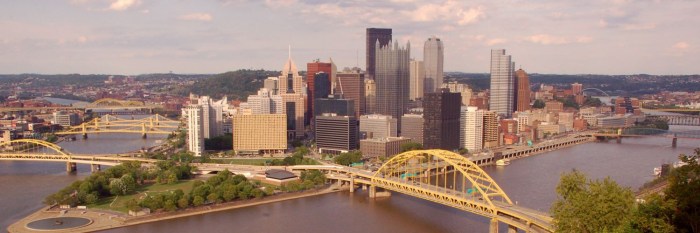
The Pittsburgh Independent Film Festival is Pittsburgh’s own film festival for truly independent films, and a headline event for micro-budget films in the USA and world wide. PIIF offers a fantastic opportunity for undiscovered filmmakers to showcase their achievements, filmmakers who posses an independent vision and operate to create innovative work outside the studio system. Two recent winners of the festival have secured a distribution deal, as a result of entering our festival. Both our 2016 and 2018 winners are now in worldwide distribution. The Pittsburgh Independent Film Festival was founded by Ronald Quigley a Pittsburgh native who now lives and works as an  Actor / Director in Los Angeles.  Ronald, re-located from Pittsburgh to Los Angeles in April 2002.  He is the CEO of Last Act Entertainment a production company with several credits to it’s name.  Ronald acts as the Festival Director while our panel of judges are comprised of industry professionals from different fields within the film making community of Hollywood. The PIFF was created in 2010 and screened 48 films from around the world at the Hollywood Theater in Dormont PA,  a suburb of Pittsburgh.  Although the Hollywood worked well for the first year, Ronald felt a need for a venue that was more conducive to a film festival atmosphere. In 2013 the Pittsburgh Independent Film Festival moved to The Father Ryan Arts Center in McKees Rocks. For the 2019 season the PIFF is being held at the newly remodeled Parkway Theater. Aaron Stubna has taken an old theater and turned it into a hip modern cafe screening room with a Restaurant and Bar integrated all together to make this one of the coolest places to have a Film festival I have ever seen. We hope to be here for many years to come.    Link   http://communityreelartscenter.org/

Matthew Toffolo: What is your Film Festival succeeding at doing for filmmakers?

Ronald Quigley: The competition in the independent film world has become fierce, the quality of films has grown exponentially almost every year over the 9 years of our existence. We give an opportunity to filmmakers to screen their film on the big screen and perhaps secure distribution.

2) What would you expect to experience if you attend your next festival?

This year we have found a newly remodeled hip little theater in Pittsburgh The Parkway Theater. Aaron Stubna the owner, has taken an old theater and turned it into a hip modern cafe screening room with a Restaurant and Bar integrated all together to make this one of the coolest places to have a Film festival I have ever seen. We hope to be here for many years to come. In addition to our already one of a kind official submission plaque that is presented to every selected submission. We are the only festival in the world that does this.

3) What are the qualifications for the selected films?

The only qualification is that they be good. They must be shot on a very high level sound, picture and color all have to be great. I have said that you will be judged by your lowest common denominator not only by my festival but that holds true for your audience you wont be remembered as getting it pretty good your will be remembered as the film with bad sound or color whatever the worst part of your film is is what they remember.

4) Do you think that some films really don’t get a fair shake from film
festivals? And if so, why?

I don’t know about any other festival but at our festival every film is reviewed very carefully.

5) What motivates you and your team to do this festival?

The love of film. We are all filmmakers in one way or another. Our team is comprised of directors, producers, sound people, and just plain old filmmakers. We don’t make money from this the festival barely breaks even every year. We are a smaller festival because of where we are located,.but don’t get me wrong Pittsburgh is a great place to have a festival.

6) How has your FilmFreeway submission process been?

Filmfreeway is now our main portal for submissions we get most of our submissions through them. They have come on like gangbusters and have done everything for the better.I love Filmfreeway.

7) Where do you see the festival by 2023?

That’s a good question. We have grown every year and now that we have a hip new venue I think we could have like a little Sundance where everyone can’t wait to come. Anyhow that’s my dream.

8) What film have you seen the most times in your life?

The Wizzard of OZ still to me the greatest film ever made. No one disagrees with me when I say that, but they may have a different favorite. I vever miss it when it comes on TV.

9) In one sentence, what makes a great film?

A great film takes you on an emotional roller coaster ride you don’t think about anything else you are invested and engaged and you forget about the real world.

10) How is the film scene in your city?

Well that’s kind of a loaded question I live in Hollywood but my festival is in Pittsburgh. But the Pittsburgh film scene has been pretty vibrant Pittsburgh gets about 8 to 10 Major motion pictures a year made there.

These are multi -million dollar productions. Pittsburgh is a very cinematic city and many top rate filmmakers have no problem coming there to shoot 

pittsburgh-1
Interviewer Matthew Toffolo is currently the CEO of the WILDsound FEEDBACK Film & Writing Festival. The festival that showcases 20-50 screenplay and story readings performed by professional actors every single month. And the FEEDBACK Monthly Festival held in downtown Toronto, and Los Angeles at least 3 times a month. Go to http://www.wildsoundfestival.com for more information and to submit your work to the festival.
Interview with Festival Director Alecs Nastoiu (SHORT TO THE POINT (STTP) )

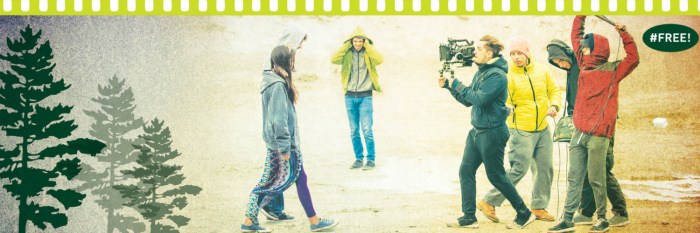
SHORT TO THE POINT (STTP) is an international network of distribution, broadcast and promotion of short films. Since 2009, SHORT TO THE POINT has gone through several steps and right now it has gathered some awesome projects under its umbrella.

Contact

 
Matthew Toffolo: What is your Film Festival succeeding at doing for filmmakers?

Alecs Nastoiu: The most important thing I guess is that we screen films every month. The classic annual festivals usually screen few shorts, one time per year. And the next important thing is that we screen short films in unconventional spaces like pubs, bars, museums, theatres or terraces. We try to bring short films to the audience, not the audience to cinemas. And another good thing is that we screen short films simultaneous in over 30 cities from Romania and Moldova. And very soon we will start doing this all over the world.

2) What would you expect to experience if you attend the festival this year (2018)?

We are a monthly festival, with monthly awards and screenings. But we have an annual event as well. Each year we change the host city. This year we will organize the annual edition of the festival in Bacau, Romania at the end of July. We are screening all winner films of the monthly awards editions from past year. So we offer the opportunity to the filmmakers to discover new cities each year and to meet with filmmakers from all over the world. Every time we have new audience, and new locations. So I think the experience of Short to the Point Film Festival is continuous and you will never get enough of it.

3) What are the qualifications for the selected films?

We accept any kind of short films in our festival. We have a lot of categories. And each category has it’s own selections and winners. So the qualifications are different from category to category. But our jury is looking for good stories and good filmmaking all the way.

4) Do you think that some films really don’t get a fair shake from film festivals? And if so, why?

There are a lot of film festivals in the world so I think each film has its opportunity to make it to the big screen. It’s all about filmmakers. They have to know where to submit their films.

5) What motivates you and your team to do this festival?

First of all we are filmmakers. So we like films. And Short to the Point offer us the opportunity to meet people from industry, to find good ideas that maybe will inspire us in the future and of course to understand what is the trend in cinematography at the moment.

6) How has your FilmFreeway submission process been?

In my opinion FilmFreeway is the best thing in film festival industry that has happened in last 3 years. It’s the best film submission platform on the market. It’s easy to use and it has a lot of options that makes our job as a festival much more easier.

7) Where do you see the festival by 2023?

In 2023 Short to the Point will have screenings in unconventional spaces all over the world.

8) What film have you seen the most times in your life?

Because I edit my first feature length movie (Billion Star Hotel) for over 6 months, I can say that I saw it the most times. But If we speak about other directors, I can say that I saw over 30 times ‘The man who wasn’t there’, directed by Coen brothers.

9) In one sentence, what makes a great film?

A great film is a product that combines perfectly all ingredients: script, directing, cinematography, editing, acting etc

10) How is the film scene in your city?

I was born in Bucharest but for 6 years I live in a small city from Transylvania called Targu Mures. Here I started with some friends the first film production company in the history of the city. And I made 2 feature films. First of them Billion Star Hotel has 19 awards at festivals around the world and the second one is in post production. Short to the point is screening short films here every month, so I can say that the film scene is animated for the moment by my team.


short to the point 1.jpg

____

Interviewer Matthew Toffolo is currently the CEO of the WILDsound FEEDBACK Film & Writing Festival. The festival that showcases 20-50 screenplay and story readings performed by professional actors every single month. And the FEEDBACK Monthly Festival held in downtown Toronto, and Los Angeles at least 3 times a month. Go to http://www.wildsoundfestival.com for more information and to submit your work to the festival.
Interview with Festival Director Daniel Wesseik (Pannen op Het Dak)

Pannen op het Dak is Breda’s first and real roof-top festival and it will take place between 22nd of June – 1st of July. Come enjoy the various culinary options, cultural programs and of course a summary view of the entire Breda city. The festival is free and is for both the young and the older.

ontact
  • Email
  • Concordia-garage (dek 8), Concordiastraat 13
    Breda, Noord Brabant
    Netherlands
  • Website
  • Facebook
  • Instagram
  • Matthew Toffolo: What is your Film Festival succeeding at doing for filmmakers?

    Daniel Wesseik: Pannen op het Dak is a festival for culture and culinary and attract various audiences. Thus, the filmmakers’ work is shared with audience that don’t often get exposed to independent animation filmmaking. I think that this is special.

    2) What would you expect to experience if you attend the festival this year (2018)?

    Pannen op het Dak is a rooftop festival, and visitors can expect an ideal experience of good food, beer and animation. Can it get better that that?
    The audience will be able to enjoy our two screening programs –
    1. Afternoon program with films created by young talents from Belgium and NL, that gives a beautiful overview of the films that were created here lately.
    2. An evening main program with films that are made by professionals and that are currently on their festival route, swiping awards.

    3) What are the qualifications for the selected films?

    For the young talent – Must be Belgian or Dutch.

    For the professional films – Outstanding artistic voice.

    4) Do you think that some films really don’t get a fair shake from film festivals? And if so, why?

    Asian and arabic films. They are so different from European standards, but there is obviously a simmering creative community in many of these countries.

    5) What motivates you and your team to do this festival?

    Love for animation and a will to expose more audience to the medium.

    6) How has your FilmFreeway submission process been?

    Easy and convenient.

    7) Where do you see the festival by 2023?

    By 2023 I hope to have 6 years of successful programs, at some point with a competition as well.

    8) What film have you seen the most times in your life?

    Animated feature film – Nausicaa of the Valley of the Wind
    Animated short film – Choir Tour

    9) In one sentence, what makes a great film?

    Three P’s: Practice, Planning and passion.

    10) How is the film scene in your city?

    The city hosts the great Playgrounds Festival that focuses on various disciplines, but Pannen op het Dak is the only festival that aims to focus on animation exclusively.
     

    pannen 1.jpg

    ____

    Interviewer Matthew Toffolo is currently the CEO of the WILDsound FEEDBACK Film & Writing Festival. The festival that showcases 20-50 screenplay and story readings performed by professional actors every single month. And the FEEDBACK Monthly Festival held in downtown Toronto, and Los Angeles at least 3 times a month. Go to http://www.wildsoundfestival.com for more information and to submit your work to the festival.

Interview with Festival Director Eric Morgret (Crypticon Seattle Horror Film Festival))

In 2017 Crypticon Seattle was picked as the Best Convention in Seattle by the readers of The Seattle Weekly. Crypticon Seattle, the convention is in its 11th year and Crypticon Seattle Film Festival is in its 7th year. Crypticon Seattle is the convention celebrating the Pacific Northwest’s Darker Side. Three days of your favorite actors, authors, and artists, along with tons of new people and things you never knew existed. But we are so much more than a tidal wave of blood, guts, and scares.

Contact

 
Matthew Toffolo: What is your Film Festival succeeding at doing for filmmakers?

Eric Morgret: We provide a fun event with an amazing convention around it. It is a little different than most festivals. We are in a hotel and don’t have a full theater set-up. We do however love the films and are always adding things every year to make the event better for filmmakers. Adding, meet and greets and special events. We have a couple of big things being added this year that have not been announced yet.

Crypticon has stars in attendance some filmmaker have deals made at the convention. With shorts and features we show a year later, it’s been fun to watch.

2) What would you expect to experience if you attend the festival this year (2018)?

We are adding a few new elements that will enhance the experience substantially. Most are filmmakers only so I can’t announce them here. We are working hard to make the film room feel more like a theater and have some changes that should help that.

You will have your film shown with a post-screening Q&A; we have convention parties going over the weekend, with a huge vendors room, panels to attend, classes, contests, and huge events. We will have filmmaking training classes and more.

3) What are the qualifications for the selected films?

We are looking for the story and something a little different. We like quality filmmaking chops, but we do love to show low-budget shorts and some have low-value production values.

First and foremost is the story and something interesting to show.

4) Do you think that some films really don’t get a fair shake from film festivals? And if so, why?

Sure that does happen. I am sure we have been guilty of this as well, but we try very hard not to be. We view all submissions; this does not always happen at every festival. In the end, festivals are run by people, we do mistakes, and we have huge differences of opinion. What one festival thinks is the most brilliant thing they have other seen another festival with thinking it’s terrible and would never show it. This can feel like your not being treated fairly; I don’t think it’s done intentionally. Since I also am a filmmaker and work hard to get my films shown, I know how this can feel. In the end, it is still people running the event, and they aren’t ever perfect.

5) What motivates you and your team to do this festival?

We love horror movies! We love to represent the films and shorts you may not see otherwise. The world is stuffed with ways to watch movies, festivals like Crypticon Seattle and BoneBat Film Festival are here to help you dig through the noise.

6) How has your FilmFreeway submission process been?

It’s a great service! I think we were the 4th festival to sign up for them a few years back and since day one they have been responsive and helpful with any questions we have had. They also work hard to improve the service and are always adding useful services and tools.

7) Where do you see the festival by 2023?

More fun, more expansive, crazier, and all around full of awesome filmmakers and film fans!

8) What film have you seen the most times in your life?

One? Hmmm, how about a few. Horror is my favorite genre but I love all films. The movie that changed the way I watch movies was Amadeus. No idea how many times I’ve seen that movie. A few heavy hitters in horror that I’ve watched a ton: Carpenter’s The Thing, Hellraiser, Re-animiter, Hammer’s Dracula. Recent films: Blade Runner 2049, It Follows, The Autopsy of Jane Doe, and so many more…

9) In one sentence, what makes a great film?

Tell a good story, and tell it in your original creative voice.

10) How is the film scene in your city?

Growing! I started my first festival almost ten years ago, and the local submissions were few and far between. In 2017 we had enough quality NW shorts to have a Northwest Filmmakers showcase. It lasted an hour. This year we have 2 hours of shorts and two features for our NW Filmmakers Showcase. It’s exciting to see what is going on around here from Seattle to Portland to Boise our NW filmmakers are stepping up and making great movies!

 cryption1.jpg

_____

Interviewer Matthew Toffolo is currently the CEO of the WILDsound FEEDBACK Film & Writing Festival. The festival that showcases 20-50 screenplay and story readings performed by professional actors every single month. And the FEEDBACK Monthly Festival held in downtown Toronto, and Los Angeles at least 3 times a month. Go to http://www.wildsoundfestival.com for more information and to submit your work to the festival.