
Actor ROB NOTMAN will be performed at the writing festival on April 3 2016.
See the highlights of the April 3rd festival
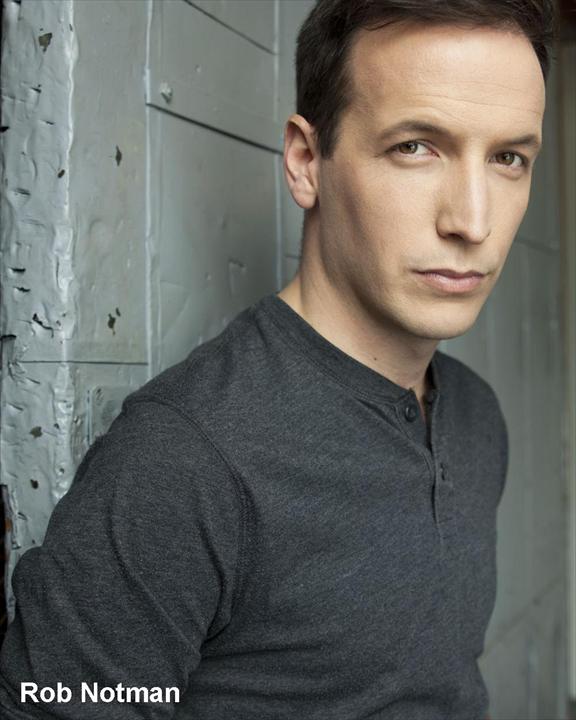 ROB NOTMAN
Height: 5’10
Hair: Dark Brown
Eyes: Hazel
Watch screenplay readings the actor has performed in:
 |  |
 |  |
 |  |
 |  |
 |  |
 |  |
 |  |
 |  |
 |  |
 |  |
 |  |
 |
Actor ROB NOTMAN will be performed at the writing festival on April 3 2016.
See the highlights of the April 3rd festival
ROB NOTMAN
Height: 5’10
Hair: Dark Brown
Eyes: Hazel
Watch screenplay readings the actor has performed in:
| |
| |
| |
| |
| |
| |
| |
| |
| |
| |
| |
|
Actor ERYNN BROOK will be performed at the writing festival on April 3 2016.
See the highlights of the April 3rd festival
 ERYNN BROOK
Height: 5’7
Hair: Brown
Eyes: Blue
Read screenplay readings the actor has performed in:
|  |
|  |
 |  |
|  |
| |
| |
 |  |
 |  |
 |  |
 |  |
 |  |
 |  |
Actor CHRISTINA SANTOS will be performed at the writing festival on April 3 2016.
See the highlights of the April 3rd festival
 CHRISTINA SANTOS
Height: 5’2
Hair: Brown
Eyes: Brown
Watch Screenplays the actor has performed in:
 |  |
 |  |
 |  |
 |  |
Deadlines to Submit your Screenplay, Novel, Story, or Poem to the festival:http://www.wildsound.ca
 HARDCORE HENRY (USA/Russia 2016) **
Directed by Ilya Naishuller
Starring: Sharlto Copley, Tim Roth, Haley Bennett
Review by Gilbert Seah
Ilya Naishuller’s HARDCORE HENRY, produced by Timur Bekmambetov, best known as the director of the Russian action sci-fi big production NIGHT WATCH trilogy moves along with the same pace as Timur’s films, and like them, boredom sets in pretty fast. In HARDCORE HENRY, the novelty of the gimmick film begins to wane after 15 minutes or so.
But still credit should be given to wunderkind music video wiz director Ilya Naishuller for his ingenuity and hard work in keeping his film consistent. And it is difficult work, undoubtedly.
HARDCORE HENRY is shot form the point of view of the protagonist, Hardcore Henry a half man half machine, resurrected from the dead by his British wife (Haley Bennett) for whatever reason that is never made clear, just as it is not made clear why the spouse is a Brit.
The camera acts as if placed in his eyes and as Henry moves around fighting punks, a dozen a minute, as the audience gets to see the beaten up victims, thrown around. The audience also gets to see Henry’s legs and arms and what the man would see. If Henry scales a wall, the audience has Henry’s point of view doing it. Unfortunately, because of the mishap of the past, Henry is unable to speak at the start. Also, Henry is at odds as what is gong on, and why everyone is trying to kill him, led athirst by a guy called Akan (Danila Kozlovsky). Also, a weird guy called Jimmy (Shalto Copley) keeps appearing at odd times, trying to help, or is he?
HARDCORE HENRY does have a good start though. The audience experiences Henry as his arms and legs are screwed on to him, just as he is voice activated by his wife. Suddenly the lab or hospital as the case may be is stormed by Akan. Henry and his wife are propelled out in some space module from a spaceship of some sort. It all works so amazingly, but only till then. It is 15 minutes into the movie.
One big problem of the film is the audience kept in the dark just as much as Henry is. Naishuller make no qualms that action in his film with his camera techniques are his priorities. It is therefore frustrating right up to the very end of the film where nothing is yet explained. Naishuller teases the audience too much, especially with the Jimmy character.
HARDCORE HENRY surprisingly won the Toronto International Film Festival Midnight Madness Public Award for Best Film. Obviously, Naishuller’s film caters to a different crowd than to me, as well as I would think to most critics. The film feels like a video game and it would be assumed more suitable for audiences favouring that vocation.
There must have been a reason films have never been made before from the protagonist’s point of view as in HARDCORE HENRY. A close cousin to this film would be the found footage films with shaky camera that can also be terribly annoying films to watch. The latter has taken a form of success in low budget horror films and this tactic may take off in low budget action film.
The recent MIDNIGHT SPECIAL can be described as a no-nonsense yarn while HARDCORE HENRY as a total nonsense yarn
Also, Free logline submissions. The Writing Festival network averages over 95,000 unique visitors a day.
Great way to get your story out: http://www.wildsound.ca/logline.html
Deadlines to Submit your Screenplay, Novel, Story, or Poem to the festival:http://www.wildsound.ca
Watch recent Writing Festival Videos. At least 15 winning videos a month:http://www.wildsoundfestival.com
Paul Engelen is is 2 time Emmy winner, and 2 time Oscar nominated Makeup artist. He has worked on some of the greatest/most successful films and TV shows in the last 40 years, including: Game of Thrones (2 Emmy wins), Mary Shelley’s Frankenstein (Oscar nomination), The Legend of Tarzan (Oscar nomination), Star Wars: The Phantom Menace (dir. George Lucas), Gladiator (dir. Ridley Scott), Munich (dir. Steven Spielberg), Batman (dir. Tim Burton) and Reds (dir. Warren Beatty).
Many have stated that his makeup design for Nicole Kidman on “The Hours” is the key reason for her Oscar Win for Best Actress (see pic below). The same can be said for his work on Renée Zellweger for her Oscar Win on “Cold Mountain”. How those films received zero Oscar nominations for Makeup is still a mystery.
It was an honor to chat with Paul Engelen and talk about his art:
Matthew Toffolo:…
View original post 745 more words
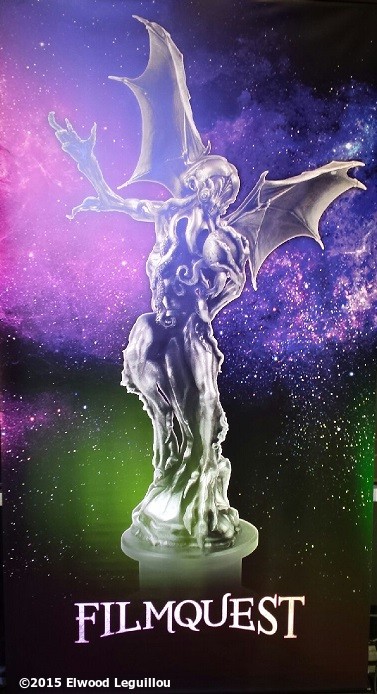
One of MovieMaker Magazine’s 50 Film Festivals Worth the Entry Fee, FIlmQuest celebrates the majesty of genre filmmaking in the realms of fantasy, horror, sci-fi, and the beyond. Awarding filmmakers in 2015 with over $30,000 in awards and prizes, including the coveted Cthulhu Trophy, the festival continued to become a hotbed of the very best in genre filmmaking in the world, showcasing incredible talent, creating new friendships and collaborations, and proving to be a must-stop destination for filmmakers.
Founded in 2014, FilmQuest has been designed specifically to cater to the empowerment of the filmmaker through various events, awards, swag, connections, and more. In creating the festival, we thought long and hard about what it is that makes a festival great. We asked ourselves the tough questions. What we’ve come up with is, we believe, a festival experience that is the kind most filmmakers dream about.
 Interview with Jonathan Martin:
Matthew Toffolo: What is FilmQuest succeeding at doing for filmmakers?
Jonathan Martin: I think for those that know FilmQuest, they know about our FilmQuest Cthulhu Trophy. It’s a glorious award, that has grown in prestige in a short time. But that’s the idea. We wanted to create an award that IS prestigious, because we want filmmakers to feel proud about their achievement in winning one (or being nominated), and to really make an award that matters. So we’d say that in a very short amount of time, we’ve been able to successfully create a festival that means something to a filmmaker when they put that laurel of “Official Selection” on their poster, banner, or trailer, and that if they are fortunate enough to win a Cthulhu, to have an award that will remind them of the significance of their work and achievement for years to come.
We’re providing filmmakers a quality event as well, which we detail quite a bit in the next question. But the quality goes beyond parties, panels, etc. It goes to the quality of our selections. One thing we’ve gotten quite a lot of praise for in our first two years is the overall quality of the Official Selections. But that’s not for us to be proud of, it’s the filmmakers. Because they can know that they’re in the company of other quality, talented filmmakers that they can have no hesitations in wanting to collaborate with. It harbors a community of growth, excellence, and also, I personally believe, advances filmmaking in general.
In 2015, we were one of MovieMaker Magazine’s “Top 50 Film Festival Worth the Entry Fee.” It’s a testament to what we’re trying to do as a festival, and our filmmakers. We don’t take the endorsement lightly, and when MovieMaker’s writer Greg Hamilton came, he said “In the short weekend that I visited FilmQuest, I received a good taste of what they had to offer. The variety, creativity, and production quality of the films impressed beyond my expectations and helped banish the notion that genre events are somehow less serious than traditional film festivals.”
And I feel Greg really hits on something there with the idea that genre events can somehow be less serious than a traditional festival. That’s what we’re really succeeding at here. By showcasing the best of the best, and doing so at a great venue that allows it be seen in its prime, and by taking these films seriously in our presentation and respect, we’re proving that genre films are serious, that they are high-art, and that the people behind them are just as important to watch as anyone else you’d see at any of the major festivals. We’re bringing prestige to the proceedings, and that’s what I feel we’re achieving and bringing to our filmmakers so far.
MT: What would you expect to experience if you attend the festival this year (2016)?
JM: Without doubt, your’e going to see (often times a premiere) some of the very best independent genre films in the world today. You’re truly going to find several films that you love, and make lasting friendships with the filmmakers and audiences that see the films with you (or that see your film!). All will be witnessed in a state-of-the-art, stadium seating theater that is Utah’s #1 cinema, both in size and audience attendance.
Next, you’re going to get the press. We have red carpet interviews, press interviews, and more. You’re going to get the celebrity guests from our grand jury. And we don’t separate you. We have an open environment. So you’re not only connecting with fellow filmmakers, but the press, celebs, and more. We often talk about the FilmQuest family, and that’s exactly what you’re going to find at FilmQuest. It’s a GIANT, ever expanding round table, and everyone has a seat open to them.
You’re going to get workshops and panels, that FilmQuest filmmakers are also invited to actively participate in. Two or our workshops already planned are a film analysis and breakdown of Hitchcock’s Psycho, done by UVU film Professor Alex Nibley. The second will be an interactive event/workshop that is a live cast reading of William Shakespeare’s Star Wars.
Then you got the events and parties. We’re planning no less than 4 big parties and events, including the big opening and closing night parties, the FilmQuest Cthulhu Awards show (already perhaps one of the most coveted awards amongst genre festivals), and our still secret 30th Anniversary screening of a beloved 80’s genre classic with appropriately themed party and red carpet. We’re also planning on showcasing a rock opera, dancing, and more.
Ultimately, FilmQuest is a celebration of the filmmakers, their films, our audiences, and everything in between. So we encourage everyone to come not just for a day or two, but for the entire festival!
MT: What are the qualifications for the selected films?
JM: Our qualifications are fairly simple. First, and foremost, the project needs to be a genre film. Unlike other genre festivals, we don’t believe in the strictness of the term. We believe in the spirit of genre cinema. It’s not just a subject matter, but a mood and a feeling.
Second, and it’s the rule all festivals should more or less follow, the film’s got to be good. Yes, everything is subjective, but good filmmaking has many common grounds: Good storytelling, good cinematography, good pace and editing, good sound, etc. You start lacking in any one of these categories, and your odds of getting into the festival start to diminish.
Third, and incredibly important, we have to ask if our audiences are going to enjoy the film. While we may find something weird and wonderful and ultimately program it, we also have to ask if it will go beyond what are audiences will enjoy. So we have to balance out and judge whether or not a filmmaker’s film will appeal to an audience and sell tickets to FilmQuest.
MT: Do you think that some films really don’t get a fair shake from film festivals? And if so, why?
JM: I would agree with this idea. While not every film is for FilmQuest, the same as not every film is for Sundance, Tribeca, etc., there is still a festival out there for every film. At least that’s the general idea, for make no mistake, there are definitely films and screenplays that are submitted that go beyond anyone’s ability to program them due to an overall poor product.
But I do think filmmakers need to be realistic about their films. If you make a genre piece, don’t submit to all the big, major festivals that don’t really highlight genre films and then act surprised when you don’t get accepted. Festivals have their themes, their goals, and their objectives. So be aware of that and do your research. If you also have a piece that you feel is adequate, that you know deep inside maybe isn’t on the same level as other films you’ve seen, it’s about being honest and submitting your project to festivals you feel may provide you a spotlight.
However, there are definitely films and filmmakers get hosed by festivals that aren’t clear about their objectives, are sporadic in their tastes, and more so. There’s some pretty major tests that do this, even in the genre or niche festivals. It’s almost as if they emphasize weird and offbeat, rather than skilled and talented. And I think that can be extremely frustrating.
With us at FilmQuest, if we see the talent, if we see the skill, and if we see a great project, we want it. While we may not be able to take everything we want, we put quality above all else, and through that, we feel we reward our audiences and filmmakers more than many other festivals as a result.
MT: What motivates you and your team to do this festival?
JM: To conquer our enemies, to see them driven before us, and to hear the lamentations of the women….
I know you wish that’s what it really was! But no, really, the number one thing is to create a festival of prestige that truly does serve as a landmark stepping-stone for the careers of our filmmakers. To create a home and family for them and us, wherein we can pool from each other and create lasting relationships. Festivals at the end of the day need to benefit a filmmaker’s future, and that’s our top priority.
But we do this through creating an atmosphere and environment that is conducive to that. And that takes our team a lot of hard work and talent, that is always done out of respect for our filmmakers, their films, and our audiences. So we showcase the films in a state-of-the-art theatre that the films deserve, and provide opportunities for our filmmakers through workshops, panels, and events. Finally, we bring them all together with our audiences, creating the FilmQuest Family that we hope lives on beyond the festival, and grows with each year.
MT: How has the festival changed since its inception?
JM: The biggest change really is how quickly we’ve grown. We show more films than other festival in the state, including Sundance, and we last 9+ days. So we’ve really taken on the challenge of making a serious genre fest in Utah.
However, we’ve also trimmed here or there, as we’ll be cutting our commercials and web series programming after this season. We’ve cut ties with some past partners while bringing in new ones. In our first year, we hosted half our festival at a convention center in conjunction with a partner, and we definitely won’t be doing that again.
Really, the themes and identity of FilmQuest haven’t changed much at all as we feel we created a good thing upon FilmQuest’s inception. However, make no mistake, we’re definitely looking for ways to improve, trim the fat, bring in new partners and distribution opportunities for our filmmakers, create a better event for our audiences, and more. We’re always thinking bigger and better, and so we don’t ever want to be caught resting on our laurels.
MT: Where do you see the festival by 2020?
JM: To be blunt, it is our open goal to be one of the 4 major fantastic film festivals in the world, in the same breath and conversation as Sitges, Fantastic Fest, and Fantasia. We want to be a major player, and anticipate being so.
We fully anticipate and believe we’ll have discovered, premiered, and launched the films and careers of future superstars, actors, and open the doors for films we screen to find mass appeal. In fact, after just two seasons, we’ve had several of our films that we either premiered or screened get a distribution deal, POV release, or even a theatrical deal since they played at FilmQuest, and those numbers are only going to increase.
In 2015, we were named as one of MovieMaker Magazine’s “Top 50 Film Festivals Worth the Entry Fee”, and that’s unheard of for a genre festival entering only it’s second season at the time. So we work hard to back up what we say we want to do and follow-through with that.
We definitely, absolutely, 100% take the festival game seriously and want our filmmakers to know that FilmQuest takes them seriously, and we are fully committed to being a launching pad for your career that adds prestige to you and your film’s name.
MT: What film have you seen the most times in your life?
JM: It’s tough to say which of these two films I’ve seen the most, but without doubt, it’s either Big Trouble in Little China or Ghostbusters. Little China was my sick movie growing up, and I’d literally watch it 3 times a day, any day I got sick. I really can’t fathom how many times I’ve seen each. At least 50 times apiece. Easy. And yes, I do think the remake/reboot of Ghostbusters looks like a big, awful cartoon… but shamefully, I’ll still see it and reserve final judgement until I do so.
MT: In one sentence, what makes a great film?
JM: A singular, collective voice and style that is unmistakable, yet endlessly undefinable.
MT: How is the film scene in your city?
JM: When I think of film here in Utah, I don’t think of any one city, but Utah as a whole. Utah has one of the better incentive funds in the country, and as such, actually is one of the top 10 filmmaking states in the country. There’s a whole lot of talent, young talent especially, that I believe will be doing bigger things in the future. You’ve got BYU, UVU, and the U of U and their programs, you’ve got brand new, state-of-the-art film studios in Park City, and what is now known as the next Silicon Valley, the Silicon Slopes, in Utah Valley. So tech is booming here, and the film scene is growing.
Utah actually has its own awards, the Utah Film Awards (an IMDB awards listed event), that not many states can boast. We’ve got Sundance and Slamdance, our own FilmQuest in the summer, and more. Honestly, Utah is one of the great hotbeds for film, with unmatched locals and vistas for filming, a right to work state, and more. There’s also no less than 3 tv series and 4 feature films being filmed in Utah as we do this interview. So you can say I’m bullish on our state as a filmmaking hub.
So with that, I’d love to invite everyone to come out to FilmQuest June 17-25th. Come tour some of the facilities out here, scout for your next film, meet local and out-of-state filmmakers, and make a connection that will influence and inspire you for your filmmaking careers!
****
Jonathan Martin BIO: A professional film producer and director, Jonathan graduated with a B.S. in Business Entreprenuership from Utah Valley University. He is best known for creating and directing the most awarded horror short film of all-time, An Evening with My Comatose Mother, winning 76 festival and industry awards in the process. Since
2011, his production company, Bohemian Industries, has won over 100 festival and industry awards.
_____
Interviewer Matthew Toffolo is currently the CEO of the WILDsound FEEDBACK Film & Writing Festival. The festival that showcases 10-20 screenplay and story readings performed by professional actors every month. And the FEEDBACK Monthly Festival held in downtown Toronto on the last Thursday of every single month. Go to www.wildsound.ca for more information and to submit your work to the festival.
The Red Dirt International Film Festival is where film goes to have fun. We love movies and a good time. We are pleased to showcase films of many genres. The name of the fest is so-called because of central Oklahoma’s uniquely colored red earth.
During its 2-day run March 3-4, 2017, we will feature many films, from full-length movies and documentaries, and short films from filmmakers both local and worldwide. In the past we have featured films from all seven continents, including Antarctica! Red Dirt was formed to bring more inspiration, culture, and entertainment to central Oklahoma, as well as to enliven people of all ages through the united power of the film medium.
Interview with Damon Blalack:
Matthew Toffolo: What is your Film Festival succeeding at doing for filmmakers?
Damon Blalack: Allowing them a platform for promoting their work, and putting them into great networking situations.
MT: What would you expect to experience if you attend the festival next year (2017)?
DB: A lot of heart, friendliness, and GREAT films and panels!
MT: What are the qualifications for the selected films?
DB: Something unique, something inspirational on some-level, and well-crafted.
MT: Do you think that some films really don’t get a fair shake from film festivals? And if so, why?
DB: Right. It’s a lot of responsibility for the filmmakers to get their audience together for their film, and for those who don’t do enough promotion, there are always the few gems that win awards despite not-having had an audience.
MT: What motivates you and your team to do this festival?
DB: Helping give back to the film community and film industry by partnering like minds and highlighting the best work!
MT: How has the festival changed since its inception?
DB: Our palette of films has diversified and grown; we’ve grown by leaps in bounds in only three years’ time, receiving much community and statewide support!
MT: Where do you see the festival by 2020?
DB: As a must-attend contender in the region!
MT: What film have you seen the most times in your life?
DB: Bram Stoker’s Dracula (1992) – Damon
The Cutting Edge (1992) – Marisa
MT: In one sentence, what makes a great film?
DB: Something inspirational to say; well-crafted, and offering a unique voice.
MT: How is the film scene in your city?
DB: Very, very dry and almost otherwise non-existent aside from the festival.
****
Damon Blalack (Co-Founder and Executive Director) – Red Dirt founder and Executive Director Damon Blalack is also a filmmaker and current Ph.D. student at Queen’s University, Belfast Ireland. His current focus is on the “fan-edit” film phenomenon, and how it affects the fidelity of adaptive works.
He’s working to crowd-fund a movie-sequel to the 1992 Coppola-directed film, Bram Stoker’s Dracula, which is his favourite film, and which is based on his favourite novel, Dracula.
Alongside that film, his lifelong inspiration to become a filmmaker was borne out of the Star Wars saga, of which he has taught courses as a college professor on the mythology of the Star Wars movies and Clone Wars television show. His particular interest is in the prequel films, and Clone Wars series, and part of his current work includes a re-assembly of all 133 episodes of the Clone Wars into a three-film trilogy distillation.
As early as two years old Damon knew he wanted to be a filmmaker, and would project shadows of his action figures onto the walls with lamps. His absolute favourite films include the aforementioned Bram Stoker’s Dracula (1992) and the Star Wars films (1977-2015), the Universal Classic Monsters films of the 30s and 40s, the Narnia films, and EVERYTHING made by Jodorowsky [El Topo (1970) and Holy Mountain (1973) changed his life!], Kubrick, Melies, Herzog, and Maddin (his favourite filmmakers).
He’s looking-forward to year four of Red Dirt, and very happy to see it growing into such a wonderful staple of the Stillwater and OSU community!
_____
Interviewer Matthew Toffolo is currently the CEO of the WILDsound FEEDBACK Film & Writing Festival. The festival that showcases 10-20 screenplay and story readings performed by professional actors every month. And the FEEDBACK Monthly Festival held in downtown Toronto on the last Thursday of every single month. Go to www.wildsound.ca for more information and to submit your work to the festival.
Asians on Film is an 501 (C)3 non-profit devoted to arts & entertainment with a primary focus in providing recognition to the talent of Asian/Pacific Islanders who are minorities in the film industry either as actors, actresses, writers, directors, producers, editors and/or those who work in other aspects of filmmaking. They also provide screenings throughout the year with the best films from our festival including a special year-end “best of” screening at Mann’s Chinese Theater in Hollywood.
Interview with Scott Eriksson:
Matthew Toffololo: What is your Film Festival succeeding at doing for filmmakers?
Scott Eriksson: Our festival was created specifically to change how festivals are done. We are open for submissions all year and our fees are very low, $10, all year long so we can encourage as many submissions as possible. We want to find the best films and making submissions inexpensive is they best way to achieve that in a fair way (we grant no waivers). We try to eliminate politics and favors as much as possible, for instance, selected judges are told to keep that information confidential. In this way they experience no pressure and can rate films fairly. Also, as the programmer I am not a judge and my films are not eligible for submission.
We also have on-line quarterly awards, Winter, Spring, Summer and Fall. Films received during each quarter are eligible for recognition by the judges. They submit their suggestions for awards in 18 categories and winners received on-line recognition for that quarter. The winners in each category in each quarter become the nominees for the year end festival award. This way we are able to recognize great films as they are submitted to give them exposure and support even before our festival.
MT: What would you expect to experience if you attend the festival this year (2016)?
SE: For the festival itself we post online information and links about filmmakers, actors and films and provide the opportunity for others in the film industry to be included by showing their support with a minimum $10 donation (we are a 502(c)3 non-profit). Also, my staff and I spend most of our time meeting, greeting and introducing filmmakers and actors to each other to create connections, a sense of community and an festival experience that is more than just a screening. Further, we do camera interviews, and film our Q&A’s and our awards ceremony for filmmakers to use for promotion of their film and their talent after the festival. Finally, we select a “Best of Fest” list of films that we screen throughout the year at other venues we choose or through partnerships with other festivals. For instance, HollyShorts does a screening of “Best of Fest” films at Mann’s Chinese Theater each year. Programmers Daniel Sol and Theo Dumont have been one of our biggest supporters from day one.
MT: What are the qualifications for the selected films?
SE: Simple. The films with the highest average scores from the judges get select from highest to lowest average until the festival screenings are full.
MT: Do you think that some films really don’t get a fair shake from film festivals? And if so, why?
SE: Absolutely. Like the film business itself, connections, politics, and exposure have a bigger influence than talent or quality. I set up our festival to be as neutral as possible. That said, as I tell all filmmakers, programmers can run their festival however they want. It’s their festival. Know the festivals you are submitting to so you spend money on those that are more likely to screen your film.
MT: What motivates you and your team to do this festival?
SE: We want to change the whole dynamics of a festival in the era of social media and, since many short films are by new talent, find some of the best new talent both in front of and behind the camera.
MT: How has the festival changed since its inception?
SE: Our festival has not change much in four years except that we continue to improve what we do and find additional ways to highlight filmmakers and talent and increase the additional “best of Fest” screening venues throughout the year.
MT: Where do you see the festival by 2020?
SE: Our goal is to have a reputation for finding the best new films, gain strong support beyond just the Asian American community, provide exposure and opportunities via connections and promotion, and change Hollywood’s perspective of Asian Americans in the film industry so they can be hired for their talent and not their looks and/or ethnicity only.
MT: What film have you seen the most times in your life?
SE: Agustin Villarong’s IN A GLASS CAGE (Tras el cristal) from 1986. A controversial, dark, thriller with a brilliant premise and an amazing performance by actress Marisa Paredes. The music, cinematography and directing capture the very horror and darkness of the script.
MT: In one sentence, what makes a great film?
SE: A great film is all about a great script because without that you can only add fluff and distractions such as special effects and action sequences.
MT: How is the film scene in your city?
SE: We are based in LA, it’s the heart of the film industry!
_____
Interviewer Matthew Toffolo is currently the CEO of the WILDsound FEEDBACK Film & Writing Festival. The festival that showcases 10-20 screenplay and story readings performed by professional actors every month. And the FEEDBACK Monthly Festival held in downtown Toronto on the last Thursday of every single month. Go to www.wildsound.ca for more information and to submit your work to the festival.
Brainwash is the original drive-in movie festival! Since 1995 they’ve delighted audiences with a selection of the bizarre, the unique, and just plain old well-made movies from independent producers all over the world. With an eye toward the abstract, the innovative and the weird, with a name like Brainwash (originally the Cacophony Short Film Video Drive-In Movies Festival), they attract entries they curate to be able to display some of the most cutting edge cinema from up and and coming directors, actors, producers and crews consistently year after year.
Interview with Dave Krzysik:
Matthew Toffolo: What is your Film Festival succeeding at doing for filmmakers?
Dave Krzysik: We have been working at getting wider exposure through European and domestic (US) cable TV.
MT: What would you expect to experience if you attend the festival this year (2016)?
DK: Some really great and just plain weird movies. People are always out there making them, and we get our share to screen.
MT: What are the qualifications for the selected films?
DK: We have to explain this to producers sometime, and all we could ever think of was one word: “Brainwashy”. I hope that helps!
MT: Do you think that some films really don’t get a fair shake from film festivals? And if so, why?
DK: I really have to say I think it’s fairer to approach this concept from the opposite, that a lot of movies would never get a fair shake outside of film festivals, considering the consistent state of the film industry’s concentration at the top.
MT: What motivates you and your team to do this festival?
DK: I must have been born for the movies, because after 22 years doing Brainwash, it’s still fun! The other people who work on the festival are all cinephiles of a certain type, that is, they appreciate the uncommon and the off-beat, the type of movies attracted to festivals in general and those with that extra edge that come to Brainwash.
MT: How has the festival changed since its inception?
DK: Technology! When we started in 1995, we screened an equal amount of 16mm film and VHS tape (older readers will remember those movie mediums). Then, shifting to digital, DVDs had to be produced by special services and they were expensive. Now, so many movies are produced entirely on IPhones that it has become one of the top rated movie cameras, right up there with Panavision, Arriflex, Bolex, Canon and the rest, and we get mostly digital file downloads.
MT: Where do you see the festival by 2020?
DK: More and more exposure for the producers. We find there’s an industry that’s growing for exposing independent movies for more relevant critical acclaim and more financial benefit for the producers and promoters that I think can continue to do so.
MT: What film have you seen the most times in your life?
DK: Probably The Wizard of Oz, because it was always shown on television, and I liked it a lot, usually during the holidays when I was much younger and out of school and could watch television. But the one I like the best is 2001, A Space Odyssey, by Stanley Kubrick, although I haven’t seen it nearly as many times (yet). The Day The Earth Stood Still is another great I’ve seen a lot, on TV, and, recently, at another outdoor screening.
MT: In one sentence, what makes a great film?
DK: What I call the economy of movement, as with Alfred Hitchcock, Federico Fellini, the afore-mentioned Stanley Kubrick (in 2001), and, one of my favorites, but obscure in the industry, George Kuchar.
MT: How is the film scene in your city?
DK: Always exploding with great movies and festivals in the greater SF Bay Area, a little stunted in Oakland, itself, at the present moment.

_____
Interviewer Matthew Toffolo is currently the CEO of the WILDsound FEEDBACK Film & Writing Festival. The festival that showcases 10-20 screenplay and story readings performed by professional actors every month. And the FEEDBACK Monthly Festival held in downtown Toronto on the last Thursday of every single month. Go to www.wildsound.ca for more information and to submit your work to the festival.
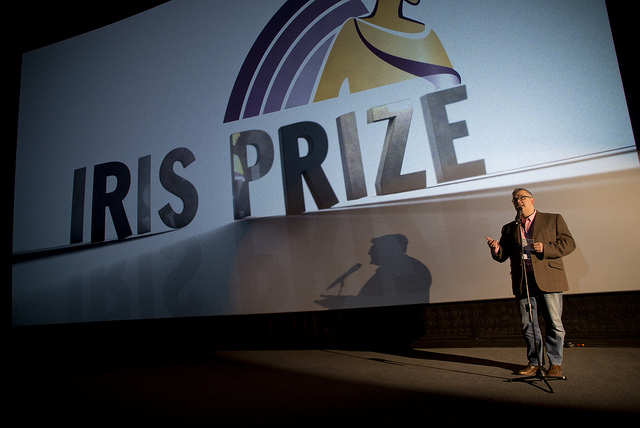
The Iris Prize Festival is a five day public event which includes screenings of the 35 short films competing for the Iris Prize, 15 competing for the Best British Iris Prize, premiere screenings of new feature films, retrospectives, panel sessions, networking opportunities, parties and a glittering awards show. All events are open to the public and take place at Cineworld, Chapter, and Park Inn Hotel in Cardiff.
Past winners, include Dee Rees (US) – 2007, Till Kleinert (Germany) – 2008, Eldar Rapaport (Israel/US) – 2009, Magnus Mork (Norway) – 2010, Daniel Ribeiro (Brazil) – 2011, Grant Scicluna (Australia) – 2012, Tim Marshall (Australia) – 2013, Brendon McDonall (Australia) – 2014 and Arkasha Stevenson (US) – 2015.
 Interview with Berwyn Rowlands:
Matthew Toffolo: Why is Iris special?
Berwyn Rowlands: The Iris Prize – Cardiff’s International LGBT Short Film Prize is supported by The Michael Bishop Foundation and continues to be the only LGBT short film prize in the world which allows the winner to make a new film. Iris is what film makers need – funding, support and guidance. The winner receives £30,000 to make their next short film in the UK. 7 short films have been produced to date in collaboration with the winning filmmakers of the Iris Prize. The 8th short is in pre-production.
MT: How big is the Iris family?
BR: The Iris family is international and brings together a global network of 25 partner film festivals in 19 countries. Film makers, journalists, distributors and members of the public who are interested in film making – gay or straight are members of the Iris family. Actor Simon Russell Beale (Spooks), authors Alan Hollinghurst (The Line of Beauty) Sarah Waters (Tipping the Velvet), and journalist Johann Hari (Independent) have all been members of the prestigious International Jury. 24% of the Iris audience are straight!
The Chair of the Iris Prize is much respected journalist Andrew Pierce. He is supported by five patrons who offer the festival invaluable support: Lord Glendonbrook (Michael Bishop), Matthew Rhys (Actor), Sara Sugarman (Director), Christopher Racster (LA based Producer) and Carol Coombes (Miami based Festival Producer).
MT: What is your Film Festival succeeding at doing for filmmakers?
BR: We try our best to find a new audience for filmmakers work and each year our audience numbers increase. I guess we are also unique in that we invest in film production. Each year at least one short film is funded by the festival through the Iris Prize. The £30,000 cash prize is the world’s largest LGBT short film prize and is supported by the Michael Bishop Foundation. To date we have produced 7 short films with the winning film makers and we are currently in pre-production with the 8th.
MT: What would you expect to experience if you attend the festival this year (2016)?
BR: 2016 is our 10th anniversary so you will experience some reflection looking back but mostly, we will be looking forward. We’ve increased the number of films competing for the two main short film prizes. Five new partner festivals have also joined the family bringing the total number to 25. This network of festivals in 19 countries makes us confident that what you see at Iris is truly the best of the best. Our new motto last year was “Watch Films. Party Nightly. Repeat” I expect more of the same in 2016 with the added bonus of a 5 day long 10th birthday party!
MT: What are the qualifications for the selected films?
BR: We delegate the responsibility for selecting most of the short films at Iris to our 25 partner festivals. Each partner is asked simply to select the best short film from their country or region. We talk about excellence in storytelling, which involves many people across many disciplines. Film is a collaboration! But at the heart is the ability to tell a story and captivate an audience.
MT: Do you think that some films really don’t get a fair shake from film festivals? And if so, why?
BR: I don’t know is the answer! We are quite unique at Iris in that we can appreciate and understand both sides of the debate as we are both film producers and festival organisers. To get the most out of a festival experience, the film maker needs to do quite a lot of research. Just appearing without any prep work at a festival, could end up a costly and worthless exercise. Similarly I think festivals must be honest about what they can offer the film maker. Don’t exaggerate the number of press attending for example. Try and be as generous as you possibly can with visiting film makers – if they leave happy they will be the best ambassadors for your festival.
MT: What motivates you and your team to do this festival?
BR: We basically want more people to see LGBT stories. The festival has been a great way to start the process. However at Iris we have adopted a holistic approach to reaching our audience, working in partnership with broadcasters, digital platforms, traditional exhibitors (dvd’s) as well as the more traditional festival / cinema experience.
MT: How has the festival changed since its inception?
BR: It has changed in a couple of key areas. Firstly, it is bigger. 1500 admissions were recorded in our inaugural year. In 2015, we reached 7000 and fingers crossed we will get closer to 10,000 this year. Secondly digital technology is changing the way we produce films, and is having a huge impact on distribution and exhibition. Sharing films digitally (for selection and exhibition) and screening them at non cinema venues has offered us the chance to reach even more people.
MT: Where do you see the festival by 2020?
BR: 5 years is a long time in this sector. If we continue to be relevant to film makers and our audience we should still be sharing LGBT stories during the annual film festival, and supporting the production of new films via the Iris Prize. I imagine we will also be reaching new audiences in ways we would not have expected, which might not involve the festival! The opportunities are endless and in a way I’m glad I don’t know about the future – but at the same time I’m excited about what we might achieve.
MT: What film have you seen the most times in your life?
BR: Love Actually followed by Jaws.
MT: In one sentence, what makes a great film?
BR: The ability to take you to another place and make you laugh or cry and if you are lucky both!
MT: How is the film scene in your city?
BR: Cardiff is vibrant and busy. The TV sector is impressive with a lot of UK network television produced by the BBC coming from Cardiff e.g. Casualty and Doctor Who! We also have a strong education sector supporting the next generation of directors and producers.
****
Berwyn Rowlands
Berwyn is a Welsh Internationalist who has 30 years’ experience in film and events with a significant track record of turning artistic and strategic vision into reality.
In 2006 he established the Iris Prize – presented annually during the Iris Film Festival in Cardiff, Wales (UK). 7 short films have been produced to date with the Iris Prize. Burger and Followers were selected out of 8200 entries for the 2014 and 2015 Sundance Film Festival.
In 1997 Berwyn was appointed the Chief Executive of Sgrîn Cymru Wales in which capacity he established Ffresh, the Student Moving Image Festival of Wales, the Wales Screen Commission, and the National Screen and Sound Archive of Wales (in partnership with the National Library of Wales).
Berwyn has produced content which has been broadcast on BBC, ITV and S4C including Llety Piod (UK) starring Bill Nighy. Among projects for radio, he produced Wales: Land of Film for BBC Radio 2.
_____
Interviewer Matthew Toffolo is currently the CEO of the WILDsound FEEDBACK Film & Writing Festival. The festival that showcases 10-20 screenplay and story readings performed by professional actors every month. And the FEEDBACK Monthly Festival held in downtown Toronto on the last Thursday of every single month. Go to www.wildsound.ca for more information and to submit your work to the festival.

 Festival Reviews