I spent a bit of time brainstorming tragedy and when I finally settled in on what would be tragic to me, at this time in my life, I thought of loss. Specifically the loss of love, trust, relationships, and family.
2. What genres does your screenplay fall under?
Drama, suspense, and thriller probably make the most sense.
3. Why should this screenplay be made into a movie?
If it was ever lucky enough, it is because it feels so real. This isn’t an uncommon situation to come across in relationships but it does not mean there isn’t a connection or impact upon seeing it happen and unfold.
4. How would you describe this script in two words?
Lost sight.
5. What movie have you seen the most times in your life?
Kiss Kiss Bang Bang
6. How long have you been working on this screenplay?
One day actually.
7. How many stories have you written?
Written? More than I can count. The question for me is how many have I actually finished. That’s easier for me to count on one hand.
8. What motivated you to write this screenplay?
I wanted to challenge myself to write something new and finish it.
9. What obstacles did you face to finish this screenplay?
Making people care about characters in one page while also finding a conclusion that felt satisfying.
10. Apart from writing, what else are you passionate about?
My family, specifically my 4 month year old son.
11. What influenced you to enter the festival? What were your feelings on the initial feedback you received?
I have submitted to WILDsound before and I enjoy the creative process with them. I felt like taking on a new challenge and they provide it for me constantly.
Angelman Rising follows Eric Dunlop, a 17-year-old with Angelman Syndrome, a rare genetic disorder that leaves him non-verbal, physically and mentally challenged. When Eric begins to inexplicably “remember” intergalactic experiences, he becomes the key to unraveling a covert extraterrestrial invasion. Simultaneously, while astronaut Jon Armstrong and his AI companion, CASSI, are returning from their historic orbit of Mars, they narrowly avoid colliding with an alien spacecraft, setting off a chain of events that intertwine Jon’s fate with Eric’s.
CAST LIST:
Narrator: Hannah Ehman
Sheila; Elizabeth Rose Morriss
Grocery Clerk: Shawn Devlin
Get to know the writer:
1. What is your screenplay about?
Logline: Fearing for his life, a severely disabled teenager struggles to share newly implanted alien memories that can save the world from an extraterrestrial invasion.
2. What genres does your screenplay fall under?
Sci-fi / Thriller
3. Why should this screenplay be made into a movie?
There have been very few films made that feature an individual with disabilities as the protagonist. None that I can think of that portray that individual as the “hero” or should I say “superhero”. Angelman Rising is uniquely positioned to expand the traditional superhero genre into a diverse and inclusive space.
4. How would you describe this script in two words?
Disabled Superhero
5. What movie have you seen the most times in your life?
It’s probably a toss-up between The Princess Bride, Big Trouble in Little China and Young Frankenstein – lol.
6. How long have you been working on this screenplay?
I started working on adapting the screenplay from the novel of the same name in February of 2025.
7. How many stories have you written?
I’ve only written features, and this is my third (with at least two or three more rolling around in my brain). The first two I produced and have already been shot – they should both hit streaming platforms this fall. This screenplay will require a much bigger budget, bigger than I can do alone through my production company.
8. What motivated you to write this screenplay?
This particular screenplay is very personal to me. The author of the novel, which the screenplay is adapted from, is my nephew. His son, my great-nephew, was born with Angelman Syndrome and will require special care 24/7 for the rest of his life. The novel was a way to honor his son, the battles he overcomes daily and pivot his disabilities as assets to the world.
9. What obstacles did you face to finish this screenplay?
This was the first adaptation I’ve written. My first draft was almost 200 pages long – lol. It was difficult to decide how to simplify the story and which “babies” to kill. Also, the novel was first published in 2020, so, I had to do a lot of research regarding the current cutting-edge technology.
10. Apart from writing, what else are you passionate about?
I’m an actor, a producer, a fine art painter and copper and silversmith jeweler. To say I keep busy is an understatement.
11. What influenced you to enter the festival? What were your feelings
on the initial feedback you received?
It was important to me to enter a festival that was specific to the genre and offered additional feedback and table read. The notes I received from Jessica Ah Shene were invaluable. They pointed out areas that needed clarification and improved the overall polish of the script.
A naive teenager discovers that the future Queen of the Universe has been hidden within him, and he must travel the universe and outwit formidable villains whilst dealing with his own family trauma before he can restore her to the throne.
Get to know the writer:
1. What is your screenplay about?
A naïve teenager must travel perilous alien galaxies to outwit formidable villains whilst dealing with his deepest trauma in an attempt to save the universal queen, knowing it could cost him his life.
2. What genres does your screenplay fall under?
Science fiction with some fantasy and action.
3. Why should this screenplay be made into a movie?
This story has all the elements of a compelling film: action-packed, highly entertaining, and deeply heartfelt, with themes that audiences of all backgrounds can relate to. It is crafted to deliver an engaging and satisfying experience that leaves audiences thoroughly entertained and emotionally fulfilled.
4. How would you describe this script in two words?
Epic Sci-Fi
5. What movie have you seen the most times in your life?
Star Wars
6. How long have you been working on this screenplay?
Many years.
7. How many stories have you written?
Six.
8. What motivated you to write this screenplay?
I wanted to tell a story about a young person facing the difficulties and challenges of life, and how, through those experiences, they find the strength to overcome adversity. I have always been passionate about science fiction and fantasy, and I love the freedom these genres offer to create imaginative worlds and explore powerful ideas.
I am especially fascinated by the complexity of youth and the journey into adulthood. It is incredible to see how young people grow, change, and develop their understanding of themselves and the world around them. Through this screenplay, I wanted to explore that transformation through an imaginative and entertaining story, while showing that the difficulties we face can ultimately shape who we become.
9. What obstacles did you face to finish this screenplay?
Working long hours in the workforce and family commitments.
10. Apart from writing, what else are you passionate about?
Family and friends.
11. What influenced you to enter the festival? What were your feelings on the initial feedback you received?
I was inspired to enter the Fantasy/Sci-Fi Film & Screenplay Festival because I am passionate about science fiction and fantasy, and I believe these genres provide an incredible opportunity to tell imaginative stories with meaningful and relatable themes. I was excited to share my screenplay with an audience that appreciates creative storytelling and to receive feedback from people who understand and value the genre.
I was very encouraged by the initial feedback I received. It was exciting and rewarding to know that the story connected with readers and that the ideas, characters, and themes came through. The positive response and sound, constructive feedback gave me greater confidence in the screenplay and motivated me to continue developing the story and grow as a writer. It was useful and helpful.
It was a brilliant opportunity to have my best scene read aloud by professional actors. Along with gaining valuable exposure through the competition, this experience was incredibly valuable for me as a screenwriter.
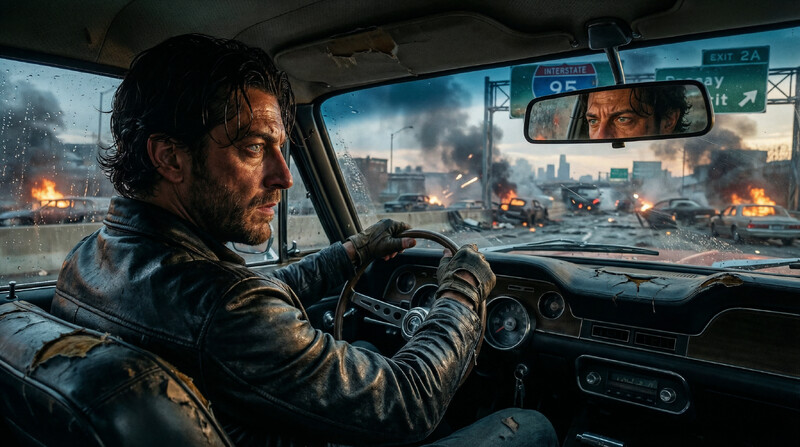
The Truth Is Dead is a thrilling short that simmers and then bursts into fiery action. Rebellion is a strong force against evil in a burning, post-apocalyptic city, as the central protagonist aggressively moves down chaotic streets. He is effectively created with AI—ruggedly handsome with a weathered face that emotes intense feelings of worry, anger, and angst.
The heavy rock refrains and jarring percussion are right in line with the gutsy vigilante-type narrative, as a bullying leader also barks orders to shielded police. The exhilarating pace of this short action can take the viewer’s breath away with its gritty intensity.
The introduction of a female partner/warrior, who fights alongside the hero, adds an extra dimension—the pair exudes a sexy, romantic energy and riles up crowds to protest against “the man.” The captivating cinematic bonding between these two figures becomes apparent as they are lifted above the fray in a heavenly celestial manner—this time it is their simmering passion that rises above the fear and hate in the world below.
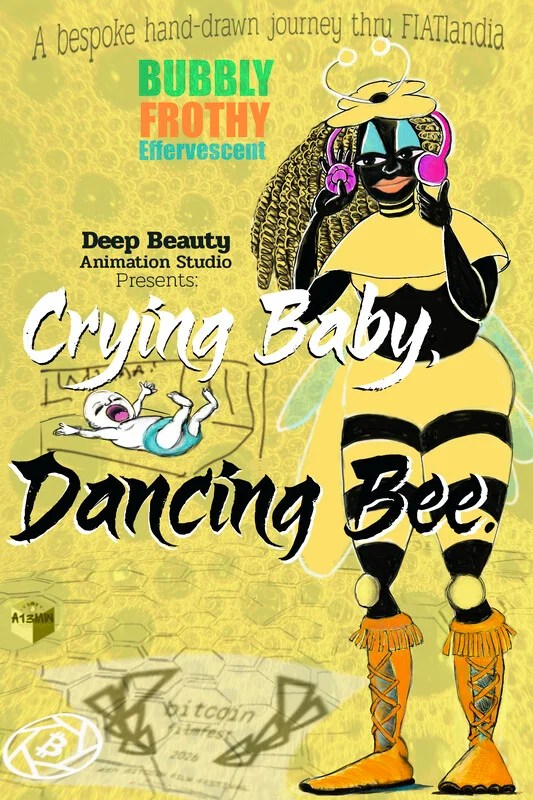
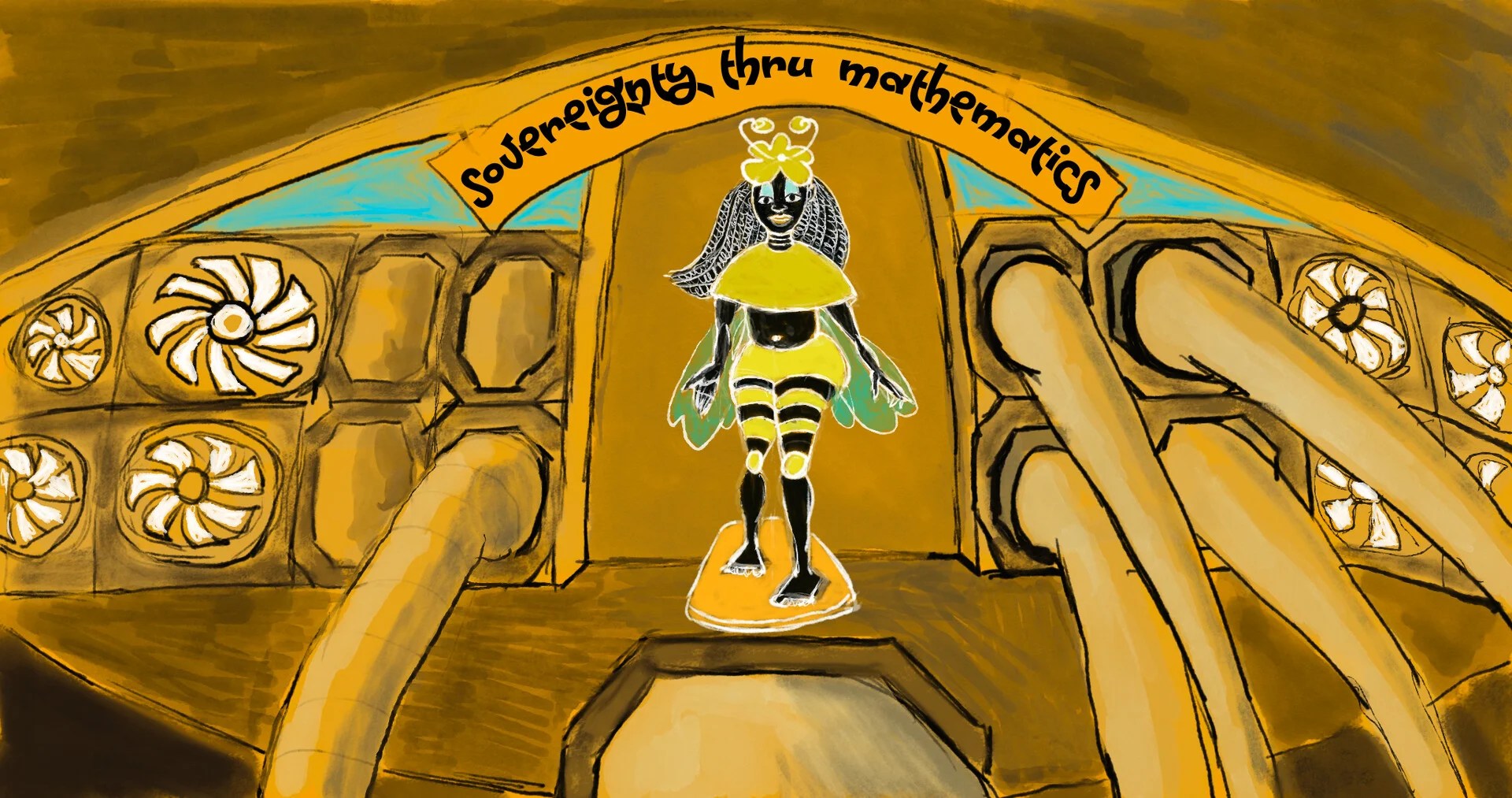
A spoke hand drawn journey through Fiatlandia with Buzzbee, a creature half bee, half human. They call her the African Bitcoin Queen and in this first episode we find out why…
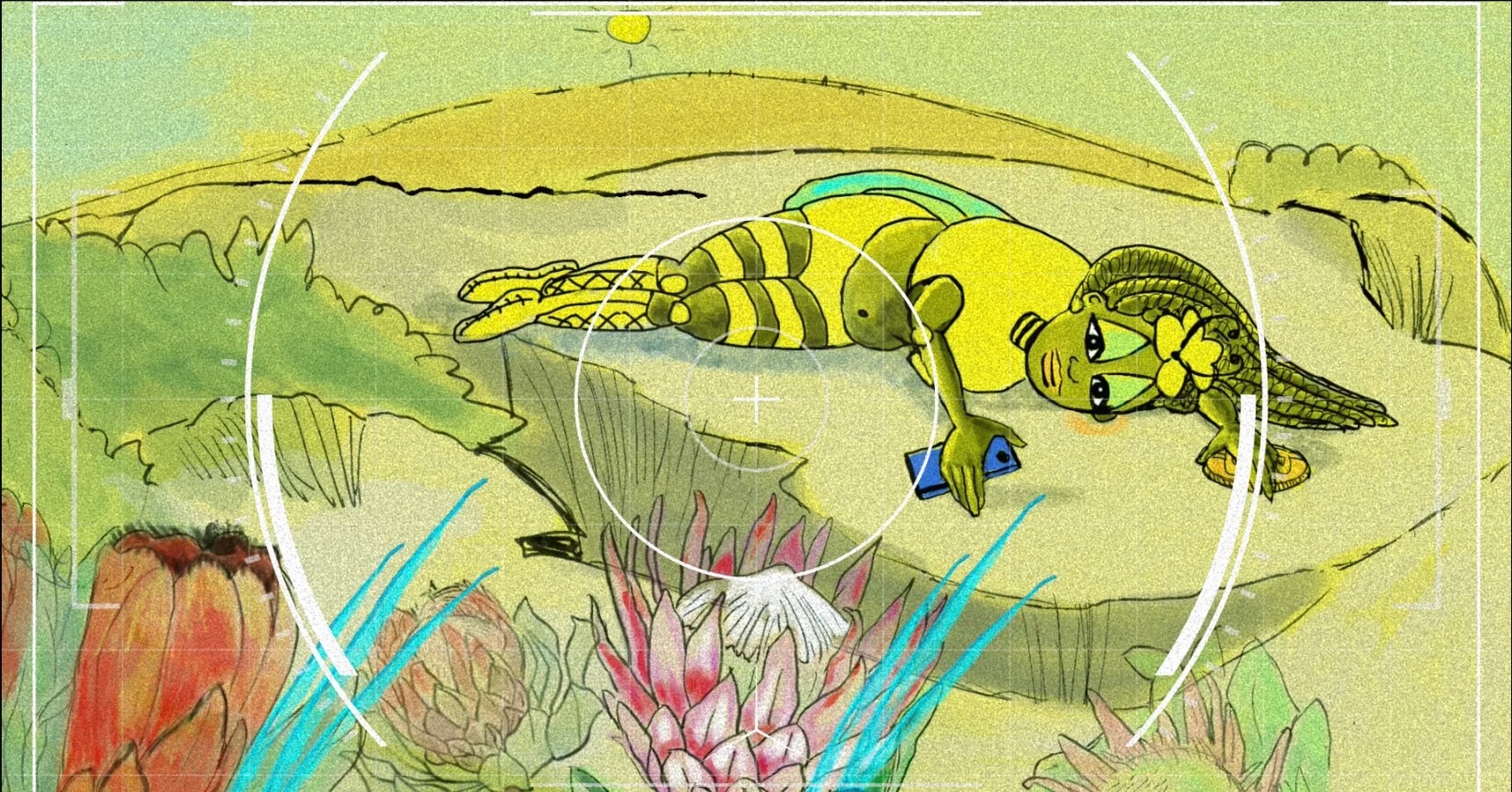
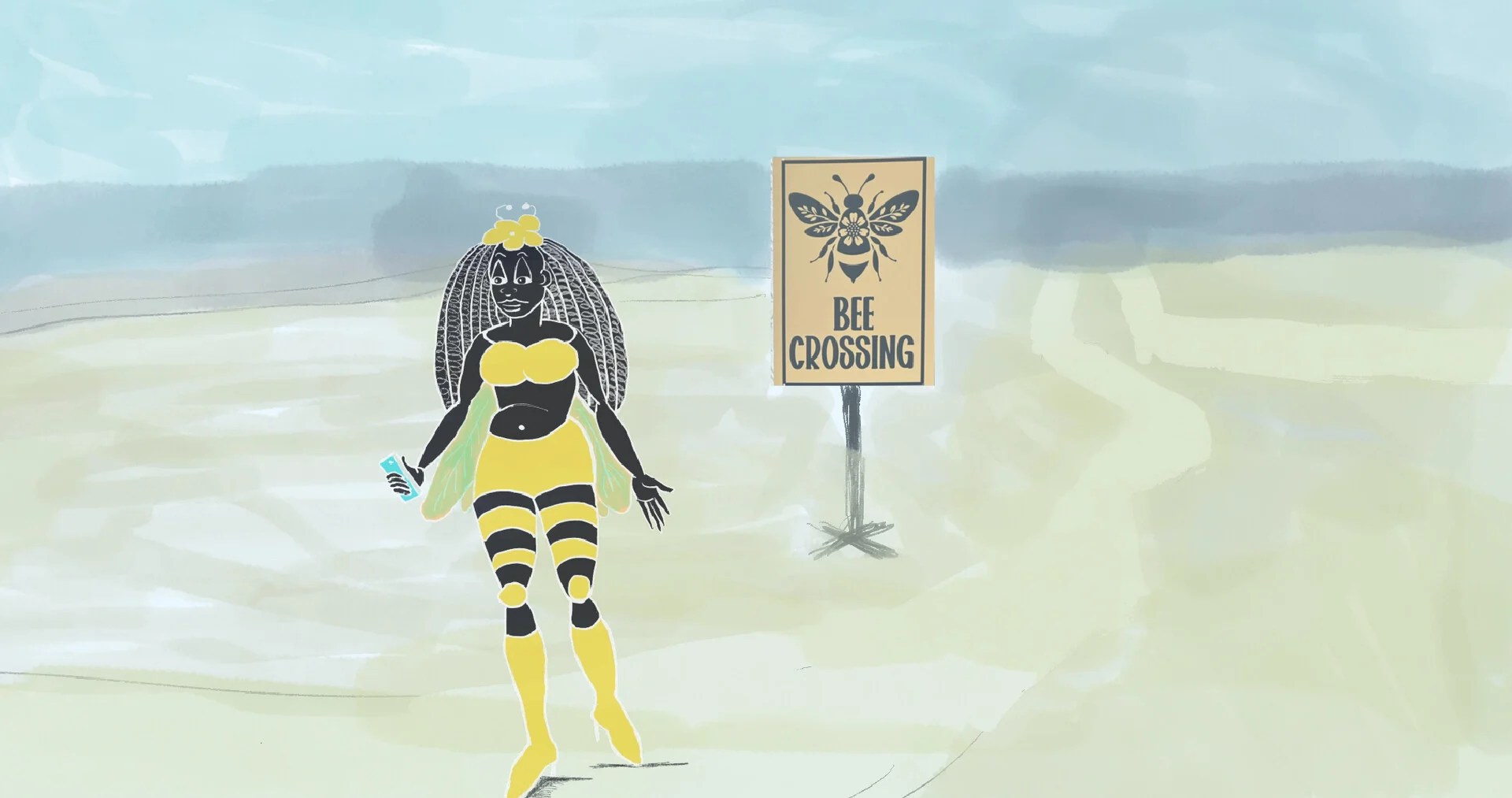
The film CRYING BABY, DANCING BEE is an animated short that feels like it came from a storybook. The narrative follows a Queen Bee that is part human and part bee and explores her world when she comes off Table Mountain. The story begins like it is an old folk tale that was passed down from generation to generation, except the audience knows it wasn’t since the Queen Bee has a smartphone and a Bitcoin.
The animation style gives into the feeling of nostalgia, rarely are films are hand-drawn like this one. This makes the film even more appealing as it incorporates new ideas with the traditional method of animating films. The music that accompanies the story is folksy and slightly tecktonic, which helps the audience to root for the Queen Bee as she rises to find the source of her good fortune.
The humanistic Queen Bee travels around the world, as the narrator explains at the beginning of the film. This slice of life, indie animated short poses the question WHY is the Baby Crying and WHY is the Bee Dancing. Her journey home is interrupted by the cry of a baby. She remembers her former role as Queen Bee, a big birther of babies and how it was destroyed by the Mad Cow. She feels sad.
This animated short shows how hard the human struggle is from the mouth of a baby to the shores of South Africa, but how the use of BITCOIN has given this bee and this nation hope. The story ends with Buzzbee dancing on a bitcoin and celebrating her miners. Clearly the Queen Bee finds joy in the ordinary. She appreciates simple pleasures and everyday beauty.
The tone is light and the story ends with the audience wanting more content from the Queen Bee.
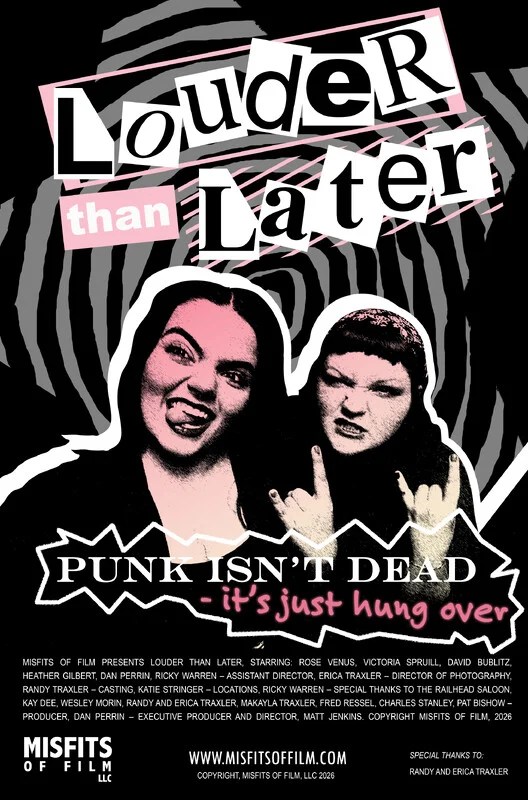
The film follows Mara and Juno as they try to save their favorite punk bar, The Rusty Needle, only to discover that the real enemy isn’t a villain; it’s apathy. Their fight becomes a funny reminder of what it means to care loudly in a world that is too comfortable being quiet.
The short film, Louder than Later is a comedic narrative that shows how far two people will go to save their hangout through relentless optimism that everything they do will work. The narrative follows Mara and Juno as they lobby the public to save “The Rusty Needle,” from closing due to increasing rent prices. The story subverts the traditional annoying activist tropes by making likable characters that the audience can root for and hope they save their bar. The girls become so focused on saving “The Rusty Needle” that they never stop to ask what it was sold too or what it will become, as they become hyper-focused on their activism.
Many films about saving a hangout become clichéd or annoying, but Mara and Juno’s personalities make this one worth watching. They decide to save the bar by themselves without employing outside help, are passionate in the anti-capitalism beliefs without realizing they are fighting for a capitalist enterprise and laugh that they screamed aggressively at people while handing out flyers. Mara and Juno are young idealists that are torn between their activism and how to approach the community to save The Rusty Needle.
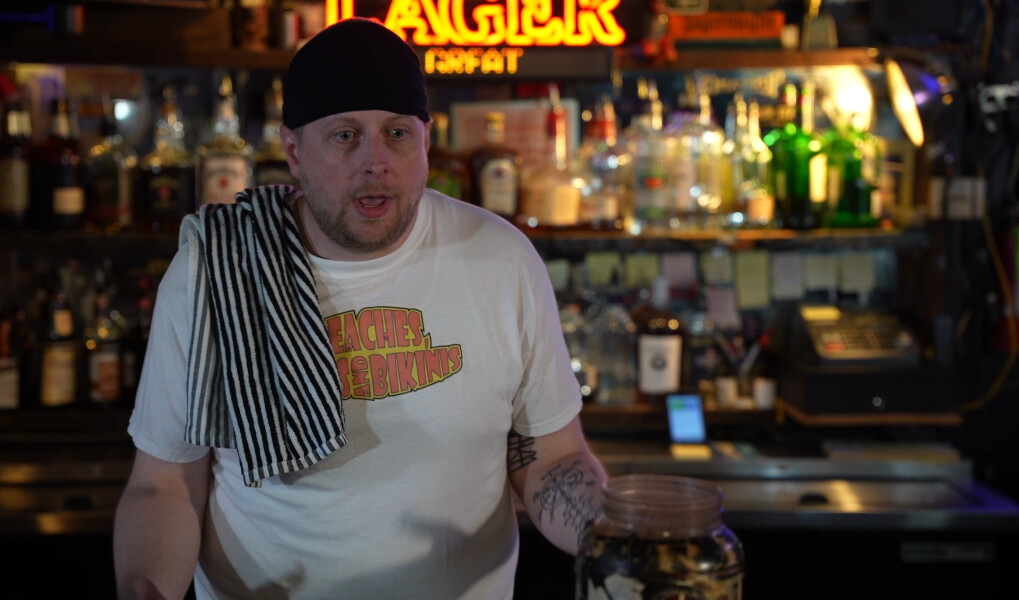
The film shows the contrast between the young ladies fighting to save the bar, ignoring the other patron that sits quietly while sipping his beer. He simply wants a place to sit that keeps away from his home and looks for an alternative with the bartender. Mara and Juno are the polar opposites as they show the difference between being young idealists versus an older opportunist that is willing to listen to the bartender about other ideas for a punk establishment.
Through sharp comedic timing, Louder than Later moves swiftly from anti-capitalist activism to a reality where the Mara and Juno compromise to invest with the older opportunist, which makes them become the capitalists they thought they hated.
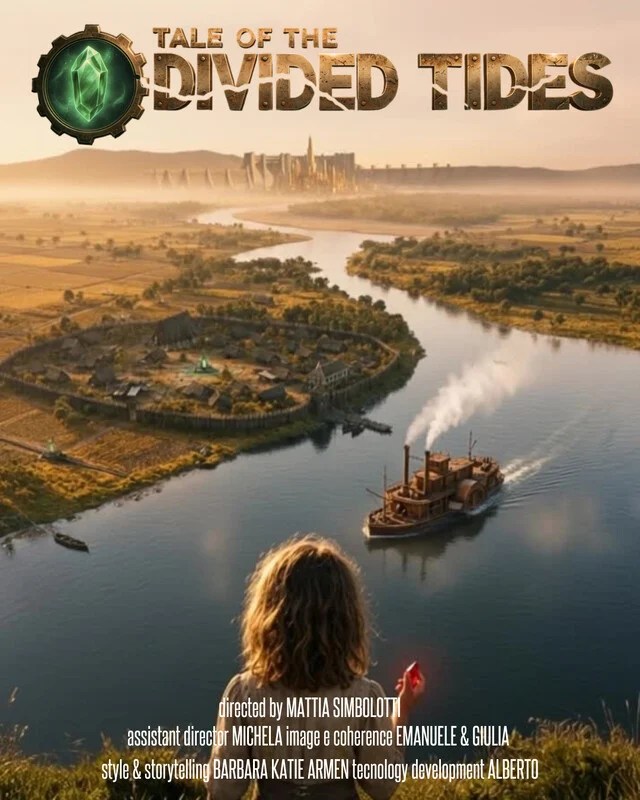
Real Facts inspired movie that tells something about our world following Miles in search of equilibrium, Patrick in search of his father, Edith that might solve the world’s greatest riddle
Storytelling 2.0 with the power of Artificial Intelligence is something some folks adore and some hate. I do appreciate a story that is well told and everything is clear. And a film using AI that’s based on “real facts” – is simply a cool way to make a film. It’s a way to pull the viewer in 100%.
This film had that beautiful, slick feel that AI brings to the table and thanks to Image and Coherence team members Emanuele and Giulia everyone looked the same from scene to scene. They were working closely with Alberto who handled Technology Development.
The story was interesting and captured your attention and Barbara, Katie, and Armen handled that plus the overall style of how the film should look. This was all brought together by Director, Mattia Simbolotti, with the support of Michela, the Assistant director. Overall it made sense to use AI for this, especially not having a major studio backing you and using their resources to convey the special effects throughout the film.
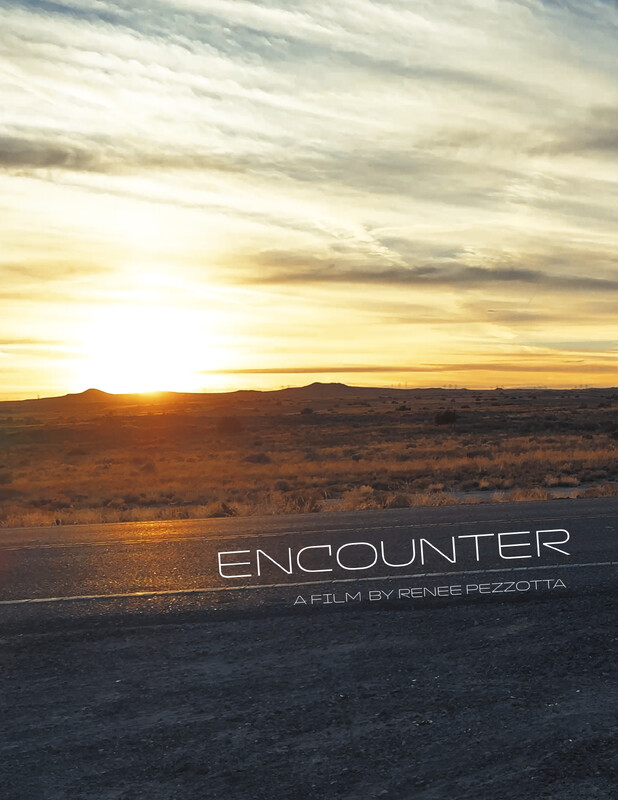
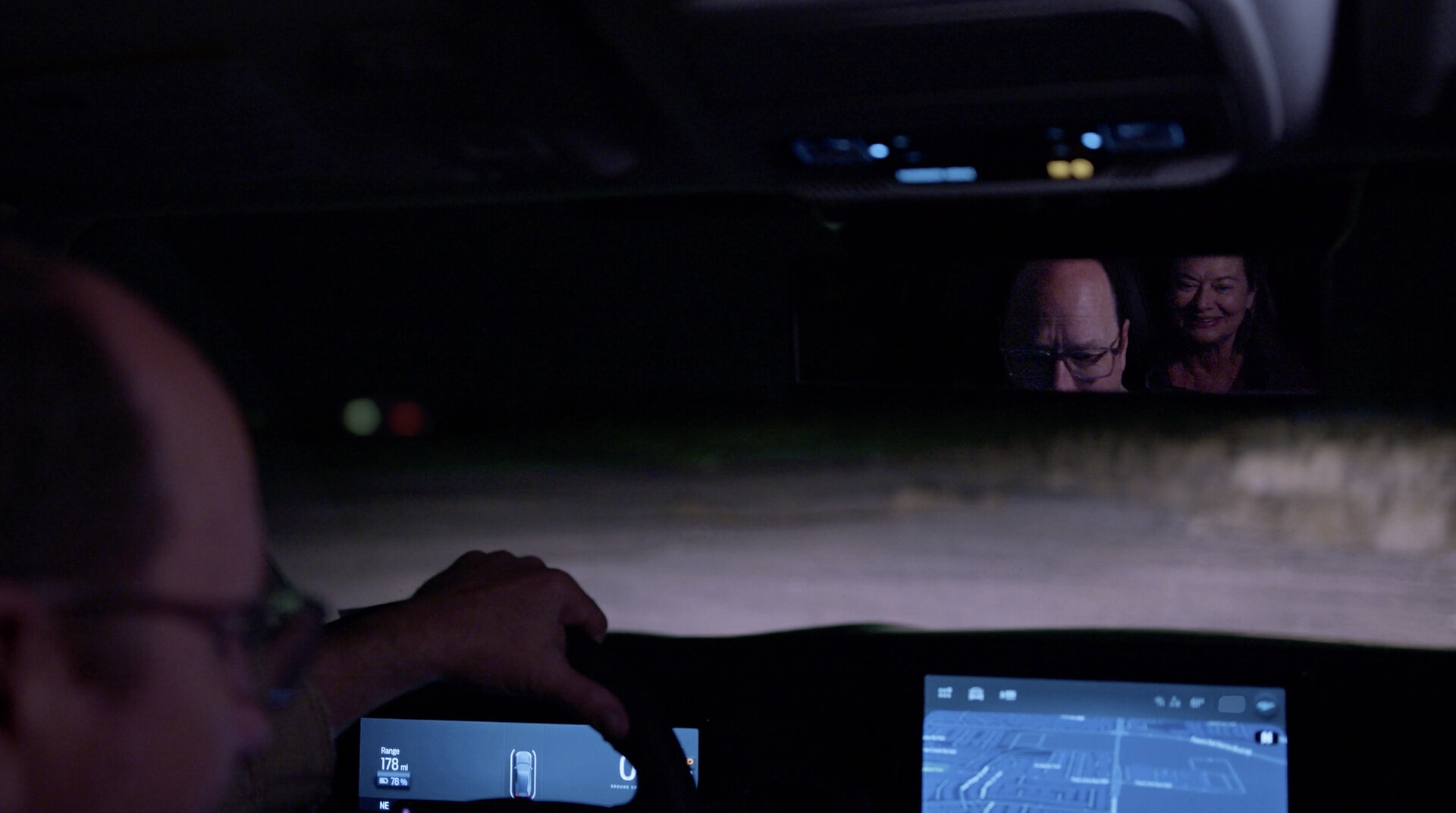
ENCOUNTER sets itself up around a familiar setting that deals with the unpredictable nature of rideshare driving. The film takes place almost entirely inside of a car, which mirrors the everyday reality for many people that work for a rideshare company. The two characters, the driver and his passenger, explore themes of empathy and skepticism that all comes with a day’s work.
The film’s primary strength lies in its psychological tension and character contrast. The driver represents the everyday person that is hardworking but still a decent person that questions about dropping someone off in a strange location. The passenger is erratic as she attempts to prove her conspiracy theories to an unbeliever. The narrative relies heavily on this tension between believing sound logic or falling into the world of conspiracy when confronted with another person’s proof. The film is asking the audience if compassion and empathy still applies when someone appears crazy and could potentially put another person in danger. It queries if self perseveration should come before being a good person that worries about others.
The film uses props, like a notebook filled with bizarre formulas and incoherent text, to show how obsession can take over someone’s life. The passenger’s frantic belief creates the tension inside the car, forcing the viewer to decide whether the woman is simply mentally ill or telling the truth about an unexplained phenomenon.
ENCOUNTER transforms a simple rideshare commute into a world where instinct is pitted against societal norms. It examines the length someone should go for a job that requires helping a stranger, leaving the audience to question whether trusting a person that appears severely mentally ill is an act of foolishness or simple human empathy.
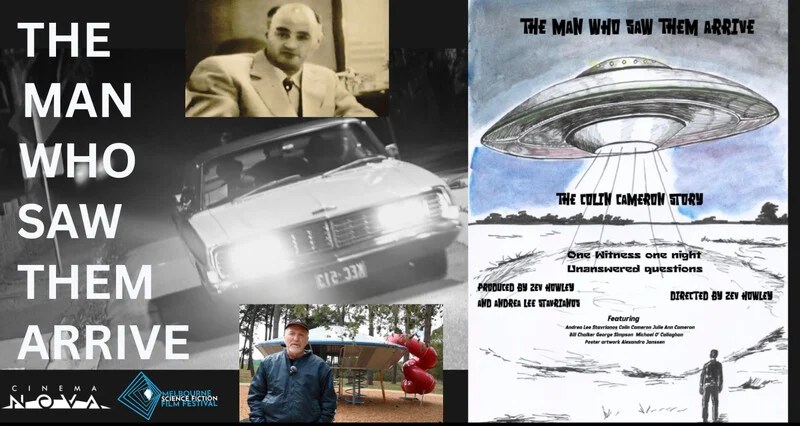
One night in 1968, Colin Cameron witnessed something that would consume the rest of his life. Filming unexplained phenomena in suburban Melbourne, his search for truth blurred the line between obsession and survival. Through family testimony and landmark UFO cases, this film explores a hidden chapter of Australia’s unexplained history.
Review by Victoria Angelique:
Do you believe in UFOs and Aliens? The feature documentary THE MAN WHO SAW THEM ARRIVE tells the story of Colin Cameron, an Australian man that claims to have witnessed a UFO landing on January 6, 1968. This film serves as a tribute to Colin from those that loved him as they talk about his life and how this encounter impacted his mental health.
Colin Cameron had footage of what he stated was a UFO landing and the documentary even shows his grainy film footage. Cameron knew what he saw and would teach other people in his life about the incident. There was a round burnt ring and the documentary even interviews other people that claimed to see UFOs throughout the late 1960s and early 1970s. The witnesses include school children in Australia and a man that took classes on UFOs in the United States. One man was in England, but the question to skeptics remains, did they actually see UFOs?
This film will have audiences questioning who is telling the truth. Footage shows politicians giving plausible explanations for UFOs or stating to the public that they are looking for plausible explanations to the sightings. Being told that someone didn’t witness something that was being taught in universities during the 1970s on how to search for UFOs would impact anyone’s mental health. The documentary shows photographs and grainy footage of what appears to be Polaroids or film footage of UFO sightings.
Colin Cameron’s mental health is reported to have declined throughout his life. This seems reasonable when even his colleagues and friends would’ve thought he was crazy. He knew what he saw and was only able to find a handful of people to believe him. That would make anyone depressed when they are being told to deny something that they truly believe was real.
Fortunately for Colin, his legacy remains as he has loved ones continuing to search for what he saw. He has people that believe him and are joining in the search for an explanation to the footage he captured. This documentary will have viewers questioning what is out there and if Colin really did something on January 6, 1968 based on the film footage shown within the film.
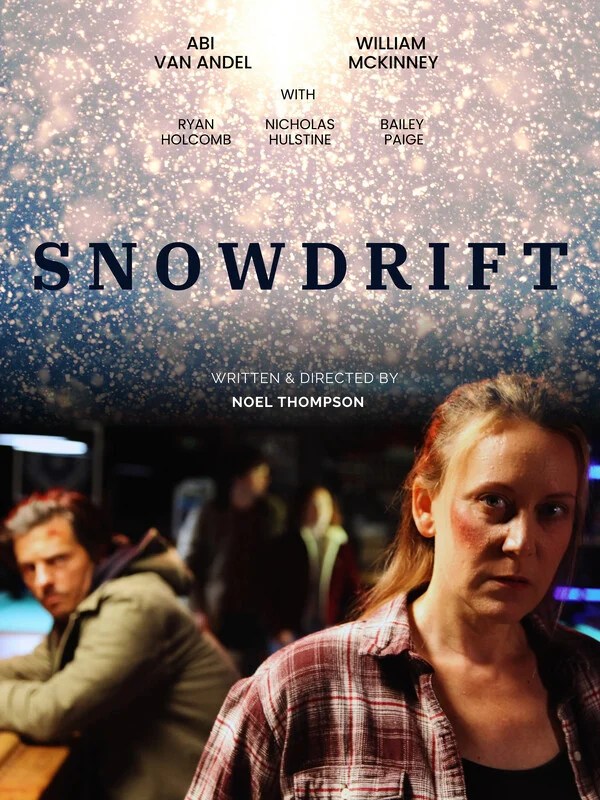
A grieving father, a disillusioned barmaid, a sketchy barman, a newlywed couple, and a sheriff converge in a rural bar during a violent snowstorm, but little do they know only four of them will make it out alive.
Review by Julie C. Sheppard:
The gripping short Snowdrift is rife with tension and unspoken truths. As the film unfurls, it becomes apparent that characters have some dark secrets to hide.
Darkness also permeates the atmosphere of the central setting – – a gloomy, claustrophobic bar serves as a fitting temporary shelter from a nighttime snowstorm. In addition, there are apt sounds of howling winds, and nervous movements of the characters shifting around the creaky space. The music soundtrack also creates an atmosphere of fear and foreboding.
The acting is superb, as edginess simmers just below the surface, and the skillful screenplay allows for truths to gradually play out to a satisfying resolution, creating a sense of “cleaning house” from corruption. Justice has been served, despite the fact that certain truths must remain hidden.