Short Film Review: AT THE TURNING. UK Documentary

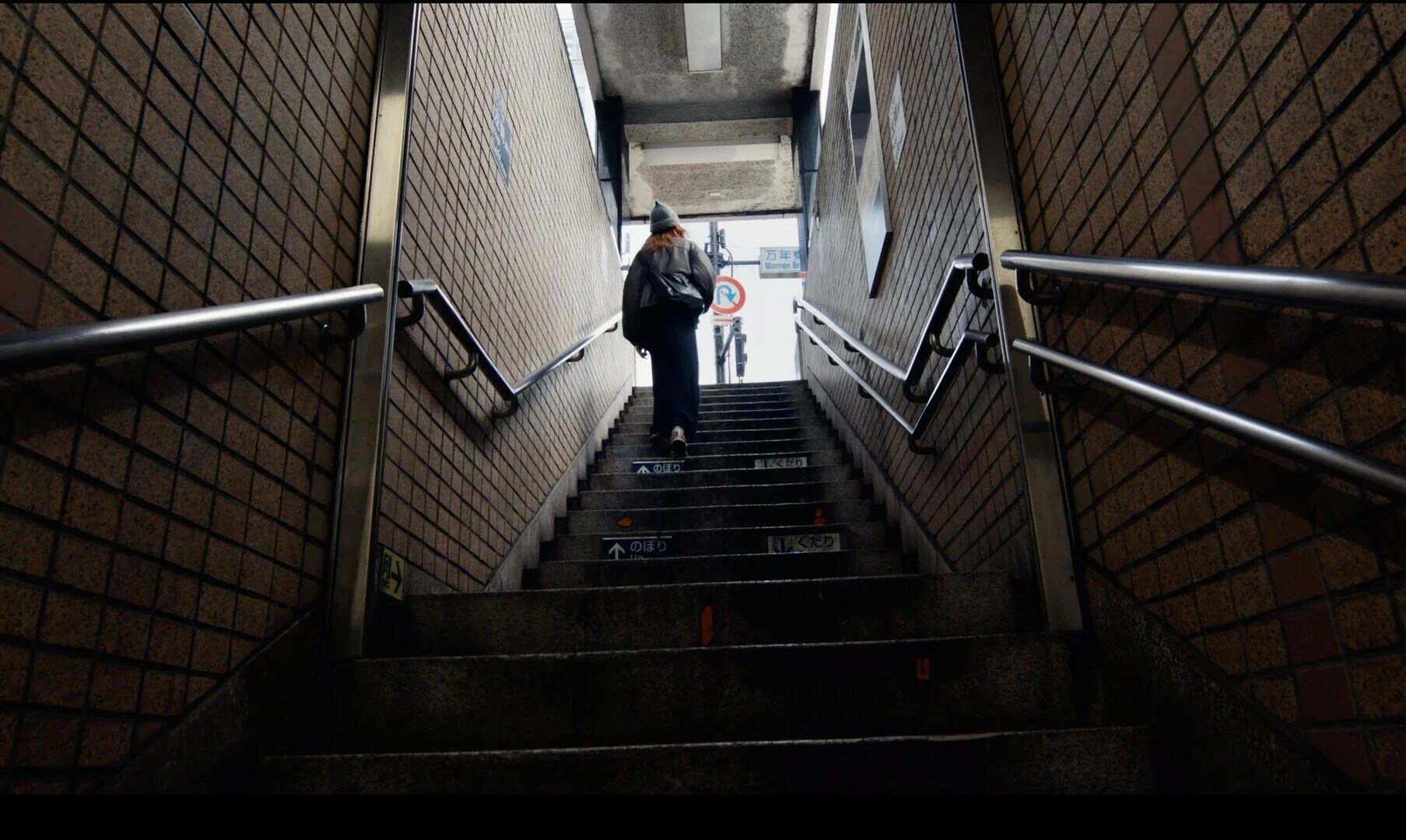
Throughout history, at such critical moments, visionary figures have emerged. The idea of The Coming One is found within all religions, and many believe we are living in a time when that expectation could be fulfilled. “At the Turning” presents the controversial idea that Maitreya, the World Teacher — expected under various names across many spiritual traditions — has in fact returned to the everyday world.

Project Links

Review by Julie C. Sheppard:

At the heart of the short At The Turning is both a warning and a call to action. It is visionary in its urgent messaging, and is passionately delivered by an articulate narrator, and thoughtful on-camera commentary from academia. This messaging is accompanied by a rapid series of video images from around the world, which effectively reveal the dire need for humanity to more equitably share resources – – the starkest being footage of wealthy yachts (with commentary highlighting the fact that there are more billionaires in the world now than ever) closely followed by images of crowded slums, where poverty is rampant.

On a lighter note, the film is also playful, interspersing footage of young children enjoying pleasures of life, which underscores a common human goal. Another positive message in the film is the prediction that our confused and disordered world is due for a prophetic messenger, Maitreya, who will awaken civilization to become more aware of the vital need to look out for one another.

The dynamic soundtrack flows beneath the film’s activity with grace and energy, moving from vibrant synth to stirring orchestral refrains, as the film moves to its climactic resolution. This important piece should be universally “sung from the rafters”– it is a wake-up call for everyone, from world leaders to the general populace, who seem to be stubbornly unheeding of humanity’s potential for collapse if collective action of altruism is not taken.

Short Film Review: Abduction Mystery: An Unforgettable Melody. South Korea

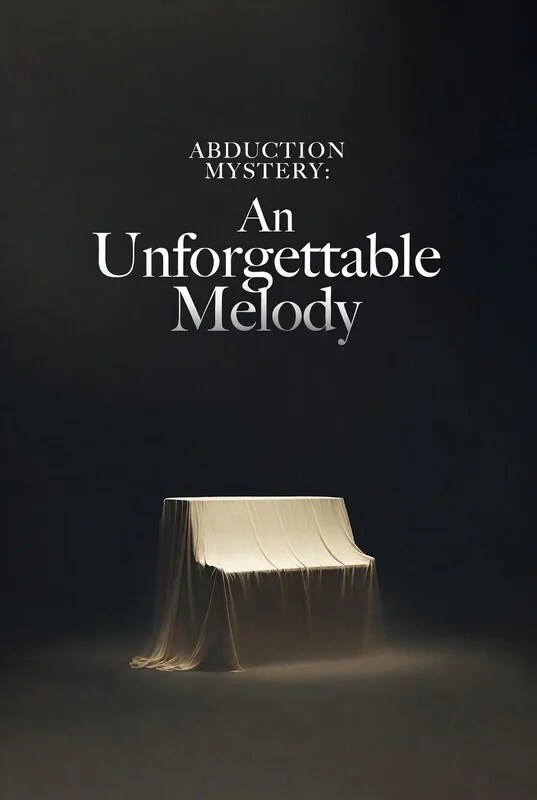
An obscure composer, a mysterious teenage girl, a scrappy reporter, a conspiracy theorist, a civil servant, and a punk—six strangers are held inside a remote house in the mountains by a shadowy organization.

Review by Victoria Angelique :

The feature film, ABDUCTION MELODY: AN UNFORGETTABLE MELODY, invokes a mystery that will cause viewers to begin questioning reality as they are immersed in an intense world that involves adult kidnappings and alien conspiracies. The film begins with Ms. Kim being abducted and utilizing one primary location makes the audience feel as trapped as this woman that feels like she is going crazy. What makes the story even more of a cinematic, immersive world is that the viewer will feel like they are going as crazy as Ms. Kim feels as the film begins to feel like a choose your own adventure book. 

The story on the surface seems simple, but it is when the scenario begins repeating that Ms. Kim realizes that she isn’t going crazy, but that she is being manipulated. Olga is the ringleader of this abduction campaign and she keeps mentioning to the abductees things about aliens and alien substances, which throws the film into an alien conspiracy and government involvement to kidnap people that might have been compromised by this substance. 

Olga has the power to restore each person’s memory and reset the timeline to before each person was abducted. Issues arrive when Ms. Kim and Su-Jin can remember each missing person, which causes Olga to continue to make excuses for keeping them imprisoned. Su-Jin has the power to turn back time for one hour and Ms. Kim had touched the green ooze from a suspected UFO, explaining their memories of each timeline. 

The most beautiful part of this film is the sisterly relationship that Ms. Kim and Su-Jin form. Ms. Kim wants to protect the much younger girl, but it’s not always possible, especially when faced with a much more powerful woman like Olga and a foreign reporter that will kill to protect herself. 

Ms. Kim starts as a skeptic when it comes to alien conspiracies that mingle with government programs, but by the end of the film, she is a believer.

Short Film Review: Agenda 2100. Directed by Stéphanìe Habíb, Thais Guisasola

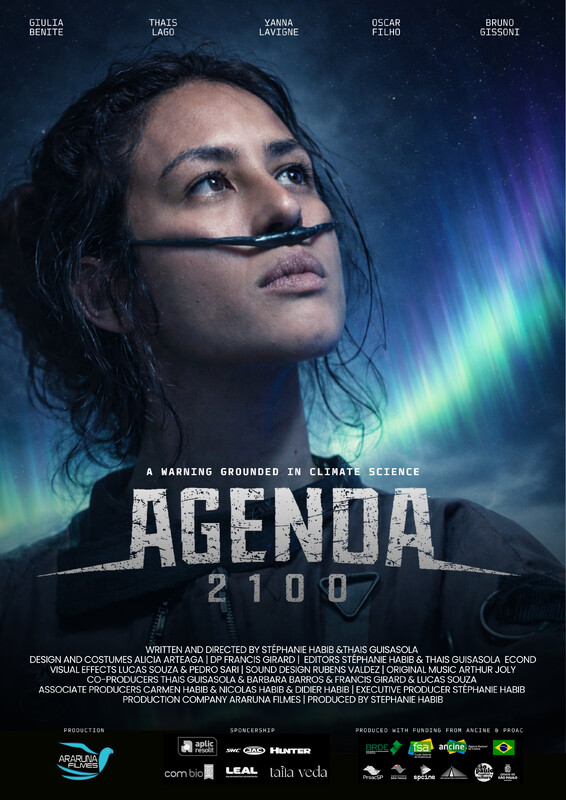
In the year 2100, on a planet devastated by environmental collapse and ruled by a totalitarian regime, Gaia — a young member of the resistance — risks everything to change the course of history. Earth has reached the +3°C threshold projected by climate science; ecosystems have collapsed, oceans have turned toxic, and humanity survives under strict control in underground enclaves.

Project Links

Review by Victoria Angelique:

The dystopian world of AGENDA 2100 depicts a grim reality where every move is controlled and food is rationed. It begs the question of what someone will do to secure a better future for an unborn baby, even if it means breaking the law to send a message to the past. 

The first few seconds opens with stunning graphics that display a desperate mother-to-be, Gaya, attempting to send a message to the past. This level of special effects remains throughout the film, which allows the viewer to see just how grim a future awaits the world in the year 2100. The world has no wildlife left, not one single bird or butterfly, which is why it stuns Gaya to see a real butterfly behind her colleague that is in the year 2020. This is her desperate attempt to send a code to this woman that will hopefully begin to lead to a better world. 

This is a dangerous attempt for Gaya, as sending unauthorized messages is illegal due to what the government deems a waste of energy. Her husband, Alexis, is slipping his pregnant wife extra rations from his government job to protect their child. Alexis ends up being killed shortly after his son is born and never gets to meet the child that he was excited to bring into the world. A devastating blow to Gaya as she imagines the meeting she had envisioned in contrast to this stark reality that has left her a single mother that is being actively hunted by their government for being a rebel. 

AGENDA 2100 isn’t only a dystopian world, but most importantly, a story about how far parents will go to preserve the future for their child. The tragedy of the dark world is broken when Gaya sees a butterfly, which lets her know that every effort was worth it for her newborn son.

Short Film Review: Munkács Miracle

Born days apart in 1930 and raised in Munkács, Czechoslovakia, Holocaust survivors Magda Bader and Ruth Cohen were transported to Auschwitz on the same day from the same spot when they were 14 years old. A chance encounter with an educator visiting the Holocaust Museum in Washington, D.C. brought them together after 81 years.

Review by Julie C. Sheppard:

The documentary short Munkács Miracle is indeed an exploration of the miraculous. The fact that the two main figures Ruth and Magda, from the same home town and survivors of the Holocaust as young teens, have met many years later in the United States is unbelievable, but true. This piece zeros in on the kind-hearted faces of these women, and also reveals that they are still experiencing pain and trauma, almost as fresh as if these atrocities were happening to them today. Scenes capture the quiver in their voices and their intense sadness, and the flashes of anger at what was experienced.

The subtle, yet evocative musical score below the interviews carry the heartbreaking storytelling along. Another filmic element that frames the piece is the stark archival footage of Hitler and Nazi soldiers and people being shuttled aboard train cars and crammed into ghetto bunks. These scenes are sickening to see, and they are also a reminder of the potential of how inhumane we can be towards one another. A memorable quote by Magda is a particularly apt regarding what we need to do to avoid the risk of dehumanization, in that “the earth was created for everybody, and nobody should feel like they are superior, and treat each other like human beings”. The decision to produce this film right now is quite timely when, no matter the background, humans must treat others with respect.

The film shows optimism in that these women, who have gone through so much, are offering themselves up as volunteer educators in hope that history does not repeat. The warmth and care that the woman share for each other on screen is lovely and it is indeed miraculous that they have come together after all this time. 

Film Review: Different Worlds Summer Heat

Review by Victoria Angelique

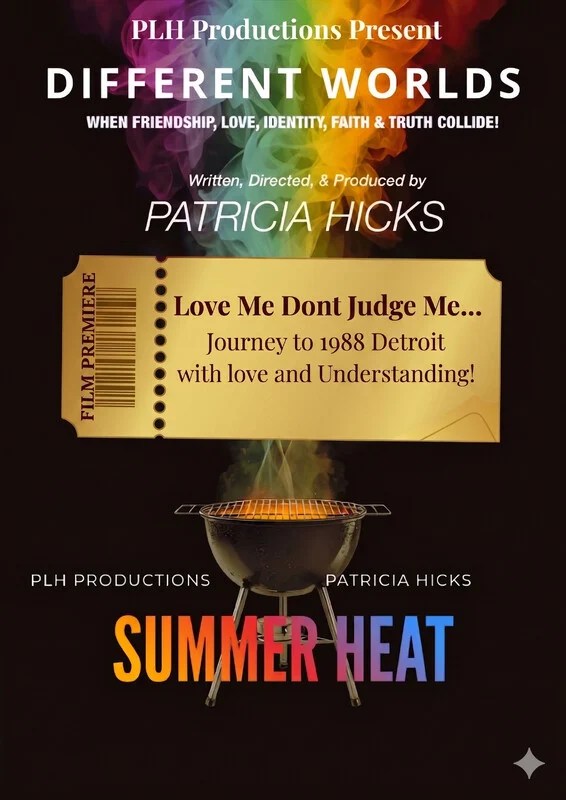
Imagine a friend inviting you to a barbecue in 1988 Detroit hosted by a gay man named Larry and then you will understand the point of view of the main character Patrice as she has to argue with her inner thoughts verses the world around her in DIFFERENT WORLDS: SUMMER HEAT. In the height of the HIV/AIDS crisis, where the propaganda is making even people like Patrice suddenly begin remembering that she was raised in the church without being able to quote exact scripture. 

This exact era was depicted perfectly in this film through the point of view of an outsider witnessing what the fear mongering was doing to the LGBTQ community. Patrice was unexpectedly flung into this scenario by her friend, which brought her defenses up as she began to rationalize her judgments against every person rather than listen to the stories that revealed deep hypocrisies. One woman mentioned that she was also raised in the church, but her mother used her as a check from the welfare system and did drugs all week long. This same woman was kicked out as soon as her mother learned she was a lesbian and condemned.

This film gives a powerful lesson about judgement, which shows that if we lift the roofs off of other people’s homes that no one would have the right to judge another person. This comes through in the most powerful character, Larry, who is the voice of reason. He starts off as the fun jokester, the person that the viewer wouldn’t think would be the voice of reason by the end of the film. His party was essentially ruined through all the tension and fighting, to the point that he burnt the burgers that he bragged about, as he had to calm everyone down. Everyone needs a Larry in their life, the person that worries about other people and genuinely cares about people. Larry stated that he tries to live as a good Christian, which means loving everyone without judgement.  

Film Review: AWAKEN THE REAPER. Directed by Dave Campfield

A woman has gone missing. The agoraphobic Keith Lamont is her last hope. But to find her, he’ll have to face his deepest fears.

Review by Victoria Angelique

The feature film, AWAKEN THE REAPER, is the perfect analogy for why people shouldn’t do drugs but put into a horror film scenario. The story starts slow, but once the action begins, it never stops until the last few minutes and makes it worth the wait. 

The narrative follows Keith as he comes back from a camping trip with his rehab buddies, when one of his cohorts goes missing. Like any good friend, Keith is worried about Sarah, but she’s answering her text messages. When Keith’s friends start dying Final Destination style deaths, it makes him paranoid to leave his house. This raises the question, can that actually prevent a person from dying when several of his friends were killed inside their homes? For Keith this proves his worst fears, when the killer breaks in to kill him but kills his parents.

The graphics show high definition blood creeping up walls and black goo easing up drains as if out of nowhere. This is coupled with the dark shadows and sinister music that states a villain is nearby. Like all good horror films, the bad guy wears a mask and this is one that stands out as different, like an angel of death with how black it is against the night to blend in with the shadows.

The entire film is a metaphor for why people shouldn’t do drugs. It is just as each character relapses from their sobriety that they are killed in the most graphic of ways. Each of Keith’s friends are killed in gruesome and graphic murders that will make the audience cringe. 

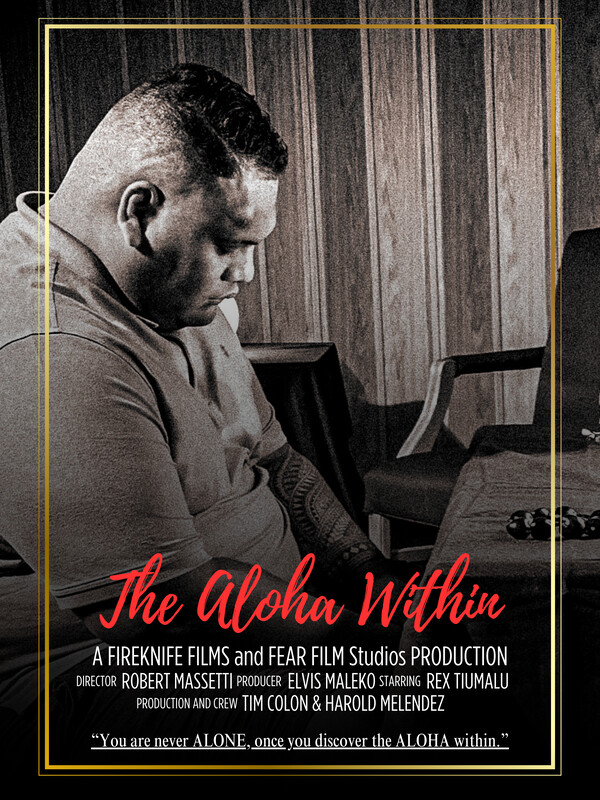
Short Film Review: The Aloha Within. Directed by Elvis Maleko, Robert Massetti

Through a time of personal struggle and tragedy, a young Polynesian stage performer named Marc discovers a new meaning of hope. This hope is found through a support system he never knew he had. As he pieces together the support of family, friends, and culture, Marc realizes something of great worth and value, the Aloha within.

Project Links

Review by Andie Kay:

This is a really beautiful film from Elvis Maleko about grief, healing, community and the deeper meaning of the word “aloha”. Elvis was the creator, co-director, he starred and edited this film which is definitely a labor of love. I really loved learning that the deeper meaning of Aloha is: “the presence of life”. Plus the on screen rapport between Elvis and Rex was lovely.

The music for this film was done exceptionally well, the vocalist at the very beginning had this amazing high tenor voice that was just breathtaking. Plus the filmmakers were very smart letting the music tell a portion of the story so there was no dialogue needed. The story was really well thought out and beautifully told.

It was stunning to watch the different performances, the fire work and the various traditional dances were incredible. I think it was very clever that the filmmakers used a voice over and sound effects to help the audience understand that they were watching a “live performance before an audience”- it’s such a simple effect but one that worked brilliantly.

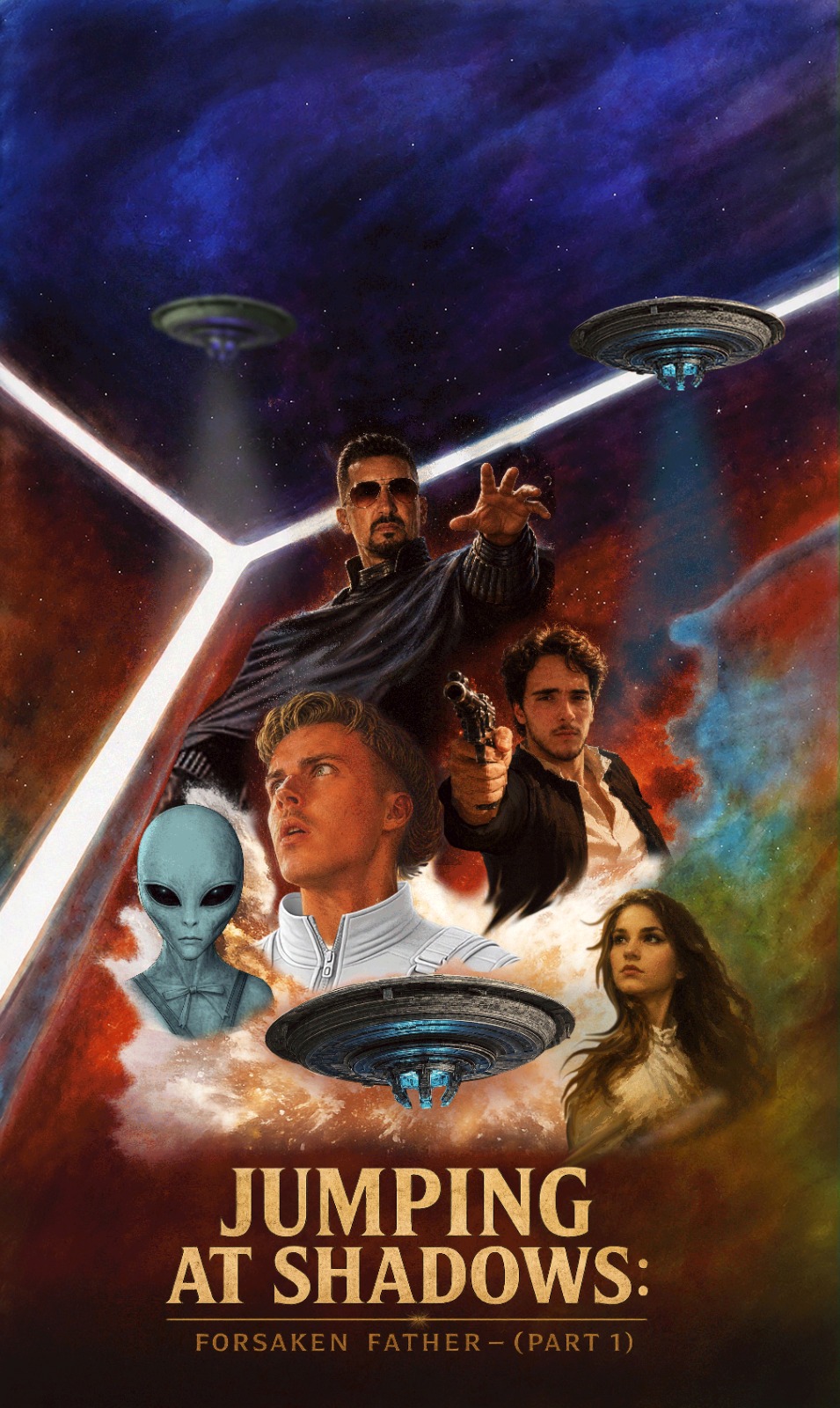
Short Film Review: JUMPING AT SHADOWS: FORSAKEN FATHER

Charlotte’s 18th birthday takes a dark turn when Agent Nixon arrives with shocking revelations about her past and his true reasons for hunting aliens. When a desperate attempt to change history unleashes catastrophic consequences, Locky and Jett are thrown into a terrifying alternate future where humanity faces extinction, and must find a way to undo the damage, before it’s too late!

Directed by Locky Boaretto

Review by Victoria Angelique:

The first part of the series told in storyboard, JUMPING AT SHADOWS, follows Locky and Jett as they literally race through time to stop a man named Nixon from destroying all of civilization in his pursuit for vengeance. This story thrusts the audience into action within the first five minutes of the narrative, when Nixon arrives on Charlotte’s birthday and begins poking holes in everything she believed was true. He is an alien hunter, her best friend is an alien, and Nixon is also not her father like she has always believed because her parents were killed by aliens. 

The story continues on these same types of twists and turns throughout the entire episode to keep the viewer interested. Just when the story starts to become predictable, another twist is thrown in to keep the audience guessing about what could come next for Locky and Jett as they race through time and space to save their friends and humanity. 

Time travel has rules, but what happens when someone like Nixon ignores the fabric of reality? The world is thrown into chaos and he erases the very person that he wanted to protect, Charlotte. 

JUMPING AT SHADOWS proves that actions have consequences and why it is imperative to think before jumping into action. It could have devastating effects on more than just one person, but an entire civilization as this pilot episode proved. If the entire series continues down this trajectory, it will be an exciting journey to take with Locky and Jett as they are forced to save humanity multiple times. It’s been a few years since there has been a series with a good brother duo taking on the world together. 

Short Film Review: WHAT’S LEFT. Documentary. Directed by Odinger Mitchell

In the twilight of his years, a once celebrated chef, now a humbled widowed dishwasher, conceals his storied past while caring for his adult special needs son. As the echoes of his culinary fame fade, a serendipitous encounter reignites his passion, compelling him to embrace his mentorship role and rediscover the art of inspiration. This is a fictionalized view of a unromanticized reality. Not star chefs, not kitchen combat. The characters of the culinary world who’s stories are never told. A story about a father’s love for his son, and relighting his inner beacon, allowing his light to shine outwards once more and illuminate the path for others.

Review by Victoria Angelique:

The short film, WHAT’S LEFT, is a poignant film about the sacrifice’s a parent will make for their child after the death of a spouse. The themes covered in this film relate to many moments in life, that one event can change an entire person’s life. For this man, it is the death of his wife after a battle of cancer and he becomes the sole caretaker of his special needs son. 

The cinematographer captured the life this father once had, a Michelin star chef that once headlined newspapers, and now to support his adult child, he washes dishes at a restaurant where the chef abuses his staff rather than teaches them when they make mistakes. This chef is arrogant and makes it clear that he doesn’t know what his own craft is when this kind father has to step in to correct a frustrated sous chef by patiently teaching her the steps rather than belittling her. 

This demonstrates the kind of man that he is because how many people could remain quiet when being berated by a much younger boss when you know that your own skills are far superior than his own? This is the kind of man that knows his son comes first and what his wife would’ve wanted, though the cashier at the gas station kindly reminds him she wanted him to work as a dishwasher for a horrible boss as he prays about winning the lottery. 

This film is a character study about one man and what he has sacrificed for his child. This is a wonderful story about a father’s love for his child and how it doesn’t matter what his boss says to him, because at the end of the day it is worth it to go home to his son, even if he is no longer a five star chef.

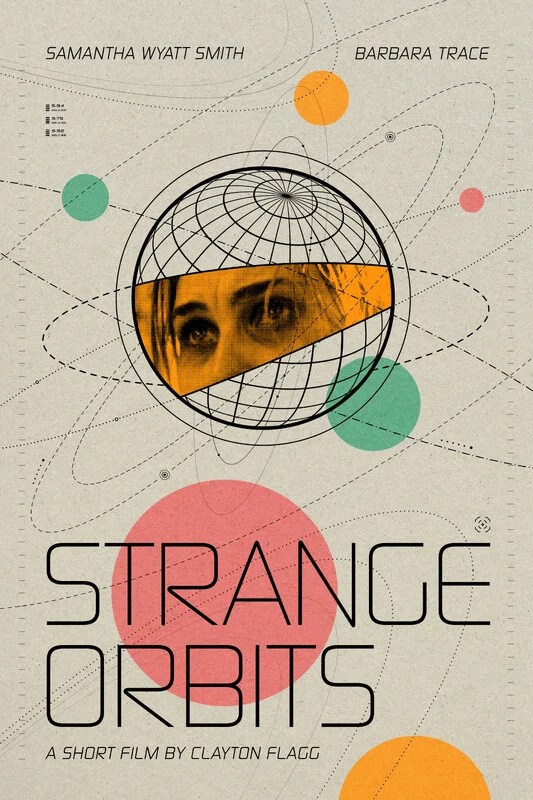
Short Film Review: STRANG ORBITS. Directed by Clayton Flagg

A stranded astronaut searches a distant planet for the cure to her illness. Instead, she finds an unexpected life form who offers her a heavy choice.

Project Links

Review by Julie C. Sheppard:

Isolation and a foreboding fear of death surrounds this uncanny sci-fi short film, Strange Orbits. The unknown planet on which the ailing astronaut finds herself is well conceived, with hazy lighting, unrecognizable plants and chirps of unidentified animal life.

The sci-fi essence is clear with the Star Wars-like roving robot and its quirky sarcasm, that accompanies the astronaut. The lush, humid location of the dangerous swamp is especially well-selected, given the arrival of the ominous, ghostly inhabitant that offers a lifeline to the main character. 

The echoey whispers surrounding this scene serve the eerie narrative perfectly, and its blurry imagery is a striking foil to the crystal clear camera work of the hospital rescue setting that follows. It seems to be assumed that while death is no longer a worry, existing forever on a planet in a strange orbit is now the astronaut’s frightening fate.