Interview with Editor Tia Nolan (Doctor Strange in the Multiverse of Madness, Friends with Benefits)

Chatting with Tia Nolan about the craft of editing was a pure joy. Her recent credits include: How to be Single (2016), Angie Tribeca season 2 (2016), Annie (2014), Friends with Benefits (2011), The Woman (2008), and Bewitched (2005). She is a wealth of knowledge in the art of making a great comedy – as you’ll learn in his interview. Enjoy!

Matthew Toffolo: What is the role of a TV episode editor? How is this different is comparison to working on a feature film?

Tia Nolan: The role of a TV episode editor is to assemble and fine tune the footage provided to its final broadcast ready product. I have only worked in scripted half hour comedy television. I have found that the craft is similar to feature film editing in performance and timing. The real difference lies in the schedule and who gets final cut. In television, there are usually two or three editors on the show. This means that every two or three weeks, you get a new episode to cut, even if you haven’t finished the previous episode. The schedule is very fast paced. You only spend 2 days with a director and there are usually different directors for each episode. Your real cutting room relationships are with the producers of the show. You can find yourself doing notes on multiple episodes in the same day with the producers.

In features, I am involved in every aspect of the process from dailies to final mix and color timing. In television, the AP runs the mix and color timing for each episode because the editors are needed to continue editing the episodes. In features, I get to spend more time with the director and producers finding the characters, the story and the comedy. There isn’t that luxury of time in television. That said, the shows are shorter so you don’t need as much time to massage the material. But you also have to cut each episode to a specific time, which can be maddening if you have to kill off great material to get to that time. I actually enjoy being able to go between both mediums. It keeps me on my toes.

PHOTO: Rashida Jones stars in “Angie Tribeca” TV show:

ANGIE TRIBECA

MT: What film that you’ve worked on has been your most valuable experience?

TN: That’s a hard question to answer. As an overall answer, I’d say any film I worked on with Richard Marks, my mentor, because he really taught me how to look at a film and make it great. If I were to pick one film that was the most valuable, I’d say FRIENDS WITH BENEFITS.

I had only been cutting on my own for a short while when I got this job. The nature of comedy was changing and what I had learned from my years of working with Richard Marks, James L. Brooks and Nora Ephron was not what the world was craving anymore. When I started working with Will Gluck, he really pushed me to change the pace of my cutting. He wanted his actors to deliver lines fast and punchy like the old screwball comedies, but he wanted them to feel like real people as well.

Though he cowrites all of his films, he loves to go off book and throw ad libs to his actors. He rarely calls cut. FWB was the first digital film I had worked on. I found myself with 30 min. long takes.

But I watched every frame. And in doing so, I was able to listen to his direction to the actors and understand what he was going for. Will Gluck also insists on seeing a rough cut with sound design and music.

When I was coming up the ranks, the rule was to never show a rough cut with music because it changes how you view the cut. Suddenly, I was doing the opposite of what I had been taught. Now I need to perfect all of my sound and music before I can really tell if a scene is working. Working on FWB really launched me forward in my career.

Photo: Justin Timberlake & Mila Kunis star in “Friends with Benefits”:
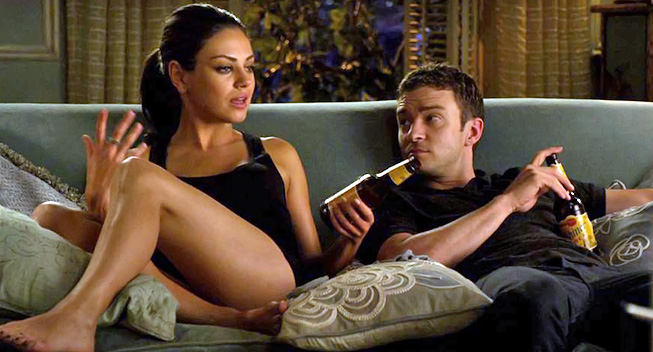
friends_with_benefits.jpg

MT: What is the art to being a great COMEDY editor? How is working on this type of film different than a conventional drama film?

TN: Comedy editing is all about the pacing. That sounds like a dumb thing to say because all editing is about the pacing, but there is a rhythm to comedy that is very delicate. Make the space between lines too long and you’ve created drama. Make the space too short and you’ve blown the joke. But make the space really long when a ridiculous thing has just been said or done can bring on a huge wave of laughter. But there is no true rule. You just have to feel the material. I believe I have the most success when I’m able to make the characters likable and accessible, not broad caricatures. Then the audience is more open to laughing at them and with them. And watching the film with an audience informs you better than anything of if the comedy is playing.

MT: You’ve edited two feature films in 2016 – HOW TO BE SINGLE & MIDNIGHT SUN. Two very different films. What pulled you into working on those two productions?

TN: I was very interested in working on HOW TO BE SINGLE. It was written by Dana Fox, who was the creator of BEN AND KATE, the first television show I worked on. I instantly responded to the script because it was comedy with heart and (spoiler alert) the girl doesn’t end up with the guy at the end. I had never worked with New Line before but knew that they were one of the main studios making really great comedies. Then, I met Christian Ditter, who is amazing and enthusiastic, and I was sold. Toward the end of HOW TO BE SINGLE, John Rickard, one of the film’s producers, approached me about MIDNIGHT SUN. John had been making this indie film while we were in post on HOW TO BE SINGLE. He had hit a place in the process where he wanted a new set of eyes on the film. There was something with the characters and performance that wasn’t hitting. I was happy to help John out and really happy to dive into a different genre of film.

MIDNIGHT SUN is a drama but it has comedic moments that help us get into the characters. What was important to me when I came onto the film was to make the characters real and likable early on so that when tragedy strikes, you feel so much more for them. My happiest moment on that film was making my teenage daughter cry like a baby at a screening.

MT: What is an editor looking for in their director? What is a director looking for in their editor?

TN: I think the answer is probably different for each editor and each director, but I look for a collaborator who is a solid story teller. I like to be able to voice my opinions and discuss the film with the director.

These healthy debates are what ultimately makes the best finished product. I have been lucky to work with a group of directors who fit this category. Each one of them was looking for a collaborator and teammate. They enjoyed the debates and letting me bring ideas to the table. It made the process fun.

PHOTO: Will Ferrell & Nicole Kidman in “Bewitched”:

bewitched

MT: Is there a type of film that you would love to edit that you haven’t edited yet?

TN: I love all films so I’m just happy to be cutting. I am really excited about my next project. It is a horror comedy but really playing up the horror. I’ve never cut horror and will probably have to sleep with the lights on for months but I can’t wait!

MT: What film, besides the ones you’ve worked on, have you seen the most times in your life?

TN: I have an arsenal of movies that I watch over and over again, so its impossible to say what movie I’ve seen most times in my life. One film that I’ve watched hundreds of times is a film called TWO FOR THE ROAD. It was directed by Stanley Donen and it stars Audrey Hepburn and Albert Finney as a couple going through many stages of marriage. The film travels back and forth through time to explain their complex relationship, not through flashbacks but through very creative editing. My parents loved it and we used to watch it over and over again when I was a kid.

When I got to USC Film School, it was used in my Cinema 101 class as a tool to teach editing. I had seen the film countless times already, but suddenly I was seeing it in a new light.

MT: What suggestions would you have for people in high school and university who would like to get into the industry as an editor?

TN: There are so many opportunities these days for people to learn how to edit. Both my kids use Final Cut Pro at home to edit movies of their friends. But I don’t think that just knowing how to use the programs is enough. I highly encourage anyone who wants to get into editing to move their way through a cutting room, meaning start as a PA and move up. And soak up as much as you can. Editing is as much a relationship with directors and producers as it is with the material.

The more you watch editors manipulate a film or tv show, the more you will feel the rhythms.

MT: Where did you grow up? Was working in the Film Industry something you always wanted to do?

TN: I grew up in the suburbs of Chicago. My father was a big movie buff so movie watching was our biggest hobby in my family. We also made movies as a family. My dad was in advertising so he’d take us on commercial shoots and then to a screening room to watch Rushes at the end of the day. He worked with John Hughes and Alan Daviau when they were in advertising, so I grew up around great talents. I took my first editing class in High School and loved it. I’ve known ever since that time that I wanted to be a Film Editor. And here I am.
_____

Interviewer Matthew Toffolo is currently the CEO of the WILDsound FEEDBACK Film & Writing Festival. The festival that showcases 10-20 screenplay and story readings performed by professional actors every month. And the FEEDBACK DAILY Festival held online and in downtown Toronto on the last Thursday of every single month. Go to www.wildsound.ca for more information and to submit your work to the festival.

Today’s Writing Deadlines: June 29, 2025

Submit to these exciting festivals today. Festivals that offer feedback from the industry, plus performance videos.

CONTEMPORARY FICTION Short Story Festival:
https://politicalfeedbackfestival.events/contemporary-fiction-short-story/

Submit your CONTEMPORARY FICTION Short Story to the festival, and we will automatically have it performed by a professional actor and turned into a promotional video for yourself.

Contemporary fiction is a literary genre that describes stories set in the present or recent past that could happen to real people. Contemporary fiction often explores the social, cultural, and political climate of the time.


BLACK & WHITE Screenplay Festival:
https://blackandwhitefilmfestival.com/black-white-screenplay-festivals/

This festival has a guaranteed 4-tier set up for each accepted script. (No matter what, all screenplays submitted receive FULL FEEDBACK on their work.)
1) Full Feedback on your script
2) Actors performance video reading of your script
3) Blog interview promotion.
4) Podcast interview on the Film Festival ITunes show


ENVIRONMENTAL Novel Festival (3 options to submit):
https://environmentalfestival.com/environmental-novel-festival/

An environmental novel, also known as eco-fiction, is a literary work that explores the relationship between humans and the natural world, or how humans impact the environment.

Toronto LGBTQ+ Film & Screenplay Festival:

MOVIE REVIEW: Mimas, 5min. Turkey

The film goes LIVE for FREE at 8pm EST (New York time): Saturday, June 28th, 2025!

Part of the best of the DOCUMENTARY Short Film Festival lineup.

Watch on the site page: http://www.wildsound.ca/browse

====

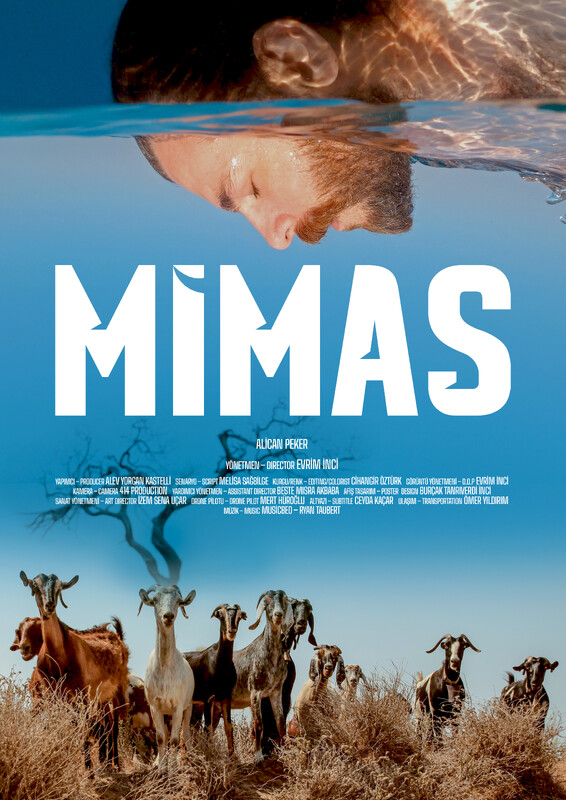
Mimas, 5min. Turkey
Directed by Ervim Inci
Alican Peker, who takes on the task of bringing water to the goats who live alone on an island and have no drinking water sources, also does not remain silent about the problems of other creatures in the area where he lives.

https://www.instagram.com/evriminci/?hl=en

Watch Today’s FREE Festival: EUROPEAN DOC Shorts Fest

FREE festival starts at 8pm EST tonight at http://www.wildsound.ca/browse

Watch the festival here: https://www.wildsound.ca/events/european-doc-shorts-fest

Mimas, 5min. Turkey
Directed by Ervim Inci
Alican Peker, who takes on the task of bringing water to the goats who live alone on an island and have no drinking water sources, also does not remain silent about the problems of other creatures in the area where he lives.

https://www.instagram.com/evriminci/?hl=en

On Village Community and the Digging of Turf in Bobry, 2min., Poland
Directed by Joanna Polak
Film about the olden village tradition of digging for turf.

On a Mysterious Rock in a Mysterious Forest, 2min., Poland
Directed by Joanna Polak
Film about childhood spent in a forest which children saw as Paradise.

On My Great-Grandmother Julia’s Orchard, 2min., Poland
Directed
Directed by Joanna Polak
Film about an orchard where deer came to live, and stayed the year round.

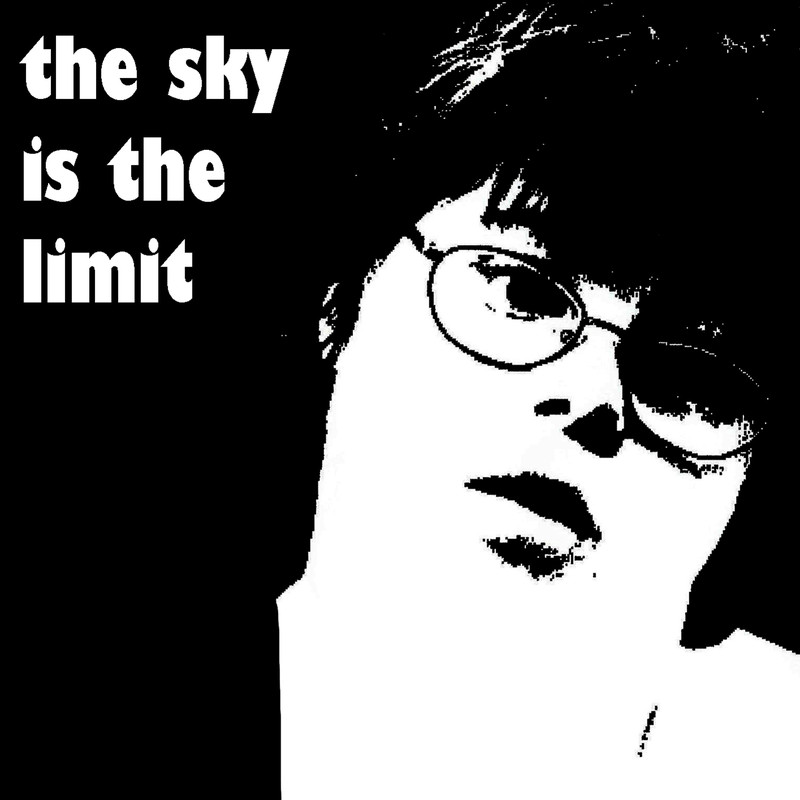
the sky is the limit, 25min., UK
Directed by Mirka Anderson
Despite all social, physical and psychological adversities she is a symbol of success as a prolific artist and emanates positive energy with calm, humour and affection. She is a genuine star !

Watch the STYLE, EXPERIMENTAL, FASHION Shorts Showcase

FREE festival starts at 8pm EST tonight at http://www.wildsound.ca/browse

Watch the festival here: https://www.wildsound.ca/videos/style-experimental-fashion-shorts-showcase

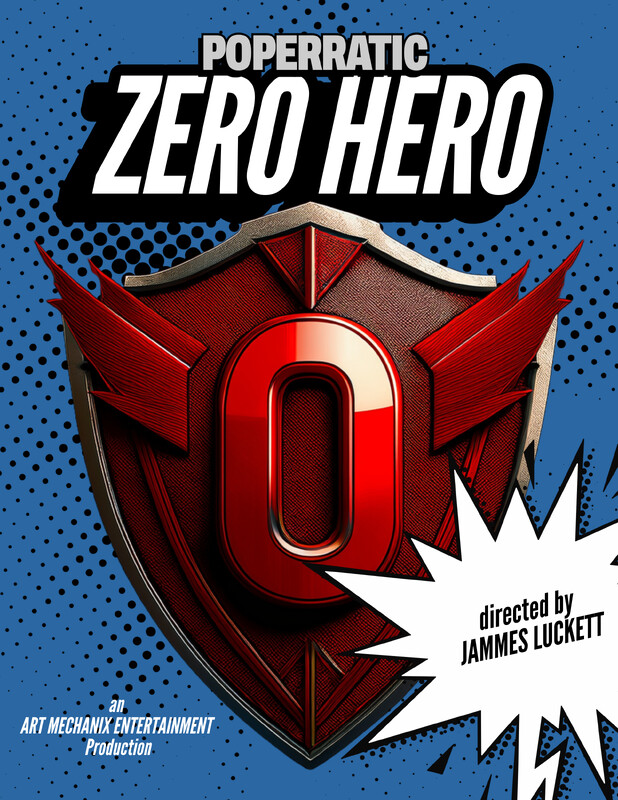
Poperratic: Zero Hero, 4min., USA
Directed by Jammes Luckett
“Zero Hero” is a layered new indie music video animated by the solo artist behind alternative rock project Poperratic. The clip marks the song’s 25th anniversary (after multiple appearances in film and TV soundtracks). The video offers a visually dynamic and layered exploration of the human condition through a metaphorical superhero origin story.

https://www.artmechanix.com/zero-hero

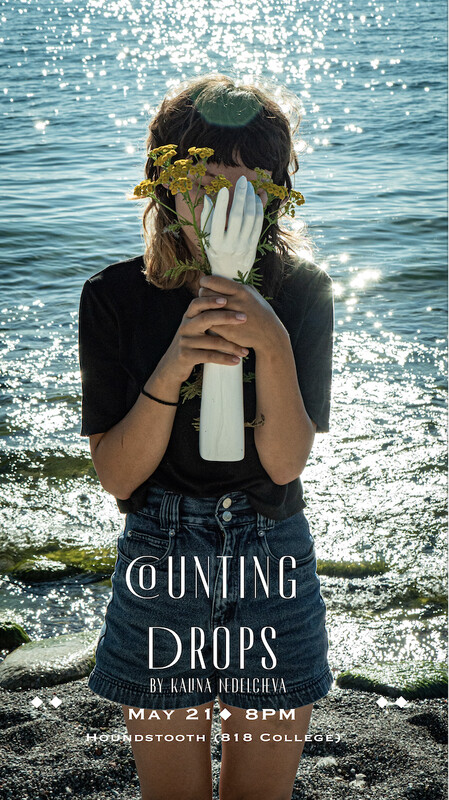
Counting Drops, 19min., Canada
Directed by Kalina Nedelcheva
“Counting Drops” is an audio-visual sensory poem that explores themes of intimacy, sexuality, and love through symbols, gestures, and textures. The experimental film’s three cantos depict different relationships to love—sensual love, sustainable love and heartbreak, and self-love, respectively. The first canto, filmed in Cape Chignecto Provincial Park (Nova Scotia), is a visual sequence of the awakening body as it morphs into the sensual shapes and textures of cliffs at low tide. The second canto, shot at Tommy Thomson Park (Toronto), works through themes of sustainable romantic love and growing apart on the background of the industrial lakeside. The third canto, filmed in the artist’s bathtub, presents a more contained picture of self-discovery and confronting the practice of self-love on a deeply intimate level.

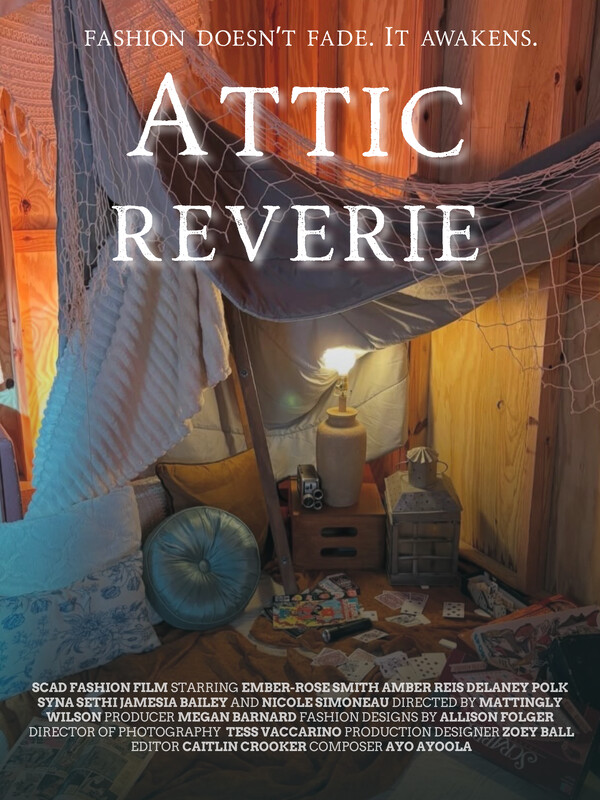
Attic Reverie, 1min,. USA
Directed by Mattie Wilson
A Child wonders into her families attic, only to watch the world come to life around her

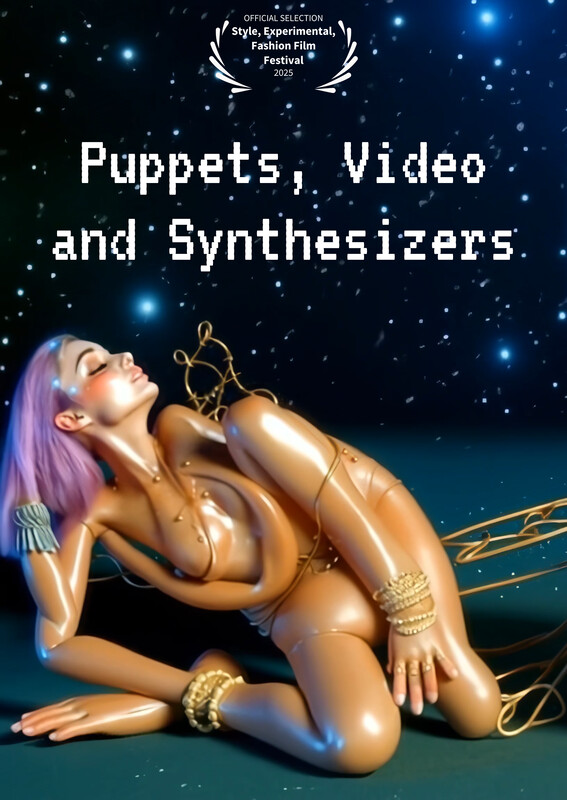
Puppets, Video and Synthesizers, 6min., Portugal
Directed by Leonel Vieira Coelho
Puppets, Video and Synthesizers is a surreal meditation on mimicry, media ritual, and recursive identity. Set in a hyper-stylized, dollhouse-like world of glistening surfaces and analog devices, the film loops through layers of screen-bound selves, where puppets watch puppets watching television. With ritualistic mantras, flickering broadcasts, and an eerie stillness pierced by absurdity, the film becomes both stage and screen, performance and playback.

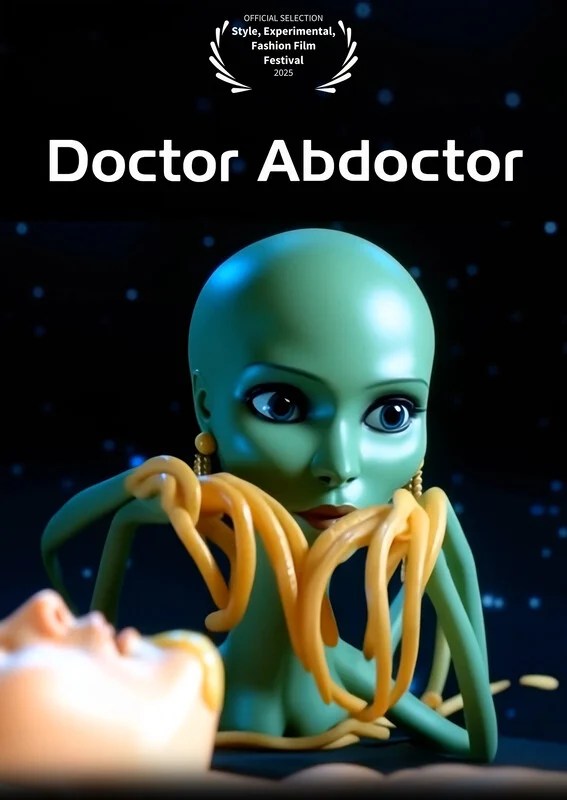
Doctor Abdoctor, 5min., Portugal
Directed by Leonel Vieira Coelho
Doctor Abdoctor is a poetic meditation on identity, perception, and the porous boundary between embodiment and thought. The film blurs the line between alien abduction and philosophical awakening. Visually arresting and philosophically charged, Doctor Abdoctor explores the strange beauty of being—when memory flickers, and consciousness drifts between the imagined and the unknown.

In Warsaw, 1min., Poland
Directed by Dominika Machel
“In Warsaw” uses the unique, historic interiors of a traditional stucco workshop as the backdrop for a fashion film. The main shot, captured in a heritage stucco studio in Warsaw, serves as a tribute to material culture and architectural heritage. The installation blends aesthetics, history, and new media, creating a bridge between physical and digital space, while the fashion-driven narrative brings a contemporary context to the classical setting.

https://www.instagram.com/dominika_machel/

Wall unit, 10min., Poland
Directed by Joanna Polak
A ramshackle wall unit is a symbol of the monotonous life of a certain 40-year-old man living in a grey, dirty post-communist block of flats district. Right after his birthday, suffering from the midlife crisis, the man decides to change his dull and routine-based existence. Alas, his wife stands in the way.

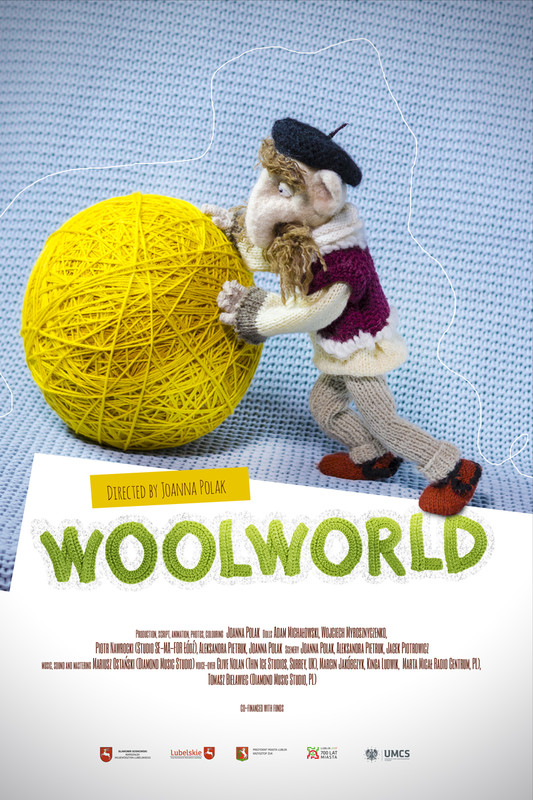
WOOLDWORLD, 10min., Poland
Directed by Joanna Polak
Have you ever wondered what live would be in a world made of wool? In Woolworld, people, animals and everything that surrounds them is made of wool and all is closely tied together. The only person capable of making sure that Woolworld functions smoothly is Mr. Wooly. He is, however, old and tired and he wants his life to change. Unfortunately… his wish gets granted.

Today’s Podcast: EP. 1530: Screenwriter Laurie Gruber (RAVEN’S CHOICE)

Watch the best scene reading: https://www.youtube.com/watch?v=-QDNj491w8Q

James Stuart Donovan Hastings, Earl of Billingswood, has had one headache after another. First his home is in disrepair, his nephew is too young for his own good, his best friend thinks he’s gone round the bend and now someone just tried to kill him. If it wasn’t for the angel with strawberry blonde hair and amethyst eyes, he might well be dead. Blasted horse, thinks he knows more than the master!

What is your screenplay about?

James Stuart Donovan Hastings, Earl of Billingswood, has a potentially deadly encounter on his way to Sandringham. He is rescued by a beautiful angel. His horse decides it is his right to make choices for the master. Can there be a happy ending?

Why should this screenplay be made into a movie?

With the success of other Historical Fiction/Romances such as Bridgerton allowing for viewers the chance to escape their day to day experiences, allowing them to immerse themselves in an era that has been romanticized.

How would you describe this script in two words?

Captivating drama

What movie have you seen the most times in your life?

Princess Bride

How long have you been working on this screenplay?

Couple of months

How many stories have you written?

Seven novellas

Subscribe to the podcast:

https://www.instagram.com/wildsoundpod/

https://www.facebook.com/wildsoundpod

Today’s FilmFreeway Testimonial: FEEDBACK Female Film Festival

Deadline Today to submit via FilmFreeway. 86 FIVE Star Reviews!

This is an amazing festival!! The communication and the professionalism of the team is wonderful. The promotion of my short film “Another Saturday” has been beyond what I have experienced in other festivals. The amount of promotional options for my film has helped my as a filmmaker most notably the video of the audience FEEDBACK. I know of no other festival that provides this capability. I am so honored that it was chosen as Best Story. Thank you FEEDBACK Female Film Festival for an experience that I will never forget and am so grateful.

Storyboard Artist Kurt Van der Basch (Star Wars Episodes VII and VIII)

A storyboard artist, or story artist, creates storyboards for film productions that are generally for large scope scenes, actions, and/or camera movements. The artist visualizes the story in collaboration with the director and sketches frames of the story on paper.

It was an honor to sit down with the brilliant storyboard artist Kurt Van der Basch, who  worked on Star Wars: Episode VII. Of course he’s not allowed to talk about it, which is fine because there are so many other questions to ask him.

Please go to his website or follow him on Facebook and view 100s of storyboards from his various credits, including: Assassin’s Creed, Sense8, The Borgias, Chronicles of Narnia, and The Illusionist, to name a few.

www.facebook.com/kurtvanderbaschstoryboards

www.kurtvanderbasch.com

Matthew Toffolo: I understand that you are not allowed to talk about Star Wars! No problem. Are you allowed to say that you had a creatively inspiring experience?

Kurt Van Der Basch: Yes, I can definitely confirm that it was a creatively inspiring experience and I loved the result as much as everyone else seems to have.

Matthew: Looking at your storyboard examples on your website your storyboards are so visual and amazing to look at. I see the story unfold by just looking at the images. They are like a graphic novel that could be published. Do you have any (or many) graphic novel ideas?

Kurt: Thanks a lot. Sequential illustration is sequential illustration whether it’s in the rougher form of storyboards (usually, at least) or in the ready-for-publication form of a graphic novel. We more or less tell stories the same way in both fields. It’s interesting too that with the growing popularity of graphic novels and the rise of DVD extras that storyboards, interest in storyboard art has grown a lot. Now lots of people know what they are and are keen to see them. As for graphic novel ideas – I have lots of but I don’t consider myself much of a writer. I’m still waiting for ‘the perfect fit’ with a writer who wants to collaborate.

Matthew: What’s the general working relationship and process between a storyboard artist and the director? How early do you meet before production begins?

Kurt: The storyboard artist can often be among the first crew mambers to start. I did a long job this past year where I was one of the first 3 people hired then slowly more and more crew joined the production. Early on, there’s generally a list of the most complicated scenes which the production need storyboarded for budgeting and planning purposes listed from highest priority to least. In these discussions the 1st Assistant Director is a key player and as the production goes on, it’s the 1st A.D. who always knows best what’s most urgent and what the latest developments are.

Usually the storyboard artist has daily storyboard meetings with the director (Often arranged by the 1st AD. As the production grows and the director begins to be yanked in a million directions these meetings may not be so frequent) and they sit down and discuss the scene. Often the director will start by showing some references, video clips or still images that they think could be a good style or tone guide. If there’s already a production designer then he or she may provide location photos or a model (either a white card one or, more commonly these days, a digital sketch-up model) so we have a geography to work with. Then the director will begin to describe shots of the sequence. While the director is describing the shots I draw quick little thumbnail sketches so the director can intercept and say, for instance, ’no, a little bit wider’ or ‘could it be a slightly higher angle?’ etc. until I am drawing what he or she is envisaging. It’s common dirng these meetings to draw a little plan view and indicate on it camera and characters too. Some directors will dictate every shot of each sequence that gets storyboarded, but, especially on huge action movies where it’s nearly impossible for the director to arrive with all the shots of each scene planned out in their head in advance, some directors encourage the storyboard artist to make suggestions or even ask them to have a crack at the whole scene as they see it. Then the director can react to those ideas and say ‘yes that’s interesting, keep that, but here I thought we could….’ etc. This can be a fun and creative way to work. Later in the production these meetings often include the DoP as well. As time permits the little thumbnails drawn during the meeting are taken away and the storyboard artist makes more clear and solid versions of them with directional arrows and shot descriptions added next to the panels, plus proper scene and shot numbering. Sometimes time doesn’t permit and it’s necessary to settle for the rough thumbnail scribbled out in the meeting. Sometimes the director insists on the storyboards being left at the rough stage so the crew won’t take particularities of the drawings too literally.

Matthew: When talking about the cinematic design with the director, is the overall theme and tone of the film always present in each storyboard you create?

Kurt: It can be but isn’t always. Sometime it’s very technical and the most important thing is just to clearly show a certain camera move + character action. If your drawing can convey a bit of the atmosphere in these instances that’s great but not if it takes away the clarity.

Matthew: How is the process different when doing a TV episode assignment in comparison to working on a feature film?

Kurt: TV production usually doesnt have the luxury of pre-production time that film has. From what I’ve seen TV directors tend to behave and are treated much more as regular crew members and in my experience TV directors tend to be extremely focussed and organised knowing how little time they will have to complete their block of episodes (on a series the directors usually trade off in ‘blocks’ of episodes so while one is shooting their 2-3 episodes the other is prepping theirs.) The TV storyboard process can be more intense – longer hours and more frames per day, and often less ‘finished’ in order to get all the necessary sequences boarded before shooting. Also there’s less scope for spontaneous ideas – a sudden brilliant suggestion of a shot from inside the microwave can’t just be thrown in in TV world without serious consideration of the extra time and cost etc. I really enjoy storyboarding for TV.

Storyboard from DEAD SNOW 2 (2014), Director Tommy Wirkola

dead_snow_storyboard.jpg

Matthew: What are you looking for in a director?

Kurt: Well the question is really what are they looking for in me because it’s me who is hoping to get hired. But if they do pick me then I look for patterns in how they describe things so I can get to sense what they probably will want as quickly as possible. For some directors articulating the shots they need isn’t as easy as it is for others and it’s the storyboard artist’s job to help with this. This is where the thumbnailing process can be great. Sometimes seeing my totally wrong scribble can be the very thing that helps a director get across the shot in his or her head. On the other hand I’ve worked with directors who draw beautifully and make perfect thumbnails that are a very clear guide that I then just have to draw up in a more finished way.

Matthew: Do you have a Storyboard mentor?

Kurt: The Engish storyboard and strip cartoon artist Martin Asbury essentially created a whole style and standard in the industry that influenced a whole generation of storyboard artists, at least here in UK/Europe. I’ve been lucky enough to work with him twice and both were great experiences. On top of being a huge talent he’s also a really funny and generous man.

Matthew: You have worked on a lot of Action, Fantasy, and Horror films. How important is the creation of the storyboard to the production team for these genres?

Kurt: In an action movie there’ll be two or three big sequences that the storyboard artist works on and sometimes just these scenes may be revised over and over the entire time on the job.

Storyboarding is more important for these genres than others because of all the VFX and stunts involved. Storyboards are neessary initially for making a budget because it answers questions like: In how many shots do we see the flying ship? How often does the camera tilt up enough to require digital set extension? Do we see the stuntman land or does he just fly off the roof? etc. Often it goes that once boards are made of scenes and compared with the budget then the producers then get out their sharpies and start crossing out shots that the production can’t afford. Then it becomes a discussion of where to use the VFX bdget to best advantage. Of course storyboards are also needed in these genres beyond just technicalities but to give an idea of a scene overall and know if it works in terms of drama and suspense. For this, sometimes the individual storyboard frames are plugged into editing software to make a ‘board-o-matic’ that plays the frames in order with timing and added music and sound effects. This can really give a feeling of the final sequence before it’s actually shot. There are some great examples of this on You Tube from Captain America.

Matthew: The film “Serena”, starring Bradley Cooper and Jennifer Lawrence is almost a lost film. Many film fans don’t even know it exists despite the all-star cast. The film is also a bit of a departure for you as it’s a straight up drama. Can you tell us your experiences working on that film and how working on a drama is different from the action/movement movies you generally work on?

Kurt: It’s the strangest thing isn’t it? I think it’s a good movie yet it took ages to be released and even then it was very limited. I was hired in this case by the production designer Richard Bridgland who I had worked for on Alien vs Predator. I did ink and marker illustrations of all his sets for presentation to the director Susanne Bier and then when my job was done the production asked if I could stay on as a storyboard artist as there were a few scenes where it moved out of the relam of straight-up drama and needed storyboarding. An accident on the cutting slope of a logging camp involving trains and falling trees and later a sort of chase scene and fight.

Storyboard from SERENA (2014), Director Susanne Bierserena_storyboard

Matthew: Besides the films you’ve worked on, what movie have you seen the most in your life?

Kurt: Definitely ‘The Exorcist’. But a close second is the annual holiday showing of ‘The Sound of Music’ which is a Canadian tradition since before I can remember. I also know most of ‘Mommy Dearest’ by heart.

Matthew: You have worked on over 40 productions in the last 15 years. Do you have a favorite experience?

Kurt: Working on ‘Cloud Atlas’ was probably the most memorable. It was just such a great group of people over in Berlin and the script is magic to me. So ambitious and crazy but they pulled it off. I also did a sci-fi short called ‘A Living Soul’ with the Swedish director Henry Moore Selder that was really cool. On a short there’s limited money and the storyboards make a huge difference to the production. We did about 400 frames in 2.5 days on that project and the result, I think, is fantastic.

Storyboard from CLOUD ATLAS (2012), Directors Tom Tykwer, Andy & Lany Wachowski

cloud_atlas_storyboard.jpg

Matthew: What director would you love to work with that you haven’t worked with yet?

Kurt: There’s a few. Maybe when Xavier Dolan makes an action or Sci-fi movie I’ll get to work on it. He’s a genius. And there’s also Ridley Scott!

_____

Interviewer Matthew Toffolo is currently the CEO of the WILDsound FEEDBACK Film & Writing Festival. The festival that showcases 10-20 screenplay and story readings performed by professional actors every month. And the FEEDBACK DAILY Festival held online and in downtown Toronto Thursday’s of every single month. Go to www.wildsound.ca for more information and to submit your work to the festival.
Today’s FilmFreeway Deadline: New York FEEDBACK Film Festival

Deadline Today – Submit via FilmFreeway:

FILM FESTIVAL:

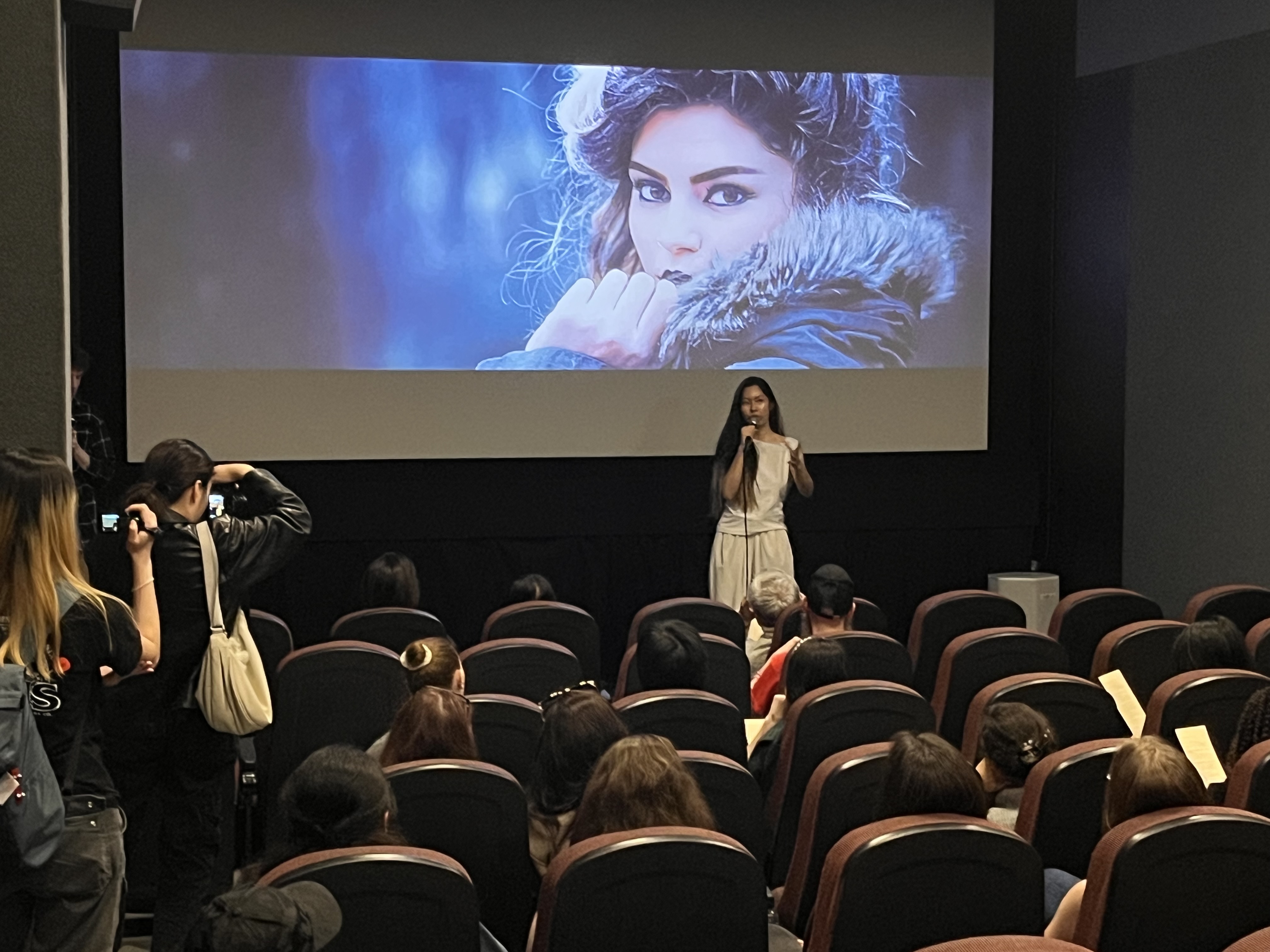
We are proud to announce a FOUR tier festival set up of your accepted film at the festival. Two screenings of your film at our festival, plus two separate interviews.
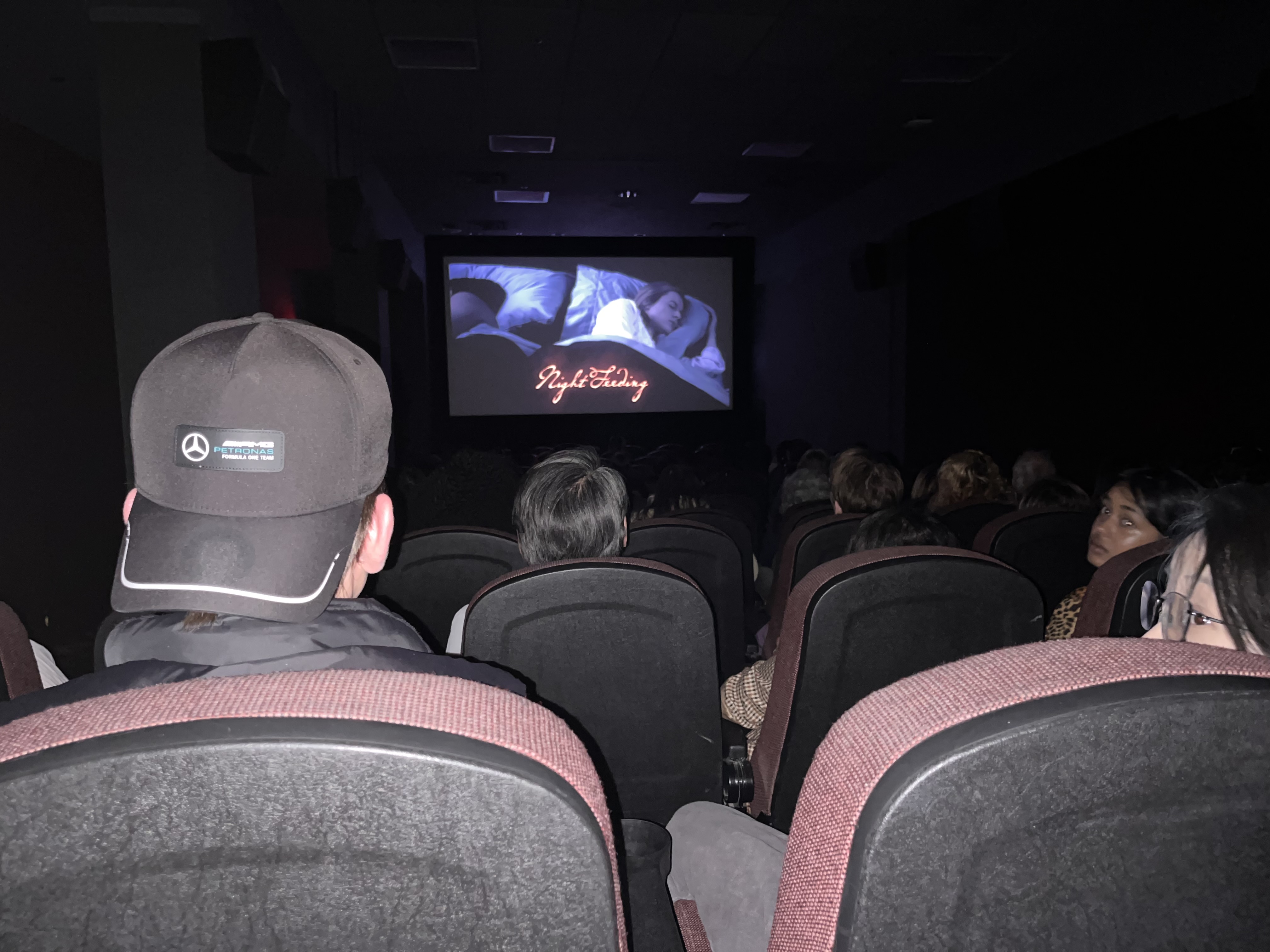
Screening #1 will take place in NYC and will be a private screening for a select group of people. They will then go home after the festival and record their comments of your film. Then we turn those comments into our regular FEEDBACK Festival Video.

For context, here is an example of a video from a recent festival: https://www.youtube.com/watch?v=EviO64sSbrA

Screening #2 takes place one time only (for FREE) VIRTUALLY for all to see on our online feed every single day. 365 festivals in 2022. Already these screenings are garnering an audience of 1000s each day.

So in the end you will have TWO showcases of your film and you’ll receive your audience feedback video a week before the Virtual Festival.
Then (Tier #3) we will send you a list of questions to answer for our blog interview that will promote you and your film. Then after that (Tier #4) we will set up a podcast interview on our popular ITunes show where will we chat with you about the process of how the film was made.

SCREENPLAY FESTIVAL:

Winning screenplays are performed by professional actors and made into a video each month.

FULL FEEDBACK on all screenplay submissions.