Interview with Nathan Ludwig (GenreBlast Film Festival, Festival Director )

 GenreBlast is an upstart film festival that had a very successful first year at the revitalized state-of-the-art State Theatre in wonderful downtown Culpeper, Virginia. Our second year will emanate from an exciting, soon-to-be announced venue! They celebrate the finest in true genre cinema and are looking for your best features, shorts, music videos and screenplays in the categories of horror, action/adventure, sci-fi, fantasy, martial arts, exploitation, documentaries, animation, grindhouse, suspense/thriller, international, experimental and more!

http://www.genreblast.com/

Matthew Toffolo: What is your Film Festival succeeding at doing for filmmakers?

Nathan Ludwig: We pride ourselves on creating a completely welcoming experience for both filmmakers and movie lovers alike. It’s all about the movies and it’s all about the artists who make them. In our first year, we had about half of our official selections represented by either directors, writers, producers or actors. We had about 19 features and around 80 shorts as well as over a dozen screenplay finalists – so to say we were pleasantly surprised by the response would be an understatement. The bottom line is we take the time to get to know all of our filmmakers and their passions. We are also independent film makers and screenwriters in our other lives and we have been to many festivals as official selections, awards nominees and just as moviegoers and we know what works and what doesn’t work when it comes to putting on a fun weekend of movies, parties and networking.

MT: What would you expect to experience if you attend the festival this year (2017)?

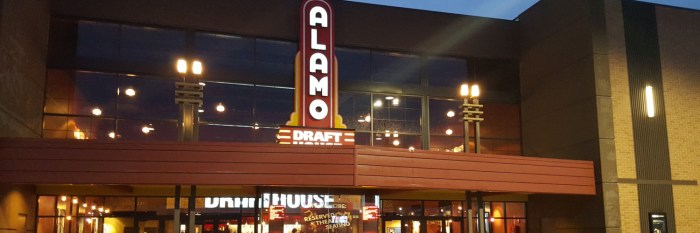
NL: We are moving to a new venue this year – the Alamo Drafthouse Theater in Winchester, VA. Last year, our first year, we emanated from the historic State Theatre in Culpeper, VA. It was a newly restored classical movie theater originally constructed in 1938. We were literally the last event to play there before it closed its doors due to problems with fundraising. It’s currently in turnaround to new owners and the fate of the State Theatre is up in the air so we decided to change locations and get the word out as soon as possible. We were very lucky to secure the weekend of Sept. 8-10 of this year for GenreBlast 2. Andy Gyurisin is the Creative Manager at the Alamo Winchester and he was on board from the beginning for what we are offering to film nerds and film makers with out upstart fest. We really hope to make the Alamo the official home of GenreBlast for the foreseeable future. It’s such an amazing venue and extremely conducive to events like GenreBlast.

This year, there will be plenty of networking parties, discussion panels and Q&A sessions after each and every screening, for both shorts and features. The owners of the Alamo Drafthouse Winchester also own the neighboring Country Inn & Suites and will be providing room discounts for fest attendees. They also own the adjacent Green Turtle bar & restaurant which will also be at our disposal the entire weekend. The Alamo itself has a full bar and a huge food menu. You’ll be able to eat and drink to your heart’s content all weekend! It’s going to be one long, continuous party for artists and lovers of film and screenwriters to come together and celebrate what we all love the most. Movies!

MT: What are the qualifications for the selected films?

NL: I’m not quite sure what you mean by this question. Do you mean what do the selected films all have in common or what do you need in order to be a selected film? Or something else?

MT: Do you think that some films really don’t get a fair shake from film festivals? And if so, why?

NL: I truly believe, at this level of film fests, the cream rises to the top. It just does. If your film is worth a screening, it will find an audience. Not everything gets into every fest, that’s just unrealistic. You just have to know what you have, know your audience and do your homework as to which fests to submit to. Don’t submit your shot-on-VHS zombie ninja movie to an indie film fest that focuses on straight-up dramas and comedies. You’ll end up frustrated and disappointed. Stay informed and keep up with the festival scene on a regular basis.

MT: What motivates you and your team to do this festival?

NL: We are obsessed with movies. It has been a dream of mine to hold an annual film fest curated by myself and my closest friends. For a handful of years, I kept making excuses as to why it wasn’t possible or feasible. One day, I just decided to get up off my butt and actually do it. Lo and behold, it happened and the whole thing went off without a hitch. We had an amazing turnout and many attendees commented it was the best run first year film fest they’ve ever been to. If you check out our reviews on FilmFreeway, you’ll see we’re not lying.

At the end of the day, all I care about is movies – whether it’s watching them, writing them (or about them) or making them. I wanted to channel my unconditional love and idiosyncratic passion for that into one yearly cinematic event. The fact that two of my closest friends agreed to come along on this weird, crazy ride is one of the biggest rewards so far.

MT: How has your FilmFreeway submission process been?

NL: The response on FilmFreeway has been positively insane. We are already outpacing last year’s submissions by a ridiculously wide margin. However, that shouldn’t deter anyone from submitting. We watch EVERYTHING from start to finish, even if you submit it at the very last second of the final deadline. If you care enough to submit, we care enough to watch/read and evaluate your work fairly and accurately. We have a very eclectic taste in movies and there’s nothing that really offends us or turns us off (except for poor filmmaking).

MT: Where do you see the festival by 2020?

NL: By that time, we will be in our fifth (!) year and by then, we want to be one of the premier genre film fests in the country. We want to be a destination fest for audiences and artists alike to converge and mingle amidst a killer lineup of genre films. We want to be like Fantastic Fest when we grow up.

MT: What film have you seen the most times in your life?

NL: The Good, The Bad and the Ugly. Or maybe Scarface. Or was it Casino? Maybe it was one of the Godfather movies. If it’s three hours long and features tough fellas being tough, I’ve probably seen it several dozen times.

MT: In one sentence, what makes a great film?

NL: A great film is one you can’t go without recommending to anyone who will listen.

MT: How is the film scene in your city?

NL: Winchester has a fiercely intelligent as well as warm and inviting film community – from the Winchester Film Society to Andy Gyurisin’s Film Club 3.0, which screens eclectic selections at the Alamo Drafthouse itself on a regular basis. GenreBlast will be right at home in this picturesque Virginia town.
genreblast1.jpg

_____

Interviewer Matthew Toffolo is currently the CEO of the WILDsound FEEDBACK Film & Writing Festival. The festival that showcases 20-50 screenplay and story readings performed by professional actors every month. And the FEEDBACK Monthly Festival held in downtown Toronto, and Los Angeles at least 2 times a month. Go to www.wildsound.ca for more information and to submit your work to the festival.

Interview with Jorge Gonzalez, Launch Pad Screenwriting Competitions

The Launch Pad is a place dedicated to launching writing careers. Going well beyond what other competitions offer, we have created a platform that has helped more than 180 writers launch their careers. Utilizing our three competitions – pilots, features and manuscripts – as well as our advanced coverage services, we provide a hub that reaches far beyond a simple prize with your name listed on a site. The Launch Pad is a community of writers, executives, agents, managers and producers working together with one focus in mind – THE WRITER.

https://tblaunchpad.com/

Matthew Toffolo: What is your Film Festival succeeding at doing for filmmakers?

Our competition has been able to get more writers signed in the last 4 years then any other competition out there. We pride ourselves in using our deep industry relationships with agents, managers, and executives to give writers the necessary exposure to take the next step in their writing career.

MT: What would you expect to experience if you attend the festival this year (2017)?

If you enter our competition we guarantee that your script will receive at least two complete reads from professional readers who have read or currently still read for major agencies, management companies, studios, and production companies. A large number of scripts receive additional internal reviews as well. We take great pride and responsibility in the submissions we receive and so we work tirelessly trading hundreds of emails, texts, and phone calls with reps to help everyone from our Top 75 to our Winners get the recognition they deserve.

MT: What are the qualifications for the selected films?

Our competition is open to writers of all levels. Their script needs to be an original work, which must be their sole property and not have previously sold or placed Top 25 or higher in one of our previous competitions.

MT: Do you think that some films really don’t get a fair shake from film festivals? And if so, why?

That’s a really great question. I know for some of the bigger festivals that carry a lot of prestige like Sundance, TIFF, SXSW, and Austin, they are flooded each year with a huge number of entries. So the competition is fierce and many great films still may not make the cut. That said, I think those festivals really pride themselves in curating their films with thought provoking and unique films while simultaneously looking to identity new and emerging creators. There are also countless other respected festivals that are great ways for creators to gain recognition and get the exposure necessary to help their career. These festivals may be more accessible and a good first step along the journey.

MT: What motivates you and your team to do this festival?

For many of us here we come from a writing background and have also worked at management and production companies. Having been on both sides of the business we’re able to understand the needs of our writers and the reps that we work with. What gets us fired up is working with writers who if it weren’t for our competition may not have access to Hollywood and couldn’t otherwise get their material in the hands of some of the industries biggest agencies and management companies. The way that we see it is we’re here to try and help people jumpstart a professional writing career, and instead of climbing up from the bottom of a ladder we want to give them a boost so they can start half way up. With each of our competitions we’re able to help dozens of new writers land representation or set up their projects. Writers who have placed or won our competitions have sold six-figure spec scripts
to studios like Fox and Paramount and are currently writing for shows like Timeless, i-Zombie and Stranger Things amongst others. We’re truly humbled by the amount of success our writers have been able to achieve as a result of our competition.

MT: How has your FilmFreeway submission process been?

Film Freeway has been great. They have such a streamlined and easy way to connect with writers and have become the premiere hub for festivals and competitions.

MT: Where do you see the festival by 2020?

In space! Just kidding. We’ve been fortunate enough in the last year to partner with some of the biggest companies in the business. Just last year we partnered with Ridley Scott’s – Scott Free Productions, Roy Lee’s Vertigo Entertainment, and Brooklyn Weaver’s Energy Entertainment to name a few. These partnerships give us an opportunity to offer entrants prizes that include guaranteed signing and guarantee option opportunities from some of the biggest names in Hollywood. As we continue to grow we want to find new and innovative ways to partner with more companies to offer writers unique career opportunities that can’t be found anywhere else.

MT: What film have you seen the most times in your life?

Oh man this is a tough one! I’d say its a tie between Toy Story and Gladiator. Two widely different movies but both were staples during different times in my life. Toy Story was definitely my go to VHS movie growing up, and Gladiator was the first DVD I ever bought. The movie is a masterpiece!

MT: In one sentence, what makes a great film?

Strong characters who are led by their convictions regardless of their morality.

MT: How is the film scene in your city?

LA is the movie capital of the world. You really can’t go anywhere without running into someone who isn’t connected to the entertainment industry in some capacity. There is such a wealth of talent and creativity here that is remarkable. You never know who you’ll meet and as far as the the entertainment industry is concerned, there are so many chances to work or collaborate with amazing people. Los Angeles is one of those special cities where you can truly see your dream and passion come to life. Oh and lets not forget the never ending sunshine!

launch_pad

_____

Interviewer Matthew Toffolo is currently the CEO of the WILDsound FEEDBACK Film & Writing Festival. The festival that showcases 20-50 screenplay and story readings performed by professional actors every month. And the FEEDBACK Monthly Festival held in downtown Toronto, and Los Angeles at least 2 times a month. Go to www.wildsound.ca for more information and to submit your work to the festival.
Interview with Patrice Francois, Festival Director IMAGINE THIS WOMEN’S INTERNATIONAL FILM FESTIVAL

Imagine This Women’s International Film Festival: Imagine This Productions is dedicated to providing aspiring women storytellers and filmmakers a space to encourage and develop creative projects by women. ITP’s goal is to support women by sharing their work to the public, promoting equal opportunities, encouraging professional development, and serving as a resource informative network. 

http://imaginethisprods.com/
 
Matthew Toffolo: What is your Film Festival succeeding at doing for filmmakers?

Patrice Francois: I believe our film festival is succeeding at proving a platform for underrepresent women filmmakers from all over the world. We’ve showcased films from Afghanistan and Palestine. Our 2016 Best Documentary short film, “Shireen of Al-Walaja” by director Daz Chandler, is about an intimate portrait of a dynamic and popular Palestinian resistance leader, who left her full-time job at the UN to return to her home village of al-Walaja and fight for her community. And one of the attendance thanked us for being risky and showing the film. He told us that many other platforms wouldn’t dare screen the film because of the sensitive subject. We feel that We’re not here to play politics, if you do good work and you have a great story to share, your story deserves to be seen no matter what.

MT: What would you expect to experience if you attend the festival this year (2017)?

PF: A very divers selection of films of unique and compelling stories. A number of films will touch on themes related to personal struggles within political and social conflicts across the world. Oh, a great after party with attendees and some of the filmmakers.

MT: What are the qualifications for the selected films?

PF: That’s easy. Must be made by a women filmmaker either directed, produced or written. And of course, a great story.

MT: Do you think that some films really don’t get a fair shake from film festivals? And if so, why?

PF: Definitely. I’ve done the whole submit your film to film festivals and had endless discussions with other women filmmakers, so I know first hand how “un-fair” it can be sometimes. One of the main reason we started Imagine This. I think there’s just a lot of politics involved, I mean there’s politics involved in just about everything, but I’ve been to local film festivals that are supposed to be focused on indie, low budget films and some of the selected films have been made with well known actors and/or their budgets didn’t fit in “low” category.

MT: What motivates you and your team to do this festival?

PF: We understand the obstacles that exist for new and up-and-coming filmmakers. We decided it was important to help cultivate an appreciation for a wide range of unique and compelling stories, especially those from women who have been traditionally underrepresented in film.

MT: How has your FilmFreeway submission process been?

PF: We’ve seen a tremendous response, and are quite frankly blown away by the quality of submissions we’ve seen. We’re trending to doubling the amount submissions from last year.

MT: Where do you see the festival by 2020?

PF: It’s clear that there is tremendous female filmmaking talent out there, but there is still so much work to be done to create an inclusive environment that supports women storytellers, so I guess a bigger and better festival that’s more established in the NY film festival scene.

MT: What film have you seen the most times in your life?

PF: Let see, I would say “Heat”. That scene between Robert De Niro and Al Pacino in the diner scene is one of my all time favorite scenes. Plus I love Val Kilmer, he’ll always have a special place in my heart as well as my mother’s, lol

MT: In one sentence, what makes a great film?

PF: A film should have a great story and it should be compelling, it should be able to capture the mind of the audience, it should strike a chord, actors should run with the story and own it. the actors and the visuals should have a nice balance.

MT: How is the film scene in your city?

PF: Oh gosh, I live in the “country”, so there is no film scene in my town. I have to head down to the city to get my dose of art and culture, lol

imagine_this_2.jpg

_____

Interviewee Patrice Francois is an actor, screenwriter, filmmakers based in the Greater New York area. She is the co-founder of Imagine This Production and the festival director for Imagine This Women’s International Film Festival.

Interviewer Matthew Toffolo is currently the CEO of the WILDsound FEEDBACK Film & Writing Festival. The festival that showcases 20-50 screenplay and story readings performed by professional actors every month. And the FEEDBACK Monthly Festival held in downtown Toronto, and Los Angeles at least 2 times a month. Go to www.wildsound.ca for more information and to submit your work to the festival.

Interview with Eric Simonson, Creative Director DOOR KINETIC ARTS FESTIVAL

Oscar-winning “Lombardi” playwright Eric Simonson is bringing some major creative talent to Björklunden for the inaugural Door Kinetic Arts Festival in June. The week-long festival will provide Door County residents and visitors a peek at the creative process through two staged readings, a dance presentation and the premiere of a commissioned film by Campbell Scott, an award-winning filmmaker and actor, best known for “The Amazing Spiderman,” “Big Night” and “Longtime Companion.”

http://www.doorkinetic.com/

 Matthew Toffolo: What is your Film Festival succeeding at doing for filmmakers?

Eric Simonson: Like all film festivals, the most important thing we do is give a filmmaker a platform. We also invite artists to participate in the festival, which also includes art, dance and theatre. The point of DKAF is to encourage cross-polynization of artistic mediums. As the moving arts become more sophisticated, so does the way in which we express ourselves. DKAF offers 9 days in which which artists from all disciplines come together, see one another’s work, and exchange ideas — all in the inspirational environs of Door County, Wisconsin.

MT: What would you expect to experience if you attend the festival this year (2017)?

ES: Really innovative and rich storytelling experiences from filmmakers, playwrights, directors, actors, artists, choreographers and dancers. We also host several workshops and seminars — all open to the public — headed by internationally renowned artists.

MT: What are the qualifications for the selected films?

ES: Good story-telling, inventiveness in story-telling, economy, a willingness to branch out and express oneself in innovative ways.

MT: Do you think that some films really don’t get a fair shake from film festivals? And if so, why?

ES: Yes. I believe that most festivals have challenging selection processes. There are so many good films out there, but screening committees are often too ad hoc and not fair. We strive for a thorough vetting of quality films at DKAF.

MT: What motivates you and your team to do this festival?

ES: We love a good story. We love creating and presenting things in Door County, which is an artist’s home for many working in different mediums. We want people to experience Door County first hand and to find inspiration to create more and better art.

MT: How has your FilmFreeway submission process been?

ES: Pretty Great. The folks FilmFreeway are always coming up with intriguing ways to make the submissions process easier, and allow the filmmakers to find the festivals that are right for them.

MT: Where do you see the festival by 2020?

ES: We’re new and very young. We don’t want to become an overly big festival, but we want the quality of our work to improve annually. We want to pack as much art and inspiration as we can in 9 days!

MT: What film have you seen the most times in your life?

ES: 8 1/2 by Frederico Fellini. Hands down my favorite film of all time. Though CITIZEN KANE is up there too.

MT: In one sentence, what makes a great film?

ES: GOOD STORY!

MT: How is the film scene in your city?

ES: I live in LA (if that’s what you mean). It’s hopping. In Bailey’s Harbor WI, there’s not much going on, though there is a growing local interest in filmmaking. Why not? The medium is becoming easier and easier every year.

door_kinetic_arts_festival_2

_____

Interviewer Matthew Toffolo is currently the CEO of the WILDsound FEEDBACK Film & Writing Festival. The festival that showcases 20-50 screenplay and story readings performed by professional actors every month. And the FEEDBACK Monthly Festival held in downtown Toronto, and Los Angeles at least 2 times a month. Go to www.wildsound.ca for more information and to submit your work to the festival.

Interview with Doug Whipple, Executive Director NEW HOPE FILM FESTIVAL

The New Hope Film Festival is sponsored by Comcast Corporation, Times Publishing Newspapers, Inc., Greater Philadelphia Media, and the Greater New Hope Chamber of Commerce. The 8th annual festival will take place from July 21 – 30, 2017. Decisions will be emailed by May 1, 2017.

Touted as the “emerging ‘Sundance East'” in a Huffington Post article, this internationally respected indie fest was founded by D. F. Whipple, an author screenwriter and long-time resident of the New Hope, Bucks County area. Whipple formed New Hope Film Festival with a group of artists who shared his passion for discovering and nurturing independent artists, especially those who’ve been overlooked by established festivals. This includes international films, which the Festival is eager to attract.

http://www.newhopefilmfestival.com/

Matthew Toffolo: What is your Film Festival succeeding at doing for filmmakers?

A number of our films have landed distribution deals, for example Freestyle Digital Media picked up The Syndrome, but we’re doing a lot more than moving films through distribution channels. We’re changing lives. Formerly obscure filmmakers are gaining mainstream recognition. Two of my favorite examples screened at NHFF in 2010: Andreas Arnstedt, whose film The Dispensables (Die Entbehrlichen) earned a Best Debut Film nomination from German Film Critics Association and Sisir Sahana in India, who is now a respected educated and filmmaker.

MT: What would you expect to experience if you attend the festival this year (2017)?

Network with other, like-minded film industry professionals, gain inspiration from watching amazing films, gain worldwide exposure and potentially get mainstream press.

MT: What are the qualifications for the selected films?

Artistic merit, period.

MT: Do you think that some films really don’t get a fair shake from film festivals? And if so, why?

Yes, absolutely! Politics. Too often, festivals invite films into their festival through the back door due to personal connections or affinity with the subject matter without seriously considering films that we submitted through publicly-available channels. This is something we never do. Everyone gets a fair chance here. We never invite films into the festival. In fact, this is why Director of Submissions Thom Mulligan and I started the New Hope Film Festival. He had experienced some frustrating experiences on the festival circuit after submitting his own film, Callous.

MT: What motivates you and your team to do this festival?

Fairness was our initial motivation, but as time went on we found that personal words of appreciation from filmmakers, and the differences we’re making in lives, motivate us to keep doing all of this incredibly hard, year-round. We love doing this!

MT: How has your FilmFreeway submission process been?

The platform is becoming important to us. It’s an easy platform to use and we’re getting some awesome films this way.

MT: Where do you see the festival by 2020?

We’ll be a 10-year-old film festival in 2020, so we should see even more mainstream submissions. We’re already receiving submissions from production companies with serious Hollywood credentials.

MT: What film have you seen the most times in your life?

A reporter asked me this question last year and I discovered that it’s Blade Runner. But I’ve only watched it 3 times. I watch many NHFF films, at least in part, over and over, in the course of my duties as Executive Director.

MT: In one sentence, what makes a great film?

A deep, sincere and organic connection to the material and the project. If you have this, the budget isn’t so important. We do care about production values, but I’ve seen no budget films leave audiences speechless during the final credits.

MT: How is the film scene in your city?

It’s ok. We’re seeing more local production and we definitely have some passionate fans, but we’ve built a festival in an art town that doesn’t even have a movie theater. Filmmakers who come to New Hope fall in love with the town and have a blast, but this is not a zany atmosphere of red carpets and searchlights. New Hope is a charming, intimate place for a film festival.

 
_____

Interviewer Matthew Toffolo is currently the CEO of the WILDsound FEEDBACK Film & Writing Festival. The festival that showcases 20-50 screenplay and story readings performed by professional actors every month. And the FEEDBACK Monthly Festival held in downtown Toronto, and Los Angeles at least 2 times a month. Go to www.wildsound.ca for more information and to submit your work to the festival.

Interview with Festival Director Kanithea Powell (Queer Hippo International LGBT Film Festival)

Queer Hippo is a celebration of queer cinema that brings together authentic stories and audacious audiences for its annual program of original documentaries, dramatic films, original teleplays, music videos and shorts. With filmmaker forums and panels, live music performances, distributors, engaging community and student programs, Queer Hippo brings together today’s most original storytellers to a place where they can collaborate and connect.

http://www.queerhippo.com/

 Matthew Toffolo: What is your Film Festival succeeding at doing for filmmakers?

Kanithea Powell: Queer Hippo provides an amazing platform for queer independent filmmakers. We have had films premier at our festival and go on to win major festivals as a result of winning in Queer Hippo. That says a lot about our ability to choose quality films that tell compelling stories.

MT: What would you expect to experience if you attend the
festival this year (2017)?

KP: Another great year of queer films. Last year Queer Hippo represented over 19 different countries. That’s huge. Expect 2017 to give you nothing less than diverse authentic stories, amazing shorts, moving features and documentaries.

MT: What are the qualifications for the selected films?

KP: The subject matter must be queer.

MT: Do you think that some films really don’t get a fair shake from film festivals? And if so, why?

KP: There are so many great films out there looking for a platform.

If you are a small indie film with a great story, you may not get the attention you deserve when you are up against a larger film with major cast. You can get lost in the shuffle, and that’s unfortunate.

MT: What motivates you and your team to do this festival?

KP: We love cinema. Being able to provide a safe space for our audience to come and enjoy our selection of films means everything. We are in an environment where it is important to tell those stories and continue to show people we are more alike than we are different.

MT: How has your FilmFreeway submission process been?

KP: FilmFreeway has made this process simple and affordable. The platform works flawlessly for the festival programmer and the filmmaker. The site was easy to navigate and gave me exactly what I needed. This allowed us to get about the business of finding great films for our audience.

MT: Where do you see the festival by 2020?

KP: Queer Hippo will be the best place to experience queer cinema.

We will be leaders in providing educational and distribution opportunities for filmmakers.

MT: What film have you seen the most times in your life?

KP: Shine & The Color Purple

MT: In one sentence, what makes a great film?

KP: Storytelling is the beginning and end to a great film.

MT: How is the film scene in your city?

KP: Houston has a small, intimate film scene. Austin gets a lot of the work but I think that will change over the next few years.

queerhippo2.jpg

_____

Interviewer Matthew Toffolo is currently the CEO of the WILDsound FEEDBACK Film & Writing Festival. The festival that showcases 20-50 screenplay and story readings performed by professional actors every month. And the FEEDBACK Monthly Festival held in downtown Toronto, and Los Angeles at least 2 times a month. Go to www.wildsound.ca for more information and to submit your work to the festival.

Interview with director Paul Verhoeven (promoting Golden Globe winning film “ELLE”

elle.jpgAs of this writing, “ELLE” was the winner of 2 Golden Globe Awards (Best Actress, Best Foreign Film), and the lead actress Isabelle Huppert was just nominated for an Oscar for Best Actress. A must see film from a legendary director.

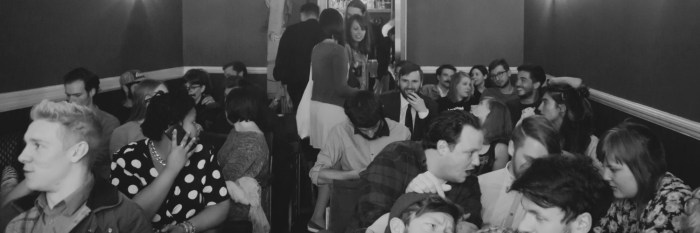
Paul Verhoeven is a director from my childhood. My friends and I used to love watching “Robocop” during out monthly slumber parties. Then “Total Recall” entered our world right at the time we all started getting interested in the supernatural and girls simultaneously. By the time “Basic Instinct” came along, I was a young teenager and let’s just say the movie made a deep impression on me. As I grew from a boy to a young adult, Verhoeven’s film grew with me.

So I have to say that I was a bit nervous meeting him in the staged interview hotel room at TIFF 2016. I had 15 minutes and when Paul walked in you could tell I was going to be around his 50th interview in the last few days and the hotel room backdrop is a very familiar site to him.

For my first question, I wanted to ask him something that was interesting and/or intriguing to him and perhaps a question he was never asked before, or at least not asked while he was promoting “ELLE”.

Matthew Toffolo: What movie have you watched the most times in your life?

Paul sat there motionless for more than a few seconds with his head looking at the ground. I thought I blew it right from the beginning. Then.

Paul Verhoeven: I’m thinking. I’m thinking.

Lawrence of Arabia. North by Northwest. Belle de Jour. Vertigo. Those are the films I keep going back to.

He smiled at me. I smiled at him. Then it was time to do the interview and let him move to the next one.

MT: You seem to balance your films between your European life and your Hollywood life. ELLE seems to strike a nice mixture of both. Was that your initial intention?

PV: Well in Europe, you have more power as a director. In Hollywood, you have more excess and money. Of course you like to have both, but that’s not the case. So yes, we were attempting to make a Hollywood type of film with ELLE using the European format.

MT: I heard your initial intention was to make this an English language film?

PV: Well it’s a French novel. The producer of ELLE, Saïd Ben Saïd, thought it could be an American movie. We went to an American screenwriter and wrote it as an USA movie, based in America. Then we found out that we couldn’t get the right funding. But the real problem was that we couldn’t find an American actress. None of them wanted to do it. From the A list down. They all turned the project down.

MT: Why do you think so many actresses turned down the film?

PV: It’s a different kind of movie. If this was a straight up “revenge” film, then I’m sure many would want the role. But this isn’t a revenge movie. It’s someone more. This is a film about a woman who refuses to be a victim. In fact, even after she discovers who the rapist is, she moves over that.

MT: Was Isabelle Huppert your first choice to play the lead when you decided to……?

PV: No. She was my first choice. She read the book and wanted to do the role. After the “American adventure” was over and I told the producer that we should make this movie in France, he immediately picked up the phone and called Isabelle and she accepted right away. So it was really her to chose me.

MT: There is no straight up genre in this film?

PV: No, there isn’t. This is a film about the discovery of this woman. Who she is. The book is a study of character and that’s the movie we wanted to make. All of her relationships in this movie, from her lover, best friend, her father, her rapist – the construction is about her and what’s around her. If I made this a straight up thriller, then it would deny what this story is all about.

MT: When did you novel read the novel?

PV: It was sent to me by the producer who asked if I wanted to make this into a film. I read it right away and told him “yes”.

MT: How long was it from the time you read the novel to the completed product?

PV: I read it at the Berlin Film Festival in 2015 and we started shooting a year later. The only obstacle was our initial intention to turn this into an English film. That was the only delay. Until I decided it was supposed to be made in French, we got the production rolling in a matter of months.

MT: In the novel she’s a literary agent. In the film, she’s a video game developer. Why the change?

PV: I was trying to find a profession that was more visual. My daughter came up with that. I was talking to my family at the dinner table talking about the film and my youngest daughter, who is a painter, suggested this which of course lead to the themes of the film.

The publicist entered the room and said it was time to go. I really could have chatted with Paul for another hour – but what can you do.

“ELLE” is an exceptional film. One of the best of 2016. I hope you go see it!

_____

Interviewer Matthew Toffolo is currently the CEO of the WILDsound FEEDBACK Film & Writing Festival. The festival that showcases 20-50 screenplay and story readings performed by professional actors every month. And the FEEDBACK Monthly Festival held in downtown Toronto, and Los Angeles at least 2 times a month. Go to www.wildsound.ca for more information and to submit your work to the festival.

Interview with Festival Director Jerzain Ortega (Author’s International Film Festival)

The FIC AUTOR (Author’s International Film Festival) was  founded in 2016 by filmmaker Jerzain Ortega. The festival is interested in unique and artistic films that exceed the limits of traditional storytelling. Feature and Short Films that reflect the director’s personal creative vision, and a style that is distinct enough to shine through the collective process. The first edition of the FIC AUTOR will take place from November 10 to 17, 2017 in Guadalajara, Jalisco, México. FIC AUTOR will present the very best films from around the world, and honor our first guest, Cannes Caméra d’Or award winner Michael Rowe.

Go to the website at: http://www.ficautor.com/

 Matthew Toffolo: What is your Film Festival succeeding at doing for filmmakers?

Jerzain Ortega: FIC AUTOR makes a very fair selection; we don’t select films
because they have celebrities or a well-known director. Our selection is based on which films are THE BEST, but don’t get me wrong, if a film like “Whiplash” was submitted to the FIC AUTOR, I would accept it, no doubt, because that film is a piece of art, so we are not anti-celebrity, but we are very objective and we won’t be dazzled over a famous face. Also, the filmmaker can feel confident that the jury watched his/her film entirely, because we send the comments from the
jury for free. And we give beautiful rings and trophies made of silver, and we will try our best to sell the films to Mexican distributors.

MT: What would you expect to experience if you attend the festival this year (2017)?

JO: A fantastic selection of the best films from around the globe, highly artistic, yet entertaining; a close connection between and with the artists, because everything happens in the same venue; a nice award ceremony open to the public where we will award the best filmmakers of the moment and our first honored guest, Michael Rowe, who will also present his film “Early Winter” and will have a Q&A segment with the
audience.

MT: What are the qualifications for the selected films?

JO: Directors must have a style that stands out from the others and the stories must be close to original. The market is full of the same crap, thanks to Hollywood. The audience knows exactly how the guy is going to lose and win back his girlfriend in a comedic love story; they know who is going to die first in a horror movie, or when to expect a lazy jump
scare, etc. A good filmmaker, an author, chews all of those clichés and spits them in the sink, way far from his delicious gourmet dish.

MT: Do you think that some films really don’t get a fair shake from film festivals? And if so, why?

JO: No, I don’t. Film Festivals are business, sounds bad, but they are. And they all earn money from fee submissions and tickets and sponsors and government grants, so most of them, many of them, choose films with a nice cast so they can connect with the audience, sell tickets, have sponsors, increase the tourism –or allow politicians to take their pictures with the stars-, and of course, fabricate the dream almost every filmmaker has, win something and be at the same level of these “great, well-known filmmakers.” But this is bullshit. Every honest filmmaker knows deep inside them, that their dream, our dream, is to have one more night with the audience, in the dark, listening to the laughter, the connection with the characters we create and at the end, hear the applause and feel like an undercover cop hearing the comments on the way out of the theatre. And if you don’t believe me, check the list of the winners of the past editions of the 50 best film festivals, yes you will find a few good ones, but most of them, are public relations, or advertising, or copy-paste selections from other festivals.

MT: What motivates you and your team to do this festival?

JO: I write a personal email to each filmmaker that submits to the festival. Sometimes this email turns into 10 emails of conversation, most of the filmmakers write me back telling me that it’s very rare to receive a personal letter from a festival director, or that this is the first time a festival treats them like a person. THIS MOTIVATES ME. We built a film festival that treats filmmakers like people and not like
numbers, a festival that is transparent and has its feet on the ground. This is a business, yes, but our business is to celebrate and encourage the emerging and real authors that are out there, to continue making great films. We want to build a festival that every filmmaker in the world can feel proud to participate in.

MT: How has your FilmFreeway submission process been?

JO: The response from the filmmakers has been amazing, we have more than 500 submissions and we expect to have many more. And most of these submissions are an amazing quality.

MT: Where do you see the festival by 2020?

JO: Here, in Guadalajara, Mexico, but with more sponsors and stronger relationships with distributors so we can help and give more to the FIC AUTOR submitters.

MT: What film have you seen the most times in your life?

JO: This one is hard… ROCKY and THE BOURNE IDENTITY, but when I see either of these, I can’t stop; I have to watch the rest of the films from the franchise.

MT: In one sentence, what makes a great film?

JO: The passion that flows through the hands of the artists of each of the film departments, who understand and share the unique vision of a talented writer-director.

MT: How is the film scene in your city?

JO: Guadalajara has a strong independent filmmaking community that is growing and producing more and more films each year of our own merits. We don’t have too much support; most of the local government budget for cinema goes to filmmakers from Mexico City, so it is unfair, but we are warriors and we don’t sit with our arms crossed. We figure it out and we
continue producing films.

authors_2.jpg

_____

Jerzain Ortega began his film career as a makeup artist in Mel Gibson’s “Apocalypto.” Following this, he studied cinema at Centro de Estudios Cinematográficos INDIe, and worked on a second film as chief makeup artist in Alejandro Ramirez’ “Todos Hemos Pecado.” Later, he financed his first independent film by his own means, “Journal d’un inadapté;” a film made almost entirely by him (one man crew in almost every scene.) He is now producing his second feature film, “Telephone,” a film that will be shot with only one assistant as well. He is also the founder of FIC AUTOR (Author’s International Film Festival.)

_____

Interviewer Matthew Toffolo is currently the CEO of the WILDsound FEEDBACK Film & Writing Festival. The festival that showcases 20-50 screenplay and story readings performed by professional actors every month. And the FEEDBACK Monthly Festival held in downtown Toronto, and Los Angeles at least 2 times a month. Go to www.wildsound.ca for more information and to submit your work to the festival.

Interview with Festival Director Niall Trask (South London Shorts)

South London Shorts exists for two reasons: to show great films made by independent filmmakers and (through crowdfunding) make sure that more great independent films get made. Every month for an entire year we will show a selection of intriguing, challenging, and exciting short films curated by the team at South London Shorts. Every penny we receive from the community that comes to watch these films is re-invested into making one amazing film at the end of this year. South London Shorts is an entirely not-for-profit, community-lead endeavour. Because of this, it’s our community who gets to decide where the money goes.

southlondonshorts.com

Matthew Toffolo: What is your Film Festival succeeding at doing for filmmakers?

Niall Trask: We’ve given over 100 filmmakers the chance to see their film shown in front of fresh eyes and a chance to gather feedback afterwards. I think that it can sometimes lead to constructive criticism, but more importantly encourages them to show what has worked. Also, I’d like think we’ve given our audience an impetus to go out and out and make films themselves. We show a huge variety of films, never constrained by the budget, the approach, or the subject. Most importantly though, the festival was started out of our own frustrations in obtaining budgets for short films when they are seen as the way into the “industry’’; we’re the only short film night that funds films and we recently awarded £3.5k to an independent filmmaker based up in Edinburgh, Wayne Mazadza.

MT: What would you expect to experience if you attend the festival this year (2017)?

NT: Eclectically curated films, from all over the world including one student film from a Goldmiths University (with whom we’ve recently begun a partnership with), a wildcard film from me (usually fairly out-there) at a great venue: we couldn’t be happier with the Montpellier in Peckham.

MT: What are the qualifications for the selected films?

NT: The three of us decide on the content and we all have quite different tastes. We pick a handful each and then start building a programme out of our mutual favourites until they sit together nicely. We’ll sometimes chuck in an early short from an established director if we feel like it!

MT: Do you think that some films really don’t get a fair shake from film festivals? And if so, why?

NT: Personally, I think films are overlooked because of their budgets. If you serve up a delicious meal, who cares what condition the plate is in?! We make a real effort to consider everything submitted to us. Also, I think women are under-represented as directors. We’ve had nights where every film we’ve screened has been made by a woman, and not even realised until afterwards; maybe this says something about our selection process which differs from other festivals?

MT: What motivates you and your team to do this festival?

NT: We experimented with an idea: a film night that funds films, and it worked. We just want to keep building. But genuinely, I look forward to the event more and more every month. I enjoy the social side of it, and seeing people’s work. We take no money from it, just the experience.

MT: How has your FilmFreeway submission process been?

NT: Using FilmFreeway really changed the way we run and has boosted our submission pool to no end. It’s easy to use, it’s a fair price, and it seems to be the platform most filmmakers use to exhibit their work right now.

MT: Where do you see the festival by 2020?

NT: I hope we’ll have fully launched as a production company and will be getting more people’s projects of the ground. We’d love to screen in multiple venues across South London too; maybe do a few every month.

MT: What film have you seen the most times in your life?

NT: Boring answer, sorry: Withnail & I.

MT: In one sentence, what makes a great film?

NT: Coach Gordon Bombay returns to manage the Mighty Ducks… joking… A good story in a well captured environment that reminds me I’m a human being.

MT: How is the film scene in your city?

NT: Living in South London I feel excited most of the time; there’s a demand for DIY filmmakers such as myself and we’re surrounded by lots of different communities – of people motivated to create. Whether it’s music videos, comedy sketches, shorts, or features. Our night is about championing your art form.

southlondonshorts2.jpg

——–

NIALL TRASK is an Anglo-American, raised in Suffolk and now based in Brixton. Niall studied film, spent a few years travelling and working in the Art Dept. on films, whilst building a portfolio of his own work on the side. Highlights include a video collaboration with Animal Collective, extensive touring as a VJ for Middle Eastern-psychedelic band Flamingods and directing left-field short films. Niall is now represented by OB Management as a music video director and works as a freelance VJ, Editor & Production Designer.

_____

Interviewer Matthew Toffolo is currently the CEO of the WILDsound FEEDBACK Film & Writing Festival. The festival that showcases 20-50 screenplay and story readings performed by professional actors every month. And the FEEDBACK Monthly Festival held in downtown Toronto, and Los Angeles at least 2 times a month. Go to www.wildsound.ca for more information and to submit your work to the festival.

Interview with Festival Director Gabbar Punjabi (Lake View International Film Festival)

Lake View Film Festival aims to inspire, motivate and award the true innovative and artistic geniuses of our time. Every independent artist hopes to one day emerge from the underground scene and share their talents with the masses.

http://www.lviff.net/

Interview with the Festival Director:

 Matthew Toffolo: What is your Film Festival succeeding at doing for filmmakers?

Gabbar Punjabi: Lake View International Film Festival gives opportunity to independent filmmakers to show their work at a new platform.

MT: What would you expect to experience if you attend the festival this year (2017)?

GP: High-Quality Independent films across all genres, from around the world.

MT: What are the qualifications for the selected films?

GP: Our platform is designed for independent filmmakers. We accept films from independent filmmakers with strong storytelling, All genre with high-quality films are acceptable.

MT: Do you think that some films really don’t get a fair shake from film festivals? And if so, why?

GP: Film Festivals receive thousands of entries and out of them only a few films are acceptable. Many of the films face rejection because I think, sometimes filmmakers do not read rules and regulations before submitting their films to
festivals. Also, it is difficult for festivals to show each and every film because of a limited number of screenings, limited time and so many other factors vary from festival to festival. ​

MT: What motivates you and your team to do this festival?

GP: Cinema of Punjab is still under a big change, recently one of the Punjabi films was officially selected at Cannes. Our team’s passion toward films motivates us to present a good platform for independent filmmakers to show their work.

MT: How has your FilmFreeway submission process been?

GP: FilmFreeway is really an awesome platform for both filmmakers as well as festivals. This is very easy to access, easy to manage your entries, and so many features which other platforms not yet provide.

MT: Where do you see the festival by 2020?

GP: It will become better and better, more numbers of screenings and there is soo many things which we want to do.

MT: What film have you seen the most times in your life?

GP: Malena, Thelma and Louise, Water and Qissa

MT: In one sentence, what makes a great film?

GP: A great way of storytelling makes a great film.

MT: How is the film scene in your city?

GP: The Punjabi film industry is stuck in film mafias. A very low number of theatres, very few independent venues. But I was told it is under a big change so we still have hopes every year new good independent productions.

lakeview_2

—-
Gabbar Punjabi is a small town boy with loads of ambition. He completed his graduation in life science after which he joined film school and started learning filmmaking. During film course, he wrote and directed three short films. After successfully completing filmmaking course, he moved to Mumbai where he starts working as an assistant director in the television and film industries. In 2014, he started his banner script factory production and started working as an independent filmmaker. He also the Director of Independent film festival Lake View International film Festival.
_____

Interviewer Matthew Toffolo is currently the CEO of the WILDsound FEEDBACK Film & Writing Festival. The festival that showcases 20-50 screenplay and story readings performed by professional actors every month. And the FEEDBACK Monthly Festival held in downtown Toronto, and Los Angeles at least 2 times a month. Go to www.wildsound.ca for more information and to submit your work to the festival.