Interview with Festival Director Jonathan Martin (FilmQuest Festival)

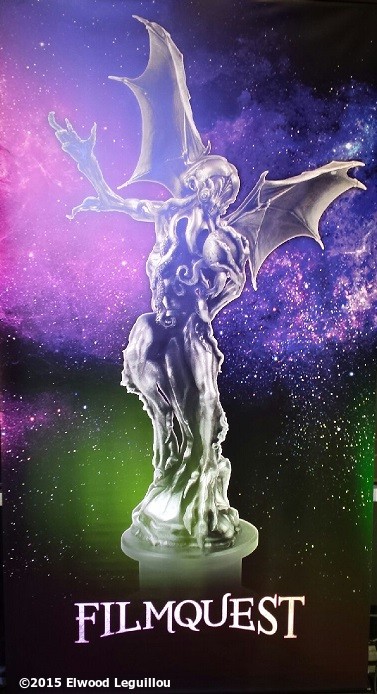
One of MovieMaker Magazine’s 50 Film Festivals Worth the Entry Fee, FIlmQuest celebrates the majesty of genre filmmaking in the realms of fantasy, horror, sci-fi, and the beyond. Awarding filmmakers in 2015 with over $30,000 in awards and prizes, including the coveted Cthulhu Trophy, the festival continued to become a hotbed of the very best in genre filmmaking in the world, showcasing incredible talent, creating new friendships and collaborations, and proving to be a must-stop destination for filmmakers.

Founded in 2014, FilmQuest has been designed specifically to cater to the empowerment of the filmmaker through various events, awards, swag, connections, and more. In creating the festival, we thought long and hard about what it is that makes a festival great. We asked ourselves the tough questions. What we’ve come up with is, we believe, a festival experience that is the kind most filmmakers dream about.
www.FilmQuestFestival.com

filmquestposter.jpgInterview with Jonathan Martin: 

Matthew Toffolo: What is FilmQuest succeeding at doing for filmmakers?

Jonathan Martin: I think for those that know FilmQuest, they know about our FilmQuest Cthulhu Trophy. It’s a glorious award, that has grown in prestige in a short time. But that’s the idea. We wanted to create an award that IS prestigious, because we want filmmakers to feel proud about their achievement in winning one (or being nominated), and to really make an award that matters. So we’d say that in a very short amount of time, we’ve been able to successfully create a festival that means something to a filmmaker when they put that laurel of “Official Selection” on their poster, banner, or trailer, and that if they are fortunate enough to win a Cthulhu, to have an award that will remind them of the significance of their work and achievement for years to come.

We’re providing filmmakers a quality event as well, which we detail quite a bit in the next question. But the quality goes beyond parties, panels, etc. It goes to the quality of our selections. One thing we’ve gotten quite a lot of praise for in our first two years is the overall quality of the Official Selections. But that’s not for us to be proud of, it’s the filmmakers. Because they can know that they’re in the company of other quality, talented filmmakers that they can have no hesitations in wanting to collaborate with. It harbors a community of growth, excellence, and also, I personally believe, advances filmmaking in general.

In 2015, we were one of MovieMaker Magazine’s “Top 50 Film Festival Worth the Entry Fee.” It’s a testament to what we’re trying to do as a festival, and our filmmakers. We don’t take the endorsement lightly, and when MovieMaker’s writer Greg Hamilton came, he said “In the short weekend that I visited FilmQuest, I received a good taste of what they had to offer. The variety, creativity, and production quality of the films impressed beyond my expectations and helped banish the notion that genre events are somehow less serious than traditional film festivals.”

And I feel Greg really hits on something there with the idea that genre events can somehow be less serious than a traditional festival. That’s what we’re really succeeding at here. By showcasing the best of the best, and doing so at a great venue that allows it be seen in its prime, and by taking these films seriously in our presentation and respect, we’re proving that genre films are serious, that they are high-art, and that the people behind them are just as important to watch as anyone else you’d see at any of the major festivals. We’re bringing prestige to the proceedings, and that’s what I feel we’re achieving and bringing to our filmmakers so far.

MT: What would you expect to experience if you attend the festival this year (2016)?

JM: Without doubt, your’e going to see (often times a premiere) some of the very best independent genre films in the world today. You’re truly going to find several films that you love, and make lasting friendships with the filmmakers and audiences that see the films with you (or that see your film!). All will be witnessed in a state-of-the-art, stadium seating theater that is Utah’s #1 cinema, both in size and audience attendance.

Next, you’re going to get the press. We have red carpet interviews, press interviews, and more. You’re going to get the celebrity guests from our grand jury. And we don’t separate you. We have an open environment. So you’re not only connecting with fellow filmmakers, but the press, celebs, and more. We often talk about the FilmQuest family, and that’s exactly what you’re going to find at FilmQuest. It’s a GIANT, ever expanding round table, and everyone has a seat open to them.

You’re going to get workshops and panels, that FilmQuest filmmakers are also invited to actively participate in. Two or our workshops already planned are a film analysis and breakdown of Hitchcock’s Psycho, done by UVU film Professor Alex Nibley. The second will be an interactive event/workshop that is a live cast reading of William Shakespeare’s Star Wars.

Then you got the events and parties. We’re planning no less than 4 big parties and events, including the big opening and closing night parties, the FilmQuest Cthulhu Awards show (already perhaps one of the most coveted awards amongst genre festivals), and our still secret 30th Anniversary screening of a beloved 80’s genre classic with appropriately themed party and red carpet. We’re also planning on showcasing a rock opera, dancing, and more.

Ultimately, FilmQuest is a celebration of the filmmakers, their films, our audiences, and everything in between. So we encourage everyone to come not just for a day or two, but for the entire festival!

MT: What are the qualifications for the selected films? 

JM: Our qualifications are fairly simple. First, and foremost, the project needs to be a genre film. Unlike other genre festivals, we don’t believe in the strictness of the term. We believe in the spirit of genre cinema. It’s not just a subject matter, but a mood and a feeling.

Second, and it’s the rule all festivals should more or less follow, the film’s got to be good. Yes, everything is subjective, but good filmmaking has many common grounds: Good storytelling, good cinematography, good pace and editing, good sound, etc. You start lacking in any one of these categories, and your odds of getting into the festival start to diminish.

Third, and incredibly important, we have to ask if our audiences are going to enjoy the film. While we may find something weird and wonderful and ultimately program it, we also have to ask if it will go beyond what are audiences will enjoy. So we have to balance out and judge whether or not a filmmaker’s film will appeal to an audience and sell tickets to FilmQuest.

MT: Do you think that some films really don’t get a fair shake from film festivals? And if so, why? 

JM: I would agree with this idea. While not every film is for FilmQuest, the same as not every film is for Sundance, Tribeca, etc., there is still a festival out there for every film. At least that’s the general idea, for make no mistake, there are definitely films and screenplays that are submitted that go beyond anyone’s ability to program them due to an overall poor product.

But I do think filmmakers need to be realistic about their films. If you make a genre piece, don’t submit to all the big, major festivals that don’t really highlight genre films and then act surprised when you don’t get accepted. Festivals have their themes, their goals, and their objectives. So be aware of that and do your research. If you also have a piece that you feel is adequate, that you know deep inside maybe isn’t on the same level as other films you’ve seen, it’s about being honest and submitting your project to festivals you feel may provide you a spotlight.

However, there are definitely films and filmmakers get hosed by festivals that aren’t clear about their objectives, are sporadic in their tastes, and more so. There’s some pretty major tests that do this, even in the genre or niche festivals. It’s almost as if they emphasize weird and offbeat, rather than skilled and talented. And I think that can be extremely frustrating.

With us at FilmQuest, if we see the talent, if we see the skill, and if we see a great project, we want it. While we may not be able to take everything we want, we put quality above all else, and through that, we feel we reward our audiences and filmmakers more than many other festivals as a result.

MT: What motivates you and your team to do this festival?

JM: To conquer our enemies, to see them driven before us, and to hear the lamentations of the women….

I know you wish that’s what it really was! But no, really, the number one thing is to create a festival of prestige that truly does serve as a landmark stepping-stone for the careers of our filmmakers. To create a home and family for them and us, wherein we can pool from each other and create lasting relationships. Festivals at the end of the day need to benefit a filmmaker’s future, and that’s our top priority.

But we do this through creating an atmosphere and environment that is conducive to that. And that takes our team a lot of hard work and talent, that is always done out of respect for our filmmakers, their films, and our audiences. So we showcase the films in a state-of-the-art theatre that the films deserve, and provide opportunities for our filmmakers through workshops, panels, and events. Finally, we bring them all together with our audiences, creating the FilmQuest Family that we hope lives on beyond the festival, and grows with each year.

MT: How has the festival changed since its inception?

JM: The biggest change really is how quickly we’ve grown. We show more films than other festival in the state, including Sundance, and we last 9+ days. So we’ve really taken on the challenge of making a serious genre fest in Utah.

However, we’ve also trimmed here or there, as we’ll be cutting our commercials and web series programming after this season. We’ve cut ties with some past partners while bringing in new ones. In our first year, we hosted half our festival at a convention center in conjunction with a partner, and we definitely won’t be doing that again.

Really, the themes and identity of FilmQuest haven’t changed much at all as we feel we created a good thing upon FilmQuest’s inception. However, make no mistake, we’re definitely looking for ways to improve, trim the fat, bring in new partners and distribution opportunities for our filmmakers, create a better event for our audiences, and more. We’re always thinking bigger and better, and so we don’t ever want to be caught resting on our laurels.

MT: Where do you see the festival by 2020?

JM: To be blunt, it is our open goal to be one of the 4 major fantastic film festivals in the world, in the same breath and conversation as Sitges, Fantastic Fest, and Fantasia. We want to be a major player, and anticipate being so.

We fully anticipate and believe we’ll have discovered, premiered, and launched the films and careers of future superstars, actors, and open the doors for films we screen to find mass appeal. In fact, after just two seasons, we’ve had several of our films that we either premiered or screened get a distribution deal, POV release, or even a theatrical deal since they played at FilmQuest, and those numbers are only going to increase.

In 2015, we were named as one of MovieMaker Magazine’s “Top 50 Film Festivals Worth the Entry Fee”, and that’s unheard of for a genre festival entering only it’s second season at the time. So we work hard to back up what we say we want to do and follow-through with that.

We definitely, absolutely, 100% take the festival game seriously and want our filmmakers to know that FilmQuest takes them seriously, and we are fully committed to being a launching pad for your career that adds prestige to you and your film’s name.

MT: What film have you seen the most times in your life?

JM: It’s tough to say which of these two films I’ve seen the most, but without doubt, it’s either Big Trouble in Little China or Ghostbusters. Little China was my sick movie growing up, and I’d literally watch it 3 times a day, any day I got sick. I really can’t fathom how many times I’ve seen each. At least 50 times apiece. Easy. And yes, I do think the remake/reboot of Ghostbusters looks like a big, awful cartoon… but shamefully, I’ll still see it and reserve final judgement until I do so.

MT: In one sentence, what makes a great film?

JM: A singular, collective voice and style that is unmistakable, yet endlessly undefinable.

MT: How is the film scene in your city?

JM: When I think of film here in Utah, I don’t think of any one city, but Utah as a whole. Utah has one of the better incentive funds in the country, and as such, actually is one of the top 10 filmmaking states in the country. There’s a whole lot of talent, young talent especially, that I believe will be doing bigger things in the future. You’ve got BYU, UVU, and the U of U and their programs, you’ve got brand new, state-of-the-art film studios in Park City, and what is now known as the next Silicon Valley, the Silicon Slopes, in Utah Valley. So tech is booming here, and the film scene is growing.

Utah actually has its own awards, the Utah Film Awards (an IMDB awards listed event), that not many states can boast. We’ve got Sundance and Slamdance, our own FilmQuest in the summer, and more. Honestly, Utah is one of the great hotbeds for film, with unmatched locals and vistas for filming, a right to work state, and more. There’s also no less than 3 tv series and 4 feature films being filmed in Utah as we do this interview. So you can say I’m bullish on our state as a filmmaking hub.

So with that, I’d love to invite everyone to come out to FilmQuest June 17-25th. Come tour some of the facilities out here, scout for your next film, meet local and out-of-state filmmakers, and make a connection that will influence and inspire you for your filmmaking careers!

****

Jonathan Martin BIO: A professional film producer and director, Jonathan graduated with a B.S. in Business Entreprenuership from Utah Valley University. He is best known for creating and directing the most awarded horror short film of all-time, An Evening with My Comatose Mother, winning 76 festival and industry awards in the process. Since
2011, his production company, Bohemian Industries, has won over 100 festival and industry awards.

_____

Interviewer Matthew Toffolo is currently the CEO of the WILDsound FEEDBACK Film & Writing Festival. The festival that showcases 10-20 screenplay and story readings performed by professional actors every month. And the FEEDBACK Monthly Festival held in downtown Toronto on the last Thursday of every single month. Go to www.wildsound.ca for more information and to submit your work to the festival.

Interview with Festival Director Damon Blalack (Red Dirt International Film Festival)

The Red Dirt International Film Festival is where film goes to have fun. We love movies and a good time. We are pleased to showcase films of many genres. The name of the fest is so-called because of central Oklahoma’s uniquely colored red earth.

During its 2-day run March 3-4, 2017, we will feature many films, from full-length movies and documentaries, and short films from filmmakers both local and worldwide. In the past we have featured films from all seven continents, including Antarctica! Red Dirt was formed to bring more inspiration, culture, and entertainment to central Oklahoma, as well as to enliven people of all ages through the united power of the film medium.

Interview with Damon Blalack:

Matthew Toffolo: What is your Film Festival succeeding at doing for filmmakers?

Damon Blalack: Allowing them a platform for promoting their work, and putting them into great networking situations.

MT: What would you expect to experience if you attend the festival next year (2017)?

DB: A lot of heart, friendliness, and GREAT films and panels!

MT: What are the qualifications for the selected films?

DB: Something unique, something inspirational on some-level, and well-crafted.

MT: Do you think that some films really don’t get a fair shake from film festivals? And if so, why?

DB: Right. It’s a lot of responsibility for the filmmakers to get their audience together for their film, and for those who don’t do enough promotion, there are always the few gems that win awards despite not-having had an audience.

MT: What motivates you and your team to do this festival?

DB: Helping give back to the film community and film industry by partnering like minds and highlighting the best work!

MT: How has the festival changed since its inception?

DB: Our palette of films has diversified and grown; we’ve grown by leaps in bounds in only three years’ time, receiving much community and statewide support!

MT: Where do you see the festival by 2020?

DB: As a must-attend contender in the region!

MT: What film have you seen the most times in your life?

DB: Bram Stoker’s Dracula (1992) – Damon
The Cutting Edge (1992) – Marisa

MT: In one sentence, what makes a great film?

DB: Something inspirational to say; well-crafted, and offering a unique voice.

MT: How is the film scene in your city?

DB: Very, very dry and almost otherwise non-existent aside from the festival.

****
Damon Blalack (Co-Founder and Executive Director) – Red Dirt founder and Executive Director Damon Blalack is also a filmmaker and current Ph.D. student at Queen’s University, Belfast Ireland. His current focus is on the “fan-edit” film phenomenon, and how it affects the fidelity of adaptive works.

He’s working to crowd-fund a movie-sequel to the 1992 Coppola-directed film, Bram Stoker’s Dracula, which is his favourite film, and which is based on his favourite novel, Dracula.

Alongside that film, his lifelong inspiration to become a filmmaker was borne out of the Star Wars saga, of which he has taught courses as a college professor on the mythology of the Star Wars movies and Clone Wars television show. His particular interest is in the prequel films, and Clone Wars series, and part of his current work includes a re-assembly of all 133 episodes of the Clone Wars into a three-film trilogy distillation.

As early as two years old Damon knew he wanted to be a filmmaker, and would project shadows of his action figures onto the walls with lamps. His absolute favourite films include the aforementioned Bram Stoker’s Dracula (1992) and the Star Wars films (1977-2015), the Universal Classic Monsters films of the 30s and 40s, the Narnia films, and EVERYTHING made by Jodorowsky [El Topo (1970) and Holy Mountain (1973) changed his life!], Kubrick, Melies, Herzog, and Maddin (his favourite filmmakers).

He’s looking-forward to year four of Red Dirt, and very happy to see it growing into such a wonderful staple of the Stillwater and OSU community!

_____

Interviewer Matthew Toffolo is currently the CEO of the WILDsound FEEDBACK Film & Writing Festival. The festival that showcases 10-20 screenplay and story readings performed by professional actors every month. And the FEEDBACK Monthly Festival held in downtown Toronto on the last Thursday of every single month. Go to www.wildsound.ca for more information and to submit your work to the festival.
Interview with Festival Director Scott Eriksson (Asians on Film Festival of Shorts)

Asians on Film is an 501 (C)3 non-profit devoted to arts & entertainment with a primary focus in providing recognition to the talent of Asian/Pacific Islanders who are minorities in the film industry either as actors, actresses, writers, directors, producers, editors and/or those who work in other aspects of filmmaking. They also provide screenings throughout the year with the best films from our festival including a special year-end “best of” screening at Mann’s Chinese Theater in Hollywood.

http://www.asiansonfilm.com/

Interview with Scott Eriksson: 

Matthew Toffololo: What is your Film Festival succeeding at doing for filmmakers? 

Scott Eriksson: Our festival was created specifically to change how festivals are done. We are open for submissions all year and our fees are very low, $10, all year long so we can encourage as many submissions as possible. We want to find the best films and making submissions inexpensive is they best way to achieve that in a fair way (we grant no waivers). We try to eliminate politics and favors as much as possible, for instance, selected judges are told to keep that information confidential. In this way they experience no pressure and can rate films fairly. Also, as the programmer I am not a judge and my films are not eligible for submission.

We also have on-line quarterly awards, Winter, Spring, Summer and Fall. Films received during each quarter are eligible for recognition by the judges. They submit their suggestions for awards in 18 categories and winners received on-line recognition for that quarter. The winners in each category in each quarter become the nominees for the year end festival award. This way we are able to recognize great films as they are submitted to give them exposure and support even before our festival.

MT: What would you expect to experience if you attend the festival this year (2016)?  

SE: For the festival itself we post online information and links about filmmakers, actors and films and provide the opportunity for others in the film industry to be included by showing their support with a minimum $10 donation (we are a 502(c)3 non-profit). Also, my staff and I spend most of our time meeting, greeting and introducing filmmakers and actors to each other to create connections, a sense of community and an festival experience that is more than just a screening. Further, we do camera interviews, and film our Q&A’s and our awards ceremony for filmmakers to use for promotion of their film and their talent after the festival. Finally, we select a “Best of Fest” list of films that we screen throughout the year at other venues we choose or through partnerships with other festivals. For instance, HollyShorts does a screening of “Best of Fest” films at Mann’s Chinese Theater each year. Programmers Daniel Sol and Theo Dumont have been one of our biggest supporters from day one.

MT: What are the qualifications for the selected films?  

SE: Simple. The films with the highest average scores from the judges get select from highest to lowest average until the festival screenings are full.

MT: Do you think that some films really don’t get a fair shake from film festivals? And if so, why? 

SE: Absolutely. Like the film business itself, connections, politics, and exposure have a bigger influence than talent or quality. I set up our festival to be as neutral as possible. That said, as I tell all filmmakers, programmers can run their festival however they want. It’s their festival. Know the festivals you are submitting to so you spend money on those that are more likely to screen your film.  

MT: What motivates you and your team to do this festival? 
 
SE: We want to change the whole dynamics of a festival in the era of social media and, since many short films are by new talent, find some of the best new talent both in front of and behind the camera.

MT: How has the festival changed since its inception? 

SE: Our festival has not change much in four years except that we continue to improve what we do and find additional ways to highlight filmmakers and talent and increase the additional “best of Fest” screening venues throughout the year.

MT: Where do you see the festival by 2020?  

SE: Our goal is to have a reputation for finding the best new films, gain strong support beyond just the Asian American community, provide exposure and opportunities via connections and promotion, and change Hollywood’s perspective of Asian Americans in the film industry so they can be hired for their talent and not their looks and/or ethnicity only.

MT: What film have you seen the most times in your life?  

SE: Agustin Villarong’s IN A GLASS CAGE (Tras el cristal) from 1986. A controversial, dark, thriller with a brilliant premise and an amazing performance by actress Marisa Paredes. The music, cinematography and directing capture the very horror and darkness of the script.

MT: In one sentence, what makes a great film?  

SE: A great film is all about a great script because without that you can only add fluff and distractions such as special effects and action sequences.

MT: How is the film scene in your city? 

SE: We are based in LA, it’s the heart of the film industry!

_____

Interviewer Matthew Toffolo is currently the CEO of the WILDsound FEEDBACK Film & Writing Festival. The festival that showcases 10-20 screenplay and story readings performed by professional actors every month. And the FEEDBACK Monthly Festival held in downtown Toronto on the last Thursday of every single month. Go to www.wildsound.ca for more information and to submit your work to the festival.

Interview with Festival Director Dave Krzysik (Brainwash Drive-In/Bike-In/Walk-In Movie Festival

Brainwash is the original drive-in movie festival! Since 1995 they’ve delighted audiences with a selection of the bizarre, the unique, and just plain old well-made movies from independent producers all over the world. With an eye toward the abstract, the innovative and the weird, with a name like Brainwash (originally the Cacophony Short Film Video Drive-In Movies Festival), they attract entries they curate to be able to display some of the most cutting edge cinema from up and and coming directors, actors, producers and crews consistently year after year.

http://www.brainwashm.com/

Interview with Dave Krzysik:

Matthew Toffolo: What is your Film Festival succeeding at doing for filmmakers?

Dave Krzysik: We have been working at getting wider exposure through European and domestic (US) cable TV.

MT: What would you expect to experience if you attend the festival this year (2016)?

DK: Some really great and just plain weird movies. People are always out there making them, and we get our share to screen.

MT: What are the qualifications for the selected films?

DK: We have to explain this to producers sometime, and all we could ever think of was one word: “Brainwashy”. I hope that helps!

MT: Do you think that some films really don’t get a fair shake from film festivals? And if so, why?

DK: I really have to say I think it’s fairer to approach this concept from the opposite, that a lot of movies would never get a fair shake outside of film festivals, considering the consistent state of the film industry’s concentration at the top.

MT: What motivates you and your team to do this festival?

DK: I must have been born for the movies, because after 22 years doing Brainwash, it’s still fun! The other people who work on the festival are all cinephiles of a certain type, that is, they appreciate the uncommon and the off-beat, the type of movies attracted to festivals in general and those with that extra edge that come to Brainwash.

MT: How has the festival changed since its inception?

DK: Technology! When we started in 1995, we screened an equal amount of 16mm film and VHS tape (older readers will remember those movie mediums). Then, shifting to digital, DVDs had to be produced by special services and they were expensive. Now, so many movies are produced entirely on IPhones that it has become one of the top rated movie cameras, right up there with Panavision, Arriflex, Bolex, Canon and the rest, and we get mostly digital file downloads.

MT: Where do you see the festival by 2020?

DK: More and more exposure for the producers. We find there’s an industry that’s growing for exposing independent movies for more relevant critical acclaim and more financial benefit for the producers and promoters that I think can continue to do so.

MT: What film have you seen the most times in your life?

DK: Probably The Wizard of Oz, because it was always shown on television, and I liked it a lot, usually during the holidays when I was much younger and out of school and could watch television. But the one I like the best is 2001, A Space Odyssey, by Stanley Kubrick, although I haven’t seen it nearly as many times (yet). The Day The Earth Stood Still is another great I’ve seen a lot, on TV, and, recently, at another outdoor screening.

MT: In one sentence, what makes a great film?

DK: What I call the economy of movement, as with Alfred Hitchcock, Federico Fellini, the afore-mentioned Stanley Kubrick (in 2001), and, one of my favorites, but obscure in the industry, George Kuchar.

MT: How is the film scene in your city?

DK: Always exploding with great movies and festivals in the greater SF Bay Area, a little stunted in Oakland, itself, at the present moment.

drivein2.jpg

_____

Interviewer Matthew Toffolo is currently the CEO of the WILDsound FEEDBACK Film & Writing Festival. The festival that showcases 10-20 screenplay and story readings performed by professional actors every month. And the FEEDBACK Monthly Festival held in downtown Toronto on the last Thursday of every single month. Go to www.wildsound.ca for more information and to submit your work to the festival.

Interview with Festival Director Berwyn Rowlands (Iris Prize Festival)

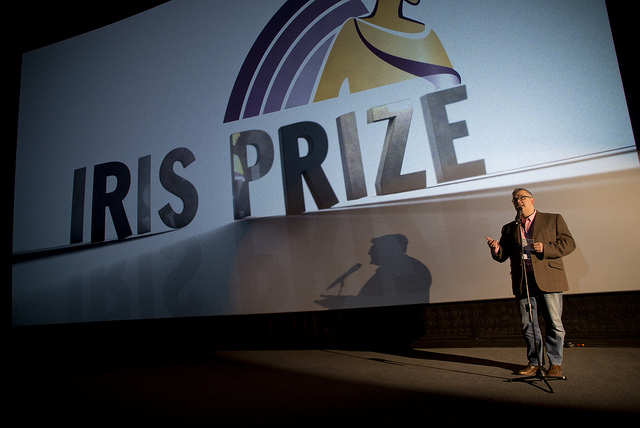
The Iris Prize Festival is a five day public event which includes screenings of the 35 short films competing for the Iris Prize, 15 competing for the Best British Iris Prize, premiere screenings of new feature films, retrospectives, panel sessions, networking opportunities, parties and a glittering awards show. All events are open to the public and take place at Cineworld, Chapter, and Park Inn Hotel in Cardiff.

Past winners, include Dee Rees (US) – 2007, Till Kleinert (Germany) – 2008, Eldar Rapaport (Israel/US) – 2009, Magnus Mork (Norway) – 2010, Daniel Ribeiro (Brazil) – 2011, Grant Scicluna (Australia) – 2012, Tim Marshall (Australia) – 2013, Brendon McDonall (Australia) – 2014 and Arkasha Stevenson (US) – 2015.

Berwyn Rowlands(4)Interview with Berwyn Rowlands:

Matthew Toffolo: Why is Iris special?

Berwyn Rowlands: The Iris Prize – Cardiff’s International LGBT Short Film Prize is supported by The Michael Bishop Foundation and continues to be the only LGBT short film prize in the world which allows the winner to make a new film. Iris is what film makers need – funding, support and guidance. The winner receives £30,000 to make their next short film in the UK. 7 short films have been produced to date in collaboration with the winning filmmakers of the Iris Prize. The 8th short is in pre-production.

MT: How big is the Iris family?

BR: The Iris family is international and brings together a global network of 25 partner film festivals in 19 countries. Film makers, journalists, distributors and members of the public who are interested in film making – gay or straight are members of the Iris family. Actor Simon Russell Beale (Spooks), authors Alan Hollinghurst (The Line of Beauty) Sarah Waters (Tipping the Velvet), and journalist Johann Hari (Independent) have all been members of the prestigious International Jury. 24% of the Iris audience are straight!

The Chair of the Iris Prize is much respected journalist Andrew Pierce. He is supported by five patrons who offer the festival invaluable support: Lord Glendonbrook (Michael Bishop), Matthew Rhys (Actor), Sara Sugarman (Director), Christopher Racster (LA based Producer) and Carol Coombes (Miami based Festival Producer).

MT: What is your Film Festival succeeding at doing for filmmakers? 

BR: We try our best to find a new audience for filmmakers work and each year our audience numbers increase. I guess we are also unique in that we invest in film production. Each year at least one short film is funded by the festival through the Iris Prize. The £30,000 cash prize is the world’s largest LGBT short film prize and is supported by the Michael Bishop Foundation. To date we have produced 7 short films with the winning film makers and we are currently in pre-production with the 8th.

MT: What would you expect to experience if you attend the festival this year (2016)? 

BR: 2016 is our 10th anniversary so you will experience some reflection looking back but mostly, we will be looking forward. We’ve increased the number of films competing for the two main short film prizes. Five new partner festivals have also joined the family bringing the total number to 25. This network of festivals in 19 countries makes us confident that what you see at Iris is truly the best of the best. Our new motto last year was “Watch Films. Party Nightly. Repeat” I expect more of the same in 2016 with the added bonus of a 5 day long 10th birthday party!

MT: What are the qualifications for the selected films?

BR: We delegate the responsibility for selecting most of the short films at Iris to our 25 partner festivals. Each partner is asked simply to select the best short film from their country or region. We talk about excellence in storytelling, which involves many people across many disciplines. Film is a collaboration! But at the heart is the ability to tell a story and captivate an audience.

MT: Do you think that some films really don’t get a fair shake from film festivals? And if so, why? 

BR: I don’t know is the answer! We are quite unique at Iris in that we can appreciate and understand both sides of the debate as we are both film producers and festival organisers. To get the most out of a festival experience, the film maker needs to do quite a lot of research. Just appearing without any prep work at a festival, could end up a costly and worthless exercise. Similarly I think festivals must be honest about what they can offer the film maker. Don’t exaggerate the number of press attending for example. Try and be as generous as you possibly can with visiting film makers – if they leave happy they will be the best ambassadors for your festival.

MT: What motivates you and your team to do this festival? 

BR: We basically want more people to see LGBT stories. The festival has been a great way to start the process. However at Iris we have adopted a holistic approach to reaching our audience, working in partnership with broadcasters, digital platforms, traditional exhibitors (dvd’s) as well as the more traditional festival / cinema experience.

MT: How has the festival changed since its inception? 

BR: It has changed in a couple of key areas. Firstly, it is bigger. 1500 admissions were recorded in our inaugural year. In 2015, we reached 7000 and fingers crossed we will get closer to 10,000 this year. Secondly digital technology is changing the way we produce films, and is having a huge impact on distribution and exhibition. Sharing films digitally (for selection and exhibition) and screening them at non cinema venues has offered us the chance to reach even more people.

MT: Where do you see the festival by 2020? 

BR: 5 years is a long time in this sector. If we continue to be relevant to film makers and our audience we should still be sharing LGBT stories during the annual film festival, and supporting the production of new films via the Iris Prize. I imagine we will also be reaching new audiences in ways we would not have expected, which might not involve the festival! The opportunities are endless and in a way I’m glad I don’t know about the future – but at the same time I’m excited about what we might achieve.

MT: What film have you seen the most times in your life?

BR: Love Actually followed by Jaws. 

MT: In one sentence, what makes a great film? 

BR: The ability to take you to another place and make you laugh or cry and if you are lucky both!

MT: How is the film scene in your city? 

BR: Cardiff is vibrant and busy. The TV sector is impressive with a lot of UK network television produced by the BBC coming from Cardiff e.g. Casualty and Doctor Who! We also have a strong education sector supporting the next generation of directors and producers.

****

Berwyn Rowlands

Berwyn is a Welsh Internationalist who has 30 years’ experience in film and events with a significant track record of turning artistic and strategic vision into reality.

In 2006 he established the Iris Prize – presented annually during the Iris Film Festival in Cardiff, Wales (UK). 7 short films have been produced to date with the Iris Prize. Burger and Followers were selected out of 8200 entries for the 2014 and 2015 Sundance Film Festival.

In 1997 Berwyn was appointed the Chief Executive of Sgrîn Cymru Wales in which capacity he established Ffresh, the Student Moving Image Festival of Wales, the Wales Screen Commission, and the National Screen and Sound Archive of Wales (in partnership with the National Library of Wales).

Berwyn has produced content which has been broadcast on BBC, ITV and S4C including Llety Piod (UK) starring Bill Nighy.  Among projects for radio, he produced Wales: Land of Film for BBC Radio 2.

_____

Interviewer Matthew Toffolo is currently the CEO of the WILDsound FEEDBACK Film & Writing Festival. The festival that showcases 10-20 screenplay and story readings performed by professional actors every month. And the FEEDBACK Monthly Festival held in downtown Toronto on the last Thursday of every single month. Go to www.wildsound.ca for more information and to submit your work to the festival.

Interview with Executive Director Stefanie Malone (National Film Festival for Talented Youth)

NFFTY is the world’s largest and most influential film festival for emerging directors. In 2015, we screened 248 amazing films from the best filmmakers 24 and younger representing 30 states and 25 countries, with over 12,000 in attendance. We provide a first-class festival experience that includes four days of film screenings, parties, networking events and panels. In 2014, MovieMaker Magazine rated NFFTY as one of the top 50 festivals worth the entry fee.

NFFTY 2016 will be held in April 28 – May 1 in Seattle, WA.

http://www.nffty.org/

Interview with Stefanie Malone:

Matthew Toffolo: What is your Film Festival succeeding at doing for filmmakers?

Stefanie Malone: NFFTY is the world’s largest and most influential film festival for emerging directors. We showcase the best new best new filmmaking talent age 24 and under. NFFTY occurs each spring in Seattle, Washington and includes over 200 film screenings from talented filmmakers and media artists from around the world. Workshops, panel discussions featuring industry professionals, and contests provide educational and networking opportunities for attendees. Filmmakers submit feature-length and short films in narrative, documentary, animation, music video, experimental, and action sport categories. It has been compared to Sundance and Cannes for young filmmakers, and we take that reputation seriously.

Many festivals tend to overlook the potential of a young filmmaker simply because of their age. NFFTY stands apart from those festivals by recognizing the creative talent these individuals really do have and providing them with a one-of-a-kind, first-class festival experience that they won’t get anywhere else. Not only do they get to screen their films to sold-out audiences of hundreds, they get to network with other young people just like them as well as top industry professionals that could help them jumpstart their careers.

I think Kevin Klauber (NFFTY filmmaker and editor of Oscar-winning documentary 20 Feet from Stardom) put it perfectly when he said, “NFFTY is overwhelmingly positive. NFFTY is a perfect test ground for what it’s like to be a filmmaker in today’s world. It’s the most positive festival I’ve ever been to in terms of encouraging creative work.”

MT: What would you expect to experience if you attend the festival this year (2016)?

SM: For starters, you’ll have a chance to see creative endeavors by the next generation of filmmakers. NFFTY is the opportunity to see the next Martin Scorsese or the next Kathryn Bigelow. At NFFTY 2016, we will feature 227 films from filmmakers in 24 countries and 33 US states. We have a variety of genres and some of the most gripping short documentaries in the world.

Opening Night is our biggest affair, kicking off at the world-renowned Cinerama with a red carpet and five short films from NFFTY filmmakers. We then host a Gala presented by Volvo Car USA at the Columbia Tower, the tallest building in Washington state, where the celebration continues.

Some of the highlights of NFFTY 2016 include an incredible selection of documentaries that explore human race, culture and relationship in a screening called “The Human Race” and a closing night screening that (in honor of our tenth festival) explores the power of story through diverse stories called “Around the World in Ten Films”.

Additionally, we have panel discussions like “Get Real: Filmmaking in VR” and a masterclass by Oscar-nominated director Christian Christiansen on navigating the world of independent filmmaking.

MT: What are the qualifications for the selected films?

SM: This year we received over 1,000 submissions from around the world, and I can say that there were many wonderful films that we had to pass over this year. We have an amazing Selection Committee that screens all of the films and provides feedback. Those films then go on to the Programming Committee who reviews comments and films and works from there.

I would say that the biggest factor in getting selected is story. We place higher value on this than on the production quality. With the advancement in accessibility to technology and camera, many people are making films. But what is the story? Where do you take the audience?

MT: Do you think that some films really don’t get a fair shake from film festivals? And if so, why?

SM: I know that we would love to show more films at our festival, and based on the quality of the work that was submitted we had to turn away some really good films this year. We simply have limitations in terms of time and space. This year we had to pass on a lot of quality work and, honestly, it hurts to send those rejection emails. It’s a competitive landscape out there and we do our best to represent great films from around the world.

MT: What motivates you and your team to do this festival?

SM: This is a unique festival that treats these young, creative filmmakers like the VIPs that they are. There is something remarkable about being around young, creative spirits. NFFTY’s filmmakers are supportive, collaborative, and give me hope for the future of film and storytelling. I feel lucky to be surrounded by them, which leaves me feeling refreshed and energized with a renewed spirit of creativity.

MT: How has the festival changed since its inception?

SM: NFFTY grew from a one-day festival in 2007 founded by three teenagers that were hoping to connect young media artists. Today it stands as the world’s largest film festival for young filmmakers (24 and under) that spans four days and has supported over 2,000 filmmakers in its ten years.

Over the years, we have embarked on initiatives to support particular needs in the film community. In 2014, NFFTY created its Young Women in Film initiative, a year-round effort to support young female filmmakers around the world. NFFTY also launched an in-house production company known as NFFTY Creative with the mission of connecting sponsors and brands with the festival’s most promising alumni to work on original branded content projects. The first major project, A Supporting Role, a short documentary earns multiple accolades including ADDY Awards and a Telly Award. These projects and initiatives have allowed the festival to grow a year-round presence with a focus on supporting our young filmmakers.

MT: Where do you see the festival by 2020?

SM: I hope it continues to grow through year round programming, partnerships and a larger global footprint. I would love to see it build upon its educational offerings and unique ways that we can continue to bridge opportunities for filmmakers as they make the leap to the professional world.

MT: What film have you seen the most times in your life?

SM: It would probably be a tie between Annie Hall or Duck Soup. Comedy is good for the soul and I can’t think of anyone funnier than Woody Allen or the Marx Brothers.

MT: In one sentence, what makes a great film?

SM: I think a good film ultimately wrestles with the dilemma: what makes a good life? It can be through the tenderness of a man’s final moments as he grasps onto the cherished memory of Rosebud or through Rick bidding farewell to Ilsa.

This doesn’t mean that every film has to be so grand as Citizen Kane or Casablanca, but that we can experience and share in the human condition and plight — even for a moment — in a film.

MT: How is the film scene in your city?

SM: The film scene in Seattle is growing. We are fortunate to have a strong contingent of talented female filmmakers that rivals the traditional landscape. We are home to two very talented independent directors – Lynn Shelton (Laggies, Your Sister’s Sister, Humpday) and Megan Griffiths (Lucky Them, Eden) and their excellent producers Mel Eslyn and Lacey Leavitt. There is a strong documentary scene in the town as well. There is a host of organizations like NFFTY, Northwest Film Forum, SIFF, Grand Illusion and Three Dollar Bill Cinema that continue to create a thoughtful community for filmmakers and support independent film.

Interviewer Matthew Toffolo is currently the CEO of the WILDsound FEEDBACK Film & Writing Festival. The festival that showcases 10-20 screenplay and story readings performed by professional actors every month. And the FEEDBACK Monthly Fesival held in downtown Toronto on the last Thursday of every single month. Go tohttp://www.wildsound.ca for more information and to submit your work to the festival.

Interview with Festival Director Justin Timms (Brooklyn Horror Film Festival)

The 2016 Brooklyn Horror Film Festival (BHFF) will be held the weekend of October 14, 2016. The BHFF is a must for established and up-and-coming filmmakers who have created short and feature films that instill fright, dread, panic and all around weirdness. In addition to the screenings, we will have Q&A’s with filmmakers, panels, games, food & drinks and more. The directors of the BHFF are committed to celebrating the art of horror filmmaking.

Go to the website: http://brooklynhorrorfest.com/

Interview with Justin Timms:

Matthew Toffolo: What is your Film Festival succeeding at doing for filmmakers?

Justin Timms: Well, this is actually the first year of the BHFF so I can speak to our goals as a festival and give filmmakers and idea of what they can expect. Aside from having a space for filmmakers to show their work to an audience, we’re also striving to build a creative, social and fun event that is unlike your standard regional film festival.

MT: What would you expect to experience if you attend the festival this year (2016)?

JT: Filmmakers & audience members can expect to see nothing short of the best in independent genre film. In addition to these screenings we’ll have a lot of fun events and parties. We haven’t officially announced these just yet but stay tuned!

MT: What are the qualifications for the selected films?

JT: We don’t have any specific criteria that we’re looking for. We are going to put together a cohesive program that showcases the best independent talent. We’re looking at horror films, sure, but we’re also looking at documentaries, weird comedies and really any kind of fantastic indie film.

MT: Do you think that some films really don’t get a fair shake from film festivals? And if so, why?

JT: Hard to say, but at BHFF we’re currently accepting submissions and there’s so much time and thought that goes into programming and we’re absolutely taking every submission into consideration.

MT: What motivates you and your team to do this festival?

JT: It sounds cliche but we love horror films, it just doesn’t feel like work for us. Every time something falls into place for the festival it’s exciting.

MT: How has the festival changed since its inception?

JT: This is our first time around, we’ll let you know next year.

MT: Where do you see the festival by 2020?

JT: We want this to grow into the premier east coast industry event for any genre filmmaker. We love watching movies, but come on, let’s move past sitting in the theater for 10 hours and doing q&a’s all day, we want to show films but also have a great time. Let’s check out some rad films and then get together and discuss them over a nice cocktail.

MT: What film have you seen the most times in your life?

JT: That’s a good question. I’m not the type of person who re-watches films a lot. Usually I’ll watch a film in theaters and if I really loved it I’ll buy the Blu-Ray. But honestly I think I might have seen Rocky 4-5 times, that might be the winner right there.

MT: In one sentence, what makes a great film?

JT: I can do it in a word – story.

MT: How is the film scene in your city?

JT: Brooklyn is one of the top markets for artists to share their work. We have some of the best audiences in the country, people that really appreciate the art of filmmaking.

****

Interviewer Matthew Toffolo is currently the CEO of the WILDsound FEEDBACK Film & Writing Festival. The festival that showcases 10-20 screenplay and story readings performed by professional actors every month. And the FEEDBACK Monthly Fesival held in downtown Toronto on the last Thursday of every single month. Go tohttp://www.wildsound.ca for more information and to submit your work to the festival.

Interview with Festival Director JoAnn Thomas (FANtastic Horror Film Festival)

The FANtastic Horror Film Festival in San Diego, CA is dedicated to bringing the latest and cutting edge Indie Horror films to the local community, It is a 3 day festival over Halloween and shows 30 + Indie Horror Short and Feature films. Following the Fest we have an Award Ceremony to celebrate our award nominees and winners. We are an official event on IMDb.

For more information please go to their website: http://www.fhffsd.org

Interview with JoAnn Thomas

Matthew Toffolo: What is your Film Festival succeeding at doing for filmmakers?

JoAnn Thomas: Our approach to the festival is that the filmmakers are also fans of Indie Horror films as well as being filmmakers. Being close to LA, we provide many networking opportunities as well. We are also an approved film festival on IMDb where we recognise our nominees and award winners.

We give out approximately 30 awards.ten for feature film, ten for short films, and 10 miscellaneous specialty awards. Of special interest is our LON CHANEY AWARD FOR OUTSTANDING ACHIEVEMENT IN INDEPENDENT HORROR FILMS, which is given to an individual in any capacity (i.e. actor, director, DP, etc) who in the past 5 to 10 years has exhibited multiple achievements in the horror genre.

We feel that providing a place to show films that might otherwise be overlooked by the public is important and we provide continuous support for our filmmakers. film, and the actors who are in those films we select. We are a family.

MT: What would you expect to experience if you attend the festival this year (2016)?

JT: Two and a half days of fun, followed by an award ceremony recognising their work.

As a filmmaker ~ obviously a lot of networking opportunities and the opportunity to acknowledge the works of other filmmakers by participating in our Award Ceremony. Participating filmmakers, producers, and actors present the awards which also shows the family aspects of our festival.

As a Fan ~ a lot of great films to see and a lot of up and coming actors to meet.

MT: What are the qualifications for the selected films?

JT: Our Official Selections are obviously horror films and sub genres. We prefer to show films that are finished within the most recent 3 years, although exceptions have been made.

MT: Do you think that some films really don’t get a fair shake from film festivals? And if so, why?

JT: My personal feeling is that many festivals forget the filmmakers and their films once the fest is over,and given the fact that most of our films are made on a shoestring budget, it behoves us to continue to promote them even after the fest is over.

MT: What motivates you and your team to do this festival?

JT: Our initial motivation came from going to other fest that were disorganised and where films rarely started on time, and we were left to sit and wait. So, we decided to treat everyone like a movie going fan. To date most of our filmmakers find this a refreshing change.

MT: How has the festival changed since its inception?

JT: Our fest only continues to grow each year. Many of our filmmakers keep returning and giving us praise. Our filmmakers not only come back, they recommend us to their colleagues.

MT: Where do you see the festival by 2020?

JT: We reached one of our goals our first year when we received our first international film submission. So, now it is on to a much bigger goal which is to become the festival that every Indie Horror filmmaker wants to attend.

MT: What film have you seen the most times in your life?

JT: I know this is going to sound strange, but I come from a musical theatre background and I am an avid reader, so it begs the question. I am a big Stephen King fan and create my own movies in my head for the most part. I am also a big Criminal Minds fan as well. Putting these things together makes me a representative for the closet horror fan.

MT: In one sentence, what makes a great film?

JT: A great story which is not predictable with good character development.

MT: How is the film scene in your city?

JT: San Diego is a great place for a film festival. Unfortunately we haven’t been around for long enough to get a big local following as our fest is not regional. We are better known at a national and international level but that is about to change.

You may find any festival information and pictures on our website at http://www.fhffsd.org/ as far as my bio is concerned I would have to get back to you on that if it is necessary.

****

Interviewer Matthew Toffolo is currently the CEO of the WILDsound FEEDBACK Film & Writing Festival. The festival that showcases 10-20 screenplay and story readings performed by professional actors every month. And the FEEDBACK Monthly Fesival held in downtown Toronto on the last Thursday of every single month. Go tohttp://www.wildsound.ca for more information and to submit your work to the festival.

Interview with Festival Director Mark Starks (Superhero Short Film Fest)

Come celebrate the 1st Annual Superhero Short Film Fest at the Grace A. Dow Memorial Library Auditorium in Midland, MI on Monday April 18, 2016! Superhero Short Film Fest features a Live Screening of the Top 10 Films, followed by a Costume/Cosplay Contest!

https://filmfreeway.com/festival/SuperheroShortFilmFest

Interview with Mark Starks:

Matthew Toffolo: What is your Film Festival succeeding at doing for filmmakers?

Mark Starks: Our value – and purpose – is to curate, provide imprimatur and thus help shape the culture of the local community by exhibiting quality films from independent filmmakers.

MT: What would you expect to experience if you attend the festival this year (2016)?

MS: Highlights of the festival include a special screening of the teaser trailer MALELOVENT, the first US 2-D, hand-drawn animated horror movie, starring Morena Baccarin, William Shatner, Ray Wise, Bill Moseley and Dani Lennon, and LIBERATOR – an award-winning 18-minute short starring Lou Ferrigno as a disgraced, washed-up ex-superhero trying to get his life back on the rails. The film also stars Peta Wilson, Michael Dorn and Ed Asner. We’ll also be screening the first episode of WACKY WALLY’S VINTAGE TOYS!, featuring Wally Wingert, a voice actor and pal-of-mine from Hollywood. Wally was the announcer for the last four years of The Tonight Show with Jay Leno. The Top 10 selected films embrace a diversity of genres, including comedy, drama, action, and fantasy. We conclude with an open costume/cosplay contest.

MT: What are the qualifications for the selected films?

MS: Strong writing is essential, along with acting, directing, editing and sound. Many of the selected films have outstanding special effects. For low-budget films, they really push the envelope. Then there is the obvious element of hero(es) with a problem or goal to give the story drive. Lastly, the audience must believe what each is fighting about.

MT: Do you think that some films really don’t get a fair shake from film festivals? And if so, why?

MS: I think a lot of great films are overlooked at festivals, due in part to the volume of submissions. But thankfully, with the advent of digital media and the democratization of filmmaking, there are new avenues for the filmmaker to explore, including speciality theaters, VOD, or simply via social media. A film may be may not get a fair shake on the festival route but become the next viral sensation!

MT: What motivates you and your team to do this festival?

MS: We are excited to offer a de facto four-wall release for filmmakers through festival-run programs and partnerships above and beyond the event itself. We’re motivated by the terrific support of fans, sponsors and the community.

MT: How has the festival changed since its inception?

MS: The festival has obviously grown tremendously since its inception. There are currently more than 3000 active film festivals worldwide. …and there are many more categories, including experimental, independent and animation. I participated in my first film festival in 1978, in middle school, where I screened my Super-8 animated films. It’s great to see more diversity and support than ever for the independent filmmaker.

MT: Where do you see the festival by 2020?

MS: I see more festivals on more screens, along with sponsors and community partners, and continued growth in overall attendance. Look for a record number of guests participating in all of the events the film festival has to offer.

In regards to our festival, we plan to include more activities, including signings and panel discussions. Recently, I was a panelist at Stan Lee’s Comikaze Expo in Los Angeles. We screened a segment of my motion comic book series, MARTIAN. I was truly impressed by the size and scope of the event.

MT: What film have you seen the most times in your life?

MS: Actually, it is the 1966 feature, BATMAN, with Adam West and Burt Ward. As a child, I never missed an episode of the television series. I didn’t see the first run of the film in theaters, but was thrilled to see it for the first time as The ABC Sunday Night Movie. I remember scanning TV Guide back then to see when it would air again. So, as a child, I racked up a lot of viewings of BATMAN – maybe too many. I enjoy seeing the surviving cast members at autograph shows, and even wrote a biography on Johnny Green and the Greenmen, one of the BATMAN guest-stars.

My favorite Hollywood actor is Paul Ganus, a classmate from Midland. It’s a Michigan thing – like Kate Upton and the (Detroit) Tigers.

MT: In one sentence, what makes a great film?

MS: A great story, with engaging characters that you can relate to and root for.

MT: How is the film scene in your city?

MS: Thriving! The MATRIX: MIDLAND Festival at Midland Center for the Arts (one of our sponsors) showcases films, and the Chippewa Nature Center is proud to host one of the stops on the Banff Mountain Film Festival World Tour.

Mark Starks, Festival Director, is an award-winning writer, author and independent film producer. He is a graduate of Central Michigan University (BAA – Journalism/Broadcasting & Cinematic Arts).

____

Interviewer Matthew Toffolo is currently the CEO of the WILDsound FEEDBACK Film & Writing Festival. The festival that showcases 10-20 screenplay and story readings performed by professional actors every month. And the FEEDBACK Monthly Festival held in downtown Toronto on the last Thursday of every single month. Go tohttp://www.wildsound.ca for more information and to submit your work to the festival.

Interview with Executive Director Joseph Shahadi (The Art of Brooklyn Film Festival)

The Art of Brooklyn is a nonprofit, founded in 2011 that celebrates, nurtures and supports Brooklyn’s independent film scene– a local scene with global influence. We produce an annual film festival, curate our own VOD streaming channel and create original, branded media about Brooklyn art and culture.

The 6th Annual AoBFF runs June 8-12, 2016 at multiple venues across the Borough.

www.aobff.org
www.brooklynondemand.com

Interview with Joseph Shahadi:Matthew Toffolo: What is your Film Festival succeeding at doing for filmmakers?

Joseph Shahadi: The Art of Brooklyn Film Festival (http://www.theartofbrooklyn.org/art-of-brooklyn-film-festival.html) is the only international independent film festival in the world dedicated to the vibrant Brooklyn indie film scene. We screen films and entertain audiences across the entire borough, including neighborhoods traditionally underserved by cultural events. And we are committed to inclusion among filmmakers, film genres, and audiences. The Brooklyn scene is overflowing with talent, in every neighborhood and community. But since Manhattan-adjacent north Brooklyn neighborhoods are often seen as the focus for art and culture, the bulk of Kings County is excluded. AoBFF has successfully expanded the notion of “Brooklyn” to include the entire borough again.

We’ve also developed our own streaming channel, called Brooklyn On Demand (http://www.brooklynondemand.com/) — the only video-on-demand platform for Brooklyn-centric titles. By creating our own channel we’re making Brooklyn’s indie film scene accessible to audiences internationally, and affirming the borough’s importance as a center for independent film and media. Technical.ly recognized us with a 2016 Brooklyn Innovation Award for Brooklyn On Demand.

We are a 21st century film festival; we’ve maximized our value to filmmakers and audiences by expanding the idea of what a film festival can — and should— do.

MT: What would you expect to experience if you attend the festival this year (2016)? 

JS: Well I can’t tell you about the films yet because our submissions are still open and we watch everything that comes in until midnight of the last day, which is April 22nd this year. (Yes, we’ve programmed films that were submitted to us at the last minute. More than once.) But one thing we do know is that the films will reflect the diversity of Brooklyn’s independent film scene, both in the borough and around the world. In addition to our “main campus” in Downtown Brooklyn, which is easily accessible from all over the borough and Manhattan, we have screenings set for neighborhoods throughout Brooklyn— Sunset Park, Fort Greene, and Bay Ridge.

This year we’ll have more panel discussions than ever, drawn from current events. One of these is about women in film in front of and behind the camera, co-produced with New York Women in Film and Television. And our Guest Festival Director for 2016, award-winning film maker Eric Trenkamp will host an intensive mini-seminar on micro-budget filmmaking alongside representatives of the city and state film offices.

We also throw a pretty great party to kick off the festival every year with amazing food and an open bar.

artofbrooklyn
MT: What are the qualifications for the selected films? 

JS: We are the only festival in the world that exclusively features films created and catalyzed within Brooklyn’s independent film scene, which has members living and working independently in multiple countries. So in order to qualify for the Art of Brooklyn Film Festival filmmakers have to make a case for how they participate in Brooklyn’s indie film scene either in the borough itself or around the world.

MT: Do you think that some films really don’t get a fair shake from film festivals? And if so, why? 

JS: Festivals often overlook films that don’t fit neatly into genre categories because they aren’t sure how to program them. That can have a chilling effect on experimentation in independent filmmaking as that kind of limitation is internalized. We want to support the next generation of filmmakers in pushing the boundaries of visual storytelling so we introduced a category for experimental films called Film As Art, and we give our Vanguard Award for excellence in this category. Frankly, we’ve been surprised at how popular those screenings are. I once sat next to a pair of very old ladies and I gently inquired if they were at the right screening. They informed me that they’d made certain to attend Film As Art, then they watched intently, asked great questions at the talk back and gave me a piece of hard candy on their way out, like a boss. It goes to show that you can’t make assumptions based on an idea of the popular taste: audiences are smarter and cooler than that. At least in Brooklyn.

MT: What motivates you and your team to do this festival? 

JS: We were inspired to found the Art of Brooklyn Film Festival in 2011 when we realized that— even though Brooklyn is the site of the first great cultural renaissance of the 21st century— the borough didn’t have a large scale, international, film festival devoted to it’s own scene. We have worked to establish ourselves as a real resource for filmmakers and audiences throughout the borough. We were (and are) motivated to produce an inclusive, international independent film event where everyone feels welcome. As far as we’re concerned there are no “wrong” neighborhoods. In 2012 (the last year see were able to keep careful track) we had guests from every single zip code in Brooklyn.

MT: How has the festival changed since its inception? 

JS: We are bigger. Since our start in 2011 we’ve grown every year— with new screening locations, more entries, and a growing network of filmmakers and audience who follow us on social media and look forward to our next festival. We’re now a part of Brooklyn’s cultural landscape.

And of course creating and launching Brooklyn On Demand has been a huge part of our growth as we head into our sixth year. Now we are able to participate in the evolving distribution model that streaming media provides. In October 2015 we launched BKOD as a Roku channel alongside Netflix, Hulu Plus and Amazon Prime and it has over 100K views and 7000+ subscribers to date. We recently expanded our slate of offerings to include original series as well as films. Soon we’ll start producing our own original content.

MT: Where do you see the festival by 2020? 

JS: The director Eliot Lester (Nightingale, Blitz), who has been a judge with us for years, called us “Brooklyn’s Tribeca.” That’s as good a description of our goals as any: We want to be Brooklyn’s flagship indie film event and continue to create platforms for the best of the borough’s independent media makers.

MT: What film have you seen the most times in your life? 

JS: I watch a lot of films for work and pleasure but I always return to movies I loved as a kid. I’ve probably seen David Lynch’s Dune (1984) 75 times. The sleeper must awaken.

MT: In one sentence, what makes a great film?

JS: I think what writer Terence Des Pres says about fiction works for all kinds of films too: 1) Vigorous engagement with life, 2) imaginative force to subvert and remake the world, and 3) the sense to keep them “locked in stubborn love with each other.”

MT: How is the film scene in your city?

JS: It’s amazing. Brooklyn has become an international center for independent film and media makers. We are proud to be their film festival.

;

brooklyn.jpg

____

Interviewer Matthew Toffolo is currently the CEO of the WILDsound FEEDBACK Film & Writing Festival. The festival that showcases 10-20 screenplay and story readings performed by professional actors every month. And the FEEDBACK Monthly Festival held in downtown Toronto on the last Thursday of every single month. Go tohttp://www.wildsound.ca for more information and to submit your work to the festival.