Interview with Festival Director Bobby Keller (Nepa Horror Film Festival)

I recently sat down with the Festival Director of the new festival Nepa Horror Film Festival. Bobby Keller is a big champion of Horror and it shows in this interview. Enjoy:

Matthew Toffolo: What is the Nepa Horror Film Festival succeeding at doing for filmmakers?

Bobby Keller: Getting their films shown to an audience. The festival is still just starting out, but as a filmmaker, I am grateful for ANY screening of my movies, so I would hope that I am helping other horror filmmakers out.

Matthew: What would you expect to see if you attend the festival?

Bobby: Our first festival was in October. It was 13 short horror films, local, national, and international. Now I do monthly screenings at Ale Mary’s in Scranton, which have been consisting of ‘cult following’ shot-on-video horror movies from the 1990’s feature films along with a few short films prior to the features. Last month I did a tribute to Todd Sheets and screened his Zombie Bloodbath trilogy. And February 18th, we will be showing Boardinghouse, Death Metal Zombies, and Warlock Video’s remake of Evil Night.

Matthew: What are the qualifications for the selected films?

Bobby: For the short films, basically be under 20 minutes, be horror themed, and don’t suck.

Matthew: What are people’s fascination with horror films?

Bobby: “It’s a way of life, maaaaan!” Seriously though, horror fans are the greatest people in the world. I think that’s part of what makes the festival so much fun. If 100 people show up or 5 people show up, everyone is still going to have a great time and get along. It’s not a bunch of hipsters with Twin Peaks TEETH saying “Shutter Speed” loud enough for girls to hear them.

Matthew: What motivates you and your team to do this festival?

Bobby: I started it to ‘showcase’ local filmmakers in Scranton and Wilkes-Barre. And maybe one guy in Nanticoke. I had shown my own films locally with a friend of mine, Stachio. He asked me if I wanted to do anything in October, and I figured since it would be around Halloween, a horror film festival would be a great idea. I set up a FilmFreeway page for submissions, and ended up getting dozens of films from all over the world. The theme was “13 Short Films”, so only being able to pick 13 was tough. I guess my love for horror, being a filmmaker, and wanting to provide something for people in my area to do besides GET THEIR GLUG ON.

Matthew: How has the festival changed since its inception?

Bobby: We’re slowly and surely getting to the point where we won’t screw something up at a screening. Haha. It’s usually just little things that I’m sure the audience doesn’t even notice, but I’ll be sitting in the back having an anxiety attack and choking on popcorn.

Matthew: Where do you see the festival by 2020?

Bobby: In space.

Matthew: What film have you personally seen in your life?

Bobby: I think I saw Creepshow 700 times.

Matthew: In one sentence, what makes a great film?

Bobby: Chainsaws and The Butter Cream Gang.

Matthew: How is the film scene in your city?

Bobby: Not bad.. Voyager Video, JVW, and Twenty Five Eight are doing some cool stuff. But then you have assholes who spend more time updating the trivia on their IMDB page that nobody is going to read. I’m more into the Frog scene in Scranton. Philadelphia isn’t too bad either, check out Johnny Dickie and NEPA native Sam Valenti’s stuff.

_____

Interviewer Matthew Toffolo is currently the CEO of the WILDsound FEEDBACK Film & Writing Festival. The festival that showcases 10-20 screenplay and story readings performed by professional actors every month. And the FEEDBACK Monthly Festival held in downtown Toronto on the last Thursday of every single month. Go to http://www.wildsound.ca for more information and to submit your work to the festival.

Interview with Festival Director Mark Mos (Los Angeles Short Film Festival)

Don’t miss Los Angeles Short Film Festival
Sat-Sun, March 5-6
Promenade Playhouse, Santa Monica CA

smarturl.it/lsff

I recently sat down with the Festival Director Mark Mos to chat more about the festival.

Matthew Toffolo: What is the Los Angeles Short Film Festival succeeding at doing for filmmakers?

Mark Mos: We invite specialists from Industry. They see potential dreaming in hearts of filmmakers. For sure they have great audience and if we screen web episode for example, same audience go online and follow rest of the episodes.

Matthew: What would you expect to experience if you attend the festival this year (2016)?

Mark: We have short film with James Franco, called Walk in the Winter, but also 30+ films, directors, producers, actors at Q and A we organize after each block/program.

Matthew:  What are the qualifications for the selected films?

Mark: Quality of the story. You don’t have to rent or purchase great camera if you want to tell what is inside you. Just invite your friends, shoot something, practice. One of your films maybe good, another not, but let judges of the festival decide. Each judge is different, so you never know what they will pick up. But please…place credits at the end of the film. We do not want to see your sponsors, or whole bunch of names at the beginning. We want to see first scene of yours…not bunch of letters and who sponsored you. This may wait, when we select your film.

Matthew:  Do you think that some films really don’t get a fair shake from film festivals? And if so, why?

Mark: First 2 minutes of the film is very important. I guess festivals want to see some professional skills, even if film is submitted by student. If your actress reads script in her mind and her work is terrible, festival judges will not suffer for rest of the film. Directing might be good, cinematography brilliant, but if you actor is terrible then whole project you may considered trash. I know it’s heavy, but you do the same while watching TV…you skip channels to see something interesting. I guess judges go to another film if yours is not interesting or not well done.

Matthew:  What motivates you and your team to do this festival?

Mark: Helping each other. We like to see smiling faces when they get award or certificate. There is nothing more beautiful then happiness of another person.

Matthew:  How has the festival changed since its inception?

Mark: Oh it changes constantly. We have more films for screenings, Q and As are longer and venue is upgraded with bigger screen with new seats.

Matthew:  Where do you see the festival by 2020?

Mark: Bigger, better, nicer

Matthew:  What film have you seen the most times in your life?
Mark: I’m a fan of Die Hard, so when it’s on TV it’s not easy for me to switch channel for something else.

Matthew:  In one sentence, what makes a great film?
Mark: Having soul in it.

Matthew:  How is the film scene in your city?
Mark: Well… Santa Monica is a film city. Bay Watch was shooting here and many…I mean many, many more.

_____

Interviewer Matthew Toffolo is currently the CEO of the WILDsound FEEDBACK Film & Writing Festival. The festival that showcases 10-20 screenplay and story readings performed by professional actors every month. And the FEEDBACK Monthly Festival held in downtown Toronto on the last Thursday of every single month. Go to www.wildsound.ca for more information and to submit your work to the festival.

Interview with Festival Director Juri Koll (Fine Arts Film Festival)

The Fine Arts Film Festival (FAFF) is dedicated to showing the finest films in the world about art, photography, collectors and artists of all mediums in and out of their studios, galleries, museums, public art, and alternative art spaces. This includes video art, curated as a film medium.

For more information, go to http://www.thefineartsfilmfestival.com/

I recently met with the Festival Director Juri Koll to talk more about the festival.

Matthew Toffolo: What is your festival succeeding at doing for filmmakers?

Juri Koll: We provide a wonderful audience for films that focus on art or the art world in some way – which is a very niche place in the film world. Lots of films of this kind are lost in the mix of film festivals so we provide a place to showcase these kinds of films.

Matthew: What would you expect to experience if you attend the festival?

Juri: You will see films here that you may never see anywhere else in the world. Sometimes they screen with us before a quick run at theaters.

The location for the screenings is the historic Beyond Baroque Theater in Venice, California, long renowned as a hub of creative endeavor in Los Angeles, and Southern California in general.

You will meet exceptionally creative filmmakers, artists, musicians and literary artists of all kinds, along with your usual film crowd, as many of the filmmakers who work in the studios and independent productions houses live and also work in Venice. Plus it’s a block or two from the world famous Boardwalk and the beach, so there’s plenty to do after you’ve seen the films!

Matthew: What are the qualifications for the selected films?

Juri: Film subject matter must be related to the art world in some way, whether it be art and artists in or outside their studios, collectors, galleries, museums, public art, and alternative art spaces or other art related subject. It can also be a video art piece itself, which may be accept to be curated with others for a film debut.

Films must have been completed after January 2, 2014.

Other than that it can be any kind of film – narrative, doc, experimental, music video, art – anything that speaks to creativity.

Matthew: Do you think that some films really don’t get a fair shake from film festivals? And if so, why?

Juri: Yes, in our case that’s the reason we created the Festival – because these kinds of films are sort of lost in the mix of all the great films you can see when you go to festivals. I think films about artists – especially documentaries – are often overlooked because people feel they have probably seen one and seen them all – that could not be further from the truth. The films we show are dramatic, funny, witty, jarring, crazy, creative, emotional, awe-inspiring, heartfelt, and real.

Matthew: What motivates you and your team to do this festival?

Juri: A love of and belief in the creative spirit in everyone. We love artists because we are artists.

Matthew: How has the festival changed since its inception?

Juri: We’ve gone from a small regional festival with a few entries into a truly international event in the place we believe to be the center of creativity in the arts in the entire world right now – Los Angeles.

In Los Angeles, Venice is known as one of the top creative hubs of the city. It’s got a century long history of making art that has impacted the art and entertainment worlds globally.

Matthew: Where do you see the festival by 2020?

Juri: We hope to move to a larger venue next year, and perhaps by 2020 we’ll be in multiple venues across the city. We’re working with local museums to bring programming to them as well.

Matthew: What film have you seen the most times in your life?

Juri: That’s a tough one. Apocalypse Now, perhaps. Maybe Rocky. There’s lots of them.

Matthew: In one sentence, what makes a great film?

Juri: A film where each shot and each cut are done for a purpose, where the whole film becomes the story, where you remember the film long after you leave the theater.

Matthew: How is the film scene in your city?

Juri: We are the film capital of the U.S. and the world, so our standards are the highest anywhere. The scene is dynamic, vibrant. Constantly – 24/7 – projects are being talked about, bought, sold, started and completed…

and sometimes never completed. We live where dreams are made. People here will help you our on your project if you just ask – you just have to be honest, open, easy to work with, and have a great idea.

_____

Interviewer Matthew Toffolo is currently the CEO of the WILDsound FEEDBACK Film & Writing Festival. The festival that showcases 10-20 screenplay and story readings performed by professional actors every month. And the FEEDBACK Monthly Festival held in downtown Toronto on the last Thursday of every single month. Go to www.wildsound.ca for more information and to submit your work to the festival.

_____

Juri Koll Bio:

Along with regularly curating and managing traveling exhibits, and exhibiting his paintings and photographs, Juri Koll produces and directs documentaries on artists and other art world figures. He has produced and managed feature films such as Texas Heart (Lin Shaye), Until The Music Ends (Slash, Chrystal Method), American Cowslip (Val Kilmer, Bruce Dern, Rip Torn), Hardcore Hearts, and The Truth About Kerry (Stana Katic). Juri has produced and/or directed over 90 short films, both fiction and documentaries. His films have screened all over the world, in over 70 festivals, including Cannes, the Cork International Film Festival, the Australian International Film Festival, and won many awards. He is a member of the Directors Guild of America and a regular signatory to SAG/AFTRA.

After graduating from California Institute of the Arts with majors in Fine Art and Filmmaking, Mr. Koll produced the first Art/World documentaries from 1990 – 1995. He worked with major curators in their museums and galleries, such as the Metropolitan Museum of Art, The National Gallery in Washington, D.C., the Los Angeles County Museum of Art, and the Museum of Modern Art in San Francisco. His subjects included world famous and infamous artists and curators from the Renaissance period to the present. Recently, Juri’s first documentary, In The Steel: A Portrait of Mark di Suvero, (1991), was accepted into the Archives of American Art at the Smithsonian Institution. A Founder/Director of the Venice Institute of Contemporary Art, which produces FAFF, he recently curated the traveling show Water Works, which exhibited at the Museum of Art and History in Lancaster, CA in Fall, 2015, and presented films from FAFF at the LA Art Show at the LA Convention Center in January 2016. For more information: juri@veniceica.org

Interview with Festival Director Carey Westbrook (L.A. Neo Noir, Novel, Film & Script Festival)

Now in it’s fourth year, L.A. Neo Noir Novel, Film and Script Festival has been hailed
by L.A. Weekly as the fest with “The World’s Sexiest, Darkest, Crime Short Films.”
Founder Carey Westbrook has helped many filmmakers find success in Hollywood,
including the Academy Award nominated producers of Blue Valentine and Men of Honor.

For more information about the 2016 season, visit:
http://www.lanneff.com

I recently sat down with Carey Westbrook to talk more about the festival:

Matthew Toffolo: What is your festival succeeding at doing for filmmakers?

Carey Westbrook: We make filmmakers from writers. We fully produce short films based on screenplay / novel submissions and screen those shorts at our festival.

No other film / screenplay festival in the entire universe does that.

Matthew: What would you expect to experience if you attend the festival?

Carey: You will be astounded by the greatest neo noir films from L.A. and around the world.

You will behold the world’s most spectacular neo noir writers’ visions coming to life on the silver screen.

You shall witness the incredible live burlesque dancer performances and finest L.A. cuisine L.A. has to offer.

Matthew: What are the qualifications for the selected films?

Carey: Be sexy, be dark, and be crime filled with a dash of film noir. The sexier, the darker, more criminal and film noir-ish you are, the better your chances of being in this festival. If your film can’t be all of those things, you better be one of those things very well.

Matthew: Do you think that some films really don’t get a fair shake from film festivals? And if so, why?

Carey: Because celebrity films are getting circle jerked by everyone at the festival for their well known stars, celebrity producers, and overall big money campaigns. Politics stink up the festivals the way politics stink up politics. Not us. Our festival is funky, but not foul stench exclusionary Hollywood elite big wigs mucking up the joint funky.

Matthew: What motivates you and your team to do this festival?

Carey: Anger. Discontent. There was no L.A. Neo Noir Festival when we started…only film noir festivals…only an idol worship ritual of L.A.’s prehistoric white dead famous
cinematic hero carcasses. We love film noir. There would be no neo noir without film noir, but we are today’s independent cinematic guerillas yearning to tell our own sexy dark crime tales. This is our time. This is our town. This is L.A. Neo Noir.

Matthew: How has the festival changed since its inception?

Carey: We were originally L.A. Neo Noir Erotic Film Festival. People kept confusing erotic with porn. We realized we could bring sexy back stronger and reach broader audiences longer if we took the ‘erotic’ out and just focused on neo noir. Now we’ve brought scripts, novels, and monologues in, and we’re three times better for it.

Matthew: Where do you see the festival by 2020?

Carey: In L.A.’s Grammy Museum.

Matthew: What film have you seen the most times in your life?

Carey: Every three months since the age of 14 I have watched the classic film, Under The Cherry Moon.

Matthew: In one sentence, what makes a great film?

Carey: An ugly meek guy telling a hot greedy girl to buzz off.

Matthew: How is the film scene in your city?

Carey: Great, if your city is Canada. If it’s L.A., the scene is what’s it’s always been: unknown indie visionary no budget filmmakers making something out of nothing…the kind who are featured at the L.A. Neo Noir Novel, Film and Script Festival.

_____

Interviewer Matthew Toffolo is currently the CEO of the WILDsound FEEDBACK Film & Writing Festival. The festival that showcases 10-20 screenplay and story readings performed by professional actors every month. And the FEEDBACK Monthly Fesival held in downtown Toronto on the last Thursday of every single month. Go to www.wildsound.ca for more information and to submit your work to the festival.

Interview with Festival Director Brian Vegter (We Like ‘Em Short)

We Like ‘Em Short was started in 2009 as a very small local festival featuring local and American filmmakers. Since 2012, it started to showcase more international films and has seen it’s share of award winning shorts and hosted talented directors including Chel White, Doug Lussenhop, Benjamin Morgan and Joanna Priestly in recent editions of this four day festival. WLES is centrally located at the historic Eltrym Theater, in downtown Baker City, Oregon. All shorts are screened on Theater 1’s giant screen through a Christie Digital Projector.

http://www.welikeemshort.com/

I recently sat down with Brian Vegter to talk more about the festival:

Matthew Toffolo: What is your festival succeeding at doing for filmmakers?

Brian Vegter:We Like ‘Em Short showcases animation and comedies from around the world with workshops and presentations from some of the best known directors and animators working in short form in the Northwest. We provide funding to the local high school’s Film Arts Club and have brought filmmakers into work with them during the festival and the school year. Because of our format of 20 minutes or less, the films we screen will only be on the festival circuit or the internet. By screening them at WLES we are providing filmmakers the chance to have their work on the big screen, in front of an audience, and share all the creativity that went into the projects.

Matthew: What would you expect to experience if you attend the festival?

Over the four days of the festival, attendees can see over 50 short films from around the world by award winning directors and emerging filmmakers alike. Special presentations and workshops from directors and animators. Nightly live music at multiple locations that you can walk to from the home base of the historic Eltrym Theater. All in the breath taking Baker Valley nestled between the Elkhorn and Wallowa Mountains.

Matthew: What are the qualifications for the selected films?

Brian: We consider all animated films of any genre or style under 20 minutes in length and for live action films they must be comedies. Our selection committee looks for great story telling as the main strength of each selection. Production value is very important as is our desire to showcase up and coming talent.

Matthew: Do you think that some films really don’t get a fair shake from film festivals? And if so, why?

Brian: We watch everything that gets submitted to WLES and base our decision on the quality of the directors storytelling. In 2012 we had a film submitted by director Charles Roseberry who promised he’d come to the festival if we accepted his film called “The Bell”. It wasn’t my favorite film we had received that year by a long shot, but we receive funding from the county’s lodging tax fund and so they want us to bring in as many people from out of town as possible, so we included his film.

When Roseberry showed up, he had a crew with him doing a documentary about the selection process that films went through and it became pretty clear he was making a film about how to get a film like his into festivals. While he wouldn’t admit that, in front of the audience, I could tell by the extra big smile on his face during the Q&A after we screened “The Bell” I had caught him. So it’s true that in some cases because of funding, decisions about art can be influenced. Just ask Chuck.

Another thing that helps some filmmakers with the selection process is the relationship they develop with festival directors. If we’ve seen great work from someone in the past I’ll contact them to see what they are up to near the end of our submission period and possibly add it to our schedule. One because I like their work and because they’ve developed a following with our audiences.

Matthew: What motivates you and your team to do this festival?

Brian: We’re motivated to showcase unique short films in our rural community in Eastern Oregon because it adds something different to the arts scene here. We have many working visual artists here and the festival came about after a monthly art film series known as Thursday Art Night began in 2008. Every month on the last Thursday, films about artists and the arts have been the focus and WLES grew out of that. We wanted to give local filmmakers a chance to be part of that event and it’s grown into the festival we do now.

Matthew: How has the festival changed since its inception?

Brian: Since 2009 we’ve gone from a festival that lasted one night with only 13 films, all local, to a festival that receives submissions from all over the world. We’ve had as many as 180 submissions in one year since we started accepting films through FilmFreeway and WAB online.

We’ve added workshops, special guest screenings and live music to the festival as well. WLES is now a multi-day event with up to seven screenings through out four days.

Matthew: Where do you see the festival by 2020?

Brian: I see us celebrating our 12th anniversary. Cake will be served. More seriously, the growth of our workshops and to see more filmmakers make the trip to WLES where they can connect with other talented people. We have become a resource to production crews that come to the region and I’d hope we can continue that as well.

Matthew: What film have you seen the most times in your life?

Brian: Blade Runner and Twelve Monkeys are the two films I’ve seen the most.

Matthew: In one sentence, what makes a great film?

Brian: The use of beautiful and dynamic images to tell the story.

Matthew: How is the film scene in your city?

Brian: The history of Baker County films includes the cult classic “Paint Your Wagon” staring Clint Eastwood and more recently “Light of Mine” by director Brett Eichenberger and the TV show “Ghost Mine” was filmed here as well. It’s a fantastic well preserved historic place to film and has been on Rand McNally’s list of America’s Most Beautiful Small Towns. The film production community is small and so most productions bring in their entire crew with them.

_____

Interviewer Matthew Toffolo is currently the CEO of the WILDsound FEEDBACK Film & Writing Festival. The festival that showcases 10-20 screenplay and story readings performed by professional actors every month. And the FEEDBACK Monthly Festival held in downtown Toronto on the last Thursday of every single month. Go to www.wildsound.ca for more information and to submit your work to the festival.

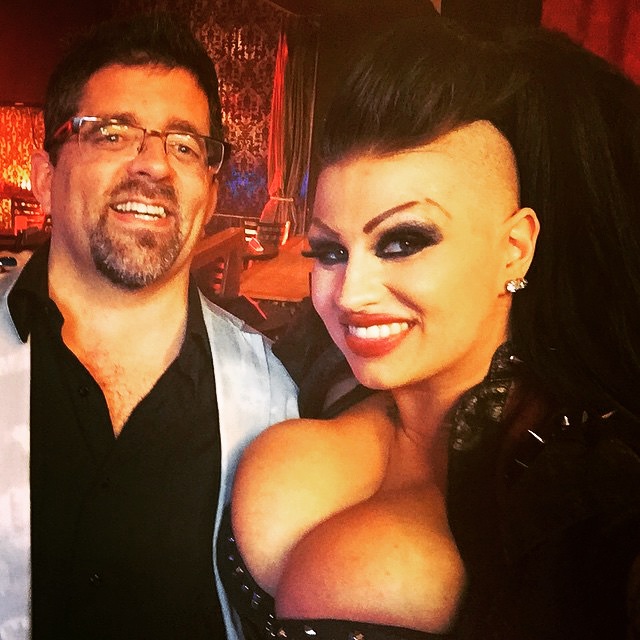
Interview with David Aboussafy, Co-Founder and Co-Director Vancouver Badass Film Festival

The VBASFF Celebrates new genre films from local and emerging filmmakers. The fest has horror (lots!!!) noir, superheroes, dark comedy, gore, naughtiness and so much more!

http://www.vbasff.com/

I recently sat down with David Aboussafy to talk more about the festival: 

Matthew Toffolo: What is the Badass Film Festival succeeding at doing for filmmakers?

David Aboussafy: The Badass Festival breaks down walls, and champions the best in new extreme cinema. Our festival provides emerging and extreme filmmakers a venue to screen their films and to connect with fans, other filmmakers, industry, media, funders and distributors, bringing attention and audiences to compelling original work in style and content. Badass 2015 was a completely sold out showcase of new extreme film with a focus on emerging filmmakers. One Badass 2015 short film El Gigante subsequently went on to win numerous awards around the world and, along with another Badass 2015 short, The Promise/ AlphaMem, are being developed into feature films. Another Badass 2015 film, Swingers Anonymous went on to Cannes and a fully funded feature film for the film’s director. Fans and investors who engaged with filmmakers at Badass 2015 and have helped fund filmmakers’ current projects. In addition, some currently active filmmaking teams met and formed at Badass 2015.

The Second Annual Vancouver Badass Film Festival (Badass 2016), continues to celebrates the new, the different, the shocking, the memorable and upsetting in style and content. Why extreme cinema? We champion unsettling films because they don’t pander to us – their style and subject matter challenge us. To embrace them is to engage something worth hanging onto. The different, the disturbing, can establish their own authority. While the audience for truly bold filmmaking might start small, the extreme may be what endures while the run of the mill are forgotten. Badass films also of course have a premium on straight up attention-grabbing fun and visceral excitement.

The Vancouver Badass Film Festival philosophy is one of breaking down barriers between fans and filmmakers, and between filmmakers, collaborators, funders and distributors. Badass 2016 will have a significantly expanded program including the premieres of select features and shorts programs split into local and international sections with juried awards and a gala. Badass 2016 will include Luchagore Productions new film Madre de Dios, Gautier Casaneuve’s House of VHS from France, Izzy Lee’s Innsmouth and Postpartum from the US. Evening feature premiere’s include Mexico’s Atroz from writer/director Lex Ortega, and Canada’s The Evil in Us from writer/director Jason William Lee and Sandcastle Productions.

Matthew: What would you expect to experience if you attend the festival?

David: To paraphrase a tagline from one of our favorite Vancouver theatres, they would get a festival experience they can’t download, and one that is much more entertaining and interactive than the usual staid film festival. They will get exposure to a diverse range of great, compelling new films in a carnival-like atmosphere thick with enthusiastic fans, as well as accessible filmmakers and genre film performers. Badass 2016 is hosted by hugely entertaining and unique performers who themselves alone would be well worth the price of admission. Tristan Risk, Samantha Mack and Mister Nickel are the festival MCs, ringleading events such as a twisted Oscar-style awards gala, gonzo film discussions, red carpet photos, post screening Q & As, and some awesome surprises. Special guests speakers include Director Gigi Saul Guerrero and key cast and crew from The Evil in Us, as well as some high profile speakers were are not able to announce in advance. Badass 2016 home VIFF/Vancity Theatre is also fully licensed and you can bring alcoholic drinks with you to your seat.

Matthew: What are the qualifications for the selected films?

David: Badass films are new films produced or released in 2015 or later, that meet our definition of extreme or unsafe cinema (which can encompass the avant-garde as well as genres such as horror, noir, SF/fantasy, and wild action); in short, exciting films that are highly original in content and/or style (preferably both), from anywhere in the world. No boring-to-look-at, safe, sappy rom-coms or earnest predictable dramas, please.

Matthew: Do you think that some films really don’t get a fair shake from film festivals? And if so, why?

David: Yes, certainly at both a funding and large festival level, the traditional funding agencies in Canada have long favoured a type of very safe, predictable film making (often from the same filmmakers). As a result, the big festivals they sponsor and fill with their films tend to be rather dull and uninspiring. This conservatism and caution also typifies most films funded and produced in the vertically integrated and risk-aversive studio system. Even the older independent film festivals have been trending toward safer and safer content, leaving more extreme new films out in the cold, and geniuses like the Soska sisters and Gigi Saul Guerrero on the outside looking in.

Matthew: What motivates you and your team to do this festival?

David: The Badass festival was formed to fill the gap left by the traditional festivals, and to meet the needs of new, original extreme filmmakers, which includes giving them and their fans a place to party their asses off together in a celebratory environment. We want to create a festival that supports, encourages and showcases the most exciting new films and filmmakers. In addition, we want to provide fans of such films and performers a truly exciting and engaging festival experience. In the crowdfunding era, fan engagement can be funder engagement, and we at Badass are also motivated to foster innovation and collaboration between filmmakers, producers, fans, funders and distributors.

Matthew: How has the festival changed since its inception?

David: In our first year, the Vancouver Badass Film Festival was a short film festival. In this our second year, we have grown to include, feature film premieres, new sponsors and events, and have greatly expanded our short film program.

Matthew: Where do you see the festival by 2020?

David: We at Badass are big fans of the Fantasia International Film Festival in Montreal, a multi-week genre film festival with a lively distribution and co-production market. We have set a very ambitious goal of eventually developing Badass into something like that. However, it’s still relatively early days for us; in the next four years we would like to continue to grow with respect to programming, sponsors, and fan and filmmaker engagement, with a longer and even more engaging festival. By 2020, if that sales and distribution method is still viable, we would like to host an international genre film and co-production market to coincide with the festival. Additionally, we would also like the Vancouver Badass Film Festival to be on the vanguard of new approaches as funding, production, distribution and sales models continue to rapidly change.

Matthew: What film have you seen the most times in your life?

David: As a child, I saw Star Wars many, many times. This past year, I have seen Mad Max: Fury Road three times in the theatre, and I would see it again right now.

Matthew: In one sentence, what makes a great film?

David: A great film is one you can’t look away from, shows you something new, and one that you can’t forget.

Matthew: How is the film scene in your city?

David: Vancouver is home of the third largest television and film industry in North America, with a multitude of experienced professional crew and an abundance of acting talent. Vancouver is also the home of a very vibrant independent and genre film community, with many active gifted filmmakers, as well as supportive venues such as the Rio Theatre, and the VIFF/Vancity Theatre.
badass_1.jpg

_____

Interviewer Matthew Toffolo is currently the CEO of the WILDsound FEEDBACK Film & Writing Festival. The festival that showcases 10-20 screenplay and story readings performed by professional actors every month. And the FEEDBACK Monthly Festival held in downtown Toronto on the last Thursday of every single month. Go to www.wildsound.ca for more information and to submit your work to the festival.

Interview with Festival Director Asher Segelken (Teen Faith Film Festival)

Christian filmmakers from high schools across California come together through the celebration of filmmaking in a place of collaboration and exposure!

Go to the website for more information: http://teenfaithfilmfest.weebly.com/

I sat down with the Festival Director to talk about the festival.

Matthew Toffolo: What is your festival succeeding at doing for filmmakers?

Asher Segelken: The Teen Faith Film Festival is succeeding on three major fronts, the first is exposing stories of faith exploration through film. Our first year hosted very powerful narratives, documentaries and Art-House films that conveyed something deeply spiritual.

Secondly we are succeeding in the networking, for a second year event we have been able to network with Biola University, and other Christian Filmmaking Professionals to bring an event that is very active for networking and internships.

Thirdly we are succeeding in the quality of submissions attracting the best of faith based High School films from across the country.

Matthew: What would you expect to experience if you attend the festival?

Asher: If I was at a festival I would expect to see people represented from a lot of places and perspectives I would expect to be blown away by the efforts of the student committee who put on and market the festival as well as expect to know the essential details of each film before I left the Nechita Center.

Matthew:  What are the qualifications for the selected films?

Asher: All films must be under ten minutes and made by a teenager.  That’s it. We assess the spirituality of different submissions looking for profound insights coupled with good filmmaking and then we send the films on to professionals judges that then score the films.

Matthew: Do you think that some films really don’t get a fair shake from film festivals? And if so, why?

Asher: I think festivals want what would sell in that they want the publicity of being the festival where a deal was made because that is what festivals are after. I also think festivals want to see innovation in film and so if either extreme is not met a spiritual margin somehow disqualifies you. At teen faith we look for the best filmmaking and the best story. The only way a film is subjectively disqualified at teen faith after qualifying by being 10  minutes and made by a teen is if that film ignores spirituality which is frankly a difficult thing to ignore in while telling a story.

Matthew:  What motivates you and your team to do this festival?

Asher: What motivates my team and I to do this festival is the idea of celebrating what our peers are doing through an art form we love to express faith of all kinds and to further story in a unique way as students.

Matthew:  How has the festival changed since its inception?

Asher: The Festival was originally supposed to be a closed festival to selected schools but then became a much more open and international event.

Matthew:  Where do you see the festival by 2020?

Asher: By 2020 I see the Teen Faith Film Festival being the place to see up and coming christian filmmakers celebrated and then going on to continue to innovate Christian filmmaking changing it for the better by going away from cheesier films that we are used to cringing at when they are in the box office to making films that create legitimate hype regardless of a person’s religious standings.

Matthew:  What film have you seen the most times in your life?

Asher: For me I can’t stop watching Birdman or the Dark Knight those films are so well done and speak so much to the complexities of societial and individual humanity.

Matthew:  In one sentence, what makes a great film?

Asher: A Great film is made when realism is balanced with reasonable suspense forcing the viewer to be present, while also being provocative in a way that changes ones perspective when they leave the theater.

Matthew:  How is the film scene in your city?

Asher: Orange County is better known for the amazing contract/freelance filmmakers in the area who make a good profit for providing film services. The Art-form itself is very beloved being in the greater Los Angeles area.

asher_segelken

Interviewer Matthew Toffolo is currently the CEO of the WILDsound FEEDBACK Film & Writing Festival. The festival that showcases 10-20 screenplay and story readings performed by professional actors every month. And the FEEDBACK Monthly Festival held in downtown Toronto on the last Thursday of every single month. Go to www.wildsound.ca for more information and to submit your work to the festival.

Interview with Festival Director Charles McNeil (Cape Fear Independent Film Festival)

The Cape Fear Independent Film Network is dedicated to promoting independent film and preserving the Cape Fear region’s rich film history.

Go to the film site for more information: http://www.cfifn.org/

I recently sat down with festival director Charles McNeil to learn more about the festival.

Matthew Toffolo: What is the CFI: Film Festival succeeding at doing for filmmakers?

Charles McNeil: We consider the Cape Fear Independent Film Festival a Filmmaker’s festival. For Filmmakers that attend we ensure that They first off have a good time, but we also like to focus on the networking aspect of a film festival, we encourage all of the filmmakers in attendance to meet the other filmmakers. For those who can’t attend we offer the notoriety of being in the festival, we are a very competitive festival.

Matthew: What would you expect to experience when you attend the festival?

Charles: We are a welcoming festival, those who attend, whether a filmmaker or someone who is just out for some entertainment, should expect to be approached by a member of the festival and engage them in conversation. We also encourage our filmmakers to engage with our audience and our audience to engage with our filmmakers.

Matthew: What are the qualifications for the selected films?

Charles: What is most likely to get a film into our festival is its entertainment and engagement value. Our screeners are looking to be compelled to watch the film they are reviewing, and we want our audiences to be compelled also. Short, feature, documentary, doesn’t matter, tell us a good story that draws our attention.

Matthew: Why would a filmmaker be motivated to submit to your festival?

Charles: The Cape Fear Independent Film Festival offers two monetary prizes, $250 for best short and $500 for best feature, however this isn’t the only reason to submit to our festival. Wilmington NC has always been a film hub, since Frank Capra Jr. brought Firestarter to film here over 30 years ago.

Matthew: What motivates you and your team to do this festival?

Charles: We do the film festival because we are filmmakers. We have attended festivals as filmmakers and audience members and love the sense of community you can get from some of the really great ones, and that’s what we are doing here. Creating a sense of community for our filmmakers and audience members, it’s great to see the same filmmakers submit again, not only because it’s great to have them visit if they make it into the festival, but it’s great to see the evolution of their craft.

Matthew: How has the festival changed since its inception?

Charles: At it’s heart it’s the same, but when we started we did a lot more screenings in local bars, they embraced us and made it easy for us to put films in front of an audience. We have grown over the years and now we use larger venues. But we are still there to make sure the filmmakers have a good time and network.

Matthew: Where do you see the festival by 2020?

Charles: This year we are showing films over 3 days. I would like to expand that in the next few years, our aim is to be a 5 day festival by 2020. More films, more filmmakers, more awesome. But we won’t change the fact that we are a filmmakers festival and want to not only show them a good time, but offer the chance at networking and honing their craft.

Matthew: What film have you seen the most in your life?

Charles: The film I have probably seen more times than any other, and it is my favorite film, is Chitty Chitty Bang Bang with Dick Van Dyke. People don’t realize it’s essentially James Bond for kids with singing and dancing. Written by Ian Fleming, produced by Albert R. Broccoli, with Desmond Llewelyn ( the original Q) and Gert Fröbe (Goldfinger) as the bad guy. It’s gotten under my skin and I watch it at least a couple of times a year.

Matthew: In one sentence, what makes a great film?

Charles: What makes a great film is it’s ability to hold your attention, horrified, laughing, crying, edge of your seat, the emotion doesn’t matter.

Matthew: How is the film scene in your city?

Charles: With the reduction of the film incentive a lot of productions have gone elsewhere, but we are bringing it back, when NC went from a Tax Credit to a Film Grant it was originally $10 million, but now that has been increased to $30 million. Productions are coming back to North Carolina and to Wilmington in particular. Having a professional base of crew makes for a great independent film scene.

Interview with Festival Director Michael Wearing (The Rob Knox Film Festival)

The Rob Knox Film Festival is held annually in Bexley, London. in memory of the actor who played Marcus Belby in Harry Potter and the Half Blood Prince.

Go to the Film Freeway submission page to submit your film: https://filmfreeway.com/festival/RobKnoxFilmFestival

I sat down with the Festival Director to learn more about this unique festival.

rob_knoxMatthew Toffolo: What is the Rob Knox Film Festival succeeding at doing for filmmakers?

Michael Wearing: The Rob Knox Film Festival has been extremely successful at identifying talented individuals at an early stage in their career and given them recognition, and a renewed motivation to move on to better things. Perhaps the best example of this is Stephen Fingleton who won his first ever award at the festival. (Best director for the his film Driver). This year he was nominated for a BAFTA award for outstanding debut feature by a British writer, Director or Producer. Another good example is Gareth Fient who won his first award at the festival aged just 15, and now aged 21 is getting regular work as a director and editor from producers in New York, LA and London.

Matthew: What would you expect to experience if you attend the festival?

Michael: The festival exhibits films from around the world, but is proud to ensure that locally made films are screened as well. There’s a real sense of community. Alongside the main awards night we lay on 8days of film related activity, this will include screenings at community venues and workshops. The festival ends with an awards evening and a free networking event.

Matthew: What are the qualifications for the selected films?

Michael: We are very keen to experience films of all genres and lengths. The festival is named after and held in memory of Rob Knox who played Marcus Belby in Harry Potter and The Half-Blood Prince and was murdered a week after filming his scenes aged just 18. His parents are active in the organisation of the festival, so we are mindful of their sensitivities and wishes.

Matthew: What makes a great independent film?

Michael: It’s a difficult question, I’m often surprised by the decision of the judges…. But from my point of view a great independent film will tell a story in no more time than is required to tell the story. We will allow slight imperfections in the visuals but the sound should be of a high quality.

Matthew: What motivates you and your team to do this festival?

Michael: My principle motivation is to honour the memory of Rob, and I think that is so with the whole team. A side effect of the festival is the increased networking opportunities it has provided to me and the others involved. I’m also keen to raise the positive profile of young people and so we get them involved in all aspects of the festival…

Matthew: How has the festival changed since its inception?

Michael: The main change is that from being a totally free festival. we have introduced a charge to filmmakers for most categories. This was done to reduce the quantity of entries we receive. The festival is run by volunteers and we were aware that the amount of entries we were receiving would eventually overwhelm the judges. Another change was accepting entries via film freeway instead of requiring DVDs…

Matthew: Where do you see the festival by 2020?

Michael: It would be good to get some increased sponsorship, and more volunteers, so that we can increase the offer.. The general format We see as remaining as it is, but we are always open to suggestions on ways to improve.

Matthew: What film have you seen the most in your life?

Michael: I’ve seen many films more than once, a few I would put as having seen 100s of time but there is one film that I have seen thousands of times. And that is Tootsie starring Dustin Hofmann. An incredible piece of writing, I just love the way there are so many sub stories weaved together impeccably.

Matthew: What country (or countries) seem to make the bests short films year after year?

Michael: We get great films from all over the world. I don’t think country comes into it. Our audience is predominately British, but we have had films from Russia, USA, Greece, France, Belguim, Spain, Ireland and Brazil all win awards. We are happy to show films with subtitles..

Matthew: How is the film scene in your city?

Michael: The Rob Knox Film Festival takes place in Bexleyheath in South East London, and part of the reason we started it was because there was nothing going on in this particular area… However across London there is always film related activity going on.

_____

Interviewer Matthew Toffolo is currently the CEO of the WILDsound FEEDBACK Film & Writing Festival. The festival that showcases 10-20 screenplay and story readings performed by professional actors every month. And the FEEDBACK Monthly Fesival held in downtown Toronto on the last Thursday of every single month. Go to www.wildsound.ca for more information and to submit your work to the festival.

Interview with Festival Director Oscar Piloto (Miami Indie Artist Film Festival)

The MIA Film Festival (#MiaFF) is an underground festival based out of Miami, Florida that features films and screenplays of all length and genres worldwide. #MiaFF is unique from the rest because it’s an underground festival that expands the capability of networking with other filmmakers and showcasing films in one location for 9 days in December.

I was fortunate enough to interview Festival Director Oscar Piloto:

oscarMatthew Toffolo: What is the Miami Indie Artist Film Festival succeeding at doing for filmmakers?

Oscar Piloto: What makes us successful is that it’s a new festival and it continues to grow. There are people who believe in the festival and are working with us to achieve our goals. Our goals of giving filmmakers hope for a greater brighter future by helping them create relationships that will last a lifetime. We want to introduce like minded people and guiding them in working together. We want to create a real community that truly allows the growth for individual achievement.

Matthew: What would you expect to experience if you attend the festival?

Oscar: We are big in creating a positive atmosphere with lots of fun in the process but most importantly making sure artists leave the festival with more knowledge of this wonderful industry that we love.

Matthew: What are the qualifications for the selected films?

Oscar: We understand many films are done by striving artists and in many cases even students. However, we would love to see flashes of greatness in all the different facets of filmmaking.

Matthew: As per your festival statement, do you think that some films really don’t get a fair shake from film festivals? And if so, why?

Oscar: I absolutely feel that many films do not get a fair shake. I believe some festivals become too big but aren’t relevant or influential, because they accept quantity instead of quality, like a “first come first serve” basis. I’ve seen films win other festivals that didn’t even get accepted in other big festivals. I’ve also known filmmakers ask for their materials from a festival back and they got their films returned and sealed exactly as they were mailed originally.

Matthew: What motivates you and your team to do this festival?

Oscar: As a filmmaker that had struggled getting a break, I want to help discover new talent and making a difference in the film industry. We want to help create those connections that are desperately needed to succeed.

Matthew: How has the festival changed since its inception?

Oscar: We are only going on our second year but the big changes are having more sponsors. In our first year, the amount of submissions was outstanding. More than I could have hoped for. Now, with the sponsors I hope it will bring opportunity for bigger and better prizes to our filmmakers.

Matthew: Where do you see the festival by 2020?

Oscar: There is a big difference between big festivals and relevant festivals. I see the MIA FILM FESTIVAL as the most relevant film festival in South Florida, where deals get made and talents get discovered!

Matthew: What film have you seen the most in your life?

Oscar: I’ve personally seen “Greese” the most when I was around 12 years old. Not only was I a big fan of John Travolta and Olivia Newton John but I was also a big fan of the music.

Matthew: In one sentence, what makes a great film?

Oscar: A great film occurs when all the little pieces come together, in particular the attention to detail.

Matthew: How is the film scene in your city?

Oscar: I think it is great! There’s great diversity here in Miami from all ethnic backgrounds. In addition, Miami is a beautiful city where everyone wants to come, and the more people the city attracts, the film scene will continue to grow.

_____

Interviewer Matthew Toffolo is currently the CEO of the WILDsound FEEDBACK Film & Writing Festival. The festival that showcases 10-20 screenplay and story readings performed by professional actors every month. And the FEEDBACK Monthly Fesival held in downtown Toronto on the last Thursday of every single month. Go to www.wildsound.ca for more information and to submit your work to the festival.