Interview with Jorge Gonzalez, Launch Pad Screenwriting Competitions

The Launch Pad is a place dedicated to launching writing careers. Going well beyond what other competitions offer, we have created a platform that has helped more than 180 writers launch their careers. Utilizing our three competitions – pilots, features and manuscripts – as well as our advanced coverage services, we provide a hub that reaches far beyond a simple prize with your name listed on a site. The Launch Pad is a community of writers, executives, agents, managers and producers working together with one focus in mind – THE WRITER.

https://tblaunchpad.com/

Matthew Toffolo: What is your Film Festival succeeding at doing for filmmakers?

Our competition has been able to get more writers signed in the last 4 years then any other competition out there. We pride ourselves in using our deep industry relationships with agents, managers, and executives to give writers the necessary exposure to take the next step in their writing career.

MT: What would you expect to experience if you attend the festival this year (2017)?

If you enter our competition we guarantee that your script will receive at least two complete reads from professional readers who have read or currently still read for major agencies, management companies, studios, and production companies. A large number of scripts receive additional internal reviews as well. We take great pride and responsibility in the submissions we receive and so we work tirelessly trading hundreds of emails, texts, and phone calls with reps to help everyone from our Top 75 to our Winners get the recognition they deserve.

MT: What are the qualifications for the selected films?

Our competition is open to writers of all levels. Their script needs to be an original work, which must be their sole property and not have previously sold or placed Top 25 or higher in one of our previous competitions.

MT: Do you think that some films really don’t get a fair shake from film festivals? And if so, why?

That’s a really great question. I know for some of the bigger festivals that carry a lot of prestige like Sundance, TIFF, SXSW, and Austin, they are flooded each year with a huge number of entries. So the competition is fierce and many great films still may not make the cut. That said, I think those festivals really pride themselves in curating their films with thought provoking and unique films while simultaneously looking to identity new and emerging creators. There are also countless other respected festivals that are great ways for creators to gain recognition and get the exposure necessary to help their career. These festivals may be more accessible and a good first step along the journey.

MT: What motivates you and your team to do this festival?

For many of us here we come from a writing background and have also worked at management and production companies. Having been on both sides of the business we’re able to understand the needs of our writers and the reps that we work with. What gets us fired up is working with writers who if it weren’t for our competition may not have access to Hollywood and couldn’t otherwise get their material in the hands of some of the industries biggest agencies and management companies. The way that we see it is we’re here to try and help people jumpstart a professional writing career, and instead of climbing up from the bottom of a ladder we want to give them a boost so they can start half way up. With each of our competitions we’re able to help dozens of new writers land representation or set up their projects. Writers who have placed or won our competitions have sold six-figure spec scripts
to studios like Fox and Paramount and are currently writing for shows like Timeless, i-Zombie and Stranger Things amongst others. We’re truly humbled by the amount of success our writers have been able to achieve as a result of our competition.

MT: How has your FilmFreeway submission process been?

Film Freeway has been great. They have such a streamlined and easy way to connect with writers and have become the premiere hub for festivals and competitions.

MT: Where do you see the festival by 2020?

In space! Just kidding. We’ve been fortunate enough in the last year to partner with some of the biggest companies in the business. Just last year we partnered with Ridley Scott’s – Scott Free Productions, Roy Lee’s Vertigo Entertainment, and Brooklyn Weaver’s Energy Entertainment to name a few. These partnerships give us an opportunity to offer entrants prizes that include guaranteed signing and guarantee option opportunities from some of the biggest names in Hollywood. As we continue to grow we want to find new and innovative ways to partner with more companies to offer writers unique career opportunities that can’t be found anywhere else.

MT: What film have you seen the most times in your life?

Oh man this is a tough one! I’d say its a tie between Toy Story and Gladiator. Two widely different movies but both were staples during different times in my life. Toy Story was definitely my go to VHS movie growing up, and Gladiator was the first DVD I ever bought. The movie is a masterpiece!

MT: In one sentence, what makes a great film?

Strong characters who are led by their convictions regardless of their morality.

MT: How is the film scene in your city?

LA is the movie capital of the world. You really can’t go anywhere without running into someone who isn’t connected to the entertainment industry in some capacity. There is such a wealth of talent and creativity here that is remarkable. You never know who you’ll meet and as far as the the entertainment industry is concerned, there are so many chances to work or collaborate with amazing people. Los Angeles is one of those special cities where you can truly see your dream and passion come to life. Oh and lets not forget the never ending sunshine!

launch_pad

_____

Interviewer Matthew Toffolo is currently the CEO of the WILDsound FEEDBACK Film & Writing Festival. The festival that showcases 20-50 screenplay and story readings performed by professional actors every month. And the FEEDBACK Monthly Festival held in downtown Toronto, and Los Angeles at least 2 times a month. Go to www.wildsound.ca for more information and to submit your work to the festival.
Interview with Patrice Francois, Festival Director IMAGINE THIS WOMEN’S INTERNATIONAL FILM FESTIVAL

Imagine This Women’s International Film Festival: Imagine This Productions is dedicated to providing aspiring women storytellers and filmmakers a space to encourage and develop creative projects by women. ITP’s goal is to support women by sharing their work to the public, promoting equal opportunities, encouraging professional development, and serving as a resource informative network. 

http://imaginethisprods.com/
 
Matthew Toffolo: What is your Film Festival succeeding at doing for filmmakers?

Patrice Francois: I believe our film festival is succeeding at proving a platform for underrepresent women filmmakers from all over the world. We’ve showcased films from Afghanistan and Palestine. Our 2016 Best Documentary short film, “Shireen of Al-Walaja” by director Daz Chandler, is about an intimate portrait of a dynamic and popular Palestinian resistance leader, who left her full-time job at the UN to return to her home village of al-Walaja and fight for her community. And one of the attendance thanked us for being risky and showing the film. He told us that many other platforms wouldn’t dare screen the film because of the sensitive subject. We feel that We’re not here to play politics, if you do good work and you have a great story to share, your story deserves to be seen no matter what.

MT: What would you expect to experience if you attend the festival this year (2017)?

PF: A very divers selection of films of unique and compelling stories. A number of films will touch on themes related to personal struggles within political and social conflicts across the world. Oh, a great after party with attendees and some of the filmmakers.

MT: What are the qualifications for the selected films?

PF: That’s easy. Must be made by a women filmmaker either directed, produced or written. And of course, a great story.

MT: Do you think that some films really don’t get a fair shake from film festivals? And if so, why?

PF: Definitely. I’ve done the whole submit your film to film festivals and had endless discussions with other women filmmakers, so I know first hand how “un-fair” it can be sometimes. One of the main reason we started Imagine This. I think there’s just a lot of politics involved, I mean there’s politics involved in just about everything, but I’ve been to local film festivals that are supposed to be focused on indie, low budget films and some of the selected films have been made with well known actors and/or their budgets didn’t fit in “low” category.

MT: What motivates you and your team to do this festival?

PF: We understand the obstacles that exist for new and up-and-coming filmmakers. We decided it was important to help cultivate an appreciation for a wide range of unique and compelling stories, especially those from women who have been traditionally underrepresented in film.

MT: How has your FilmFreeway submission process been?

PF: We’ve seen a tremendous response, and are quite frankly blown away by the quality of submissions we’ve seen. We’re trending to doubling the amount submissions from last year.

MT: Where do you see the festival by 2020?

PF: It’s clear that there is tremendous female filmmaking talent out there, but there is still so much work to be done to create an inclusive environment that supports women storytellers, so I guess a bigger and better festival that’s more established in the NY film festival scene.

MT: What film have you seen the most times in your life?

PF: Let see, I would say “Heat”. That scene between Robert De Niro and Al Pacino in the diner scene is one of my all time favorite scenes. Plus I love Val Kilmer, he’ll always have a special place in my heart as well as my mother’s, lol

MT: In one sentence, what makes a great film?

PF: A film should have a great story and it should be compelling, it should be able to capture the mind of the audience, it should strike a chord, actors should run with the story and own it. the actors and the visuals should have a nice balance.

MT: How is the film scene in your city?

PF: Oh gosh, I live in the “country”, so there is no film scene in my town. I have to head down to the city to get my dose of art and culture, lol

imagine_this_2.jpg

_____

Interviewee Patrice Francois is an actor, screenwriter, filmmakers based in the Greater New York area. She is the co-founder of Imagine This Production and the festival director for Imagine This Women’s International Film Festival.

Interviewer Matthew Toffolo is currently the CEO of the WILDsound FEEDBACK Film & Writing Festival. The festival that showcases 20-50 screenplay and story readings performed by professional actors every month. And the FEEDBACK Monthly Festival held in downtown Toronto, and Los Angeles at least 2 times a month. Go to www.wildsound.ca for more information and to submit your work to the festival.

Interview with Eric Simonson, Creative Director DOOR KINETIC ARTS FESTIVAL

Oscar-winning “Lombardi” playwright Eric Simonson is bringing some major creative talent to Björklunden for the inaugural Door Kinetic Arts Festival in June. The week-long festival will provide Door County residents and visitors a peek at the creative process through two staged readings, a dance presentation and the premiere of a commissioned film by Campbell Scott, an award-winning filmmaker and actor, best known for “The Amazing Spiderman,” “Big Night” and “Longtime Companion.”

http://www.doorkinetic.com/

 Matthew Toffolo: What is your Film Festival succeeding at doing for filmmakers?

Eric Simonson: Like all film festivals, the most important thing we do is give a filmmaker a platform. We also invite artists to participate in the festival, which also includes art, dance and theatre. The point of DKAF is to encourage cross-polynization of artistic mediums. As the moving arts become more sophisticated, so does the way in which we express ourselves. DKAF offers 9 days in which which artists from all disciplines come together, see one another’s work, and exchange ideas — all in the inspirational environs of Door County, Wisconsin.

MT: What would you expect to experience if you attend the festival this year (2017)?

ES: Really innovative and rich storytelling experiences from filmmakers, playwrights, directors, actors, artists, choreographers and dancers. We also host several workshops and seminars — all open to the public — headed by internationally renowned artists.

MT: What are the qualifications for the selected films?

ES: Good story-telling, inventiveness in story-telling, economy, a willingness to branch out and express oneself in innovative ways.

MT: Do you think that some films really don’t get a fair shake from film festivals? And if so, why?

ES: Yes. I believe that most festivals have challenging selection processes. There are so many good films out there, but screening committees are often too ad hoc and not fair. We strive for a thorough vetting of quality films at DKAF.

MT: What motivates you and your team to do this festival?

ES: We love a good story. We love creating and presenting things in Door County, which is an artist’s home for many working in different mediums. We want people to experience Door County first hand and to find inspiration to create more and better art.

MT: How has your FilmFreeway submission process been?

ES: Pretty Great. The folks FilmFreeway are always coming up with intriguing ways to make the submissions process easier, and allow the filmmakers to find the festivals that are right for them.

MT: Where do you see the festival by 2020?

ES: We’re new and very young. We don’t want to become an overly big festival, but we want the quality of our work to improve annually. We want to pack as much art and inspiration as we can in 9 days!

MT: What film have you seen the most times in your life?

ES: 8 1/2 by Frederico Fellini. Hands down my favorite film of all time. Though CITIZEN KANE is up there too.

MT: In one sentence, what makes a great film?

ES: GOOD STORY!

MT: How is the film scene in your city?

ES: I live in LA (if that’s what you mean). It’s hopping. In Bailey’s Harbor WI, there’s not much going on, though there is a growing local interest in filmmaking. Why not? The medium is becoming easier and easier every year.

door_kinetic_arts_festival_2

_____

Interviewer Matthew Toffolo is currently the CEO of the WILDsound FEEDBACK Film & Writing Festival. The festival that showcases 20-50 screenplay and story readings performed by professional actors every month. And the FEEDBACK Monthly Festival held in downtown Toronto, and Los Angeles at least 2 times a month. Go to www.wildsound.ca for more information and to submit your work to the festival.

Interview with Doug Whipple, Executive Director NEW HOPE FILM FESTIVAL

The New Hope Film Festival is sponsored by Comcast Corporation, Times Publishing Newspapers, Inc., Greater Philadelphia Media, and the Greater New Hope Chamber of Commerce. The 8th annual festival will take place from July 21 – 30, 2017. Decisions will be emailed by May 1, 2017.

Touted as the “emerging ‘Sundance East'” in a Huffington Post article, this internationally respected indie fest was founded by D. F. Whipple, an author screenwriter and long-time resident of the New Hope, Bucks County area. Whipple formed New Hope Film Festival with a group of artists who shared his passion for discovering and nurturing independent artists, especially those who’ve been overlooked by established festivals. This includes international films, which the Festival is eager to attract.

http://www.newhopefilmfestival.com/

Matthew Toffolo: What is your Film Festival succeeding at doing for filmmakers?

A number of our films have landed distribution deals, for example Freestyle Digital Media picked up The Syndrome, but we’re doing a lot more than moving films through distribution channels. We’re changing lives. Formerly obscure filmmakers are gaining mainstream recognition. Two of my favorite examples screened at NHFF in 2010: Andreas Arnstedt, whose film The Dispensables (Die Entbehrlichen) earned a Best Debut Film nomination from German Film Critics Association and Sisir Sahana in India, who is now a respected educated and filmmaker.

MT: What would you expect to experience if you attend the festival this year (2017)?

Network with other, like-minded film industry professionals, gain inspiration from watching amazing films, gain worldwide exposure and potentially get mainstream press.

MT: What are the qualifications for the selected films?

Artistic merit, period.

MT: Do you think that some films really don’t get a fair shake from film festivals? And if so, why?

Yes, absolutely! Politics. Too often, festivals invite films into their festival through the back door due to personal connections or affinity with the subject matter without seriously considering films that we submitted through publicly-available channels. This is something we never do. Everyone gets a fair chance here. We never invite films into the festival. In fact, this is why Director of Submissions Thom Mulligan and I started the New Hope Film Festival. He had experienced some frustrating experiences on the festival circuit after submitting his own film, Callous.

MT: What motivates you and your team to do this festival?

Fairness was our initial motivation, but as time went on we found that personal words of appreciation from filmmakers, and the differences we’re making in lives, motivate us to keep doing all of this incredibly hard, year-round. We love doing this!

MT: How has your FilmFreeway submission process been?

The platform is becoming important to us. It’s an easy platform to use and we’re getting some awesome films this way.

MT: Where do you see the festival by 2020?

We’ll be a 10-year-old film festival in 2020, so we should see even more mainstream submissions. We’re already receiving submissions from production companies with serious Hollywood credentials.

MT: What film have you seen the most times in your life?

A reporter asked me this question last year and I discovered that it’s Blade Runner. But I’ve only watched it 3 times. I watch many NHFF films, at least in part, over and over, in the course of my duties as Executive Director.

MT: In one sentence, what makes a great film?

A deep, sincere and organic connection to the material and the project. If you have this, the budget isn’t so important. We do care about production values, but I’ve seen no budget films leave audiences speechless during the final credits.

MT: How is the film scene in your city?

It’s ok. We’re seeing more local production and we definitely have some passionate fans, but we’ve built a festival in an art town that doesn’t even have a movie theater. Filmmakers who come to New Hope fall in love with the town and have a blast, but this is not a zany atmosphere of red carpets and searchlights. New Hope is a charming, intimate place for a film festival.

 
_____

Interviewer Matthew Toffolo is currently the CEO of the WILDsound FEEDBACK Film & Writing Festival. The festival that showcases 20-50 screenplay and story readings performed by professional actors every month. And the FEEDBACK Monthly Festival held in downtown Toronto, and Los Angeles at least 2 times a month. Go to www.wildsound.ca for more information and to submit your work to the festival.

Interview with Festival Director Kanithea Powell (Queer Hippo International LGBT Film Festival)

Queer Hippo is a celebration of queer cinema that brings together authentic stories and audacious audiences for its annual program of original documentaries, dramatic films, original teleplays, music videos and shorts. With filmmaker forums and panels, live music performances, distributors, engaging community and student programs, Queer Hippo brings together today’s most original storytellers to a place where they can collaborate and connect.

http://www.queerhippo.com/

 Matthew Toffolo: What is your Film Festival succeeding at doing for filmmakers?

Kanithea Powell: Queer Hippo provides an amazing platform for queer independent filmmakers. We have had films premier at our festival and go on to win major festivals as a result of winning in Queer Hippo. That says a lot about our ability to choose quality films that tell compelling stories.

MT: What would you expect to experience if you attend the
festival this year (2017)?

KP: Another great year of queer films. Last year Queer Hippo represented over 19 different countries. That’s huge. Expect 2017 to give you nothing less than diverse authentic stories, amazing shorts, moving features and documentaries.

MT: What are the qualifications for the selected films?

KP: The subject matter must be queer.

MT: Do you think that some films really don’t get a fair shake from film festivals? And if so, why?

KP: There are so many great films out there looking for a platform.

If you are a small indie film with a great story, you may not get the attention you deserve when you are up against a larger film with major cast. You can get lost in the shuffle, and that’s unfortunate.

MT: What motivates you and your team to do this festival?

KP: We love cinema. Being able to provide a safe space for our audience to come and enjoy our selection of films means everything. We are in an environment where it is important to tell those stories and continue to show people we are more alike than we are different.

MT: How has your FilmFreeway submission process been?

KP: FilmFreeway has made this process simple and affordable. The platform works flawlessly for the festival programmer and the filmmaker. The site was easy to navigate and gave me exactly what I needed. This allowed us to get about the business of finding great films for our audience.

MT: Where do you see the festival by 2020?

KP: Queer Hippo will be the best place to experience queer cinema.

We will be leaders in providing educational and distribution opportunities for filmmakers.

MT: What film have you seen the most times in your life?

KP: Shine & The Color Purple

MT: In one sentence, what makes a great film?

KP: Storytelling is the beginning and end to a great film.

MT: How is the film scene in your city?

KP: Houston has a small, intimate film scene. Austin gets a lot of the work but I think that will change over the next few years.

queerhippo2.jpg

_____

Interviewer Matthew Toffolo is currently the CEO of the WILDsound FEEDBACK Film & Writing Festival. The festival that showcases 20-50 screenplay and story readings performed by professional actors every month. And the FEEDBACK Monthly Festival held in downtown Toronto, and Los Angeles at least 2 times a month. Go to www.wildsound.ca for more information and to submit your work to the festival.

Interview with director Paul Verhoeven (promoting Golden Globe winning film “ELLE”

elle.jpgAs of this writing, “ELLE” was the winner of 2 Golden Globe Awards (Best Actress, Best Foreign Film), and the lead actress Isabelle Huppert was just nominated for an Oscar for Best Actress. A must see film from a legendary director.
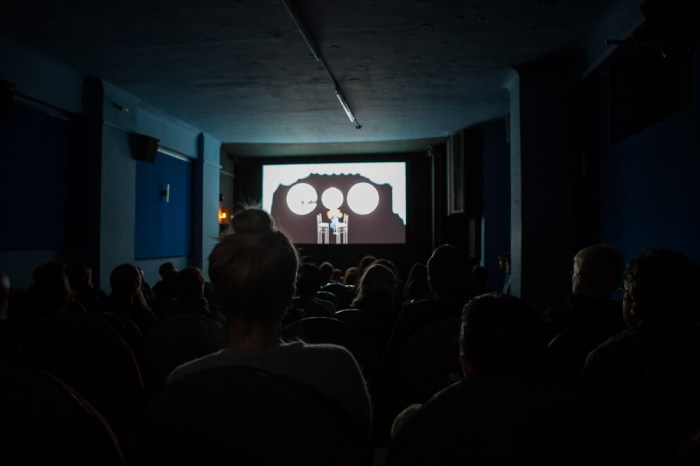
Paul Verhoeven is a director from my childhood. My friends and I used to love watching “Robocop” during out monthly slumber parties. Then “Total Recall” entered our world right at the time we all started getting interested in the supernatural and girls simultaneously. By the time “Basic Instinct” came along, I was a young teenager and let’s just say the movie made a deep impression on me. As I grew from a boy to a young adult, Verhoeven’s film grew with me.

So I have to say that I was a bit nervous meeting him in the staged interview hotel room at TIFF 2016. I had 15 minutes and when Paul walked in you could tell I was going to be around his 50th interview in the last few days and the hotel room backdrop is a very familiar site to him.

For my first question, I wanted to ask him something that was interesting and/or intriguing to him and perhaps a question he was never asked before, or at least not asked while he was promoting “ELLE”.

Matthew Toffolo: What movie have you watched the most times in your life?

Paul sat there motionless for more than a few seconds with his head looking at the ground. I thought I blew it right from the beginning. Then.

Paul Verhoeven: I’m thinking. I’m thinking.

Lawrence of Arabia. North by Northwest. Belle de Jour. Vertigo. Those are the films I keep going back to.

He smiled at me. I smiled at him. Then it was time to do the interview and let him move to the next one.

MT: You seem to balance your films between your European life and your Hollywood life. ELLE seems to strike a nice mixture of both. Was that your initial intention?

PV: Well in Europe, you have more power as a director. In Hollywood, you have more excess and money. Of course you like to have both, but that’s not the case. So yes, we were attempting to make a Hollywood type of film with ELLE using the European format.

MT: I heard your initial intention was to make this an English language film?

PV: Well it’s a French novel. The producer of ELLE, Saïd Ben Saïd, thought it could be an American movie. We went to an American screenwriter and wrote it as an USA movie, based in America. Then we found out that we couldn’t get the right funding. But the real problem was that we couldn’t find an American actress. None of them wanted to do it. From the A list down. They all turned the project down.

MT: Why do you think so many actresses turned down the film?

PV: It’s a different kind of movie. If this was a straight up “revenge” film, then I’m sure many would want the role. But this isn’t a revenge movie. It’s someone more. This is a film about a woman who refuses to be a victim. In fact, even after she discovers who the rapist is, she moves over that.

MT: Was Isabelle Huppert your first choice to play the lead when you decided to……?

PV: No. She was my first choice. She read the book and wanted to do the role. After the “American adventure” was over and I told the producer that we should make this movie in France, he immediately picked up the phone and called Isabelle and she accepted right away. So it was really her to chose me.

MT: There is no straight up genre in this film?

PV: No, there isn’t. This is a film about the discovery of this woman. Who she is. The book is a study of character and that’s the movie we wanted to make. All of her relationships in this movie, from her lover, best friend, her father, her rapist – the construction is about her and what’s around her. If I made this a straight up thriller, then it would deny what this story is all about.

MT: When did you novel read the novel?

PV: It was sent to me by the producer who asked if I wanted to make this into a film. I read it right away and told him “yes”.

MT: How long was it from the time you read the novel to the completed product?

PV: I read it at the Berlin Film Festival in 2015 and we started shooting a year later. The only obstacle was our initial intention to turn this into an English film. That was the only delay. Until I decided it was supposed to be made in French, we got the production rolling in a matter of months.

MT: In the novel she’s a literary agent. In the film, she’s a video game developer. Why the change?

PV: I was trying to find a profession that was more visual. My daughter came up with that. I was talking to my family at the dinner table talking about the film and my youngest daughter, who is a painter, suggested this which of course lead to the themes of the film.

The publicist entered the room and said it was time to go. I really could have chatted with Paul for another hour – but what can you do.

“ELLE” is an exceptional film. One of the best of 2016. I hope you go see it!

_____

Interviewer Matthew Toffolo is currently the CEO of the WILDsound FEEDBACK Film & Writing Festival. The festival that showcases 20-50 screenplay and story readings performed by professional actors every month. And the FEEDBACK Monthly Festival held in downtown Toronto, and Los Angeles at least 2 times a month. Go to www.wildsound.ca for more information and to submit your work to the festival.

Interview with Festival Director Jonatan Petré Brixel (Berlin Experimental Film Festival)

Berlin Experimental Film Festival focuses solely on Experimental films of all kind from all around the world. The Festival takes place at Kino Moviemento, the oldest Cinema in Germany, founded in 1907 located in Kreuzberg in the middle of Berlin. Regardless if its a quiet sensitive film about personal pain, an angry roar against society, a light hearted documentary about a grandmother, a visual portrayal of sound itself or an insecure attempt to wander into an unknown sexuality – the Experimental Film making as such is what the curated program is be built upon.

Visit the website for more information.

Matthew Toffolo: What is your Film Festival succeeding at doing for filmmakers?

Jonatan Petré Brixel: We’ve had it once and we aimed at having quality fundamentals – paid accomodation for filmmakers, properly present and advertise the films and film screenings and to invite Film organizations that work with distribution, screening and promotion of experimental films. We succeeded which was real nice, we had full house on the Festival.

MT: What would you expect to experience if you attend the festival this year (2017)?

JPB: A festival much like the first but with more films, more attending film makers and more attending film organizations. We’re looking at screening around 70-80 films in our 2nd edition, while still having a proper presentation and promotion for the films.

MT: What are the qualifications for teh selected films?

JPB: The foundation for the Festival and the guideline for film makers submitting and for us who curate the program is the experimental method as such and the personal approach of the filmmaker, regardless of who made it or what it is about. We then have different sections for Narratives, Non narratives, Documentaries and Berlin Originals but all of them builds on the same core principle – a lust to experiment using film and the personal approach of the film maker.

MT: Do you think that some films really don’t get a fair shake from film festivals? And if so, why?

JPB: I think many established festivals tend to push their own ideological agenda and then choose films that fit and that irritates me but hey, it’s not like they owe me to promote my film.

All these festivals and other forms of film promotion places popping up – ours included – basically fill a need that has been growing and I think as a film maker it is more important to seek out the people you think promote your sort of film instead of complaining that the ones you know doesn’t. And if you cannot find any – do it yourself. That’s what we did, and funnily enough we discovered we were far from alone there were lots of people and organizations out there doing amazing things. Ever since we started working with the festival we’ve come in contact with alot of
people doing some really great things.

MT: What motivates you and your team to do this festival?

JPB: It is really great promoting other people’s work and making things happen. Organizing an event seeing all the impulses you sent out coming together is real fun even though it’s is a enormous amount of work and involves both monotomous grinding as well as stressfull sudden changes.

MT: How has your FilmFreeway submission process been?

JPB: Excellent, they have a superb platform they keep improving all the time. Easy to work with too.

MT: Where do you see the festival by 2020?

JPB: We’re working on several things, hopefully some of them will see reality even at the next edition 2017.

MT: What film have you seen the most times in your life?

JPB: Escape from New York followed by Big Troubble in Little China, I had them on a 4 hour VHS tape that i kept watching over and over.

MT: In one sentence, what makes a great film?

JPB: If I feel that they went for it may it be in the script writing, acting, directing or post production or of course at best all of them – it’s a great film. Sometimes it’s young kids unknowingly reinacting all hollywood movies they ever seen, sometimes it’s the life work of someone with a long career behind them, sometimes a manic up and comer, and sometimes it’s a failure and others a success for whatever reason but to go for it is the absolute essence of any great film in my opinion.

MT: How is the film scene in your city?

JPB: All over the place. Berlin has both the established Institutions as well as a gigantic amount of people doing their own thing with or without money. And of course all sorts of scenarios and collaborations in between.
berlin_experimental_2.jpg

*******

Organizers:
Festival Director, Jonatan Petre Brixel (b. 1984 Sweden) has a background in Philosophy and started making films 2007, first Film titled “Pig Man gets a Visit”. He has since made several short films and is currently filming his first Feature Film “Sven Harald’s Adventures”.

Festival Manager, Andrija Jovanovic (b. 1982 Serbia) made his first film the moment he laid his hands on a digital photo camera. His first stop motion project “The big bad bag” was broadcasted on a Swiss SRF2 in 2012. Since then he made several short films and is currently working on his first feature project “Ana”. He has a background in literature and painting.

Interviewer Matthew Toffolo is currently the CEO of the WILDsound FEEDBACK Film & Writing Festival. The festival that showcases 10-20 screenplay and story readings performed by professional actors every month. And the FEEDBACK Monthly Festival held at least twice a month in Toronto & Los Angeles. Go to http://www.wildsoundfestival.com for more information and to submit your work to the festival.

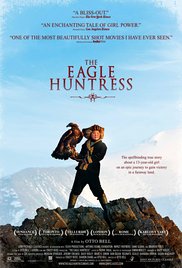
Interview with the director/star of THE EAGLE HUNTRESS

the_eagle_huntress.jpgWhat a thrill it was to chat with the team of one of the best documentary films of 2016 in THE EAGLE HUNTRESS.
Director Otto Bell and his subject, the eagle huntress Aisholpan Nurgaiv chatted with me in a press junket hotel room in downtown Toronto during the Toronto International Film Festival. It was a bit of a surreal moment for me walking in as Aisholpan was dressed in her full huntress gear. English isn’t her first language so she didn’t have much to say in this interview. What was striking for me was her demeanor and eyes. At 13 years old, there was wisdom way beyond her years. It was interesting to hear what her next passion is (read below) too. Enjoy. And make sure you check out the film. It’s playing in all of the big cities in North America today.

Matthew Toffolo: Who is taking care of the Eagles right now while you’re in Toronto?

Aisholpan Nurgaiv: My older and younger brothers are taking care of them right now.

MT: What attracted you to making this documentary and going to Mongolia to film Aisholpan and her family?

Otto Bell: I saw a BBC photograph on the day it was posted. I was struck by it immediately. The backdrop and setting was beautiful. It was almost like an oil painting. She (Aisholpan) was training with her father’s bird at the time and the eagle had a 7 foot wingspan – like it was from prehistoric times. And I saw her face, it was striking. Those three factors got me thinking. Is there a movie here?

I found the photographer on facebook that day. Skyped him and then was on a plane to Mongolia in a matter of days.

MT: Wow. What was your headspace like when you saw the photograph?

OB: I was in my cubicle at work.

MT: I mean mentally. spiritually. What propelled you to skype with the photographer and then jump on a plane?

OB: I was in New York making short documentary films for IBM, Philips etc…. I was looking to make a feature film. At least attempting to make one. And the photograph came at the right time. It had to be the right film in order for me to plunge my life savings and go for it.

I got into some pretty tight corners making this film and I was luckily saved by Morgan Spurlock who set me up with more financing. I was able to finance about 2/3rds of the film and then they (Morgan and his team) were able to add some checks and balances to the film and legalize everything. I’m grateful

MT: (to Aisholpan) What is your feeling having Otto and his camera team consuming your lives for so many months?

Aisholpan: We got used to the cameras quickly and it was fine.

MT: Is this your film time in Toronto, Canada?

Aisholpan: Yes.

MT: How do you like the North American culture?

Aisholpan: We were in Utah for Sundance and the culture there with the mountains was fine. Not used to New York or Toronto yet.

MT: Would you ever want to live in North America?

Aisholpan: Yes.

MT: What would you like to do if you lived here?

Aisholpan: First I want to study. I want to be a doctor. I like to be a surgeon.

MT: Did you have a script already completed when you started shooting? Or did you make it ala cinema verte?

OB: I made the film with a compass, not a map. Things kept coming up and I was able to adjust. What made me able to finish was the story map of her going through the stages of being a true Huntress. So that was good.

I first thought it was going to be a “girl power” film, but the strongest theme that came out of it is a story of a father/daughter relationship.

MT: There is still a lot of social commentary happening with the female empowerment.

OB: Yes, I didn’t want to hit people over the head with that. It comes out and that’s great.

MT: You were able to grab Daisy Ridley to do the voice over. How did that come to be?

OB: Initially, there wasn’t a voice over when we first showed it at Sundance. We sold the film to Sony Pictures Classic. Through Morgan Spurlock’s machine at CAA, they had Daisy on the books and they showed it to her.

She called me up saying that she loved the film and she really got it. That was nice.

Then Sony suggested that I add some voice over in it. What they wanted to provide was a little bit of a hand-hold for the viewers. To make it easier for kids to watch. I was hesitant at first, but when they suggested Daisy I thought it would work. She has a fantastic voice and it really needed to be from a female perspective. So I was sold and it makes the film better.

MT: Tell us your experience working with your cinematographer Simon Niblett? What an amazing job he did.

OB: Simon and I made about 8 short films together around the world. I was very used to him and vice versa. He’s a natural world documentarian. And he’s an inventor. He brought in a lot of equipment, which was my biggest expense. And that’s how we got all the terrific landscape shots in the film.

MT: When I watched the film and the credits came up, I was shocked by how small the list was. A DP. An assistant. An editor. That’s it.

OB: Yes. It was very small. And we made it look like there was a whole lot more.

MT: (to Aisholpan) What is your all-time favourite movie?

Aisholpan: Ice Age. Animation films are my favourite.

MT: What film have you watched the most times in your life?

OB: The Quiet Man. I love that film.

PHOTO: Aisholpan Nurgaiv – THE EAGLE HUNTRESS:

aishpolan.jpg

****

Interviewer Matthew Toffolo is currently the CEO of the WILDsound FEEDBACK Film & Writing Festival. The festival that showcases 10-20 screenplay and story readings performed by professional actors every month. And the FEEDBACK Monthly Festival held in downtown Toronto on the last Thursday of every single month. Go to http://www.wildsound.ca for more information and to submit your work to the festival.

Interview with the Executive Director of VanChan (The Vancouver Channel)

vanchan_2.jpgVanChan or “The Vancouver Channel” is a North American, MONTHLY, webisode festival in where the contestants create a pilot WEB SERIES. Comedy, Drama, Cooking show? Anything goes and any genre is allowed as long as it has a Series Title, is 5 minute’s or less in length and it’s an episode 1 to a larger story you want to tell.
For more information go to: www.vanchan.ca/

Interview with Executive Director Zia Marashi

Matthew Toffolo: What is your Film Festival succeeding at doing for filmmakers?

Zia Marashi: Our festival connects emerging artists with the community of filmmakers (and film lovers) of Vancouver. Together we are shaping the film culture in our city.

MT: What would you expect to experience if you attend your festival?

ZM: VanChan is the best way to spend 3 hours every month. We are a budding community that supports emerging filmmakers by providing a space where ‘stretch their creative muscles’.

As an audience member, you can expect a playlist of amazing short films and night full of mingling, networking and drinks.

As a filmmaker, you can expect to meet fellow passionate filmmakers and connect face-to-face with your audience and experience.

MT: What are the qualifications for the selected films?

ZM: To qualify for VanChan we only have three rules:

1) Must be under 5 minutes
2) Must be intended to be a web series
3) Must have the Web-Series title featured on-screen at some point.

And that’s it. Oh and it has to be good. We get a lot of good stuff and we only select 5 films every month.

MT: Do you think that some films really don’t get a fair shake from film festivals? And if so, why?

ZM: I’d have to say the #1 reason for films not to be considered for film festivals is for “breaking Festival rules” – the only films VanChan.ca have immediately disqualified are those that did not follow the our 3-rule instructions (listed above).

With everyone and their mom making movies nowadays, the other main reason films don’t get ‘their fair shake’ in film festival is because of the film’s quality and creativeness. (e.g. boring / redundant story (or lack there of), poor sound quality and bad casting choices, to name a few.)

MT: What motivates you and your team to do this festival?

ZM: We at VanChan.ca were all at one point unemployed, starving artists, who grew up in the art vacuum that was Vancouver, Canada.

We love making our film festival a reality every month because our city struggles to support its local artists.

MT: How has the festival changed since its inception?

ZM: Its only been 18 months, but our film festival has reported increases in attendance, increase in quality films and increase in brand recognition.

MT: Where do you see the festival by 2020?

ZM: To become a live streaming subscription based website.

MT: What film have you seen the most times in your life?

ZM: Me? Thats tough. Probably the LOTR triolgy. It never gets old.

MT: In one sentence, what makes a great film?

ZM: A great film is a form of ‘translation’ – great artists see the world differently and a film is how they communicate that world to us.

MT: How is the film scene in your city?

ZM: Good, the BCFilm Industry is booming with work pouring in from the US – we help shoot popular TV/Film like ‘Once upon a time’, ‘Star Trek: Beyond’ and ‘A series of Unfortunate events’ – there is also a lot of support for local artists from Telus StoryHive, Crazy8s Film Society and Vancouver International Film Festival.

Our festival hopes to add onto our cities growing set of ‘wins’

____
Interviewer Matthew Toffolo is currently the CEO of the WILDsound FEEDBACK Film & Writing Festival. The festival that showcases 10-20 screenplay and story readings performed by professional actors every month. And the FEEDBACK Monthly Festival held in downtown Toronto on the last Thursday of every single month. Go to www.wildsound.ca for more information and to submit your work to the festival.

Interview with Festival Director Daniel Hoyos (Seattle Shorts Film Festival)

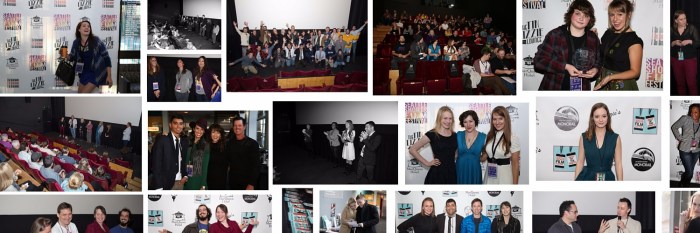
seattle_shorts.jpgSeattle Shorts Film Festival may feature short films, but big things are in the works for the sixth year. This year the festival will be three days, Friday November 11th to Sunday the 13th, with new program elements. Seattle Shorts once again received over 1,000 films from Pacific Northwest, national, and international filmmakers. Seattle audiences should be ready to watch a wide variety of films this year, from music videos to shorts to even a full feature film.
http://www.seattleshort.org/

Interview with Daniel Hoyos

Matthew Toffolo: What is your Film Festival succeeding at doing for filmmakers?

Daniel Hoyos: The Seattle Shorts Film Festival succeeds at giving filmmakers a one of a kind experience where they can interact with Hollywood stars, and indie filmmakers at the same event while watching each other’s work on the big screen.

MT: What would you expect to experience if you attend the festival this year (2016)?

DH: We’re very excited to announce Fatima Ptacek the voice of Dora the Explorer will be joining us for a special screening of Before I Disappear Friday November 11th 7:00pm at the SIFF Film Center. Also this year we’re throwing a dance party at the Seattle Center pavilion, and we’re excited to host two awesome panels focusing on learning more about how to navigate film festivals, and young actors in the business.

MT: What are the qualifications for the selected films?

DH: Each year we get about 13,000 submissions roughly so, selecting the best shorts is not always such an easy task. The Seattle Shorts Film Festival accepts films from 5 minutes to 30 minute in length in the following categories Narrative, Documentary, Animation, Music Video, and College Student.

MT: Do you think that some films really don’t get a fair shake from film festivals? And if so, why?

DH: As a filmmaker myself I do believe that some films don’t get a fare shake at the film festival, but also in defense of programmers it can be very difficult to program shorts just based on quality alone. When selecting films we also have to take into account the length, which is very essential because, of our limited time slots.

MT: What motivates you and your team to do this festival?

DH: The Seattle Shorts staff has always takes great pride in being able to help independent filmmakers reach a wider audience, and provide a unique venue to showcase their short films. Being able to see filmmakers, actors, and producers go on to bigger and more exciting heights is the most rewarding experience working at Seattle Shorts Film Festival.

MT: How has the festival changed since its inception?

DH: Since 2009 the founding year of the Seattle Shorts Film Festival, we’ve grown in size from a single day event to a full two-day festival at the SIFF Film Center. The festival has also grown to include panels, discussions, and more parties for filmmakers during the weekend long event.

MT: Where do you see the festival by 2020?

DH: We’re very excited to announce the Seattle Shorts Film Festival, will be moving to the Uptown Theater in Queen Anne for 2017 which, is a bigger theater owned by SIFF by moving to a larger venue this will allow us to grow our audience even more.

MT: What film have you seen the most times in your life?

DH: That’s a tough question, but I will probably say “Back to the Future” which is a fantastic film that has stood the test of time because, of the rich characters and the way Robert Zemeckis was able to make the film very relatable.

MT: In one sentence, what makes a great film?

DH: The acting is always the first thing that draws me into any type of film.

MT: How is the film scene in your city?

DH: The film scene is Seattle has grown quite a bit over the last 5 years; in fact we have double the number of film festivals that I sometime lose count of just how many we have in the area. The main part of the Seattle Shorts mission is always to help grow the Seattle film community.

seattle_shorts_2.jpg

____

Interviewer Matthew Toffolo is currently the CEO of the WILDsound FEEDBACK Film & Writing Festival. The festival that showcases 10-20 screenplay and story readings performed by professional actors every month. And the FEEDBACK Monthly Festival held in downtown Toronto on the last Thursday of every single month. Go to www.wildsound.ca for more information and to submit your work to the festival.