He is an actor and writer, known for The Interview (2014), Veep (2012) and Goosebumps (2015). He has been married to Annie since June 2008. They have two children.
Born: Jason Edward Mewes
June 12, 1974 in Highlands, New Jersey, USA
Married to: Jordan Monsanto (30 January 2009 – present) (1 child)
QUOTES:
My life would be complete if I could play a superhero in a flick. I would love to play Green Arrow or Dead Shot in a movie.
But, yeah, I’d love to do something else in someone else’s movie.
I’m more into the Spawn toys. They’re really cool. They’re coming out with a Techno Spawn series and another series, The Dark Ages, which are really cool.
It was a lot of fun doing the Nike commercials, too.
I don’t think anyone’s ever thought I was a drug dealer.
All of a sudden Kevin told me that the movie got bought and was gonna be shown in a movie theatre. I was shocked. I was psyched. It was just weird.
I’m a big toy collector. I’ve been slowing down because my money’s been tight, but I collect toys, too.
Born: Abbey Lee Kershaw
June 12, 1987 in Melbourne, Victoria, Australia
QUOTES:
Well, I’ve always swung both ways, so it’s a bit different for me. I don’t call myself bisexual: I’m just experimental. I was always looking for somebody to sweep me off my feet, but then I got bored after two months and was on to the next.
(on her tattoos) I’ve got one on the palm of my hand, a peace sign on my finger, a little owl, and two new ones on the side of my stomach. I had them done in white ink so I can still model – it means they’re invisible.
(on her piercings and tattoos) I find the pain fascinating. I enjoy putting myself through it, which is weird because I’m scared of needles.
It probably comes from when I was four and dying of meningitis and had to have two spinal taps. I was always in hospital as a kid: I had a tumour on my knee, lots of broken bones. I loved climbing trees.
(on her pet lizard) A lizard is a perfect pet for a model. They only need feeding once a fortnight. And I’m always travelling, so it’s perfect. If I had a dog, it would drop dead of starvation.
I once wet myself in bed and my boyfriend at the time woke up wet through. I’ve done all kinds of embarrassing things like that, but there’s no room for embarrassment or shame, life’s just one big joke. It’s because I have no sense of shame that I’m always willing to give things a go: I’ve ridden horses naked into the sea, I’ve climbed rocks, all kinds of things. That’s why I do this job. I’m always looking for the next door to open.
(on her tattoos and piercings) Let’s just say, if I weren’t a model, I’d be a walking collage. I see my body as a blank canvas that’s aching to be decorated; I find it all very fascinating.
[asked if she is going after romantic comedy roles] No never. I have a lot of interest in doing ethereal characters in big, wild, creative films and then I also have a lot of interest in playing raw, emotionally-driven characters with heart and soul. To do rom-coms and be the girl-next-door is just not–I just don’t want to spend my time doing something I’m not overly passionate about and right now in this moment in my life I don’t think you’re gonna see me in those. And who knows, I might in 10 years time decide that I think I’m funny and cute (laughs).
Half dangerous, hald brave and wholly compelling, #UnitedWeWin, directed by Henrik Fiirs, is a documentary turned passionate love letter about the issues surrounding war-torn Iraq. Fiirs and a handful of other early twenty-somethings’ set out to the country with limited assistance from Global Security, to make a film about the middle eastern conflict, after a traumatic video witnessed by the director propelled him to act. The forty minute partial gorilla shooting endeavor is an interesting approach to cinematic filmmaking.
#UnitedWeWin has much to be commended on. The director, Fiirs, is a natural born leader, with charisma, charm and a clear thirst to make a social and political difference in the world around him. There is daring, drive and determination in his work, and it is no small feat to arrange a film crew and create a film, halfway around the world, not accounting for age, cost and resources.
However, there is a fine line between bravery and foolishness and Fiirs’ piece is not without heavy scrutiny. The film undeniably lacks focus and direction. Bold, emotive, larger-than-life statements litter the piece, such as “what is happening here is evil” and “we all know this isn’t right”. And yet, the social, political, religious and economic issues fueling the Middle-Eastern conflicts are never discussed. As such, the filmmaker glosses over the reason the fuel the film in the first place. The film has the feeling of a director looking for the answer, when he has no idea what the question is.
As a result, the goal of the film appears far too abstract and the stakes far too outrageously dangerous to be bought by the audience as a form of consciously planned, well thought-out activism. The film has no clear vision, no clear villains, no clear answers, no focused purpose and, most terrifying to the audience, no sense that the filmmaker and the team really understand how much danger they have put themselves in while making it.
Moving towards the film’s natural style creates some other notes for discussion. The continuity of the piece is rather shady, with whole days of the trip cut out and unaccounted for, and a series of unanswered cliff hangers. There is one scene that focuses on the team touching down in the Middle East and the transportation they arranged to pick them up from the airport is not there. The next major scene shows the team three days later, with no explanation of how the previous situation rectified itself. One section of the film, shot in a refugee camp, was very stylistically shot and edited- a choice that was not consistent with the rest of the film. The team clearly had the skills and the means to produce a film, but they did not produce a film with clear meaning.
Fiirs is a young, idealistic filmmaker, producing a heartfelt piece that displays empathy to the struggles of a population he clearly cares deeply for. On that note, he must be commended. He has a strong moral code, strong ideals and passionate desire to tell a story. But his cinematic journey did not hold up a mirror to the crisis in the Middle East, as much as it did hold up a mirror to young filmmakers’ everywhere, asking them to thoroughly understand that questions they are asking, before they risk their lives in finding the answers.
by Kierston Drier
Founder of The Bathroom Stall Project
Consultant at TheKayWorks.com Freelance Film and Television www.thekayworks.com
 Happy Birthday actor/director Timothy Busfield
 LITTLE BIG LEAGUE
 FIELD OF DREAMS
 BEST of THE WEST WING
 THE WEST WING season 1
 THE WEST WING season 2
 THE WEST WING season 3
 THE WEST WING season 4
 THE WEST WING season 5
 THE WEST WING season 6
 THE WEST WING season 7
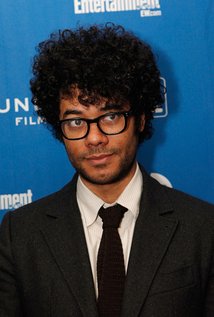 Happy Birthday actor Richard Ayoade
 NEIGHBORHOOD WATCH
 SUBMARINE
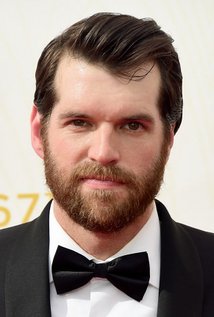 Happy Birthday actor Timothy Simons
 Happy Birthday actor Jason Mewes
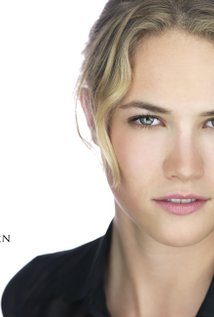 Happy Birthday actor Cody Horn
 END OF WATCH
 MAGIC MIKE
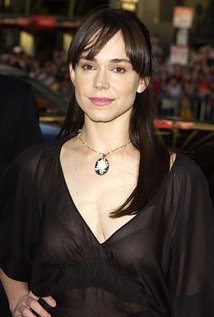 Happy Birthday actor Frances O’Connor
 A.I. – Artificial Intelligence
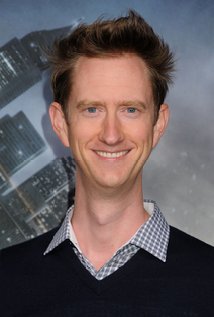 Happy Birthday actor Jeremy Howard
 Happy Birthday actor Abbey Lee
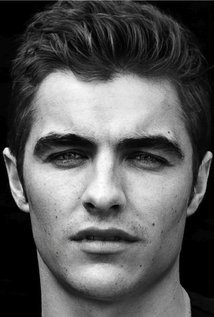 Happy Birthday actor Dave Franco
 NOW YOU SEE ME
 WARM BODIES
 NEIGHBORS
 22 JUMP STREET
 21 JUMP STREET
 FRIGHT NIGHT
 Milk
 Superbad


