Interview with Festival Director Antoine Leonetti (Fire!! Barcelona LBGT Film Festival)

The FIRE!! Mostra is the first LGBT film festival in Spain: established in 1995 by Casal Lambda, in Barcelona, it addresses affective diversity in its broadest sense through a careful selection of feature films, documentaries and short films. A selection of art-house cinema and an educational approach are its main characteristics.

www.mostrafire.com

Interview with Antoine Leonetti:

Matthew Toffolo: What is your Film Festival succeeding at doing for filmmakers?

Antoine Leonetti: Our festival only screens movies that haven’t been shown, at least, in Barcelona, though they’re generally almost all Spanish premieres. So that’s a great opportunity for a filmmaker to introduce its movie in our country in order to find, eventually, a local distributor so to show the movie in many other theatres. We also – as far as our contacts with the embassies can work for that – try to invite them from their country, in order to attend the festival. It’s then a great chance for them to meet new publics, to speak with the festival organisers about the cultural life in the country, to meet other directors and make good contacts with the cultural attachés at the consulates… and to know and enjoy Barcelona, of course!

MT: What would you expect to experience if you attend the festival this year (2016)?

AT: The FIRE!! festival is basically a great place to watch the best international art house movies in the LGBT field, with long feature films, documentary films and short movies. Apart from the very screenings, the audience can also enjoy many other activities: books presentations, an educational programme, some exhibitions, and a few great, great parties… All that during 10 days, in different venues of Barcelona, though mainly at the French Institute.

MT: What are the qualifications for the selected films?

AT: When making the selection, we always have in mind two basic criteria: on one hand, we try to show really good movies, that are well done in a strict cinematographic sense and, on another hand, we try to pick up movies that can convey to non-LGBT people a positive and somewhat educational view on what it is to be gay or transsexual nowadays. And when saying “really good movies”, I mean movies that may be shown to anyone in any good art house cinema, opposed to LGBT movies that seem to be produced sometimes only for the average LGBT film festival circuit and only for LGBT people.

MT: Do you think that some films really don’t get a fair shake from film festivals? And if so, why?

AT: Maybe that’s unfortunately inevitable, for different reasons: first of all because of the huuuge quantity of movies received by festivals, which makes very difficult not only to make (surely unfair) choices between very, very good movies, but also to actually really watch all the screeners we get… And I don’t refer to the big film festivals that have sufficient money to pay several programmers to make the selection. I speak about midsize or small festival like ours, especially in Spain where the financial crisis has reduced drastically the public and the private money to support culture. The programmer, in festivals like ours, usually has another job and has to spend all its spare time watching movies… and not really good ones, in 95% of the cases. So yes, that can be quite frustrating for a good filmmaker to not having been selected in a festival. But if a movie is actually really good, it’ll end up for sure in some good film festivals… And luckily, they’re a lot of them!

MT: What motivates you and your team to do this festival?

AT: Being a festival with a strong social content – the LGBT topic –, we are obviously powerfully driven by the message that wants to convey the festival: to improve the visibility and, in the end, the life conditions of the LGBT people. There is a strong “activist” mentality, so to say, that lies within all of the member’s team. But there is also, obviously, the love for good cinema. And after having watched maybe 20 really, really bad movies, when you suddenly find a good one, the pleasure is really orgasmic! You generally start to speak to yourself, you may start dancing as well in the middle of your living room, and you generally always want to grab a phone or any other communication device to call anyone right away, so to spread the good news (something that your relatives may have difficulties understanding). So yes, that’s quite addictive…

MT: How has the festival changed since its inception?

AT: It’s grown a lot, basically, in quantity and quality. We are the first LGBT Film Festival in Spain, created 21 years ago, so we begun with a small selection of maybe 10 movies screened in Barcelona, and we now screen around 40, not only in Barcelona, but also in 4 other Catalan cities. We have also developed a lot the parallel activities (book presentations, educational program, parties, master classes, workshops) and the venue where the festival takes place has also been improved a lot, with a great terrace to have some drinks and grab some food, to meet people, to speak with the filmmakers, the actors, the festival team, etc.

MT: Where do you see the festival by 2020?

AT: We would like to show more movies, first of all, maybe between 60 and 80. We also would like to meet more confident sponsors! Big brands are still somewhat reluctant in Spain to support LGBT cultural events… Being able to secure private investments would allow us, for instance, to give better awards to the filmmakers. That would also allow us to communicate better, to get more non-LGBT audiences (which is, in the end, one of our main goal), and to be present in more theatrical venues in Barcelona and the rest of Catalonia.

MT: What film have you seen the most times in your life?

AT: Excepted comic movies of my childhood that I was looking in loop again and again (I guess that Delusions of Grandeur, by Gérard Oury and played by Louis de Funès and Yves Montand, must be in a good position), I then totally fall in love with Wim Wenders Wings of Desire, when I was like 16, and saw it maaany times afterwards…

MT: In one sentence, what makes a great film?

AT: A great movie for a film festival programmer, it’s when you never had the temptation to go forward during the screening, and you whish it lasted maybe 2 or 3 more days.

MT: How is the film scene in your city?

AT: Barcelona is a big city with still a lot of good theatres, but, as for Spain in general, the exhibition sector is very much in crisis and a lot of theatres did had to close because of a drastic audience drop along the last 10 years. However, Barcelona is a unique case in Spain because the city hosts a huge number of very good film festivals. The Catalonia Film Festivals network now includes no less than 23 “good quality” midsize or big active members (http://catalunyafilmfestivals.com/en/membres-3/), with festivals of any kind (featuring environment movies, independent movies, short movies, horror movies, women movies, LGBT movies, sport movies, Jewish movies, etc.), not to speak about the rest of smaller festivals. Also, a tiny bunch of very good art-house theatres have understood the advantage of hosting a film festival to better survive amongst the crisis. This is, for sure, this kind of alliance that can boost a return of the audience to our cinemas.

fire

___
Interviewer Matthew Toffolo is currently the CEO of the WILDsound FEEDBACK Film & Writing Festival. The festival that showcases 10-20 screenplay and story readings performed by professional actors every month. And the FEEDBACK Monthly Festival held in downtown Toronto on the last Thursday of every single month. Go to http://www.wildsound.ca for more information and to submit your work to the festival.
Interview with Festival Director Tim Baldwin (Studio 35 Cinema Film Festival)

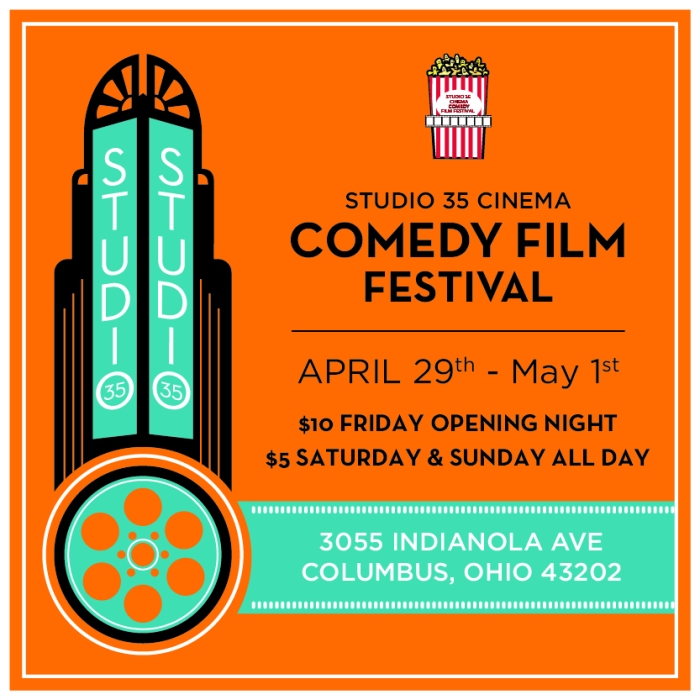
Get ready for the second annual Studio 35 Cinema Comedy Film Festival (S35CCFF) taking place at Columbus’ oldest independent movie theater. Located in the heart of Clintonville, the S35CCFF features the newest and funniest independent film and shorts from around the country. What goes better together than comedy and a beer! A whole weekend is dedicated to showing the best independent comedy features and shorts, while drinking the best draft beers of the Midwest.

Website: http://www.studio35.com/

Interview with Tim Baldwin:

Matthew Toffolo: What is your Film Festival succeeding at doing for filmmakers?

Tim Baldwin: We’re able to show their shorts and features on a big screen in DCP format. Not on a pull up screen in a hotel auditorium, or something like that. We’re an independent theater in Columbus, and we can show what we want. You make a movie to see on the big screen, and we will do that. I wish we had some panels for filmmakers, but we will do a Q&A. And since we’re small, there’s a lot of opportunities to just hang out and discuss films. We love supporting films after they’re been here as well.

MT: What would you expect to experience if you attend the festival this year (2016)?

TB: Some funny international short films. We’ve had a great submission year for international shorts. This sounds ridiculous, but we have a swag bag this year that I think is great for filmmakers. Great draft beer. A Ghostbusters pinball game.

MT: What are the qualifications for the selected films?

TB: Since we’re a comedy film fest, it’s as easy as make us laugh. We’ve received a lot of shorts and features that are good, but not funny. They would play great at a film festival, but not at a COMEDY film festival. And the regular technical aspects like make sure we can hear the film, and see it. The judges and I struggle with shorts that are technically not good, but maybe humorous. It needs to look good, maybe not polished or too polished, but look like it wasn’t shot with a camcorder. And the story has to be great. That’s the least expensive thing about a film you can do. Make a good story that we care about. All the best equipment in the world won’t make an unfunny story funny.

MT: Do you think that some films really don’t get a fair shake from film festivals? And if so, why?

TB: If you mean, why don’t films get selected, it could be a lot of reasons. As a filmmaker who has submitted to over hundreds of festivals, I wonder the same. And I’ve found out that it’s just subjective to some extent. Some movies don’t fit the program, or some are too long to be included, or just not the genre they were looking for. But a lot of it comes down to, someone didn’t like it or get it. Doesn’t mean it wasn’t good or anything, just didn’t fit.

MT: What motivates you and your team to do this festival?

TB: I wanted to create a festival to show shorts and features that our community would not normally see. I wanted to create a fun atmosphere of filmmakers and moviegoers. And I wanted to meet filmmakers. Good film motivates me.

MT: How has the festival changed since its inception?

TB: Well, it’s only our second year, so not a lot. We shortened the festival to three days this year. Since our attendance wasn’t as great as I hoped, we don’t have an awards ceremony or anything. I hope to have something more substantial in future years.

MT: Where do you see the festival by 2020?

TB: If we’re still doing it, lol, I’d like to have more shorts and films from well known artists but below the radar studio pictures. I’d like to have it be a cool location for filmmakers to come see their films. I’d like to have more of the community to attend, and in return give something back to local groups and events. I hope to make it more of an event for our community. We’re finding our footing now, seeing where we fit.

MT: What film have you seen the most times in your life?

TB: Easy. Star Wars. I’m a small filmmaker as well, producing and making short films for twenty years. So Star Wars was a huge inspiration and influence in my life.

MT: In one sentence, what makes a great film?

TB: A great film makes me care about the characters and what will happen to them.

MT: How is the film scene in your city?

TB: We have a nice little film production community here in Columbus. Many people help out with other people’s productions. Columbus is working hard to bring the bigger budgeted movie here. Many of the professional crew work on these, and national spots. Columbus, also, has tons of international companies headquartered here that do production work. For viewing films, we have the Ohio State’s Wexner Center, which is second to none in programming films. The Gateway Film Center is also amazing in programming films and having special events that the people can get involved with. Our little single screen theater is great for community events, and watching movies with a great crowd as well.

Tim Baldwin BIO: Loving movies all his life, Tim entered Bowling Green State University with an emphasis of film production and studies. After taking an internship in Columbus, Ohio, Tim moved there in 1994. Tim worked at a production house for four year, moving from grip/production assistant to online editor. As a second job, he was a projectionist at three movie theaters in town, watching movies all the time. Wanting something more, he moved to Los Angeles in 1998 to expand his career and fulfill a dream of working in movies. After working on six films, including “The Heist”, “Buddy Boy” and “Way of the Gun” as a post production assistant, Tim wanted to try a different avenue to get his films made. So he moved back to Ohio and has worked as an AVID editor and video producer since 2000. He loves watching movies with his young son and spending time with his Key Make-up Artist wife.

Tim has wrote, directed and edited six short films, one feature length film “Garage Sale” and a documentary about Studio35, the longest running single screen movie theater in Ohio. He also is program director for the Studio35 Comedy Film Festival, now in it’s second year.


Studio 35 Film Festival FB_2016-01

Interviewer Matthew Toffolo is currently the CEO of the WILDsound FEEDBACK Film & Writing Festival. The festival that showcases 10-20 screenplay and story readings performed by professional actors every month. And the FEEDBACK Monthly Festival held in downtown Toronto on the last Thursday of every single month. Go to www.wildsound.ca for more information and to submit your work to the festival.

Interview with Festival Director Nathalia Lemos (Flamingo Film Festival)

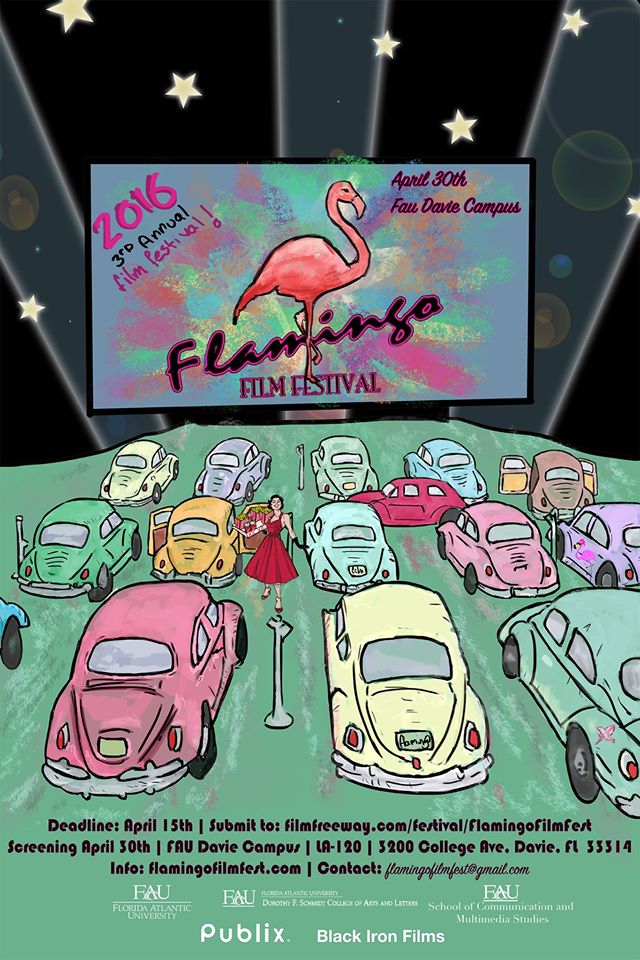
The Flamingo Film Festival is dedicated to exhibiting the international short films and videos produced by student filmmakers. For the past 3 years, this event, held in South Florida, has honored outstanding narrative, documentary, experimental, and animated projects created by students while enrolled in a college, university, or other post-secondary institution.

Website: flamingofilmfest.com

Interview with Nathalia Lemos:

Matthew Toffolo: What is your Film Festival succeeding at doing for filmmakers?

Nathalia Lemos: The festival is giving student filmmakers the opportunity to have their work screened not only for their peers, but also for a diverse audience of festival goers.

MT: What would you expect to experience if you attend the festival this year (2016)?

NL: Anyone attending the festival this year can expect a diverse showcase of student films. Festival goers will have the unique opportunity to see a variety of films not only from local student filmmakers, but also student films from abroad.

MT: What are the qualifications for the selected films?

NL: Well, we are definitely looking for films that are creative and original. We want to offer our audience the opportunity to discover new voices that have fresh and interesting perspectives.

MT: Do you think that some films really don’t get a fair shake from film festivals? And if so, why?

NL: The goal of a festival is to curate a well rounded program. While yes, I am sure that there are films that don’t get a “fair shake,” here at the Flamingo Film Festival we are giving filmmakers from all over the world the opportunity to have their films reach a wider audience.

MT: What motivates you and your team to do this festival?

NL: The Flamingo Film Festival is dedicated to exhibiting the short films from student filmmakers from all over the world. Our goal is to continue to encourage student creativity and to recognize achievement in the film and video medium.

MT: How has the festival changed since its inception?

NL: The festival is now in its 3rd year. And while the mission and goals remain the same, the festival has definitely increased it’s traction with international student filmmakers.

MT: Where do you see the festival by 2020?

NL: By 2020 I definitely see the Flamingo Film Festival as one of the most important international student film festivals in the country.

MT: What film have you seen the most times in your life?

NL: Bram Stoker’s Dracula.

MT: In one sentence, what makes a great film?

NL: In my opinion, a great film is one that remains interesting and engaging no matter how many times you see it. A film that can remain relevant 20 or more years from now.

MT: How is the film scene in your city?

NL: The South Florida film scene is very diverse and vibrant. South Florida is offering filmmakers the opportunity to create fresh and interesting work. I would say that South Florida is currently a terrific haven for independent filmmakers looking for the ease and space to develop their work.

flamingo_film_festival

_____

Interviewer Matthew Toffolo is currently the CEO of the WILDsound FEEDBACK Film & Writing Festival. The festival that showcases 10-20 screenplay and story readings performed by professional actors every month. And the FEEDBACK Monthly Festival held in downtown Toronto on the last Thursday of every single month. Go to www.wildsound.ca for more information and to submit your work to the festival.
Interview with Executive Director Nina Streich (Global Peace Film Festival)

Since its inception in 2003, the GPFF has shown over 500 films from around the world. The critically acclaimed programming has included Academy Award winning, nominated and short-listed films. In his blog, former Orlando Sentinel film critic Roger Moore called the GPFF “…one of the best festivals in this part of the country” and said, “Global Peace has the best documentaries of any festival.” GPFF’s leadership believes that to further its mission, success should not simply be measured by attendance numbers but by the engagement the films inspire from the audience – at the festival and beyond.

Interview with Nina Streich

Matthew Toffolo: What is your Film Festival succeeding at doing for filmmakers?

Nina Streich: The Global Peace Film Festival (GPFF) is about actively engaging audiences to do something about the issues in the films they see. Watch Films, Get Involved, Change Things is our tagline and we seek films, mainly documentary but narratives too, that have been produced to have an impact on the issues they address. Filmmakers find enthusiastic audiences and meet leaders of organizations that are working on the issues the their films address. In the past few years, we have begun to offer other services for filmmakers beyond the festival including impact consulting and fiscal sponsorship.

MT: What would you expect to experience if you attend the festival this year (2016)?

NS: Most films are followed by discussions with filmmakers and also representatives from local organizations that work on the issue(s) raised in the films. The Q&As are often longer than those at most film festivals. Filmmakers find the audiences engaged and interested in their films as well as the issues they raise. Festival staff and volunteers work to make the GPFF a warm and welcoming experience for filmmakers and audiences alike.

MT: What are the qualifications for the selected films?

NS: We program features and shorts – documentary, narrative and animation. The majority of the program is non-fiction but we always want to include fiction work. We have always programmed films that are “mediums” – between 40 and 65 minutes. Our approach to the definition of “peace” is very broad and includes everything from conflict resolution, social inequality (class, race, gender, age, mobility, etc.), environment/environmental justice, LGBT rights, fair trade and new business models, human trafficking, sports and recreation, comedy/satire. We look for films that inspire and educate. We also include an online selection of films, mainly shorts, in addition to the main program, during the week of the festival.

MT: What motivates you and your team to do this festival?

NS: We are motivated to present a great program that addresses the many aspects of peace and produce an event that is a catalyst for community engagement.

MT: How has the festival changed since its inception?

NS: The festival has grown in both size and impact. 2016 will be our 14th festival. We recognized the changing model of film festivals and decided early on to steer the festival in a direction that served the community in a deeper way, beyond bringing a crowd to a downtown venue for a passive viewing experience. We sought to develop relationships with the filmmaking community that focused on the “why” motivating filmmakers. This involved moving to pull other partners into the festival to build a new structure that would serve as a networking hub. This includes schools, libraries and universities to add depth, variety and timeliness to their community offerings. We reached out to community groups to bring the same benefits of our programming to help educate, energize and increase their member base. Our programming has always been centered on active engagement with our audience.

MT: Where do you see the festival by 2020?

NS: As the festival has evolved, we have begun to offer services to filmmakers (whether their work has been in the festival or not) including impact consulting and fiscal sponsorship.

MT: What film have you seen the most times in your life?

NS: I’m always looking for and want to see new films so I can’t think of what I’ve seen the most times! Rather than the films that I’ve seen the most times, I think more about the films that have influenced me the most. It’s a long list…

MT: In one sentence, what makes a great film?

NS: A great story.

MT: How is the film scene in your city?

NS: I live in New York and the festival is in Central Florida. New York, of course has an incredible film scene. Central Florida doesn’t have anywhere near the size of the film scene as New York, but it is just as engaged, passionate and exciting.

****
Nina Streich has an extensive background in both the film/TV/media industries and in the political arena. She held senior management positions in other film festivals prior to creating the Global Peace Film Festival in 2003 including Festival Manager of the Newport International Film Festival and Development Director of the Nantucket Film Festival. She began her career as a film editor, cutting trailers and marketing material for over 50 major studio and independent features, including The Elephant Man, Raiders of the Lost Ark and Scandal. In politics, she has worked for many candidates, from local to presidential campaigns. She was a coordinator of the Inauguration of Mayor David N. Dinkins in New York City in 1990 and was appointed Deputy Film Commissioner for the NYC Mayor’s Office of Film, Theatre & Broadcasting. After leaving the Mayor’s Office, she was the Deputy Executive Director of the NYC Host Committee for the 1994 Grammy Host Committee. An accomplished events producer, she has organized film premiers, music festivals, conferences, parades, street fairs and press conferences. She has produced several documentaries on subjects she is passionate about.

_____

Interviewer Matthew Toffolo is currently the CEO of the WILDsound FEEDBACK Film & Writing Festival. The festival that showcases 10-20 screenplay and story readings performed by professional actors every month. And the FEEDBACK Monthly Festival held in downtown Toronto on the last Thursday of every single month. Go to www.wildsound.ca for more information and to submit your work to the festival.

Interview with Festival Director Michael Helman (WILLiFest)

http://www.willifest.com

facebook | twitter | youtube

Interview with Festival Director Michael Helman:

Matthew Toffolo: What is your Film Festival succeeding at doing for filmmakers?

Michael Helman: Our festival gives independent filmmakers an opportunity to have their film screened professionally in New York City. There are not many opportunities for that in NYC. The few opportunities that do exist like Tribeca and NY Film Festival are incredibly difficult or impossible for the small filmmaker to get into. There are many other film festivals in NYC but screenings at many of them are not quite professional.

We also offer additional events like networking events and panels. Many festivals skip or skimp on these important events. When filmmakers are traveling from another city, it is the festival’s responsibility to play host and at a minimum, entertain and educate those filmmakers who have spent the money to travel to NYC and support the festival.

MT: What would you expect to experience if you attend the festival this year (2016)?

MH: Our festival is continuing to narrowly focus on the emerging filmmaker. We have offered many other events at our festival, street fairs, concerts but we have found that filmmakers find these to be a distraction for what they are really interested in, which is watch film, talk film and learn about film. We have heard them and are focusing on doing just that as well as we can.

MT: What are the qualifications for the selected films?

MH: Nothing specific. We offer many categories of films and are simply looking for the best in those categories. We have reduced the number of films this year that we plan on exhibiting in order to make entry into the festival more competitive and feature the best of independent film at the festival for the audience.

MT: Do you think that some films really don’t get a fair shake from film festivals? And if so, why?

MH: Of course. Top tier festivals are very political and are somewhat slaves to their sponsors and partners so they have only so many slots available to discover new filmmakers and small films. Very small festivals are not receiving enough submissions and variety to find the next major filmmaker. Mid-tier festivals are the sweet spot because they receive enough varied submissions to discover new talent each year. One year we showed a short film from an NYU filmmaker and saw something in the film. That film went on to win the Academy Award that year for Best Short. This film was passed over by the larger festivals.

MT: What motivates you and your team to do this festival?

MH: We are filmmakers ourselves with a long history in film production. We produced a short film several years ago. The film was accepted to a bunch of festivals so we decided to travel the country with it and see what festivals we like. We were quite unimpressed and decided we could do a better job. Producing a good festival is an incredibly difficult process. We have found it to be as complex as producing a feature film… perhaps more difficult. Pulling off a well run event with limited staff and financial resources is no easy feat. We enjoy the challenge and the opportunities it brings to struggling filmmakers to find an audience and have their work be seen.

MT: How has the festival changed since its inception?

MH: We started as a LARGE, multi-disciplined arts festival. Our first year included an arts exhibit, storytelling competition, 47 indoor/outdoor concerts, street fair, half a dozen parties, opening night gala, closing day awards ceremony and almost 200 screenings. It was a monster spread out over 12 venues throughout Brooklyn. We have learned from the first year successes and stumbling blocks and have adjusted the festival each year. The rest of the answer was addressed in question 2.

MT: Where do you see the festival by 2020?

MH: No clue. We see our focus continuing to narrow. Depending on how this upcoming festival goes, we will probably continue to narrow the focus of the festival and numbers of screenings. We are continuing to grow our screenplay competition. We are trying to offer our filmmakers more benefits that they don’t always receive at other festivals like full festival passes for them and their co-producers so anyone coming out to support the festival can enjoy the entire event at no cost. We have always had an issue that most festivals charge visiting filmmakers to attend any events as well as screenings. The festival only exists and excites audiences because these talented filmmakers are attending these out-of-town festivals so they can address the audience who has chosen to view their film and answer any questions they might have. Q&A is pretty much the only thing that separates the festival experience from the movie-going experience.

MT: What film have you seen the most times in your life?

MH: The Graduate or Back To The Future.

MT: In one sentence, what makes a great film?

MH: Story. We look for a professionally produced film with good lighting, camera work, acting and especially sound. However, we have accepted less technically proficient films because the story was so compelling. Entertainment these days are driven by content. Youtube videos can be most poorly produced disaster you have ever seen but still achieve over a million views because the content is compelling to a large, general audience. If you start with a good idea, take your time and turn this compelling story into a well-written screenplay, you are already ahead of most films out there, including Hollywood films. It starts with the story and the script and everything else just enhances it and hurts it. Bad acting is a killer, so there is no easy path to making a great film. But it all starts with an interesting story. It is a lot more difficult to achieve then it sounds.

MT: How is the film scene in your city?

MH: What is there to say, New York City is arguably the center of the entertainment world. You feel it as you walk these storied streets through Manhattan and Brooklyn. If your film is going to show anywhere in this world, most filmmakers dream of a New York City screening and we aim to offer just that.

_____

Interviewer Matthew Toffolo is currently the CEO of the WILDsound FEEDBACK Film & Writing Festival. The festival that showcases 10-20 screenplay and story readings performed by professional actors every month. And the FEEDBACK Monthly Festival held in downtown Toronto on the last Thursday of every single month. Go to www.wildsound.ca for more information and to submit your work to the festival.

Interview with Festival Director Korina Mavrikidou (Athens Animation Festival)

The 11th ATHENS ANIMFEST starts on Thursday, 7th of April and runs until Wednesday, 13th of April, 2016, at the Greek Film Archive. Screenings will also be held in Romantso (11-13 April, 2016) and the Cine Club Vrilissia (9-10 April, 2016). This year preselection juries have selected a large number of animated movies submitted from all over the world, confirming Athens as part of the high quality animation festival association. The program includes competition sections for experimental, student and short animated movies, a tribute and some events.

Interview with Korina Mavrikidou:

Matthew Toffolo: What is your Film Festival succeeding at doing for filmmakers?

Korina Mavrikidou : Athens Animfest is a festival dedicated to animation films. Both artists and students of animation are given the opportunity to create their films and cinephiles are able to enjoy them. This interactive relationship has a remarkable effect on the evolution of animation, in general. Also, it contributes to reveal talented filmmakers that people may not be aware of. The last two years, Athens Animfest attracts artists from all around the world who meet each other in Athens. We are convinced that, beyond the promotion of animation, our festival cultivates relationships between artists and cinephiles.

MT: What would you expect to experience if you attend the festival this year (2016)?

KM: Cinephiles have the opportunity to enjoy screenings of inspirational films created by notable filmmakers and a 7-day program full of parallel special events about the art of animation all over the world.

MT: What are the qualifications for the selected films?

KM: The selected films should be inspirational and should be distinguished for conceptual, technical and aesthetic excellence.

MT: Do you think that some films really don’t get a fair shake from film festivals? And if so, why?

KM: The evaluation process is really very difficult. Most of the films submitted for the festival are technically robust, due to technological developments and their themes are imaginative as well. Nevertheless, a great film will stand out among the rest and will get what it deserves.

MT: What motivates you and your team to do this festival?

KM: Apart from our passion for the animated films, which is for granted, we have supported this effort so much, because through this, new talents are emerging which are so necessary in our country.

MT: How has the festival changed since its inception?

KM: Some things have remained unchanged, such as our passion for this project, but some things have changed radically. Now we get submissions from more countries and we have regular fans that attend Athens Animfest every year. We become famous through social networks and the world seems to embrace this festival.

MT: Where do you see the festival by 2020?

KM: Hmm, I wish I am running it until then …! Also, I hope to have gained a good reputation and attract even more participants.

MT: In one sentence, what makes a great film?

KM: A great film should have a great story to reveal, including new or unique ideas. Also, sound, acting, filming and editing are important elements for a good result. In a few words, the film should have the whole package to be considered as great.

MT: How is the film scene in your city?

KM: One is for sure: There is much to be done. You see, there are efforts which are remarkable, but they do not have adequate support from the state and thus they collapse. Nevertheless, we remain optimistic and supporting our efforts and the efforts of other festivals that take place in Athens, we are looking forward to a better tomorrow.

_____

Interviewer Matthew Toffolo is currently the CEO of the WILDsound FEEDBACK Film & Writing Festival. The festival that showcases 10-20 screenplay and story readings performed by professional actors every month. And the FEEDBACK Monthly Festival held in downtown Toronto on the last Thursday of every single month. Go to www.wildsound.ca for more information and to submit your work to the festival.

Interview with Festival Director Jonáš Vacek (The WE Festival)

The WE Festival
April 24th — May 1st 2016
The aim of The WE Festival is to stimulate local culture by connecting all groups present in the city, and use that collective empowerment to achieve together what would be impossible on our own. This can be hosting a workshop promoting sustainability, presenting at one of our Pecha Kuchas, performing at one of our music events or parties or organising something outside of the box. We’ve now had 6 years of experience and each year only gets bigger and better!
Interview with Jonáš Vacek
 

1) What is your Film Festival succeeding at doing for filmmakers?

We are giving a voice to the unheard. Since we have blocks that aren’t seen at many other film festivals, focussed on diversity with multicultural and lgbtq community content. We even have blocks that are focussed on coexistance and sustainability. We love new talent and different forms of audiovisual expressions which is why we welcome new talent and experimental films.

2) What would you expect to experience if you attend the festival this year (2016)?

The finest selection of films from all over the world. World-renowned artists but also new talent. There are Q&A’s happening after different films to get even more closer into the experience you just had. We have an event called One Night stand, where you make and finish a whole short film in the same time it would take you to have a one night stand. The participants films are screened during the festival and can win awards for their accomplishments. We have lectures from teachers, filmmakers from the field. We have awards given by our jury as well as our audience has a voice to award films with prizes. The WE Film festival is part of the WE Festival so there is music, amazing food and other artistic expressions.

3) What are the qualifications for the selected films?

We focus in on films that were made in the last 48 months. And the films have to be in english one way or another.

4) Do you think that some films really don’t get a fair shake from film festivals? And if so, why?

Jonas: Yes, it is a bit sad to cinsider how many films we had to reject only becasue we only have so much time to project. A lot of good talent is rejected this way, pretty uch against our will, but there’s only so much we can do…

Aiman: I agree with this. The difficult thing is that every festival has an identity. And as Festival Director you have to honor that identity which means that some movies, however great they are don’t match with the identity of certain film festivals and that is why they aren’t chosen. I wish there would be clearer communication towards why each film is not selected, but with thousands and thousands of submissions it’s humanly impossible to explain that to every filmmaker.

5) What motivates you and your team to do this festival?

Jonas: I love the ambience and vibes of a film festival, binge-watching films that you would never have the chance to see otherwise, and the discussions that come afterwards. I’ve always admired the work of the organisers and I feel that my current city really deserves a thematically wide festival.

Aiman: From when I can remember I have always been fascinated by film. It was also a thing I did with my dad growing up, watching films that challenged our life views and have discussions about them. Also as a filmmaker it’s challenging to get your work be viewed. I know so many talented filmmakers and felt we could add something awesome to this beautiful city!

6) How has the festival changed since its inception?

The WE Festival itself has never included a film festival up until this year. Since 2010, WE have transformed ourselves from a three day festival with a few workshops and some DJ performances into full-blown, city-wide 8-day cultural feast with Art Exhibitions, Pecha Kuchas, Workshops ranging from cooking, pole dancing, DJing, ceramics, street photography; as well as an insanely varied list of musical performances throughout the week, or the addition of the film festival in this year’s edition.

7) Where do you see the festival by 2020?

At the current rate, probably a two week long festival taking over pretty much most of the city… More screening blocks, more venues, and more Q&As!

8) What film have you seen the most times in your life?

Jonas: Probably Pelíšky (Cozy Dens, 1999), a film about a few neighbouring families during the Communist regime, and how they interact within and between each other. It’s a got-it-all film with great drama, love, humor, dilemma, pretty shots and conflict. I haven’t been born until more than a decade after the fall of the regime, but I feel it is one of the best portrayals of the complicated stories due to the country’s politics of those times.

Aiman: The Matrix, even though not the Best film ever made. Was for me growing up the film that made the most impact for the time it came out. Even when I watch it now, I still feel the magic that I felt when I watched it as a 12 year old teen.

9) In one sentence, what makes a great film?

Jonas: I don’t think there’s a single recipe to make a “great” film, but for me it is the way the creators handle balancing aesthetics against a story that should truly mak your consider what are the reasons why characters behave the way they do, and how well-thought out these “forces” are.

Aiman: For me it’s very clear what makes a great film. Every film is made out of ingredients necessary to make it great. You can see pretty clearly when they lack or when every ingredient simmers beautifully together.

10) How is the film scene in your city?

Jonas: Maastricht is a small city with around 100k inhabitants, but considering its small size, there is a very large group of people who truly want to push what we would consider as “worthwhile” cinema, demonstrated by the many initiatives from the international students as well as the proud locals, with a nie selection of art-house cinemas, other film festivals and organisations helping people create their projects

Aiman: I am from Utrecht myself. The National film festival is held there every year as well as many other festivals. I am pretty happy with the scene. I just wish that there would be more visitors of film in our city. Everybody turns up for the big ones, but the smaller important ones don’t get viewed by as many people as I would like to. Also film funding in Utrecht could be structured in a clearer way.


****

Interviewer Matthew Toffolo is currently the CEO of the WILDsound FEEDBACK Film & Writing Festival. The festival that showcases 10-20 screenplay and story readings performed by professional actors every month. And the FEEDBACK Monthly Fesival held in downtown Toronto on the last Thursday of every single month. Go tohttp://www.wildsound.ca for more information and to submit your work to the festival.

Interview with Festival Director Jonathan Martin (FilmQuest Festival)

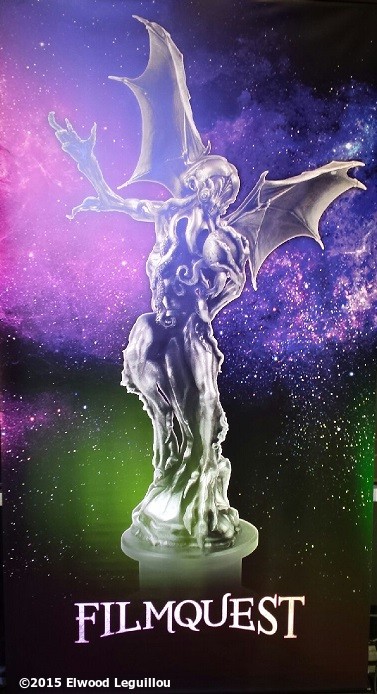
One of MovieMaker Magazine’s 50 Film Festivals Worth the Entry Fee, FIlmQuest celebrates the majesty of genre filmmaking in the realms of fantasy, horror, sci-fi, and the beyond. Awarding filmmakers in 2015 with over $30,000 in awards and prizes, including the coveted Cthulhu Trophy, the festival continued to become a hotbed of the very best in genre filmmaking in the world, showcasing incredible talent, creating new friendships and collaborations, and proving to be a must-stop destination for filmmakers.

Founded in 2014, FilmQuest has been designed specifically to cater to the empowerment of the filmmaker through various events, awards, swag, connections, and more. In creating the festival, we thought long and hard about what it is that makes a festival great. We asked ourselves the tough questions. What we’ve come up with is, we believe, a festival experience that is the kind most filmmakers dream about.

www.FilmQuestFestival.com

filmquestposter.jpgInterview with Jonathan Martin: 

Matthew Toffolo: What is FilmQuest succeeding at doing for filmmakers?

Jonathan Martin: I think for those that know FilmQuest, they know about our FilmQuest Cthulhu Trophy. It’s a glorious award, that has grown in prestige in a short time. But that’s the idea. We wanted to create an award that IS prestigious, because we want filmmakers to feel proud about their achievement in winning one (or being nominated), and to really make an award that matters. So we’d say that in a very short amount of time, we’ve been able to successfully create a festival that means something to a filmmaker when they put that laurel of “Official Selection” on their poster, banner, or trailer, and that if they are fortunate enough to win a Cthulhu, to have an award that will remind them of the significance of their work and achievement for years to come.

We’re providing filmmakers a quality event as well, which we detail quite a bit in the next question. But the quality goes beyond parties, panels, etc. It goes to the quality of our selections. One thing we’ve gotten quite a lot of praise for in our first two years is the overall quality of the Official Selections. But that’s not for us to be proud of, it’s the filmmakers. Because they can know that they’re in the company of other quality, talented filmmakers that they can have no hesitations in wanting to collaborate with. It harbors a community of growth, excellence, and also, I personally believe, advances filmmaking in general.

In 2015, we were one of MovieMaker Magazine’s “Top 50 Film Festival Worth the Entry Fee.” It’s a testament to what we’re trying to do as a festival, and our filmmakers. We don’t take the endorsement lightly, and when MovieMaker’s writer Greg Hamilton came, he said “In the short weekend that I visited FilmQuest, I received a good taste of what they had to offer. The variety, creativity, and production quality of the films impressed beyond my expectations and helped banish the notion that genre events are somehow less serious than traditional film festivals.”

And I feel Greg really hits on something there with the idea that genre events can somehow be less serious than a traditional festival. That’s what we’re really succeeding at here. By showcasing the best of the best, and doing so at a great venue that allows it be seen in its prime, and by taking these films seriously in our presentation and respect, we’re proving that genre films are serious, that they are high-art, and that the people behind them are just as important to watch as anyone else you’d see at any of the major festivals. We’re bringing prestige to the proceedings, and that’s what I feel we’re achieving and bringing to our filmmakers so far.

MT: What would you expect to experience if you attend the festival this year (2016)?

JM: Without doubt, your’e going to see (often times a premiere) some of the very best independent genre films in the world today. You’re truly going to find several films that you love, and make lasting friendships with the filmmakers and audiences that see the films with you (or that see your film!). All will be witnessed in a state-of-the-art, stadium seating theater that is Utah’s #1 cinema, both in size and audience attendance.

Next, you’re going to get the press. We have red carpet interviews, press interviews, and more. You’re going to get the celebrity guests from our grand jury. And we don’t separate you. We have an open environment. So you’re not only connecting with fellow filmmakers, but the press, celebs, and more. We often talk about the FilmQuest family, and that’s exactly what you’re going to find at FilmQuest. It’s a GIANT, ever expanding round table, and everyone has a seat open to them.

You’re going to get workshops and panels, that FilmQuest filmmakers are also invited to actively participate in. Two or our workshops already planned are a film analysis and breakdown of Hitchcock’s Psycho, done by UVU film Professor Alex Nibley. The second will be an interactive event/workshop that is a live cast reading of William Shakespeare’s Star Wars.

Then you got the events and parties. We’re planning no less than 4 big parties and events, including the big opening and closing night parties, the FilmQuest Cthulhu Awards show (already perhaps one of the most coveted awards amongst genre festivals), and our still secret 30th Anniversary screening of a beloved 80’s genre classic with appropriately themed party and red carpet. We’re also planning on showcasing a rock opera, dancing, and more.

Ultimately, FilmQuest is a celebration of the filmmakers, their films, our audiences, and everything in between. So we encourage everyone to come not just for a day or two, but for the entire festival!

MT: What are the qualifications for the selected films? 

JM: Our qualifications are fairly simple. First, and foremost, the project needs to be a genre film. Unlike other genre festivals, we don’t believe in the strictness of the term. We believe in the spirit of genre cinema. It’s not just a subject matter, but a mood and a feeling.

Second, and it’s the rule all festivals should more or less follow, the film’s got to be good. Yes, everything is subjective, but good filmmaking has many common grounds: Good storytelling, good cinematography, good pace and editing, good sound, etc. You start lacking in any one of these categories, and your odds of getting into the festival start to diminish.

Third, and incredibly important, we have to ask if our audiences are going to enjoy the film. While we may find something weird and wonderful and ultimately program it, we also have to ask if it will go beyond what are audiences will enjoy. So we have to balance out and judge whether or not a filmmaker’s film will appeal to an audience and sell tickets to FilmQuest.

MT: Do you think that some films really don’t get a fair shake from film festivals? And if so, why? 

JM: I would agree with this idea. While not every film is for FilmQuest, the same as not every film is for Sundance, Tribeca, etc., there is still a festival out there for every film. At least that’s the general idea, for make no mistake, there are definitely films and screenplays that are submitted that go beyond anyone’s ability to program them due to an overall poor product.

But I do think filmmakers need to be realistic about their films. If you make a genre piece, don’t submit to all the big, major festivals that don’t really highlight genre films and then act surprised when you don’t get accepted. Festivals have their themes, their goals, and their objectives. So be aware of that and do your research. If you also have a piece that you feel is adequate, that you know deep inside maybe isn’t on the same level as other films you’ve seen, it’s about being honest and submitting your project to festivals you feel may provide you a spotlight.

However, there are definitely films and filmmakers get hosed by festivals that aren’t clear about their objectives, are sporadic in their tastes, and more so. There’s some pretty major tests that do this, even in the genre or niche festivals. It’s almost as if they emphasize weird and offbeat, rather than skilled and talented. And I think that can be extremely frustrating.

With us at FilmQuest, if we see the talent, if we see the skill, and if we see a great project, we want it. While we may not be able to take everything we want, we put quality above all else, and through that, we feel we reward our audiences and filmmakers more than many other festivals as a result.

MT: What motivates you and your team to do this festival?

JM: To conquer our enemies, to see them driven before us, and to hear the lamentations of the women….

I know you wish that’s what it really was! But no, really, the number one thing is to create a festival of prestige that truly does serve as a landmark stepping-stone for the careers of our filmmakers. To create a home and family for them and us, wherein we can pool from each other and create lasting relationships. Festivals at the end of the day need to benefit a filmmaker’s future, and that’s our top priority.

But we do this through creating an atmosphere and environment that is conducive to that. And that takes our team a lot of hard work and talent, that is always done out of respect for our filmmakers, their films, and our audiences. So we showcase the films in a state-of-the-art theatre that the films deserve, and provide opportunities for our filmmakers through workshops, panels, and events. Finally, we bring them all together with our audiences, creating the FilmQuest Family that we hope lives on beyond the festival, and grows with each year.

MT: How has the festival changed since its inception?

JM: The biggest change really is how quickly we’ve grown. We show more films than other festival in the state, including Sundance, and we last 9+ days. So we’ve really taken on the challenge of making a serious genre fest in Utah.

However, we’ve also trimmed here or there, as we’ll be cutting our commercials and web series programming after this season. We’ve cut ties with some past partners while bringing in new ones. In our first year, we hosted half our festival at a convention center in conjunction with a partner, and we definitely won’t be doing that again.

Really, the themes and identity of FilmQuest haven’t changed much at all as we feel we created a good thing upon FilmQuest’s inception. However, make no mistake, we’re definitely looking for ways to improve, trim the fat, bring in new partners and distribution opportunities for our filmmakers, create a better event for our audiences, and more. We’re always thinking bigger and better, and so we don’t ever want to be caught resting on our laurels.

MT: Where do you see the festival by 2020?

JM: To be blunt, it is our open goal to be one of the 4 major fantastic film festivals in the world, in the same breath and conversation as Sitges, Fantastic Fest, and Fantasia. We want to be a major player, and anticipate being so.

We fully anticipate and believe we’ll have discovered, premiered, and launched the films and careers of future superstars, actors, and open the doors for films we screen to find mass appeal. In fact, after just two seasons, we’ve had several of our films that we either premiered or screened get a distribution deal, POV release, or even a theatrical deal since they played at FilmQuest, and those numbers are only going to increase.

In 2015, we were named as one of MovieMaker Magazine’s “Top 50 Film Festivals Worth the Entry Fee”, and that’s unheard of for a genre festival entering only it’s second season at the time. So we work hard to back up what we say we want to do and follow-through with that.

We definitely, absolutely, 100% take the festival game seriously and want our filmmakers to know that FilmQuest takes them seriously, and we are fully committed to being a launching pad for your career that adds prestige to you and your film’s name.

MT: What film have you seen the most times in your life?

JM: It’s tough to say which of these two films I’ve seen the most, but without doubt, it’s either Big Trouble in Little China or Ghostbusters. Little China was my sick movie growing up, and I’d literally watch it 3 times a day, any day I got sick. I really can’t fathom how many times I’ve seen each. At least 50 times apiece. Easy. And yes, I do think the remake/reboot of Ghostbusters looks like a big, awful cartoon… but shamefully, I’ll still see it and reserve final judgement until I do so.

MT: In one sentence, what makes a great film?

JM: A singular, collective voice and style that is unmistakable, yet endlessly undefinable.

MT: How is the film scene in your city?

JM: When I think of film here in Utah, I don’t think of any one city, but Utah as a whole. Utah has one of the better incentive funds in the country, and as such, actually is one of the top 10 filmmaking states in the country. There’s a whole lot of talent, young talent especially, that I believe will be doing bigger things in the future. You’ve got BYU, UVU, and the U of U and their programs, you’ve got brand new, state-of-the-art film studios in Park City, and what is now known as the next Silicon Valley, the Silicon Slopes, in Utah Valley. So tech is booming here, and the film scene is growing.

Utah actually has its own awards, the Utah Film Awards (an IMDB awards listed event), that not many states can boast. We’ve got Sundance and Slamdance, our own FilmQuest in the summer, and more. Honestly, Utah is one of the great hotbeds for film, with unmatched locals and vistas for filming, a right to work state, and more. There’s also no less than 3 tv series and 4 feature films being filmed in Utah as we do this interview. So you can say I’m bullish on our state as a filmmaking hub.

So with that, I’d love to invite everyone to come out to FilmQuest June 17-25th. Come tour some of the facilities out here, scout for your next film, meet local and out-of-state filmmakers, and make a connection that will influence and inspire you for your filmmaking careers!

****

Jonathan Martin BIO: A professional film producer and director, Jonathan graduated with a B.S. in Business Entreprenuership from Utah Valley University. He is best known for creating and directing the most awarded horror short film of all-time, An Evening with My Comatose Mother, winning 76 festival and industry awards in the process. Since
2011, his production company, Bohemian Industries, has won over 100 festival and industry awards.

_____

Interviewer Matthew Toffolo is currently the CEO of the WILDsound FEEDBACK Film & Writing Festival. The festival that showcases 10-20 screenplay and story readings performed by professional actors every month. And the FEEDBACK Monthly Festival held in downtown Toronto on the last Thursday of every single month. Go to www.wildsound.ca for more information and to submit your work to the festival.

Interview with Festival Director Damon Blalack (Red Dirt International Film Festival)

The Red Dirt International Film Festival is where film goes to have fun. We love movies and a good time. We are pleased to showcase films of many genres. The name of the fest is so-called because of central Oklahoma’s uniquely colored red earth.

During its 2-day run March 3-4, 2017, we will feature many films, from full-length movies and documentaries, and short films from filmmakers both local and worldwide. In the past we have featured films from all seven continents, including Antarctica! Red Dirt was formed to bring more inspiration, culture, and entertainment to central Oklahoma, as well as to enliven people of all ages through the united power of the film medium.

Interview with Damon Blalack:

Matthew Toffolo: What is your Film Festival succeeding at doing for filmmakers?

Damon Blalack: Allowing them a platform for promoting their work, and putting them into great networking situations.

MT: What would you expect to experience if you attend the festival next year (2017)?

DB: A lot of heart, friendliness, and GREAT films and panels!

MT: What are the qualifications for the selected films?

DB: Something unique, something inspirational on some-level, and well-crafted.

MT: Do you think that some films really don’t get a fair shake from film festivals? And if so, why?

DB: Right. It’s a lot of responsibility for the filmmakers to get their audience together for their film, and for those who don’t do enough promotion, there are always the few gems that win awards despite not-having had an audience.

MT: What motivates you and your team to do this festival?

DB: Helping give back to the film community and film industry by partnering like minds and highlighting the best work!

MT: How has the festival changed since its inception?

DB: Our palette of films has diversified and grown; we’ve grown by leaps in bounds in only three years’ time, receiving much community and statewide support!

MT: Where do you see the festival by 2020?

DB: As a must-attend contender in the region!

MT: What film have you seen the most times in your life?

DB: Bram Stoker’s Dracula (1992) – Damon
The Cutting Edge (1992) – Marisa

MT: In one sentence, what makes a great film?

DB: Something inspirational to say; well-crafted, and offering a unique voice.

MT: How is the film scene in your city?

DB: Very, very dry and almost otherwise non-existent aside from the festival.

****
Damon Blalack (Co-Founder and Executive Director) – Red Dirt founder and Executive Director Damon Blalack is also a filmmaker and current Ph.D. student at Queen’s University, Belfast Ireland. His current focus is on the “fan-edit” film phenomenon, and how it affects the fidelity of adaptive works.

He’s working to crowd-fund a movie-sequel to the 1992 Coppola-directed film, Bram Stoker’s Dracula, which is his favourite film, and which is based on his favourite novel, Dracula.

Alongside that film, his lifelong inspiration to become a filmmaker was borne out of the Star Wars saga, of which he has taught courses as a college professor on the mythology of the Star Wars movies and Clone Wars television show. His particular interest is in the prequel films, and Clone Wars series, and part of his current work includes a re-assembly of all 133 episodes of the Clone Wars into a three-film trilogy distillation.

As early as two years old Damon knew he wanted to be a filmmaker, and would project shadows of his action figures onto the walls with lamps. His absolute favourite films include the aforementioned Bram Stoker’s Dracula (1992) and the Star Wars films (1977-2015), the Universal Classic Monsters films of the 30s and 40s, the Narnia films, and EVERYTHING made by Jodorowsky [El Topo (1970) and Holy Mountain (1973) changed his life!], Kubrick, Melies, Herzog, and Maddin (his favourite filmmakers).

He’s looking-forward to year four of Red Dirt, and very happy to see it growing into such a wonderful staple of the Stillwater and OSU community!

_____

Interviewer Matthew Toffolo is currently the CEO of the WILDsound FEEDBACK Film & Writing Festival. The festival that showcases 10-20 screenplay and story readings performed by professional actors every month. And the FEEDBACK Monthly Festival held in downtown Toronto on the last Thursday of every single month. Go to www.wildsound.ca for more information and to submit your work to the festival.

Interview with Festival Director Scott Eriksson (Asians on Film Festival of Shorts)

Asians on Film is an 501 (C)3 non-profit devoted to arts & entertainment with a primary focus in providing recognition to the talent of Asian/Pacific Islanders who are minorities in the film industry either as actors, actresses, writers, directors, producers, editors and/or those who work in other aspects of filmmaking. They also provide screenings throughout the year with the best films from our festival including a special year-end “best of” screening at Mann’s Chinese Theater in Hollywood.

http://www.asiansonfilm.com/

Interview with Scott Eriksson: 

Matthew Toffololo: What is your Film Festival succeeding at doing for filmmakers? 

Scott Eriksson: Our festival was created specifically to change how festivals are done. We are open for submissions all year and our fees are very low, $10, all year long so we can encourage as many submissions as possible. We want to find the best films and making submissions inexpensive is they best way to achieve that in a fair way (we grant no waivers). We try to eliminate politics and favors as much as possible, for instance, selected judges are told to keep that information confidential. In this way they experience no pressure and can rate films fairly. Also, as the programmer I am not a judge and my films are not eligible for submission.

We also have on-line quarterly awards, Winter, Spring, Summer and Fall. Films received during each quarter are eligible for recognition by the judges. They submit their suggestions for awards in 18 categories and winners received on-line recognition for that quarter. The winners in each category in each quarter become the nominees for the year end festival award. This way we are able to recognize great films as they are submitted to give them exposure and support even before our festival.

MT: What would you expect to experience if you attend the festival this year (2016)?  

SE: For the festival itself we post online information and links about filmmakers, actors and films and provide the opportunity for others in the film industry to be included by showing their support with a minimum $10 donation (we are a 502(c)3 non-profit). Also, my staff and I spend most of our time meeting, greeting and introducing filmmakers and actors to each other to create connections, a sense of community and an festival experience that is more than just a screening. Further, we do camera interviews, and film our Q&A’s and our awards ceremony for filmmakers to use for promotion of their film and their talent after the festival. Finally, we select a “Best of Fest” list of films that we screen throughout the year at other venues we choose or through partnerships with other festivals. For instance, HollyShorts does a screening of “Best of Fest” films at Mann’s Chinese Theater each year. Programmers Daniel Sol and Theo Dumont have been one of our biggest supporters from day one.

MT: What are the qualifications for the selected films?  

SE: Simple. The films with the highest average scores from the judges get select from highest to lowest average until the festival screenings are full.

MT: Do you think that some films really don’t get a fair shake from film festivals? And if so, why? 

SE: Absolutely. Like the film business itself, connections, politics, and exposure have a bigger influence than talent or quality. I set up our festival to be as neutral as possible. That said, as I tell all filmmakers, programmers can run their festival however they want. It’s their festival. Know the festivals you are submitting to so you spend money on those that are more likely to screen your film.  

MT: What motivates you and your team to do this festival? 
 
SE: We want to change the whole dynamics of a festival in the era of social media and, since many short films are by new talent, find some of the best new talent both in front of and behind the camera.

MT: How has the festival changed since its inception? 

SE: Our festival has not change much in four years except that we continue to improve what we do and find additional ways to highlight filmmakers and talent and increase the additional “best of Fest” screening venues throughout the year.

MT: Where do you see the festival by 2020?  

SE: Our goal is to have a reputation for finding the best new films, gain strong support beyond just the Asian American community, provide exposure and opportunities via connections and promotion, and change Hollywood’s perspective of Asian Americans in the film industry so they can be hired for their talent and not their looks and/or ethnicity only.

MT: What film have you seen the most times in your life?  

SE: Agustin Villarong’s IN A GLASS CAGE (Tras el cristal) from 1986. A controversial, dark, thriller with a brilliant premise and an amazing performance by actress Marisa Paredes. The music, cinematography and directing capture the very horror and darkness of the script.

MT: In one sentence, what makes a great film?  

SE: A great film is all about a great script because without that you can only add fluff and distractions such as special effects and action sequences.

MT: How is the film scene in your city? 

SE: We are based in LA, it’s the heart of the film industry!

_____

Interviewer Matthew Toffolo is currently the CEO of the WILDsound FEEDBACK Film & Writing Festival. The festival that showcases 10-20 screenplay and story readings performed by professional actors every month. And the FEEDBACK Monthly Festival held in downtown Toronto on the last Thursday of every single month. Go to www.wildsound.ca for more information and to submit your work to the festival.