Cinematography Adam Stone (Bikeriders, Take Shelter, Midnight Special)

In his brief career, Adam Stone  has already established himself as one of the top DPs in the industry today. It was an honor to sit down with him to talk about his craft.


Matthew Toffolo: You have worked with director Jeff Nichols on many films. Where did you first meet? Why does your working relationship work so well? 

Adam Stone: Jeff and I worked on a total of 5 films (Shotgun Stories, Take Shelter, Mud, Midnight Special, and Loving). We met in film school at the UNC School of the Arts in the late nineties. I shot 2nd unit for a few of David Green’s early films (George Washington and All The Real Girls) and I guess Jeff liked what he saw. He asked me to come out to Arkansas to shoot Shotgun Stories in the summer of 2005. The project had absolutely no money but we convinced a core group of friends and family to crew-up and Joe Dunton Camera essentially gave us a Moviecam and some anamorphic lenses for free. We were fortunate to have talented people that believed in us. Without them the film would have never seen the light of day.

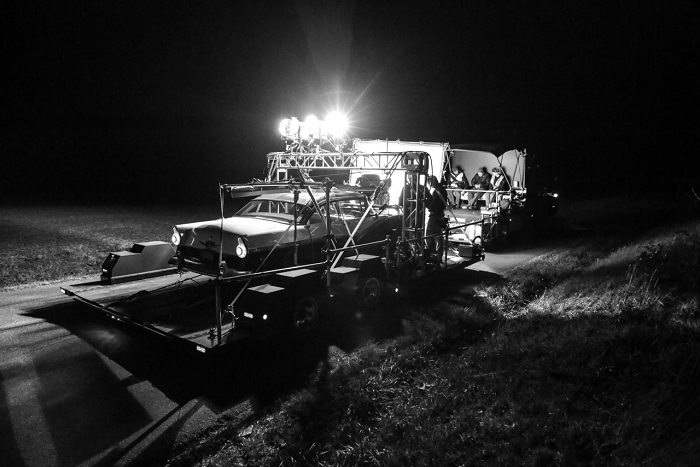
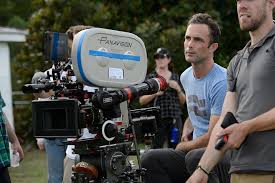
PHOTO: Cinematography for the film “Midnight Special”

midnightspecial-pic.jpg

While working on Shotgun Stories, Jeff and I found we had quite a bit in common. Aesthetically we liked to shoot in the South against a backdrop of kudzu, rusted out cars and interesting characters. We also shared a love of widescreen cinema with simple, yet stately, camera work. We combined those ingredients into a form of southern cinema people seem to enjoy. We have definitely come along way since the days of Shotgun Stories. It has been a great evolution with a true friend and mentor.

MT: Tell us about working on the landmark film Midnight Special?

AS: Midnight Special is a unique movie that’s kind of hard to categorize. It’s a genre bending mash-up of a road movie and sci-fi flick that pays homage to Perfect World, Starman, and Close Encounters. The movie starts without much explanation or backstory, all we know a man is on the run with his son. As the movie progresses we learn the boy has special powers and is dying. His father must keep him alive while the government and a religious sect are in pursuit. Despite all of the characters, themes, VFX events, and unanswered plot points the film is very simple. At the core, it’s a story about a father’s love for his son and how he will do anything to save his boy.

MT: Another film with Jeff, “Loving”, hit theaters in 2016. It’s set in the 1950s. When DPing period pieces, what type of research do you do? Was there another film(s) that was the inspiration to the cinematic design of the film?

AS: To be honest, Loving is the first period piece I’ve had the pleasure to shoot. Jeff’s script was based on a true story about a Supreme Court case so there was plenty of material to unearth. One of the greatest treasure troves was the work of Grey Villet. He was a super talented photographer that documented the story of Richard and Mildred Loving for Time Magazine in 1965. The pictures he took influenced the script, production design, costumes, and the cinematography.

I really fell in love with the objectiveness of Villet’s work. He always employed a wide lens so he really had to campout and wait for candid shots. Jeff and I adopted this technique and let a number of scenes play out in wide observational shots. We also recreated several of Villet’s photos in the movie. It was really cool to see his black and white work come to life in vibrant moving color. To be honest, Jeff and I had to get acclimated to dailies since we had been referencing Villet’s work for so long.

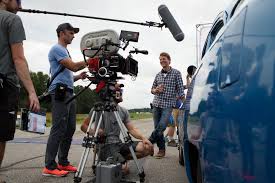
PHOTO: On set for film “Loving”:
loveless.jpg

MT: Do you have a favorite experience in your work as a Director of Photography? What film are you most proud of?

AS: Most of the projects I shoot, whether features or commercials, don’t ‘really’ contribute to the greater good of society.  They might be artful or compelling but they do not teach or enlighten. That’s why I’m proud to have worked on Loving.  Loving sheds light on an important part of history while telling a meaningful story.

I’m also proud how Loving looks. The camerawork is very simple and the lighting is very organic. My main goal was to let the cinematography be an afterthought.  I wanted the audience to pay full attention to the story, characters, and locations – not the camera.

MT: You have Dp’d a few documentary films. What is the general difference between the working on a documentary in comparison to regular narrative film?

AS: I have always had a deep fascination and love of documentary films. The cinematography of Ron Fricke and the still photography of Dan Eldon compelled me to get behind a camera in film school. At that point in life, I wanted nothing more than to travel the world and shoot amazing people and locations at golden hour (to be honest I still have that desire and wanderlust).

Production-wise documentary work and features are not too different. Both utilize similar equipment, call sheets, tons of planning, long hours, and figuring out a creative way to shoot the story. The biggest difference between the two is the time it takes to complete a documentary. Many docs enlist several shooters because of the length and sporadic nature of the schedule.

Advertisement

MT: What type of film would you love to work on that you haven’t worked on yet?

AS: That’s a great question. I’d love to work on a film where the camera is constantly on the move and has the ability to effortlessly traverse every spatial plane. That approach totally goes against how I usually shoot a film where the camera is moored, grounded, and is always someone’s point of view. Seldom do I move a camera for the sake of moving a camera – I guess that’s why I have a fascination with moving it.

I believe my lust for camera movement is directly attributable to the amount of the Red Bull Channel I consume. I really love to veg-out and watch how they fly the camera. Fortunately, I might shoot a film this summer that begs for some fun full-throttle camera movement and I’d love to incorporate more techno crane and steadicam into the equation.

MT: What does a DP look for in a director?

AS: Before I take on a project I have to be intrigued by the script and most importantly believe in the director. The director is the captain of the ship and must have a clear vision and game plan to lead the film from its inception to the very end. Besides being a strong leader the director should be compassionate, open-minded, and have a sense of humor. If all these qualities align, I’m more than enthusiastic about taking on the project and working with the director.

MT: Do you have a Director of Photography mentor?

AS: I had a dear friend that was my cinematography teacher and mentor in film school. His name was Robert Collins and he really taught me to be a compassionate filmmaker. One of the biggest lessons I learned from him was to surround myself with good people on set. He always said the friends you make in film are more important than anything you shoot. I totally agree with his sage advice. Unfortunately, Robert passed away several years ago and he is deeply missed.

MT: What do you look for when hiring your main team? Gaffer. Key Grip. Camera Operator. Etc…

AS: I’ve been very fortunate in my career to work over and over with same core group of individuals.  The crew I work with are my best friends and co-creators. On occasion, when I hire a new member he/she must share the same attributes as the rest of the crew. He/she should be kind, artistic, hard working, honest, and most importantly soulful. It can also be noted, I rather hire someone that is green and enthusiastic over someone more experienced and jaded.

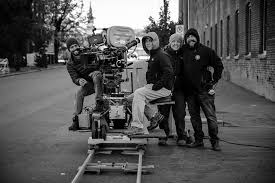
PHOTO: Adam and the camera department from the film “Midnight Special”

midnightspecial_cameradept.jpg

MT: Where do you see the future of camera/lighting technology in film?

AS: Though I’m a proponent of celluloid I love where digital filmmaking is headed. Digital filmmaking has come a long way over the past decade. Camera sensors have gotten better and the lenses look more filmmatic and less clinical. I really admire films such as Revenant that use digital cinema in a smart way. Lubezki made a beautiful movie harnessing the best attributes of digital. He used great equipment (Alexa 65 and Panavision Master Primes), shot in amazing light that accentuates a digital sensor, and flew lightweight digital cameras. That coupled with jaw dropping landscapes, a simple story, and seamless VFX work made for a movie that really resonated with me. I truly love when movies use technology to advance a story instead of letting technology overtake the story.

Lighting has also come a long way in the past 10 years. LED, plasma lights, and iPad enabled dimmer boards have evolved and become onset staples. The ability to control all of the lights on set, whether on a stage or location, from a tablet is amazing. With just a few finger swipes you can audition lights (even dim and recalibrate the color temperature). This is a great timesaver when lighting a big exterior night scene.

MT: What film, besides the ones you’ve worked on, have you seen the most times in your life?

AS: I really don’t watch the films I shoot once they are released – since I see them so many times in post. I guess the two films I’ve seen the most is Some Like It Hot and Baraka. I have a weird ‘thing’ for old screwball comedies and I have always been obsessed with Baraka. I guess if I was stuck on a deserted island those would be my go to films.

PHOTO: Adam Stone at work: 

adamstone4

_____

Interviewer Matthew Toffolo is currently the CEO of the WILDsound FEEDBACK Film & Writing Festival. The festival that showcases 10-20 screenplay and story readings performed by professional actors every month. And the FEEDBACK DAILY Film Fesival held online and in downtown Toronto on the last Thursday of every single month. Go to www.wildsound.ca for more information and to submit your work to the festival.
Interview with Cinematographer Julio Macat (HOME ALONE, PITCH PERFECT, WEDDING CRASHERS)

What an honor it was to sit down with Director of Photography Julio Macat. Julio has DP’d most of the top comedy films in the last 25+ years. His list of credits include: Home Alone 1, 2 & 3, Ace Ventura: Pet Detective,  The Nutty Professor, The Wedding Planner, Wedding Crashers, Winnie the Pooh, Pitch Perfect, and the upcoming comedy The Boss, starring Melissa McCarthy.

juliomacat.jpg

Matthew Toffolo: You have worked in the Hollywood Film Industry scene for the last 36 years. What has been the biggest change in the filmmaking process from 1980 to present?

Julio Macat: The biggest change in our industry has been the choice of material that studios and most independent financing companies green light, as what films are made. It used to be that a film like ORDINARY PEOPLE would have no problem going forward, especially with a good director attached. Now, great films like that rarely get made anymore. I miss that.

MT: Of all the productions you’ve worked on, what film are you most proud of?

JM: Without hesitation it’s HOME ALONE, it was a rare combination of all the elements of film making coming together harmoniously with a result better than expected.

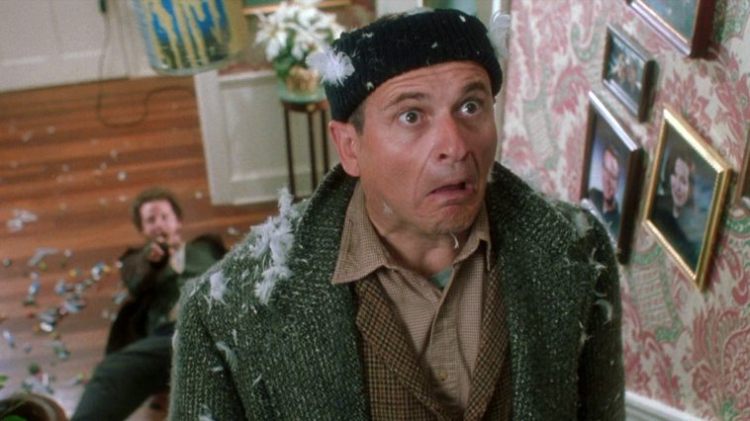
PHOTO: Cinematography in the film Home Alone:

homealone.jpg

MT: Home Alone is one of the most successful films in movie history, and it’s a film that really stands the test of time. During filming, did you ever imagine that this film would be as iconic as it was?

Advertisement

JM: No I didn’t. My hope was that it would be liked as much as I liked A CHRISTMAS STORY and that kids could relate to and be empowered by it. But It’s unusual to sense that you are doing something that special because you are in a vacuum, trying to do the best you can in your department (the visuals) and just hope that everyone else had their act together as well…Fortunately our young director Chris Columbus, had a great vision of what “it could be” and he guided us all in a great direction. The film was that unique circumstance where every layer that was added made the film even better…and John Williams’ score was truly icing on the cake.

MT: You’ve definitely been a part of some of the most successful films in the last 25 years (Home Alone, Wedding Crashers, Pitch Perfect to name a few). Is there a film that you worked on that didn’t do well at the box office that you consider a terrific film that people should see?

JM: Yes In comedy, I loved MY FELLOW AMERICANS which came out at an odd time and no one saw and the drama CRAZY IN ALABAMA which was a bit too long and did not connect with American audiences.

PHOTO: Crazy in Alabama. Starring Melanie Griffith:

crazyinalabama.jpg

MT: You just wrapped “The Boss” starring Melissa McCarthy, Peter Dinklage, and Kristen Bell. Can you give us a sneak peak as to what to expect?

JM: I have not been this excited about a comedy coming out since I photographed WEDDING CRASHERS!

JM: THE BOSS is the perfect vehicle to show Melissa McCarthy’s incredible talent. I think she is the present day Lucille Ball, someone who can and will do ANYTHING for a laugh and unlike other comedians, it’s ALWAYS really funny. She has the uncanny ability to step outside herself and correct situations to make them hilarious without being self conscious! There is a scene in which she puts on a teeth whitener to have Kristen Bell clean her teeth and holds a conversation while they are being cleaned. I assure you that this will have the people in theatres roaring with laughter! We had to start the scene again repeatedly, because the other actors and the crew could not stop laughing during the takes.

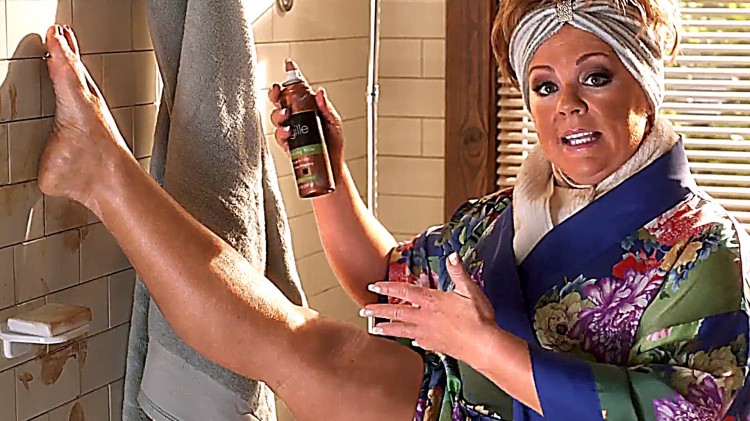
PHOTO: Melissa McCarthy in THE BOSS: 

theboss

MT: Some of the comedies you work on the director demands the actors stick to the script, whereas other films, like Wedding Crashers, there is a lot of improvising occuring. Do you have a preference when shooting? How does the scene lighting setup change when you know the actors are going to go off script?

JM: It’s been my experience that comedy is an imperfect and individual science. The best results come when you leave an opening for great accidents to happen. So I try to not lock in actors with blocking that is too precise, and for example, if the scene develops into being filmed in an area that we had not anticipated, well, that then turns into a fun challenge!. Hopefully this adds to the piece. Ben Falcone and Melissa were eager to want overlaps in dialogue and action in some of our scenes, to be a part of the looseness of the jokes, so they asked that I cover these scenes with three angles simultaneously. It was challenging photographically, but the results were worth the effort and we got many “improvised “ moments with the proper intercut coverage.

Advertisement

MT: Since you started in the camera department, do you prefer operating the camera yourself? Or does this all depend on what type of film (budget/Union guidelines) you’re working on?

JM: I love operating the camera myself, and on some productions I prefer it.

But since I’ve now done 17 films with first time directors, lately, I find that all can go faster when I spend more time by the director’s side and away from the camera. I do love stunts, however, and I love operating on the tough shot …so that we get it in one.

MT: What’s the main thing you look for from your main crew members? Gaffer, Key Grip, Camera Operators etc…

JM: My most important criteria in choosing crew is PERSONALITY. After this many years in the film industry, I found that many people are qualified for the job description, not as many have the agreeable, kind and respectful personality that I require to be in my crew.

I like to be the example of being respectful to actors, directors, producers and other crew members. I expect my crew to do the same.

It’s amazing how much you can achieve with a hand picked crew that has a positive attitude and general kindness toward each other, I am always amazed at this, especially when we work under such tough circumstances that we often encounter. With this approach, when the pressure mounts with things like weather challenges, not enough time, locations changing, etc. etc. which by the way, are actually the daily obstacles of filming, one can rely on the crew to process it, deal with it professionally and find a solution with kindness achieving much better results.

MT: What do you look for in your working relationship with your director?

JM: A collaboration, Hopefully I look for this person to be someone who will do their homework, roll their sleeves up along with me and work as hard as I do.

I look for the director to be considerate of my craft and the elements I may need in order to help them realize their vision for the film And finally, maybe most importantly, a sense of humor.

MT: What movie, besides the ones you worked on, have you seen the most in your
life?

JM: It’s a three way tie: In this order though…

IT’S A WONDERFUL LIFE
LOST IN AMERICA
JERRY MAGUIRE

Cheers
JULIO MACAT, ASC

_____

Interviewer Matthew Toffolo is currently the CEO of the WILDsound FEEDBACK Film & Writing Festival. The festival that showcases 10-20 screenplay and story readings performed by professional actors every month. And the FEEDBACK DAILY Festival held online and in downtown Toronto every Thursday. Go to www.wildsound.ca for more information and to submit your work to the festival.
Zoom Table Read Workshop of your Full Screenplay (feature or TV)

Workship for writers to hear their feature screenplay or TV Pilot read out loud using professional actors.

Read full screenplays (TV Pilot/Spec or Feature Screenplay), followed by conversation with actors after reading. Session generally takes about 2 1/2 to 3 hours. All recorded. Writer owns all material after reading.

Text festival at 416-568-9046 to receive examples of previous readings for context.

SEE list of actors who have performed at the Zoom Table Reading Workshops in 2024.

Only $300

Buy Now Button

Recent Testimonials:

The table reading of our screenplay was phenomenal! Matthew and team selected the perfect actors for the roles and their performances were stellar. We learned so much about what worked and what didn’t. Had we not had this reading, I’m pretty sure we couldn’t have seen these aspects of our script. We now have a revision plan that I feel will take our story to the next level. I highly recommend a Zoom table reading with WildSound!                                                                                                                                                       – Lisa Johnson Mitchell

I was so impressed by our virtual table reading!  The actors were well prepared and brought palpable energy and enthusiasm to the reading.  Even though we were spread across the continent, it really felt like we were all sitting around the table together, and the actors’ comments after the reading were quite insightful.  I know this experience is going to help us take our script to the next level!                                                          – Sara Lundell

I can’t thank Matthew and the actors enough!!! This was such an amazing experience and I am forever grateful.
– Sami Richey

That was so awesome and so useful as well. Once I got over being a little self conscious it was truly rewarding on many levels. The best part was the discussion at the end of the session. Great to be able to get those opinions from professional actors who have spent the time considering the work.
– Russell Knight

Thanks for the files for the reading. — this is such a great resource to have.
– Shay Mourad

Thank you so much for providing this opportunity for me and my screenplay. The reading and the feedback were invaluable. I so appreciate this and all the opportunities you have given me!
– Janna Jones

Watch Today’s Film Festival: HUMAN NATURE Documentary Festival

Watch the Festival HERE: https://www.wildsound.ca/videos/human-nature-doc-festival-november

Go to the Daily Film Festival Platform http://www.wildsound.ca and sign up for the free 7 day trial to watch a new and original festival every single day.

Go to the festival page directly and watch dozens of films:
https://www.wildsound.ca/todays-film-festival/

See the Full Lineup of Films:

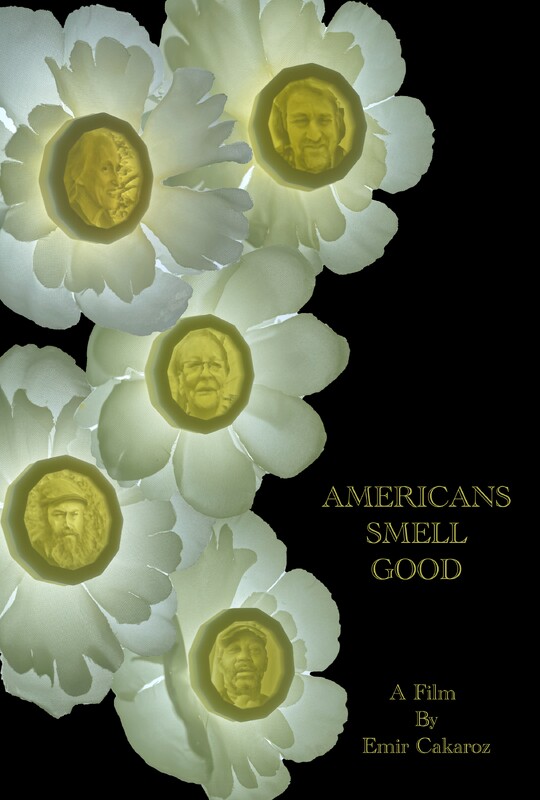
AMERICANS SMELL GOOD, 66min,. USA
Directed by Emir Cakaroz
The film combines the filmmaker’s story in the U.S.A. with people from different social, racial, and ethnic backgrounds that he wouldn’t have met if he hadn’t come to this country. It explores the experience of being in between many cultures when living in a foreign land.

Watch the Audience Feedback Video:
https://www.wildsound.ca/videos/americans-smell-good-review

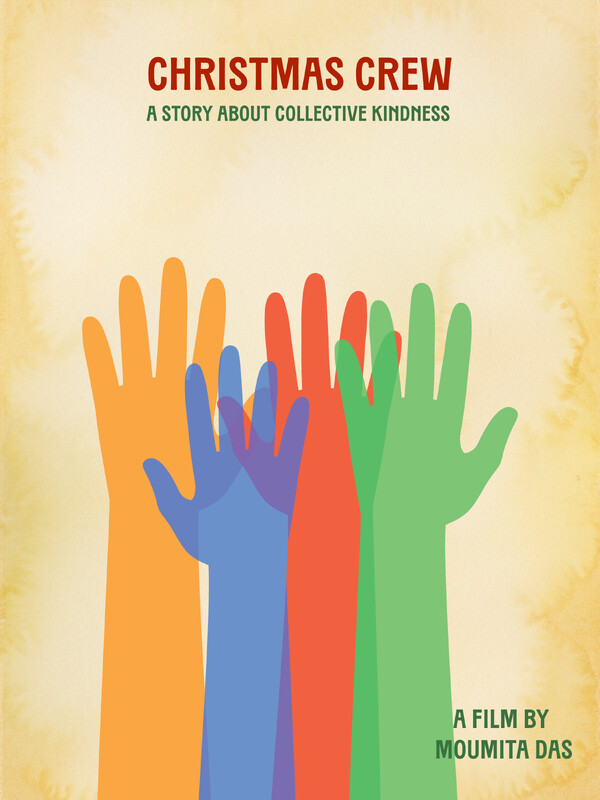
CHRISTMAS CREW, 7min., Canada
Directed by Moumita Das
“Christmas Crew – A Story About Collective Kindness” is a heartwarming documentary that follows the inspiring journey of John and Junie White, affectionately known as the Christmas Crew. What began as a simple act of generosity in their living room has blossomed into a remarkable community tradition, transforming the lives of many in Cape Breton’s Sydney and Glace Bay areas.

https://www.facebook.com/dasmoumita

Watch the Audience Feedback Video:
https://www.wildsound.ca/videos/christmas-crew-review

Watch Today’s Film Festival: ARTISTS DOC Shorts Festival

Watch Festival HERE: https://www.wildsound.ca/videos/artists-documentary-festival-november-2024

Go to the Daily Film Festival Platform http://www.wildsound.ca and sign up for the free 7 day trial to watch a new and original festival every single day.

Go to the festival page directly and watch dozens of films:
https://www.wildsound.ca/todays-film-festival/

See the Full Lineup of Films:

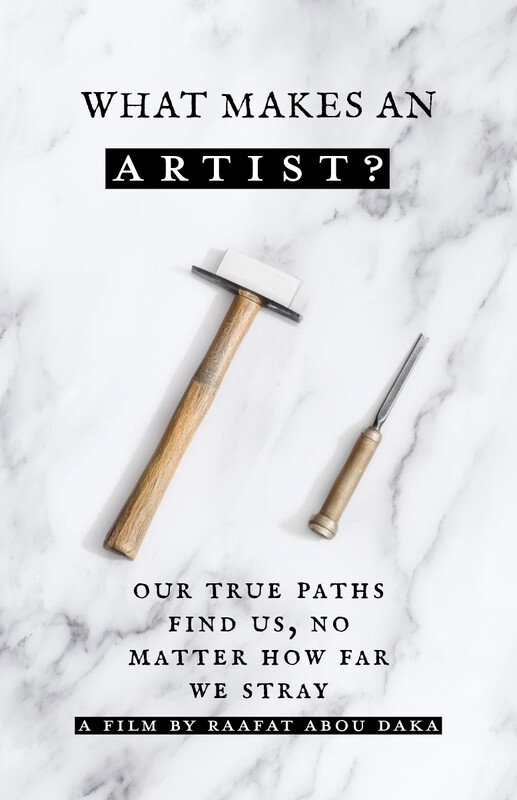
WHAT MAKES AN ARTIST?, 10min., Lebanon
Directed by Raafat Abou Daka
“What Makes an Artist” is an introspective documentary that delves into the lives of the internationally renowned sculptor brothers Assaf, exploring the unexpected paths that led them to their craft. The film peels back the layers of their fame to reveal the human side of their journey, offering a rare glimpse into their early struggles and the alternate careers they nearly pursued.

https://www.instagram.com/raafat.ad/

Watch the Audience Feedback Video:
https://www.wildsound.ca/videos/what-makes-an-artist-review

BLACK & BLUE, 16min., Australia
Directed by Hamish MacGregory
When Rupert is “up” he paints himself blue and becomes Zarcon. Made by his son, Black & Blue is a character study of a person living with bipolar disorder.

https://www.instagram.com/ham_mac/

Watch the Audience Feedback Video:
https://www.wildsound.ca/videos/black-blue-review

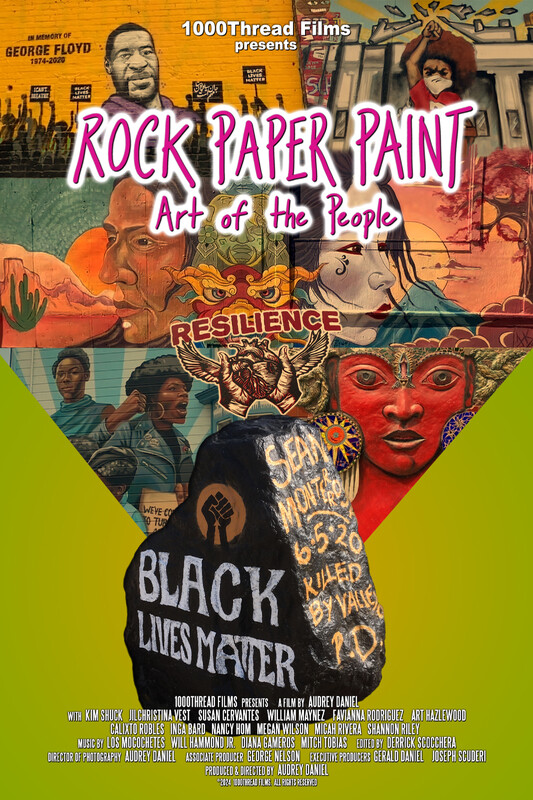
ROCK PAPER PAINT: ART OF THE PEOPLE, 34min,. USA
Directed by Audrey Daniel
This is a two part film, a story which documents the dynamic flood of public art which occurred during the social upheaval magnified by the pandemic and the history of Public Art and social justice in the Bay Area. This is an ode to the artists that have taken on the role of leaders using art to create awareness in murals, poster art, as well as ground breaking memorials, that have been created to address social change

http://rockpaperpaint.com/https://www.instagram.com/rock.paperpaint

Watch the Audience Feedback Video:
https://www.wildsound.ca/videos/rock-paper-paint-review

Filmmaker PODCAST : EP. 1154 – Tim Searfoss & Michael Ortoll (One Second at a Time)

A powerful documentary about a father and the resilience of his daughter Christine Ortoll as she confronts mental illness, addiction, and the transformative power of support. Through her personal journals and the unwavering dedication of her loved ones, witness a journey of hope and the creation of a meaningful legacy by her father.

Interview with Christine’s father and producer Michael Ortoll, & director Tim Searfoss

https://www.onesecondatatime.com/

Director Statement

This is a film about family, about love, about wanting to escape your personal pain and finding yourself addicted to a substance that takes over your life. It’s a story about Christine Ortoll and the family and friends who love her.

This powerful film helps us understand why we fall for addiction, and hopes to humanize and de-stigmatize this powerful disease.

You can sign up for the 7 day free trial at http://www.wildsound.ca (available on your streaming services and APPS). There is a DAILY film festival to watch, plus a selection of award winning films on the platform. Then it’s only $3.99 per month.

Subscribe to the podcast:

https://www.instagram.com/wildsoundpod/

https://www.facebook.com/wildsoundpod

LISTEN to the podcast:

https://podcasts.apple.com/ca/podcast/ep-1155-filmmaker-steven-speliotis-artist-naomi-hadar/id1406973270?i=1000650428331

https://www.wildsoundpodcast.com/the-film-podcast-by-wildsound/2024/3/25/ep-1155-filmmaker-steven-speliotis-amp-artist-naomi-hadar-dont-stare-see-me

Interview with Brandon Ruckdashel (Program Director) NewFilmmakers NY

Brandon Ruckdashel has served as a film programmer for NewFilmmakers, YoungFilmmakers, and as a juror for the Asian American International Film Festival.

NewFilmmakers NY is a weekly screening series based at Anthology Film Archives on the Lower East Side. To learn more about the NewFilmmakers Festival and to submit your film, go to their website at http://www.newfilmmakers.com/

1) What is NewFilmmakers succeeding at doing for filmmakers?

Unlike most festivals we run as a year round series. We program a minimum of 55 events a year and this brings our total films screened to between 750-1000 depending on if we receive extra dates.

With the flexibility our screening schedule gives us we are able to do more diverse and varied programs. We can screen films that many festivals would pass over simply because they do not “fit in.” We also make a special effort to program events that focus on groups traditionally marginalized by the mainstream Hollywood film industry. These groups include women filmmakers, our NewLatino series, and nights specifically for black filmmakers.

2) What are the qualifications for the selected films? Does the film need to be made by a first time filmmaker?

We do not have any specific qualifications. Needing to be a first time filmmaker is actually a very misunderstood representation of our name. We believe that all filmmakers who produce independent non-studio backed films fall into the NewFilmmaker category.

Many NewFilmmakers alumni return each year with their new film or films and we enjoy following their progress.

We are always looking for documentaries to fill into our programs and this coming June we are programming an entire month of LGBT themed films.

3) How many events to do you a year?

55 events per year. We also occasionally add in between 3-7 day festivals as our schedule allows.

4) Where is your cinema located in New York City? How is the area for the arts/film scene?

The Lower East side is the historic New York arts district. No other part of New York city can claim as many artists in residence.

We are located at Anthology Film Archives on 32 Second avenue (corner of 2nd street & 2nd avenue)

5) What motivates you and your team to do this festival for the last 19 years? When did you come aboard?

We originally started NewFilmmakers as an opportunity for NYU film students, who had no access to a theater, for screening their student projects. NewFilmmakers continues to provide opportunities for filmmakers to screen films that might be passed over by traditional film festivals. Screening at Anthology Film Archives amongst the posters for films shot by Jonas Mekas, Jerome Hill, P. Adams Sitney, Peter Kubelka, and Stan Brakhage sharpens this motivation.

I joined as a volunteer six years ago handling technology and marketing. We launched an online distribution platform (NewFilmmakersOnline), a new scheduling interface for the website, and the NewFilmmakers Quarterly Magazine. I took over programming duties about three years ago and have enjoyed using my understanding of the filmmaking process to help promote filmmakers and give them screening opportunities.

6) How has the festival changed since its inception?

NewFilmmakers started out as a “no fees, no forms, no deadlines” event and has evolved into an established and well respected screening series. Although we still receive them on rare occasions we definitely screen a lot less VHS.

7) Where do you see the festival by 2020?

That is a tough question to answer. So much has already changed in the last year with the addition of DCP as a screening format and moving our nightly events to all digital delivery. Four years seems like a short period of time, but their are many technological advances expected within the film industry by then. Not least of these is the advent of HEVC replacing H264 which will see our goal of moving to “all digital” delivery become practical.

On the programming side I see more featurette programs putting two or three 30+ minute films together. Unfortunately filmmakers have decided to increase the length of their shorts instead of taking a risk and shooting a feature. This has begun to cause some real programming problems in the last two years.

8) What film have you seen the most times?

I think that’s a toss up between the original “Star Wars” trilogy and “Hook” with Robin Williams. Star Wars appeals to me the most because the technology to make it barely existed and the innovations they were forced to make come across distinctly and add a rough edge, which makes it feel real.

9) In one sentence, what makes a great short film?

Succinct simple efficient pacing which illustrates a story while not trying to prove the intelligence of the filmmaker who directed it.

10) What would one expect when they attend your festival?

We have a photographer. We have a step-and-repeat. We have a party. We always encourage filmmakers to work with each other to bring beverages and snacks.

Every night is a different night. We program in a way that filmmakers with similar styles, genres, and interests are screening together. This creates an incubator type atmosphere where there are a number of filmmakers who can walk away from the night having made new friends or met people they’d like to work with on future projects.

When a filmmaker gets invited to a festival it is really up to them to take control of the atmosphere for the evening. Print a “step-and-repeat,” a few large format posters, and bring lots of information about your film. People love seeing films when they know it will be turned into an event and I can attest that the energy and money put into promoting is always returned by the energy of the audience that it attracts.

—–

Interviewer Matthew Toffolo is a multiple award winning short filmmaker. He is currently the Festival Director for the WILDsound FEEDBACK Film & Screenplay Festival.

Interviewee Brandon Ruckdashel is a New York based actor and filmmaker who recently finished production on his debut feature “Grinder.” As an actor he starred in HBO/Cinemax’s hit series “Co-ed Confidential” and numerous made-for-TV movies directed by Roger Corman alumnus Fred Olen Ray and Jim Wynorski. Brandon’s production company Ruckus Film Works specializes in post production, extreme dialogue denoising, and other delivery services (including DCP authoring).

He can be contacted through facebook at facebook.com/b.ruckdashel

his website www.BrandonRuckdashel.com

or Brandon@NewFilmmakers.com


Watch MURDER Stories from the Film & Writing Festival

Watch winning stories and movies showcased at the Writing and Film Festival in the MURDER genre: Short, Feature, TV Screenplays. Short Stories. Novels. Stage Plays. Poems. Stories from festival made into movies: http://www.wildsoundfestival.com/murder_stories.html

Watch the best of stories and film with a murder plot from the festival:

AWAKE TO MURDER – Stage Play
September 2014 Reading
Written by Reece Pocock
http://www.wildsoundfestival.com/awake_to_murder.html

NOVEL READING – From PRISONER PRODIGAL PAWN
November 2014 Reading
Written by Robert J. Sparkman
http://www.wildsoundfestival.com/balloon_chase_scene.html

1ST SCENE SCRIPT – NIGHTDOVES
September 2014 Reading
Written by Matthew J. Lloyd
http://www.wildsoundfestival.com/nightdoves.html

SCREAMWRITER – Short Script
May 2014 Reading
Written by Lee Forgang
http://www.wildsoundfestival.com/screamwriter.html

TV PILOT – FAUST
April 2015 Reading
Written by Niel Thompson
http://www.wildsoundfestival.com/faust.html

Short Script: HONOR AMONG THIEVES
May 2015 Reading
Written by Nat & Digs Palazzo
http://www.wildsoundfestival.com/honor_among_thieves.html

THE HOPPER Short Film
WATCH Audience FEEDBACK
http://www.wildsoundfestival.com/the_hopper.html
Animation, Germany

FAMILIAR Short Film
WATCH Audience FEEDBACK
http://www.wildsoundfestival.com/familiar.html
Horror, Canada

FOUND FOOTAGE Short Film
WATCH Audience FEEDBACK Video
http://www.wildsoundfestival.com/found_footage.html
Drama, Canada

    * * * * *

Also, Free logline submissions. The Writing Festival network averages over 95,000 unique visitors a day.
Great way to get your story out: http://www.wildsound.ca/logline.html

Deadlines to Submit your Screenplay, Novel, Story, or Poem to the festival: http://www.wildsound.ca

Watch recent Writing Festival Videos. At least 15 winning videos a month: http://www.wildsoundfestival.com

Interview with Greg Coffey, Festival Director of Over the Fence Comedy Film Festival

OTF is a Perth based internationally recognised festival, that aims to develop, encourage and promote filmmakers, and expand the world of comedy to the nation and the world; equally giving new and independent filmmakers of the world the opportunity to have their films seen in a festival dedicated to the wide & wild genre ‘comedy’.

Our definition of comedy is – A film driven by, or ultimately concluding with and excellent sense of humour.

http://www.overthefence.com.au/

Matthew Toffolo interview Greg Coffey:

Matthew: What is the goal of your film festival?

Greg: Our mission is to offer a refreshing challenge to people’s ideas of ‘what comedy is’; to give our audience a whole new experience of the way in which funny stories can be told through a the wide variety of filmmaking styles, genres, and from all countries across the world!

Matthew: How has the festival changed since its inception until your upcoming 2015 festival?

Greg: Our 1st festival was held in 1 venue in Perth. Since then we have grown to be the big-gest touring comedy film festival in Australia- touring to over 40 centres and screens across Australia. And we have been invited to screen in Brazil & the UK.

Matthew: How many films are you showcasing at your Film Festival?

Greg: Can range12 -16 short films. This year we have 12 short films selected

Matthew: Can you give us a sneak peak of what to except for the 2015 Festival?

Greg: This year we have an amazing selection of comedy shorts dealing with a view on love, angst & the peculiar deception life can – & filmmakers do – take us on.

We delve in to ‘dreams & peeing in bed!’; a ‘faecal existential crisis’; ‘many failed suicide attempts’; that first ‘meeting with your girlfriend’s parents’… and if u think that’s gotta be seriously & wickedly odd then wait ‘til you see the; bizarre world of the ‘new middle class; ‘desperately looking young’; and, ‘the trials of love, love … and love’s failure!!!

Get ready for the incredibly rich & strange worlds according to twelve amazing filmmakers from across the planet, and, all with an excellent sense of humour!

Matthew: Is there going to be an overall theme for the 2015 festival?

Greg: Each year we do have a theme, and it is created from the films selected. We do not look for it, nor, ask for it, it simply arises from the selection of films. It’s kind of mysterious that once selected its almost like it pops out! The theme that arose for this years fest is Love, Angst & Other Deceptions.

Matthew: Where do you see your festival in 5 years?

Greg: We will be screening in a cities and centres as we have done. I see us featuring special events, ie indie & new features and long shorts in a cross section of co-produced events in Major festivals.

Matthew: What’s the current status of the Film Scene in your city?

Greg: Perth is an exciting city for indie and grassroots filmmaking.

Matthew: What film have you seen the most in your life?

Greg: Tricky question , way too many on my list, so going for the one that left me most impacted me, and challenged me at the same time. That’s got to be the ‘Life of Brian’. Why? – because of how they were able to usurp religion and the crazy belief systems humans want to live by, all-the-while presenting the bizarre concern/reluctance to be an individual… and that scene is the BEST! There are few comedy feature films which have come near to being so radical, challenging, and, had so much to say, all with an excellent sense of humour – since.

    * * * * *

Matthew Toffolo, Interviewer BIO

Matthew Toffolo is the current CEO of the WILDsound Film and Writing Festival . He had worked for the organization since its inception in 2007 serving as the Short Film Festival’s moderator during the Audience Feedback sessions.

Filmmaker of over 20 short films and TV episodes. Took over full reins of the WILDsound Festival in May 2013. From then to the end of 2014, he’s presented over 90 movies at the monthly FEEDBACK Film Festival in Toronto, plus has had over 60 screenplays and stories performed by professional actors at the bi-monthly Writing Festival.

Interview with Yogesh Baraskar, Founder Goa Short Film Festival

Matthew Toffolo interviews the Founder/Director of the Goa Short Film Festival:

Matthew: What is the goal of your film festival?

Yogesh Baraskar (Founder, Director) – The goal of Goa Short Film Festival is to provide the platform for new taelnt in the field of cinema making. in India ti is really common thing now to become a short film maker but they are not getting good chance to showcase their talent. We want to provide that.

Matthew: How has the festival changed since its inception until your upcoming 2015 festival?

Yogesh Baraskar (Founder, Director) – The festival has change immensely since its inception. thought it is only the second edition of the festival. We are also organizing Pune Short Film Festival for last five years, so the helps us to spread our new Goa Short Film Festival

Matthew: How many films are you showcasing at your Film Festival?

Yogesh Baraskar (Founder, Director) – In its 1st year only we have received more than 400 films across 23 countries. out of the we have selected 87 films in the competition section of the festival and we showcased all the 87 films in the festival.

Matthew: Can you give us a sneak peak of what to except for the 2015 Festival?

Yogesh Baraskar (Founder, Director) – In 2015 we are expecting more than 600 films across 30 countries. our festival jis getting good shape and jit is spreading especially across USA and Europe.

Matthew: Is there going to be an overall theme for the 2015 festival?

Yogesh Baraskar (Founder, Director) – No our festival does not have any particular theme. it is open for all the Genre and all the categories of the films and film makers

Matthew: Where do you see your festival in 5 years?

Yogesh Baraskar (Founder, Director) – In the next five years we are planning to become not only India’s but one of the Asia’s top film festival. we want to grow not only in terms of prize money but in terms of number of quality films.

Matthew: What’s the current status of the Film Scene in your city?

Yogesh Baraskar (Founder, Director) – in Goa We have very good film culture. most of the young filmmaker are coming ahead to showcase their talent through the short films.

Matthew: What film have you seen the most in your life?

Yogesh Baraskar (Founder, Director) – I personally watched and like all the films of Satyajeet Ray, Steven Spielberg, Clint Eastwood, Majidi Majidi

    * * * * *

Matthew Toffolo, Interviewer BIO

Matthew Toffolo is the current CEO of the WILDsound Film and Writing Festival . He had worked for the organization since its inception in 2007 serving as the Short Film Festival’s moderator during the Audience Feedback sessions.

Filmmaker of over 20 short films and TV episodes. Took over full reins of the WILDsound Festival in May 2013. From then to the end of 2014, he’s presented over 90 movies at the monthly FEEDBACK Film Festival in Toronto, plus has had over 60 screenplays and stories performed by professional actors at the bi-monthly Writing Festival.