Interview with Festival Director Travis Gonzalez (Yale Student Film Festival)

The Yale Student Film Festival (YSFF) is an emerging student-run short film festival, providing the opportunity for university-level filmmakers, both foreign and domestic, to exhibit their work. It will be held on Yale University’s campus April 18th – 23rd.2016.

Interview with Travis Gonzalez:

Matthew Toffolo: What is your Film Festival succeeding at doing for filmmakers?

Travis Gonzalez: I think the Yale Student Film Festival succeeds at providing a large platform for filmmakers who may not attend a university known for it’s film production students. At Yale, it’s currently the most visible exhibition of our small community of filmmakers, whose work generally will only be seen by a handful of close friends and family (unless they choose to apply to other festivals). YSFF offer visibility where there previously was very little. By opening up the submission process to university-level filmmakers internationally, we are hoping to connect Yalie artists with the larger network of students out there creating work, many on their own or for the first time. The festival is an initiative born out of the Yale Film Alliance, a new umbrella organization fostering growth in the film community through events and coordination with Bulldog Productions (est. 2003, Film Production) and The Yale Film Society (est. 1950s-1960s, Film Appreciation)

MT: What would you expect to experience if you attend the festival this year (2016)?

The 2016 iteration of YSFF, it’s second year, will be a week-long showcase, beginning with screenings and workshops led by Yale Alumni in the entertainment industry. This will culminate in our two-day student screening block, where approximately twenty-five short films will screen across five different blocks (Super Shorts, Narrative Shorts, Documentary Shorts, Experimental Shorts, and The 2016 Yale Senior Thesis Films). Every screening will be followed by a Q+A. The student screenings will be followed by an awards dinner for all invited filmmakers. The festival is designed to be a learning and networking environment, where filmmakers from different universities will be able to connect and exchange ideas, while those rooted in the industry provide guidance and relevant feedback.

MT: What are the qualifications for the selected films?

All selected films must have come from a filmmaker currently enrolled in University. The films must be work that demonstrates movement towards professional filmmaking, but not quite at that level. Basically, we are looking for first-timers or those taking their first steps towards becoming professionals. YSFF is a short film festival, so we have a cap of forty-five minutes for a film, although generally it is more likely for a twenty-five minute film to be programmed into the screenings over one of double that length. Beyond those restrictions, the festival is open to submissions from students at an international level.

MT: Do you think that some films really don’t get a fair shake from film festivals? And if so, why?

Traditionally, Film Festivals can be seen as cultural gatherings that benefit the image of the city or host organization providing support for the event. Because of that, I think many festivals want to select films that are flashy and add to the spectacle of having a multi-day screening event. Films that are more understated, challenging, and out-there have a harder time of being accepted because they run the risk of taking us out of the spectacle. At Yale, however, there is a stronger emphasis on the filmmaker as part of the process, and bringing films to campus that do more to engage with an audience on a more thoughtful level. For us, it’s not a matter of what project will get the most “oohs” and “ahhs,” but whether or not you leave the theatre still thinking about and engaging with the work.

MT: What motivates you and your team to do this festival?

As a filmmaker myself in a school not traditionally known for film production (we have a great Film Studies Program, however), it’s very easy to feel isolated from the arts community. Theatre has very old roots at Yale, and film, by comparison, is very young. My team and I are motivated by a desire to bring our fellow artists into the spotlight and to showcase the work they are making early in their careers. By doing so, this will ultimately foster a stronger network of alumni and current students in the film industry, and bring further resources to filmmakers trying to turn their ideas into reality. This festival will be our roots.

MT: How has the festival changed since its inception?

Last year, the inaugural festival was only a weekend-long and was restricted to Yale affiliated filmmakers across the undergraduate, graduate, and alumni networks. We still screened twenty films, and the result further fortified our community, but it was much more insular than this year’s festival.

MT: Where do you see the festival by 2020?

I definitely see this festival being brought into a larger network of student film festivals, especially within the Ivy League. I definitely predict larger blocks of student screenings, and hopefully expanding our submissions categories to include screenplays and other aspects of filmmaking. Right now the festival is focusing on celebrating the technical craft of filmmaking, but I feel like it will soon expand to cover acting and writing as well.

MT: What film have you seen the most times in your life?

Little Miss Sunshine. It was the first film that I connected to on a deep personal level, and I never saw film the same way after seeing it. And so I watch it any chance I get.

MT: In one sentence, what makes a great film?

A great film is one that can transport you to another world, another time, another way of thinking, but by the end of its runtime, still hit close to home.

MT: How is the film scene in your city?

New Haven has an enclave of artists in general that are sometimes over-shadowed by the Yale Community. There is a festival Arts and Ideas in the summer, and an emerging New Haven Documentary Film Festival that will also be going up around the same time. So, like Yale, I think the New Haven film scene is growing, and finding out what niche of film is the most prevalent.

http://yalefilmalliance.wix.com/yalestudentfilmfest
https://www.facebook.com/yalestudentfilmfestival/?fref=ts

PHOTO: Travis chats with fellow colleagues at the 2015 Film Festival:

yale_people.jpg

_____

Interviewee TRAVIS GONZALEZ is a senior in Film & Media Studies at Yale University and a filmmaker from Staten Island, New York. He was the president of Bulldog Productions, Yale’s only student-run film production company, and is the film festival director for the Yale Film Alliance. Travis has worked as a writer, producer, and director on various student films, and has worked as a freelance filmmaker for several clients, including: The Yale Admissions Office, The Association of Yale Alumni, Paprika!, Sugar Hill Culture Club, Those People, First Things Foundation, City Atlas: New Haven. He is currently in post-production for Over Dinner, a twenty-minute dramedy about an eccentric grandmother, a single mother/daughter, and her son/grandson that he wrote and directed.

Interviewer Matthew Toffolo is currently the CEO of the WILDsound FEEDBACK Film & Writing Festival. The festival that showcases 10-20 screenplay and story readings performed by professional actors every month. And the FEEDBACK Monthly Fesival held in downtown Toronto on the last Thursday of every single month. Go to www.wildsound.ca for more information and to submit your work to the festival.
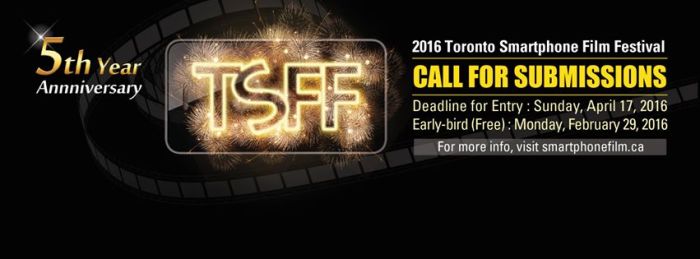
Interview with Executive Director Mingu Kim (Toronto Smartphone Film Festival)

The Toronto Smartphone Film Festival was created with the goal to encourage aspiring filmmakers to share their stories through film, without having to equip themselves with expensive video equipment, training or field experience. As the largest smartphone film festival in Canada, TSFF provides aspiring filmmakers, from all backgrounds, with an international platform to showcase their work and talent.

Interview with Mingu Kim

Matthew Toffolo: What is your Film Festival succeeding at doing for filmmakers?

Mingu Kim: TSFF provides a unique platform for new, emerging and established filmmakers to showcase their films, not just locally but internationally. It’s another way for filmmakers to express their thoughts and ideas without spending thousands of dollars.

MT: What would you expect to experience if you attend the festival this year (2016)?

MK: This year we are celebrating our 5th anniversary and after several trial and errors, we have stronger award categories for filmmakers and more quality films for people to enjoy than ever. We are also partnered with 2 other organizations, Raindance Canada and Autism in Mind. Raindance Canada is working with us to educate people on smartphone filmmaking and as well as getting local filmmakers to try something different from the norm. Then we have Autism in Mind (AIM) this year to help promote the awareness of autism through film with a separate award category.

MT: What are the qualifications for the selected films?

MK: Our regulations are very simple. All films must be 10 mins or less where all scenes must be shot on either smartphones or tablets. We also receive a lot of international submissions so English subtitles are required if the main language used are not in English.

MT: Do you think that some films really don’t get a fair shake from film festivals? And if so, why?

MK: I think every film festival has its own colour and designated audience members to a certain degree, which can affect film selections. Therefore, filmmakers should also do a thorough research on various film festivals around the world to find a festival that best targets the type of films they produce. But then, it doesn’t hurt providing more room and leniency for new and emerging filmmakers, which would bring a broader spectrum of creativity and messages shared.

MT: What motivates you and your team to do this festival?

MK: I believe our motivation comes from doing what we enjoy. Many of us are independent filmmakers and we are constantly thinking from the filmmakers’ point-of-view to make TSFF a more inclusive festival. Every year has been a challenge but we feel rewarded knowing that filmmakers enjoy watching their films on big screen and viewers enjoy the difference of our festival compared to others.

MT: How has the festival changed since its inception?

MK: Well, to make the long story short, we began the festival within the Korean-Canadian community in Toronto 5 years ago under a different name. It started as a marketing strategy for my TV program on OMNI (Korean language programming). However, I saw the potential growth of the festival which needed to include anyone and everyone, so we changed our name into TSFF the 3rd year and became more global than what I had expected.

MT: Where do you see the festival by 2020?

MK: I am hoping for TSFF to become one of representing smartphone festivals in the world. We want to grow with the development of new technology so that our films are not only creative but also innovative.

MT: What film have you seen the most times in your life?

MK: It’s a touch question to answer because there are so many films. I love watching films in general, but I always tend to come back to Terminator 2.

MT: In one sentence, what makes a great film?

MK: A great film comes from one’s perseverance, dedication and believing in oneself.

MT: How is the film scene in your city?

MK: I think Toronto is one of the best cities representing the film scene. We are so spoiled with hundreds of film festivals that can be enjoyed throughout the year. There’s a film festival for everyone in Toronto!
torontosmartphone

____
Interviewer Matthew Toffolo is currently the CEO of the WILDsound FEEDBACK Film & Writing Festival. The festival that showcases 10-20 screenplay and story readings performed by professional actors every month. And the FEEDBACK Monthly Festival held in downtown Toronto on the last Thursday of every single month. Go tohttp://www.wildsound.ca for more information and to submit your work to the festival.
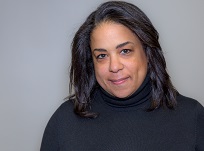
Interview with Festival Director Kimberly Bush (DC Shorts Film Festival)

Voted “Coolest Film Festival” by MovieMaker Magazine, DC Shorts Film Festival and Screenplay Competition is one of the largest short film events on the East Coast.  Last year, they screened 135 films from 25 countries in 18 unique showcases over 11 days to audiences of more than 9,000 people.

 Kimberley Bush Photo.jpgInterview with Executive Director Kimberly Bush

Matthew Toffolo: What is your Film Festival succeeding at doing for filmmakers?

Kimberly Bush: DC Shorts Film Festival provides a robust venue for short film filmmakers to present their films. We are successful at being a 11 day full/well rounded experience for filmmakers. Filmmakers are able to not only screen their films but we invite them to the festival to spend authentic time with the audience in Q&A/panel discussions. The filmmakers can enhance their craft in our filmmaker workshops/classes as well as celebrate their presence at the festival at one of our celebrations including our Filmmaker Awards Brunch.

MT: What would you expect to experience if you attend the festival this year (2016)?

KB: As an attendee you can expect to see poignant, riveting, multicultural, diverse and groundbreaking films in every genre from all over the globe. There are many opportunities for attendees to share dialogue with filmmakers in our Q&A/panel discussions/roundtables or at one of our celebrations. We also offer free workshops/classes for attendees interested filmmaking as well as free film showcases for youth and free lunch time film screenings. During the last weekend of our film festival, attendees can experience our Screenplay Competition. During this event, attendees will hear a table reading of approximately 6 different screenplays that have been previously selected by a juried panel. After the table readings they will be able to vote for the best screenplay. That screenwriter will be awarded a cash prize and their completed film will gain entry into the following year’s film festival. The Film Festival is truly 11 days of nonstop engaging fun and film.

MT: What are the qualifications for the selected films?

KB: Our main judging criterion is story. We screen all genres and styles of film. All films are 30 seconds to 20 minutes in length. We look for interesting and original stories with developed and well-written characters.

MT: Do you think that some films really don’t get a fair shake from film festivals? And if so, why?

KB: I do think that there is a film festival/film competition for every kind/genre of film. It’s up the filmmakers to find the best festival for their film. However, we appreciate the difficulty of rejection, and so have created a “second chance opportunity” program within DC Shorts. DC Shorts’ Take 2 screens films that didn’t quite make the cut for the festival selection, allowing the audience to choose 2 films to make it back into the festival. This takes place over two days in May.

MT: What motivates you and your team to do this festival?

KB: Every year we receive feedback during the film festival (as well as months after) stating how much of a life-changing event it was for the filmmakers. They enjoyed all the opportunities to commune with the attendees and other filmmakers as well as the educational programming we provide. They felt well taken care of in regard to the housing/hotel accommodations we organize for them as well as the city tours and our Feed A Filmmaker program. What gives us the energy and motivation to create DC Shorts Film Festival year after year is knowing that our year round efforts make such a huge, positive impact on our filmmakers and the community. We do believe that film changes lives and we are charged with responsibility to provide the space that can bring film to the eyes and ears of the community.

MT: How has the festival changed since its inception?

KB: The Festival has grown exponentially! In 2003 we were a 3 day film festival screening in only one location. We now have a screenplay competition with a cash prize award. We have had screenings in up to 5 different locations. During the film festival, we offer patrons who may not be able to attend the festival in person, our Online Film Festival where they can view 90% of the films that are actually in the festival. We host epic celebrations as well as free children’s film showcases in libraries throughout Washington DC as well as free filmmaker workshops and beginner/master classes.

MT: Where do you see the festival by 2020?

KB: I am relatively new to DC Shorts…I came aboard as the Executive Director in 2015. 2016 has brought more exciting changes to my staff. I have hired an amazing programming team. Joe Bilancio, our Director of Programming and Derek Horne, our Programming Lead, both with extraordinary track records/experience and insatiable passion for film. With this new team we will begin planning for DC Shorts’ future which may include new and exciting partnerships and collaborations that will provide even bigger and better opportunities for filmmakers.

MT: What film have you seen the most times in your life?

KB: That is an impossible question to answer…so suffice it to say that I have watched repeatedly –not in any particular order—any Steven Soderburgh, Lisa Cholodenko, Spike Lee, Stanly Kubrick, Pedro Almodovar, Alfred Hitchcock, Coen Brothers, Wes Anderson, Todd Haynes, or Quentin Tarantino film. #GloriousFilmMakers!

MT: In one sentence, what makes a great film?

KB: If a film has the ability to REALLY make you think, feel, laugh, contemplate your own thoughts/way of being/existence or just create some level of change…however microscopic…I think that is what makes a great film.

MT: How is the film scene in your city?

Washington DC probably hosts the largest variety of film festivals/film screenings in the country….culturally…politically…socially. Old movie house are being salvaged. New movie houses are being constructed. Film Festivals that were defunct are being resurrected. The DC film office has been making strides over the years. The film scene is vibrant, growing and ever present. There are over 100+ film festivals in the Washington DC Metropolitan Area with stellar and diverse film screenings/events year round.

PHOTO: DC Shorts Screening in 2015. Photo courtesy of DC Shorts:

dcshortscrow
____
Interviewer Matthew Toffolo is currently the CEO of the WILDsound FEEDBACK Film & Writing Festival. The festival that showcases 10-20 screenplay and story readings performed by professional actors every month. And the FEEDBACK Monthly Festival held in downtown Toronto on the last Thursday of every single month. Go tohttp://www.wildsound.ca for more information and to submit your work to the festival.

Interview with Festival Director Jeremy Jantz (PDXtreme Film Fest)

The PDXtreme Film Fest is the best damn genre festival Portland Oregon has ever seen! Taking place over 3 days at the historic Academy Theater, we showcase horror, crime, dark comedy, and everything in-between. Tales of the grotesque, the limits of the psychological, and bumps in the night whatever the cause! Does it take place in space? That’s cool too.


Interview with Jeremy Jantz:

Matthew Toffolo: What is your Film Festival succeeding at doing for filmmakers?

Jeremy Jantz: We know where we stand. The odds of an industry professional in the audience just waiting to sign a contract are incredibly slim. We don’t do a script competition because the best I can do is give you a “thumbs up” and that doesn’t seem worth the fee.

But we care about our line-up of films. We want it to mean something that a film is playing at PDXtreme Fest, because that means it’s in good company. We demonstrated our commitment to the significance of our awards with a custom made trophy. You can’t just hand those out. We encourage support among the attending filmmakers. What’s the point of flying across the country to watch only your own film? By last year’s wrap party, there was a whole lot of indie film talent around a set of tables at the nearest bar, and that’s the kind of experience that’s priceless. Or at least pricelessish.

We also pay attention to the small details along the way. We do personalized acceptance letters. Final notification is set in stone, and a month before the fest to make potential travel more convenient. Each film gets two free drink tickets for attendees. People thought the promised free beer was a joke last year. It was all too real.

We want attending PDXtreme Fest to be actual fun.

Matthew: What would you expect to experience if you attend the festival this year (2016)?

Jeremy: Based on last year, you’ll see a fantastic roster of genre films from around the world. PDXtreme Fest is hosted by the Academy Theater, a wonderfully restored vintage theater serving beer,wine and pizza- none of that meeting room screening going on here. There should be plenty of directors, as well as producers, talent, and other people associated with the films. There won’t be panels. I find them dull.

Matthew: What are the qualifications for the selected films?

Jeremy: We have a two person jury. So it’s not a complicated system where the film has to make it through a rank of interns or is scored via some arcane numeric formula. I’d say we have three basic rules that get a film on the short list. The very first criteria is: did we enjoy it? If it’s 30 seconds or 2 hours, it shouldn’t be boring. Second, it shouldn’t be half-assed. And half-assed isn’t about money. No matter what your budget is, passion is free and makes a big difference in the final film. Finally, we want to see something new in the film. There’s nothing wrong with starting with a genre cliche as long as some aspect ends up being original.

As far as moving from the short list to the accepted list, that’s a bit more ephemeral. Last year we ran the gamut from exploitation grind-house to holiday themed slasher to lesbian post-apocalyptic western. Ultimately Dulcie and I curate the fest like it’s a fest we want to attend.

Matthew: Do you think that some films really don’t get a fair shake from film festivals? And if so, why?

Jeremy: I don’t want to speculate about all of the nebulous behind the scenes going-ons at other fests that may or may not be happening. People know. People hear things. I can say that length comes up a lot for some filmmakers. The 25-60 minute film has a tough hill to climb. But if your film really needs to be that long, then so be it. Content is never an issue for us. We went NC-17 last year. Blood, nudity, veganism, we’ve embraced it all. We don’t care about the director’s gender. Last year we had 10 women directors/co-directors. Some of our most over the top films were from women directors. I know the discrimination happens, but that doesn’t mean I understand it.

Matthew: What motivates you and your team to do this festival?

Jeremy: Portland had a void for an all around genre film festival. After Dulcie and I attended a number of fests in other cities, we looked around and said “Why don’t we have something like this here?” Its not about getting the sack with the dollar sign on it. As cheesy as it sounds, it’s about the experience for everybody, whether a filmmaker or a film fan.

Matthew: How has the festival changed since its inception?

Jeremy: Since this will only be our second year, I can’t really point to a long and evolving history. The first year taught us some behind the scenes organizational lessons. This year we do hope to bring some upgrades to the fest experience. I really want to see a tie-in with a local brewer. Since this Portland, I have high hopes.

Matthew: Where do you see the festival by 2020?

Jeremy: There’s a limit to how much we would want to grow. I can’t ever see us in the Portland Convention Center as we collapse under our own financial weight year after in the red year. It’s going to be about striving to constantly improve in the small ways without forgetting that you need filmmakers to have a film festival.

Matthew: What film have you seen the most times in your life?

Jeremy: “True Romance”. It involved no cable, a limited VHS library, and too much vodka from a plastic bottle, but I watched that movie about 20 times in a two week period.

Matthew: In one sentence, what makes a great film?

Jeremy: I want to watch it again.

Matthew: How is the film scene in your city?

Jeremy: Portland is a very artistic city. Not only do we have an indie film scene, we have a tiny bit of Hollywood here. If you want to be an extra on “Grimm” this is the place for you. Seriously though, we’ve definitely developed to the point that all the building blocks are there for people interested in movie making.


—-

Interviewer Matthew Toffolo is currently the CEO of the WILDsound FEEDBACK Film & Writing Festival. The festival that showcases 10-20 screenplay and story readings performed by professional actors every month. And the FEEDBACK Monthly Fesival held in downtown Toronto on the last Thursday of every single month. Go tohttp://www.wildsound.ca for more information and to submit your work to the festival.

Interview with Festival Director Jacques Paisner (Santa Fe Independent Film Festival)

The Santa Fe Independent Film Festival was named Moviemaker Magazine’s “50 Festivals Worth the Entry Fee in 2014 & 2015”. Santa Fe Independent Film Festival is invested in Santa Fe as a destination for film. Bringing cutting edge programming, the latest independent films and directors, Native cinema, New Mexico and Student films, and masters discussions with visiting artists and professionals in their field, all in the setting of downtown Santa Fe.

Interview with Festival Director Jacques Paisner:

Matthew Toffolo: What is your Film Festival succeeding at doing for filmmakers? 

Jacques Paisner: While exposing their pictures to a discriminating and unique audience here in Santa Fe, filmmakers also get accommodations, chances to interact with celebrity guests, and peerless artists, plus access to all films and events at the festival, and place in a highly selective program amongst the best international and independent films of the year each season.

 
Matthew: What would you expect to experience if you attend the festival this year (2016)? 

Jacques: You can expect exciting world cinema, top independent films, flawless projection in a little city with some of the best theaters in the world. You can attend epic parties, and rub elbows with people like Shirley Maclaine , And George RR Martin, and even the legendary Gena Rowlands. 
 
Matthew: What are the qualifications for the selected films? 

Jacques: We’re really looking for films that tell a unique story, a film that invites you into a world all its own, captivating films from all over the world that push the boundaries of the imagination, that are on the cutting edge of what a film is or what a narrative is or what a documentary is, films that reinvent the genre, or more importantly allow an artistic medium to come face to face with itself.
 
Matthew: Do you think that some films really don’t get a fair shake from film festivals? And if so, why?

Jacques: There are some very good films every year, and there are many not very good films every year, and the same goes for festivals. There are some really good ones that put a lot of time and attention and professional efforts into their programs, and there are some really bad ones too.

 
Matthew: What motivates you and your team to do this festival? 

Jacques: Well I guess the first motivation is that it’s our job, but beyond that I think there’s a real sense of responsibility and purpose and decency that runs throughout the organization, with this greater common goal of Santa Fe as this Mecca for independent films and filmmakers. Our office is above the Jean Cocteau theater and George RR Martin is her landlord, and we have coffee and pizza, young interns, and really spend a lot of time talking about movies,  so it’s fun work and I think there’s also a sense that what we’re doing is dynamic and important and cutting edge, and also sort of sticking it to the Man in a creative way.

 
Matthew: How has the festival changed since its inception? 

Jacques: The festival started as a fringe fest in a community center, now the biggest festival film festival for hundreds of miles in every direction, with five theaters, over 10,000 attendees anuli annually, and called “a young Sundance” by IndieWire, The festival has grown into a top art event in Santa Fe.

 
Matthew: Where do you see the festival by 2020? 

Jacques: We would like to expand the attendance to about 50,000 people, with about 30,000 of those traveling here from out of town. We want Santa Fe to be a top destination for films and filmmakers and to host more and more screenings and more special events each season.

 
Matthew: What film have you seen the most times in your life? 

Jacques:I don’t think I’ve seen it the most times but I know I have seen “My Life as a Dog” many times.

 
Matthew: In one sentence, what makes a great film? 

Jacques: Orsen Welles said “A film is never really good unless the camera is an eye in the head of a poet” however, I think a film, or any piece of art, really succeeds or fails based upon the standards that it creates for itself.

 
Matthew: How is the film scene in your city?

Jacques: We are now one of the top movie theater cities on the planet with Violet Crown, the historic Lensic Performing Arts Center, George R.R. Martin’s Jean Cocteau Cinema, the Center for Contemporary Arts programmed by “Sembene” director Jason Silverman, and The Screen at the Santa Fe University Film School chaired by Chris Eyre. 
____

Interviewer Matthew Toffolo is currently the CEO of the WILDsound FEEDBACK Film & Writing Festival. The festival that showcases 10-20 screenplay and story readings performed by professional actors every month. And the FEEDBACK Monthly Fesival held in downtown Toronto on the last Thursday of every single month. Go tohttp://www.wildsound.ca for more information and to submit your work to the festival.

Interview with Festival Director Johan Matton (Nordic International Film Festival)

Nordic International Film Festival (NIFF) is based in New York City at the renowned Scandinavia House on Park Avenue also known as the Nordic Center. NIFF celebrates Nordic and International films and they strive to showcase new and upcoming independent films as well as honour exceptional work from already established filmmakers. They screen the nominated films in the official selection at a grand theatre inside the Nordic Center for press, distribution, filmmakers and general admitted audience.

http://www.nordicfilmfest.org/

Interview with Festival Director Johan Matton:

Matthew Toffolo: What is your Film Festival succeeding at doing for filmmakers?

Johan Matton: Filmmakers that come to NIFF have the opportunity to view and gain inspiration from new Nordic and international independent films. From our 22 screenings last year, 7 of them were world premiers, 13 had their North American premier and 16 of them had a representation present for post screening Q and A’s. NIFF is more than just a screening opportunity at a great venue in New York City. We encourage filmmakers in our program to make the trip to festival for their screening as we want do everything we can to help their film go farther than the screen. Besides providing them with the opportunity to engage with audience after their screening we also arrange a live streamed interview with each of them at the festival so they can get the word out there about their film. After our first year, we connected filmmakers in our Official Selection with American distribution companies and future screening opportunities and we will continue to do the same as NIFF grows. A film festival programmer recommending a film to a distributor or sales agent, carries more weight because the acquisition team there knows that we have viewed hundreds of films that year and sent them only these few selected films for them to review.

For NIFF 2016, we will also have panels from the Swedish Film Commission this year, enlightening people on how to facilitate and shoot independent films in Scandinavia. For our winners this year, we are acquiring extraordinary prizes with a possible opportunity to be able to travel to Scandinavia.

Matthew: What would you expect to experience if you attend the festival this year (2016)?

Johan: Expect to see premiere short and feature films and outstanding Nordic and International feature films that have not yet been released. Expect a warm welcome from our NIFF team and a fantastic opportunity to connect with other filmmakers and key industry people. We are thrilled to announce the addition of our panels where industry professionals will speak about films, distribution and how to film in Scandinavia.

Matthew: What are the qualifications for the selected films?

Johan: This year we are inspired by female filmmakers and films with Nordic themes. If a film has not yet been screened or released outside the festival circuit and it holds the standard and quality and audience appeal that we are looking for then we will put it in our official selection.

Matthew: Do you think that some films really don’t get a fair shake from film festivals? And if so, why? 

Johan: Yes, NIFF focuses a lot on giving the filmmakers and their films as much recognition and press as possible. We work with the filmmakers, we do not just screen the film. This was one of the primary reasons we created NIFF, not just to create a Nordic hub in New York but also because we are filmmakers ourselves and have experienced poorly run festivals that charge a high submission fee only to screen our short film in a basement of a bar and while charging $20 entrance fee to see our film. We have also seen films get lost at large festivals. We are committed to every submission and every film is seen from beginning to end, with the majority of films seen by at least two programmers. Many film festivals don’t even review every submission, let alone watch them without fast forwarding. NIFF gives every film a chance for an honest review.

Matthew: What motivates you and your team to do this festival?

Johan: We wanted to do something new by connecting US filmmakers with Nordic Filmmakers with the hopes for them to inspire each other. We wanted to create a festival that give more to the filmmakers with our distribution connections and access to such a great venue as Scandinavia House. We then brainstormed with friends from Tribeca Film Festival and 30 under 30 and friends who worked with IFP and NYFF to create a positive and effective team. In return it is truly inspirational for us to see so much great film.

Matthew: How has the festival changed since its inception?

Johan: 2016 our 2nd year we are expanding to 3 evenings instead of 2 days. We are adding professional industry panels and seminars at the festival. We are expanding our team and crew to give a more sufficient service towards the attendees and the filmmakers.

Matthew: Where do you see the festival by 2020?

Johan: I see us being a main portal and hub for Nordic Films in the US. I see NIFF being the to go to festival for World Premiers of Nordic Feature and Short films as well as some International world premiers. I see us have the option to expand the venue to more screenings and invitations to even more established filmmakers and directors giving panel speeches. I see our Jury being the top in the industry. I see us be able to fly in filmmakers from all Nordic countries to attend.

Matthew: What film have you seen the most times in your life?

Johan: I’m an independent art house film lover and in my adult life as a screenwriter and also indie film producer have probably re-watched Blue Valentine by Derek Cianfrance more than 5 times.

Matthew: In one sentence, what makes a great film?

Johan: A film that leaves you with a feeling or adds to conversation after you walk out from the cinema. (This usually happens when a good director has focused on the mood or tone of a film, you don’t know why you feel so much but you do).

Matthew: How is the film scene in your city? 

Johan: ​We couldn’t be luckier to be based in New York City with such a thriving independent and art house film community!


—–

Johan Matton – FESTIVAL DIRECTOR / FOUNDER / PRESIDENT

Multi award winning actor, screenwriter and producer and a graduated from 3 major theatre schools; the renowned Circle in the Square Theatre School on Broadway, New York Film Academy and Calle Flygare’s Theatre School of Sweden. Johan’s productions and films has been screened at more than 40 top festivals in the world. From award winning short films to critically acclaimed indie films in Sweden, Asia and the US. John has produced two feature films and a feature documentary. Johan is the founder and president of the indie production company Changing Film and have both produced and distributed feature films and handled two very successful festival runs where his films have won Best Pictures at several festivals. Johan’s hope to utilize his great network and connections in the industry to help the filmmakers in the official selection at NIFF to be introduced to distribution companies and press all over the world.

Interviewer Matthew Toffolo is currently the CEO of the WILDsound FEEDBACK Film & Writing Festival. The festival that showcases 10-20 screenplay and story readings performed by professional actors every month. And the FEEDBACK Monthly Fesival held in downtown Toronto on the last Thursday of every single month. Go tohttp://www.wildsound.ca for more information and to submit your work to the festival.

Interview with Festival Director Simon McGuire (Limerick Film Festival)

The Limerick Film Festival is about to enter its 7th year.

https://limerickfilmfestival.net/

Interview with Festival Director Simon McGuire:

Matthew Toffolo: What is your Film Festival succeeding at doing for filmmakers?

Simon McGuire: The Limerick Film Festival has always tried to achieve recognition for film makers locally. Limerick and the mid-west has always had competition from the other regions of Ireland in the industry and we felt that by creating a platform for film makers that it may attract some of the industry to our city and region.

Matthew: What would you expect to experience if you attend the festival this year (2016)?

Simon: This year, like previous years, we try to put on a programme of guest talks that will inspire both new and professional film makers in various crafts. The process of film making is always at the heart of our festival and by bringing craftspeople, who are at the top of their game, to the festival to talk and meet and greet the audience then we have achieved our mission.

Matthew: What are the qualifications for the selected films?

Simon: This is a tough question and not one easily answered. We have a team of judges who firstly short list the films into 12 categories and then select the the winner for each from those short lists. The result is different each year in that the judges have always given each film equal consideration for the categories they have been shortlisted for. The competition has increased every year and thus the challenge to judge is becoming more and more difficult however this is the challenge all film festivals meet each year.

Matthew: Do you think that some films really don’t get a fair shake from film festivals? And if so, why?

If a festival has criteria (rules of submission) that are met then it should be considered in the pot with the other films. however there are short films that don’t meet the rules and guidelines for certain festivals and while they may not be successful for one festival because of this it doesn’t mean that the films won’t be accepted to other festivals. A piece of advise would be for the film makers to read carefully both the rules and background for each festival they want to enter. If you film does meet these then the film maker needs to move to the next festival rather than trying and then being obviously disappointed.

Matthew: What motivates you and your team to do this festival?

Simon: Each year there is a huge challenge to get the mountain of work started and completed for the Limerick Film Festival. As the festival is based in Limerick Institute of Technology, it is the staff and students who take on the roles of the team. Each year there are new students so there is always a learning curve for the team but this is the foundation of the mission for the festival. Giving opportunity to student film makers to be a part of their own festival and capitalise on meeting the professionals that attend. Getting their name out there.

Matthew: How has the festival changed since its inception?

Simon: Since its first year in 2010 the festival has grown from a one day to a three day event. There is always a challenge to get the audiences in the door and we have a staple end of festival event that does just that. Our Short Film Awards Show has been there since year one and has become recognised and our unique selling point. Its a four camera live production that is streamed live (for those who can’t make it to the venue) and honours the filmmakers, both nominated and winners, for their films that were shortlisted.

As the years has passed and we are in our seventh year, we have had the honour of hosting a series of influential guest speakers including, Brendan McCarthy, Co Author of MAD MAX Fury Road; Pat Shortt, Comedian, Writer, Producer; Lelia Doolan, Producer; Pat Comer, Director; Nathan Nuggent, Editor; Eamon Little, Director; Patrick Cassidy, Composer; Nick Ryan, Director and many more.

We have grown with our film makers over the past seven years and as their talent improves so has our small festival and we hope to continue to grow with them.

Matthew: Where do you see the festival by 2020?

Simon: In 2020 it is hoped that Limerick City will be the European City of Culture, of which they are bidding for this year. We plan to be one of the year’s events to look forward to. There are also talks in place where we may expand by working with other events and festivals in the region. Collaboration with the communities and other event organisers is key for Limerick and its culture. By working with others we can create a more fruitful and media rich culture which could be appealing for all ages and tastes.

Matthew: What film have you seen the most times in your life?

Simon: Since a child I have always loved John Sturges’ ‘The Great Escape’ (1963). I have several copies of the film in different formats on different devices. However ‘The Grand Budapest Hotel’ is becoming another favourite.

I like films that have a large cast and intertwine them to great effect for the drama. As a professional editor too I admire the challenge of telling stories like these and keeping the audience’ attention throughout.

Matthew: In one sentence, what makes a great film?

Simon: A film can be shot well, its sound touch you, the acting push the audiences emotion under the director’s artistic vision however there this cannot be achieved without the jigsaw solving talent of the editor. A great film has a great editor who’s work is seen yet goes unnoticed.

Matthew: How is the film scene in your city?

Simon: Limerick’s film scene has grown in the past 10 years and is continuing to grow. With the building of Troy Studios in the city and the increase of third level students in the region who are constantly producing short films and broadcast content there has never been a better time for film makers to set up in the region.

With support network groups such as Behind The Scenes along with film festivals such as the Limerick Film Festival. The Richard Harris International Film Festival and the Fresh Film Festival, Limerick’s film culture is one to currently be admired.
—–

Interviewer Matthew Toffolo is currently the CEO of the WILDsound FEEDBACK Film & Writing Festival. The festival that showcases 10-20 screenplay and story readings performed by professional actors every month. And the FEEDBACK Monthly Fesival held in downtown Toronto on the last Thursday of every single month. Go tohttp://www.wildsound.ca for more information and to submit your work to the festival.

Interview with Festival Director Sam Berliner (Translations: Seattle Transgender Film Festival)

Translations: Seattle Transgender Film Festival is not only a groundbreaking film festival that provides the Pacific Northwest with a venue for films by, for, and about transgender people and the issues facing the transgender community, but one of only a few transgender film festivals in the world. The goal of the event is to place emphasis on visibility and positive representations.

https://filmfreeway.com/festival/translations

Interview with Sam Berliner:

Matthew Toffolo: What is your Film Festival succeeding at doing for filmmakers?

Sam Berliner: Translations creates an opportunity for transgender and gender-non-conforming stories to be embraced and shared with the Seattle community. It is one of only a handful of transgender film festivals in the world and I am honored to have this platform to honor and celebrate our filmmakers and their work.

Matthew: What would you expect to experience if you attend the festival this year (2016)?

Sam: The 2016 edition of Translations: Seattle Transgender Film Festival is all about connecting audiences with stars and stories. This year we are excited to celebrate some of the champions who have led the way for transgender communities and highlight connections through an array of voices and perspectives. Here’s three early announcements:

BEING TRANSPARENT — Live event! Get the inside scoop with some of the remarkable talent from the hit series TRANSPARENT including pioneering star Alexandra Billings. Don’t miss this lively discussion on being transgender both in front of and behind the camera.

MAJOR! — Northwest Premiere! Miss Major Griffin-Gracy is a 73-year-old Black transgender woman who has fought for the rights of transwomen of color since Stonewall. MAJOR! shows one woman’s journey, a community’s history, and how caring for each other can be a revolutionary act.

SUITED — Northwest Premiere! A hit at Sundance, SUITED tells the story of Bindle & Keep, a Brooklyn tailoring company that makes custom suits for gender-nonconforming and transgender clients. An intimate documentary of living bravely in one’s own skin.

As always, there will be a number of free screenings, discussions, parties, community and fun!

Matthew: What are the qualifications for the selected films?

Sam: Translations is a film festival by, for and about the transgender communities and our allies so the films must have trans content or be created by a trans filmmaker. Beyond that, it really depends on the films! Of course with our festival only lasting four days (only two of which are full days) it means that we only have so much space and that makes it quite competitive, especially because we want to share the widest variety possible—narratives, documentaries, shorts, features, all genders, a wide range of ages, from as many countries and cultures as possible etc. Above all, we want to show films that will inspire, educate, and uplift our audiences.

Matthew: Do you think that some films really don’t get a fair shake from film festivals? And if so, why?

Sam: As a filmmaker and festival programmer, I really understand how complicated film festival programming can be. There are only so many films that can be screened and the competition really depends on what else is coming out that year. (For example, if two films are similar in length and about the same subject it is likely that only one will be chosen and those are things that neither filmmakers nor festivals can really control.) Another issue is length. A short film is most programmable if it is 8-10 minutes or less. It can fit into a shorts program, it can screen before a feature, there are options. When shorts get long, into 20-30 minutes, is when they are much harder to program. So that is another aspect. As a filmmaker myself who has had plenty of festival rejections in addition to great festival success, I’ve learned that it doesn’t always have to do with the film itself and whether the screening committees like it or not. There are always many many factors in play.

Matthew: What motivates you and your team to do this festival?

Sam: There are only a handful of transgender film festivals in the entire world and Translations is one of the oldest! It is a very unique experience for transgender and gender-variant folks to be able to come together and celebrate our community through the power of cinema. Film is such a powerful medium. As gender-variant people, recognizing ourselves on-screen and being able to relate to the characters is unbelievably affirming. Translations offers a space to celebrate, honor, mourn, learn, grow, relate, cry, empathize, accept, laugh… It is a space that we can excitedly return to each year to keep tabs on this ever shifting and beautifully evolving community. It offers visibility, community building, and education, and it’s an opportunity to strengthen alliances among people of all genders. What’s more, it’s a very exciting time for transgender film as more and more films are being made, more stories are being told, and transgender stories are reaching even larger audiences.

Film is a powerful medium. Being immersed in trans stories strongly promotes empathy and film can act as a bridge of understanding between communities. When you strip it all down, we are all simply people who want to love and be loved. I really believe that film helps audiences remember that.

Matthew: How has the festival changed since its inception?

Sam: I have only been involved in Translations as Festival Director for the past three years. This year will be the 11th festival! The first two festivals were held as part of the Gender Odyssey Conference. Since the third year, Translations has been a stand-alone event run by Three Dollar Bill Cinema and it has continued to grow and evolve into the fabulous four day event it is today.

Matthew: Where do you see the festival by 2020?

Sam: Oh wow, what an exciting question! In four years (omigoodness, 2020 is only four years away?!?!?) I would love to see Translations expanded to a longer festival, perhaps 5-6 days, and at multiple venues. I would also love to have a Master Class offered during the festival each year where an established transgender filmmaker can come teach others how to use the tools of cinema to tell their stories and explore the world. There is so much fantastic transgender content being made in 2016 that I can’t even imagine how amazing things will be then! I would hope that films will be firmly established in the Trans New Wave, where the filmmakers can assume that the audience has a basic Trans 101 in their back pockets already so that characters are free to embody their sexual orientations and gender identities without calling attention to it— therefore giving the film the freedom to focus on the story. It is revolutionary! Now THAT’s the future!

Matthew: What film have you seen the most times in your life?

Sam: Hm, that’s a hard question! I love movies and am quite the creature of habit so I’ve seen MANY way more times than I could count… I’d have to say THE BIRDCAGE with Robin Williams and Nathan Lane. It is one of my family’s favorites and I know every single word, tone and gesture by heart.

Matthew: In one sentence, what makes a great film?

Sam: A great film for me has a strong story that motivates a stylized aesthetic with relatable characters and humor.

Matthew: How is the film scene in your city?

Sam: I actually don’t live in Seattle! I work remotely from Berkeley, CA and come up to town three times a year. But I will say that Three Dollar Bill Cinema, that runs Translations, also runs Twist: Seattle Queer Film Festival in October which is a huge event! Three Dollar Bill also does Outdoor Cinema: a campy outdoor film series in the park proudly presenting fun and free movies under the stars, every summer. There are some really great theaters in Seattle including the Northwest Film Forum that does a lot of independent exhibition and support for filmmakers, plus it’s where we hold Translations! There’s also the Cinerama where you can get delicious chocolate popcorn and watch a 3D movie on their gigantic screen and the historic SIFF Cinema Egyptian that frequently has midnight screenings of cult classics.

Sam Berliner is a Bay Area-based filmmaker and animator best known for his engaging and accessible films about gender non-conformity. His award-winning short films, DATING SUCKS: A GENDERQUEER MISADVENTURE, GENDERBUSTERS, PERCEPTION and FLOAT have screened at over 200 film festivals around the world. When not actively making films, Sam is the festival director of Translations: the Seattle Transgender Film Festival, run by Three Dollar Bill Cinema. He also leads workshops and gives presentations about gender at various organizations and schools. Sam graduated in 2005 from Smith College with a BA in Film & Theatre and earned an MFA in Cinema from San Francisco State University in 2013.

Interviewer Matthew Toffolo is currently the CEO of the WILDsound FEEDBACK Film & Writing Festival. The festival that showcases 10-20 screenplay and story readings performed by professional actors every month. And the FEEDBACK Monthly Fesival held in downtown Toronto on the last Thursday of every single month. Go to http://www.wildsound.ca for more information and to submit your work to the festival.

Interview with Festival Director Matt Aucott (Cancer Sucks Film Festival)

The International Cancer Sucks Film Festival. A festival that showcases your films and also raises vital funds for cancer research. By submitting your film you have the chance to be screened to a panel of film industry judges. 90% of the submission fee will be donated to Cancer Research UK. The festival is open to films of any genre and from anywhere in the world. As long as your film is under 15 minutes and English is the main language (or has English subtitles) we welcome your submission.

Festival web page: http://greengirlprod.wix.com/cancersucksfilmfest

FilmFreeway listing: https://filmfreeway.com/festival/TheInternationalCancerSucksFilmFest

 Interview with Matt Aucott:

1) What is your Film Festival succeeding at doing for filmmakers?

The main purpose for the festival is to be a platform for independent film, where filmmakers from around the globe are able to reach a London audience and also raise much needed funds & awareness for cancer research.

2) What would you expect to experience if you attend the festival this year (2016)?

The ICSFF is a one day event and a showcase for short films. Attendees will get the chance to view the official selection, also a chance to network with other likeminded filmmakers and film industry experts. We want the festival to be a open platform for filmmakers to discuss and share their experiences as filmmakers. There maybe a glass of wine or two involved as well!

3) What are the qualifications for the selected films?

We have given our selection committee no fixed qualifiers for the selections process. The festival is open to films of any genre. Regardless of the filmmakers experience or budget we’re looking for innovative and captivating storytelling. We especially welcome films from female and ethnically diverse filmmakers.

4) Do you think that some films really don’t get a fair shake from film festivals? And if so, why?

I completely agree with this. With so many more filmmakers entering into festivals now days, It’s increasingly difficult to get past the selection process. I was informed by another film director that the rejection rate for festivals is now around the 90% mark. I believe because of this many great films, especially in the low to no budget end of the spectrum, are just not getting the exposure they deserve.

5) What motivates you and your team to do this festival?

I think the answer to this is in the name of our festival. Last year a very good friend of mine lost someone close to them through cancer. Another friend was also diagnosed with cancer at the end of 2015. These two events reminded me that when I was much younger I lost my Grandfather to cancer on Christmas day of all days. Even if you’re lucky enough never to be diagnosed with cancer yourself, in your life you will know a friend, work colleague or family member who will. Cancer in one form or another will touch your life. As filmmakers we are not going to find the cure for cancer ourselves, but next best thing is to use our skills to raise vital funds for cancer research. By holding this festival we hope to both celebrate independent film and raise funds for a very good cause.

6) Where do you see the festival by 2020?

This is the first year of the festival, going forward we plan to be an annul forum in London for filmmakers and continue to support cancer research.

7) What film have you seen the most times in your life?

Not any easy question to answer, many to chose from. I guess the one film that I’ve watched the most is Blade Runner. I’m very intrigued to see what Scott has planned for the sequel, It’s just a shame that Jordan Cronenweth is no longer with us to shoot the next instalment.

8) In one sentence, what makes a great film?

No matter your experience or budget. As long as your film has a captivating story that compels your audience to watch, you have a great film.

9) How is the film scene in your city?

London is a world hub for independent film. We’re experiencing a small renascence in it’s film industry at the moment with many great filmmakers entering onto the world circuit. With a large filmmaking community, London is a great place to be a filmmaker.

The ICSFF will take place on the 1st of May. The final deadline will be on the 20th of April. If you have anymore questions or you need any more info on the festival, Let me know

Interviewer Matthew Toffolo is currently the CEO of the WILDsound FEEDBACK Film & Writing Festival. The festival that showcases 10-20 screenplay and story readings performed by professional actors every month. And the FEEDBACK Monthly Fesival held in downtown Toronto on the last Thursday of every single month. Go to http://www.wildsound.ca for more information and to submit your work to the festival.

Interview with Festival Director Teresa Hollingsworth (Southern Circuit Tour of Independent Filmmakers)

Selected as one of MovieMaker Magazine’s ’50 Film Festivals worth the Entry Fee, 2015,’ the Southern Circuit Tour of Independent Filmmakers brings the best of independent film to communities across the South. Audiences have seen over 300 films and have engaged filmmakers in post-screening discussions in more than 100 Southern communities. The tour takes the audience away from their televisions, computers, tablets and phones to connect them with independent filmmakers – live, in-person! Southern Circuit transforms watching independent films from a solitary experience into a communal one.

Interview with Teresa Hollingsworth:

Matthew Toffolo:What is your Film Festival succeeding at doing for filmmakers? 

Teresa Hollingsworth:To quote one of our Southern Circuit alums, “I got to screen my film for real people,” meaning non-film festival audiences. Filmmakers have the opportunity to screen for a variety of audiences – high school and college students, inner city and rural community folks, and, yes, indie film buffs.

We actually pay filmmakers. Filmmakers receive screening honoraria!!! We pre-pay plane tickets, provide per diem for lodging and meals, and reimbursement for rental cars, gas and airline baggage fees. Yes, you have read all of this correctly! We are also building independent film audiences. Audience development is vital to independent film. Filmmakers need more people to see their amazing work.

Matthew: What would you expect to experience if you attend the festival this year (2016)? 

Teresa: Incredible Southern hospitality! You are our invited guest artist. (We firmly believe that filmmakers are artists.) We want you to enjoy your Southern Circuit Tour by seeing our beautiful landscapes, sampling our legendary cuisine and meeting our enthusiastic Screening Partners and audiences.

Our season runs 2016-2017 (the traditional academic calendar). Our filmmakers tour 7-12 days for an average of six screenings.

Matthew: What are the qualifications for the selected films? 

Teresa: Filmmakers must retain festival and educational rights (we don’t pay distribution fees). Films must be completed after January 2014 and between 40-120 minutes running time. There are some other details on the South Arts website.

Matthew: Do you think that some films really don’t get a fair shake from film festivals? And if so, why? 

Teresa: There are so many variables in programming festivals. Despite numerous festivals, a lot of little gems are missed. All filmmakers seem to want to screen at Sundance, SXSW or Tribeca, but it’s not going to happen for everyone. I’m all for dreaming ‘big,’ but don’t miss the chance to screen at a smaller festival.

Matthew: What motivates you and your team to do this festival? 

Teresa: We literally connect films/filmmakers to communities and organizations. We do the ground work in finding great films/filmmakers and pairing them with opportunities to screen in great Southern communities. We really like filmmakers. And we really like our Screening Partners. It’s rewarding to know that a film has had an impact on an audience.

Matthew: How has the festival changed since its inception? 

Teresa: Southern Circuit was born in South Carolina and screened exclusively there for years. Gradually screenings were offered in surrounding states. In 2006 the Circuit moved to South Arts (a Regional Arts Organization). We expanded the program, and currently screen in nine Southern states (Alabama, Florida, Georgia, Kentucky, Louisiana, Mississippi, North Carolina, South Carolina and Tennessee). Other changes include increased filmmaker honorarium, transitioning screeners from discs to streaming, providing marketing assistance to Screening Partners, lots of social media, etc. We try to improve the Circuit every season.

Matthew: Where do you see the festival by 2020? 

Teresa: Growing! Last season we presented 108 individual screenings. We are striving to send more filmmakers to more Southern communities for more screenings!!

Matthew: What film have you seen the most times in your life? 

Teresa: No judgement. It’s gotta be White Christmas. I think the first time I saw it I was five. I loved Rosemary Clooney and Vera Ellen’s red velvet dresses. And there was singing. And dancing. And snow. I see it a ridiculous number of times during the holidays every year. It reminds me of home.

Matthew: In one sentence, what makes a great film? 

Teresa: A great film is the perfect fusion of strong storytelling, dedicated direction and extraordinary editing. (I really need a paragraph…)

Matthew: How is the film scene in your city? 

Teresa: Our home office is in Atlanta, although Southern Circuit screenings are held throughout the South. Atlanta has three vibrant indie film theatres that screen classics, indies and retrospectives. A number of universities have film courses/programs. There are several annual film festivals in town. The Atlanta Film Society is doing amazing things! Plus, Georgia has become a hub for film and television production because of our attractive tax incentives. Good stuff down here.

____

As Senior Program Director for South Arts in Atlanta, Georgia, Teresa Hollingsworth oversees the Traditional Arts and Film Programs, and provides support for international exchange activities. Teresa directs the Southern Circuit Tour of Independent Filmmakers working closely with filmmakers and partner communities to present new documentaries, narrative, animated and experimental films throughout the South. She served as the film programmer for Caravanserai, A Place Where Cultures Meet, a national project funded by the Doris Duke Foundation for Islamic Arts that presented contemporary Muslim films and
filmmakers to midsize communities. Teresa is a seasoned film festival veteran who annually attends national and regional film festivals to identify filmmakers for Southern Circuit. She has contributed to a number of media projects, educational publications and scholarly journals, curated museum exhibits, and served as a project consultant, lecturer, festival stage manager and grant panelist.

Interviewer Matthew Toffolo is currently the CEO of the WILDsound FEEDBACK Film & Writing Festival. The festival that showcases 10-20 screenplay and story readings performed by professional actors every month. And the FEEDBACK Monthly Fesival held in downtown Toronto on the last Thursday of every single month. Go to www.wildsound.ca for more information and to submit your work to the festival.