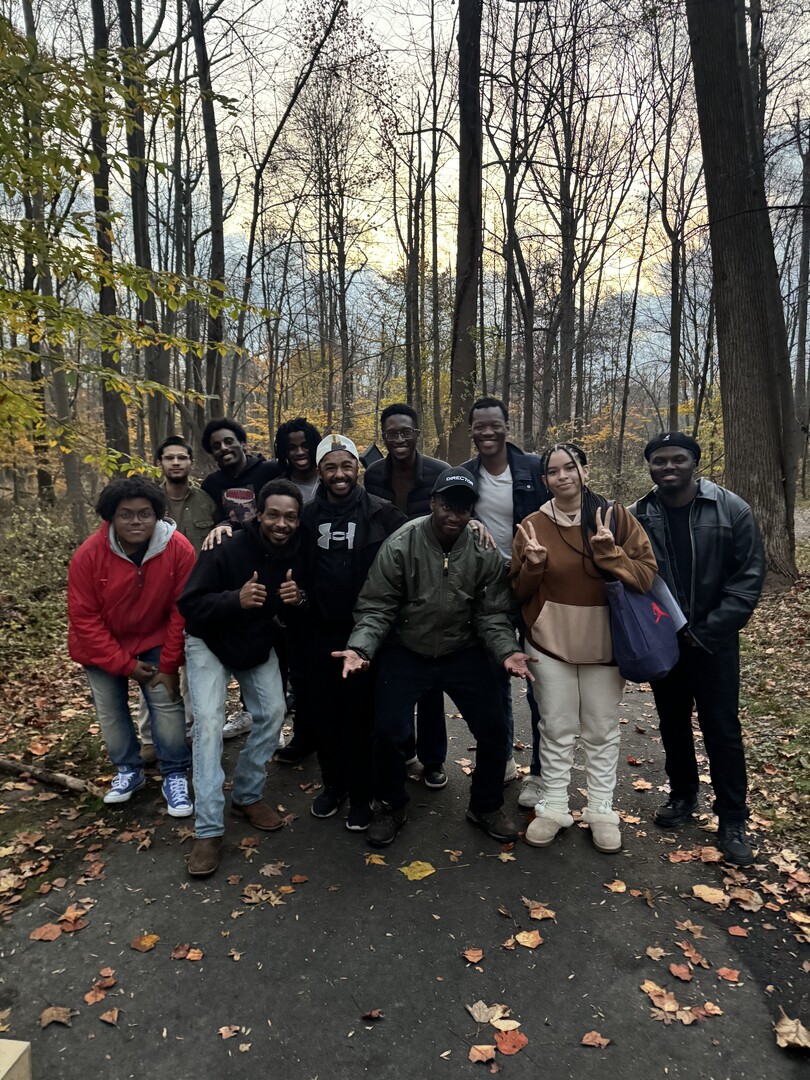
It’s much more than just a film event — it’s a space built on empathy, creativity, and genuine human connection. The way they lead and encourage dialogue makes every filmmaker feel valued.
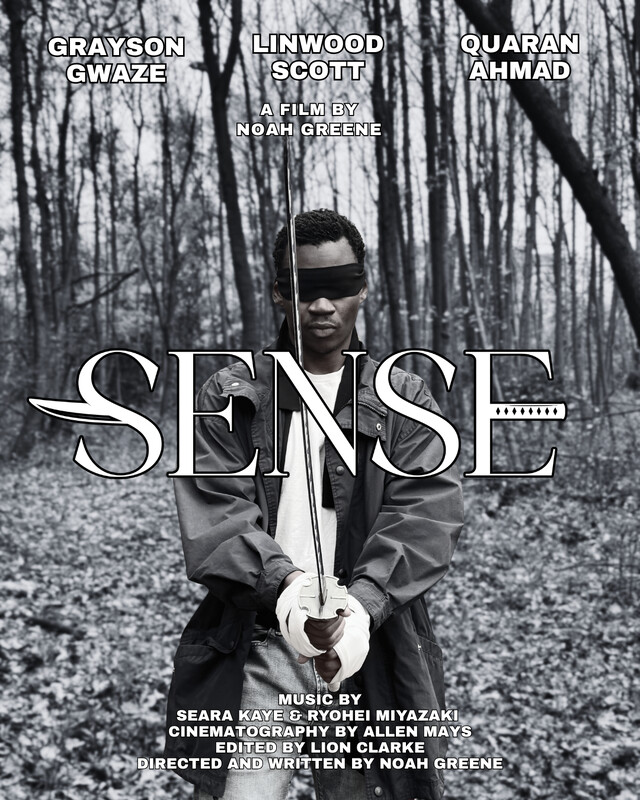
In a post-apocalyptic wasteland where water is the last resource, a blind swordsman with heightened senses becomes the reluctant protector of a desperate young man, forcing them both to fight for survival and hope.
Before a single character speaks, Sense earns its place at the table. An animated title card rendered in calligraphic strokes showcases the story by a hand-drawn, scrappy, alive with intention opener. This action ultimately sets the mythology of a world that burned itself into oblivion. Humanity tore the sky apart. What remained was ash. And from that ash, remarkably, an everlasting forest rose.
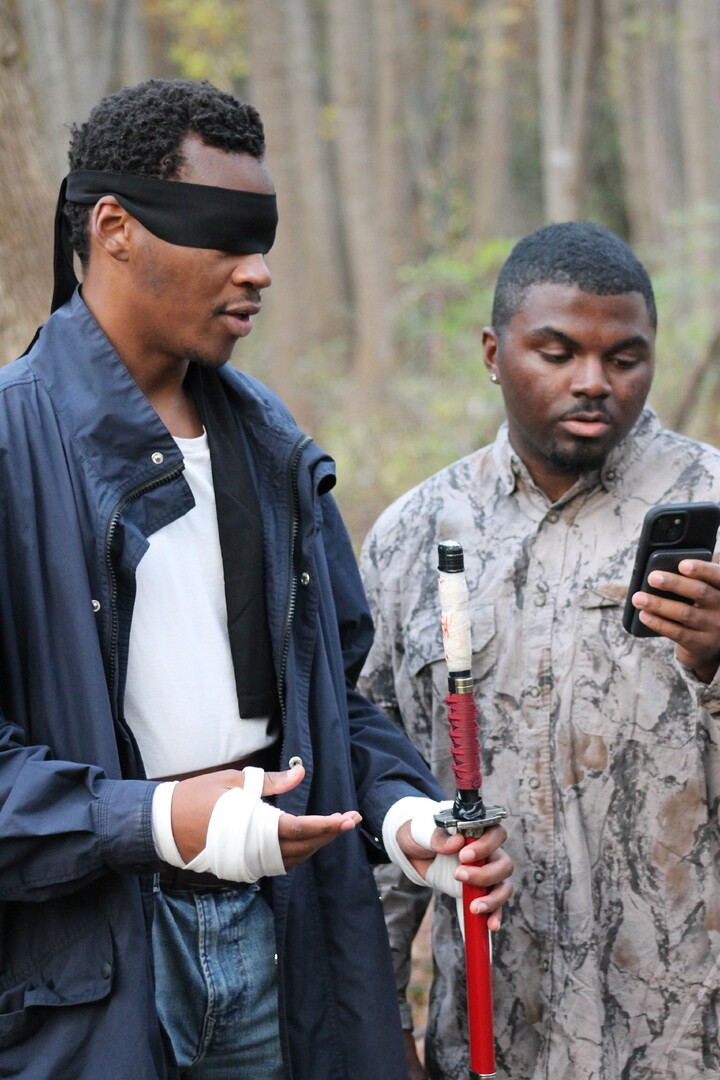
Sense is a story about human responsibility and what it means to protect something precious when the world has decided it is not worth protecting. A blind swordsman stands between the last living forest and the Ravagers who would strip it bare, leaving bodies where they go, not warnings. Into his orbit wanders David, a younger figure still learning the cost of defiance. Their pairing is not incidental: it is the film’s moral architecture. One man who cannot see, yet perceives everything. One who can see, yet understands so little.
A meditation on what we owe the earth and what it may yet ask of us in return.
The thematic resonance runs deeper than its post-apocalyptic genre trappings might suggest. The forest is not merely a setting…it is the last argument for life itself. The Ravagers are a mirror: a portrait of humanity’s most self-destructive impulse, the one that already scorched the sky. The blind swordsman, then, becomes an act of resistance, a figure of reckoning between what was lost and what might still be saved. Bishop carries a necklace close to his chest, pressing it to his lips in the quiet of the blue-lit night, suggesting this duty might not be abstract. The potential for this fight to be personal, exists. This grief could be made into purpose.
The interplay between Bishop and David unfolds with a patient elegance. Bishop sensing a hidden observer purely through the rhythm of breath and footfall is one of the film’s finest moments. It reframes what “sight” means entirely. His perception is not diminished; it is refined into something almost supernatural, a kind of empathy sharpened to a blade’s edge. David, by contrast, is raw material: frightened, reactive, but capable of something the film wisely leaves unnamed until the moment demands it. When he takes the final shot, it leads as a quiet rite of passage.
The soundtrack carries unmistakable Asian musical influences, threading the world-building through sound as much as image. As the tension builds toward the film’s closing shot, the score swells with a weight that lingers well past the final frame. The filmmaker understands restraint is its own form of power. The king observing from a distance in the film’s final beat where he is silent, still, and watching is a compositional choice that transforms a fight scene conclusion into an ominous new beginning.
Sense carries the weight of something much larger already fully formed inside it. What lingers is not the action, impressive as it is, but the quiet in between: a man kissing a necklace in the dark, a boy learning that survival sometimes means community. This is a world worth returning to, and a story that understands the most powerful things are often what we cannot see.
Pip: Festival Reviews has been busy this week — clay spheres bleeding in the dark, hazmat suits in industrial ruins, and a time machine with a hidden agenda. If that's not a Tuesday, I don't know what is.
Mara: festreviews covers a lot of ground here — short films pushing into dystopian and climate territory, screen dramas from noir to documentary, and a look at what filmmakers are saying about the festival circuit itself. Let's start with the shorts that have something urgent to say about the world.
Sci-Fi And Dystopian Shorts
Pip: These three short films share a common pressure: the world is in crisis, and the filmmakers are refusing to let you watch from a safe distance. The question each one asks is how do you make an audience feel the weight of that — not just observe it.
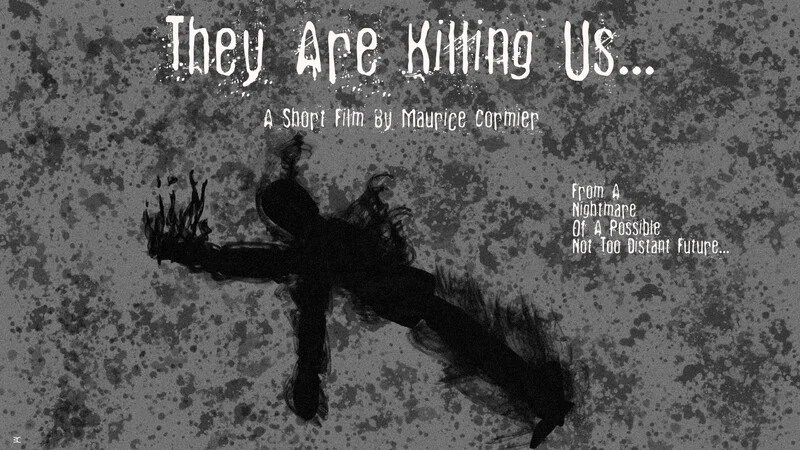
Mara: They Are Killing Us answers that directly. The review describes how Cormier closes the gap between viewer and subject, frame by frame: "The camera implicates extreme close-ups on pools of blood, the steady rhythmic cuts synced to a heartbeat, each visual handcrafted and intentional."
Pip: So the craft isn't decorative — it's coercive, in the best sense. Every technical choice is designed to remove the comfortable distance between the screen and what the screen is depicting.
Mara: And the mixed-media form — clay, paint, layered animation — does something live action can't. The review argues the childlike texture of the medium pressed against the brutality of the content is the film's defining achievement, not a contradiction of it.
Pip: That tension between innocence and atrocity is doing the real work. Project Hazmatic: Dangerous Goods operates in similar territory — a narrator in caution tape and a hazmat suit, a toy house first washed by waves, then set on fire. The world isn't just in danger; it's already burning.
Mara: And First Time Machine approaches the same anxiety from a different angle — an inventor who knows his creation sits in moral grey territory, surrounded by someone who wants to use it for violent ends. The review notes the film functions as "a serious warning that we must consider deeply how humanity can be changed for the better or worse."
Pip: Three films, three different forms, the same underlying dread. Which isn't far from what the dramatic features are working through, just in longer form.
Reviews Of Screen Dramas
Mara: Across features, series, and shorts, this batch of screen dramas is asking what it costs to be human inside a system — institutional, artistic, or moral — that doesn't always reward integrity.
Pip: The Last Reckoning puts that most bluntly. A prestigious attorney and his brother cover up a manslaughter, and when an innocent person is charged, the film forces them — and the audience — to sit with that. The review calls it a modern film noir where "no one can truly get away with murder because someone always knows who is guilty and who is innocent."
Mara: ACT! finds the same pressure in a theatre company ten minutes before showtime. The review's central image is an actor named Oscar moving through the ensemble asking everyone the same question: whether he's a good actor. Imposter syndrome made visible.
Pip: And then the final reveal — there's no audience outside. They perform anyway. That reframe is doing a lot of quiet work.
Mara: Wisdom of Gunung Sewu takes the opposite register entirely — a documentary love letter to a protected karst landscape in Java, where the review describes cinematography that is "incredibly breathtaking." The Taxi Driver one-minute video review and the Your Friends and Neighbors season two clip round out the range here. Slice of Life: Seasons of a Divaman profiles Dr. François Clemmons, the first entertainer of colour on a national children's show, whose lifelong goal the review describes as simply wanting "to make the world a little brighter."
Pip: From karst caves to backstage chaos to Mister Rogers' neighborhood — the festival circuit really does contain multitudes. Speaking of which, filmmakers are also speaking up about the circuit itself.
Festival Testimonials And Winners
Mara: This segment is about what the festival experience means to the people making the work — and the May 2026 European Short Film Festival winners give a concrete picture of what that looks like at its best.
Pip: Five audience awards, five very different films — Sanguis, based on a fake story, One Love, DOCPOL-1 Nation 4 Cities, and A Cold Winter Afternoon — ranging from psychological horror to a forty-two-minute journey through Polish cities. That's a wide net.
Mara: And the testimonials from filmmakers across several festivals reinforce why that breadth matters. The Female Feedback Festival submission puts it plainly: "As a first-timer I truly appreciated all of the encouragement and support from the festival, including the wonderful supportive materials they make available beyond the screening."
Pip: The WILDsound testimonial makes the same point from a visibility angle — screening, review, podcast, audience feedback all working together to get more eyes on the film. The Experimental, Dance and Music Festival testimonial, the Thriller/Suspense testimonial, and the Chicago Feedback five-star review all echo that: what filmmakers want is engagement, not just a slot.
Mara: The festival as a conversation, not just a competition.
Pip: Clay spheres, karst mountains, and imposter syndrome backstage — it's a strange through-line, but it holds. Everything here is about what it costs to make something and put it in front of people.
Mara: And whether the people on the other side are actually paying attention. That question doesn't go away. More to come next episode.
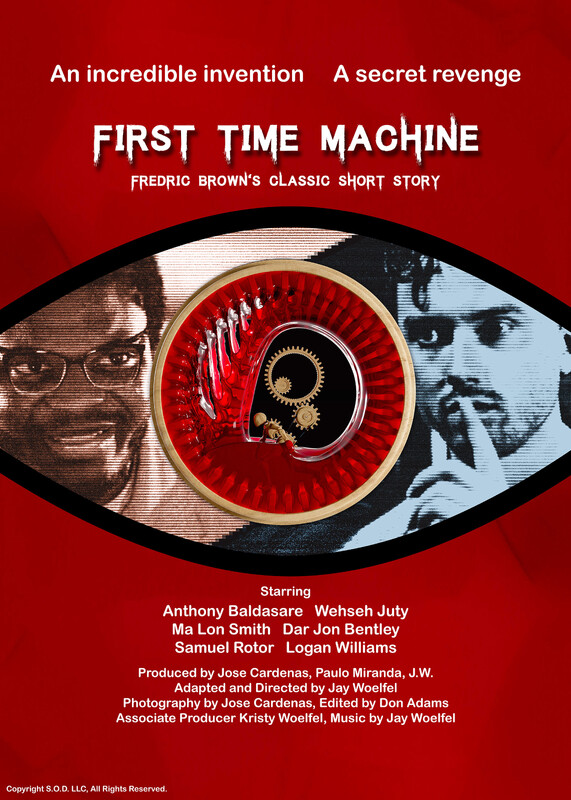
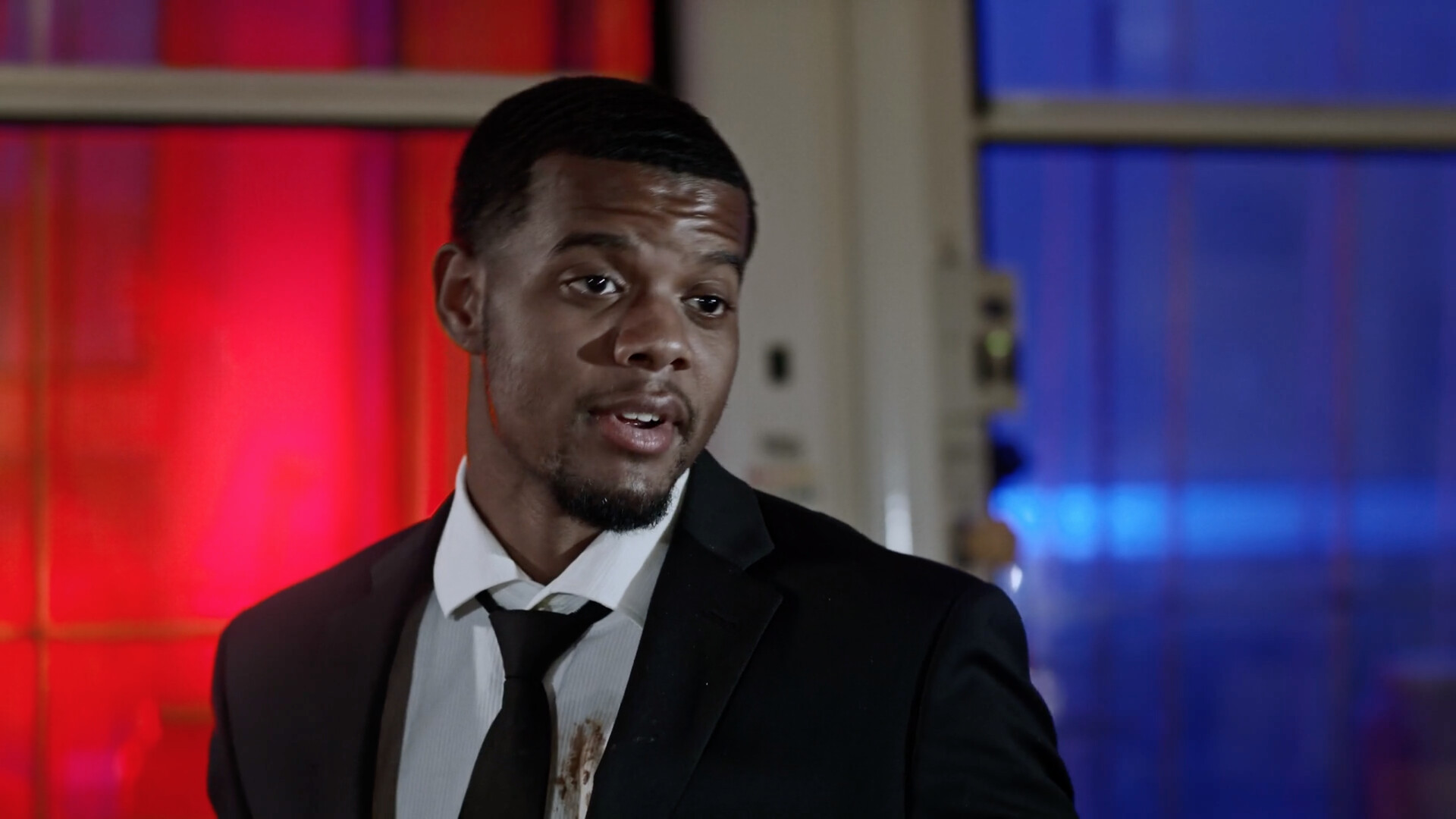
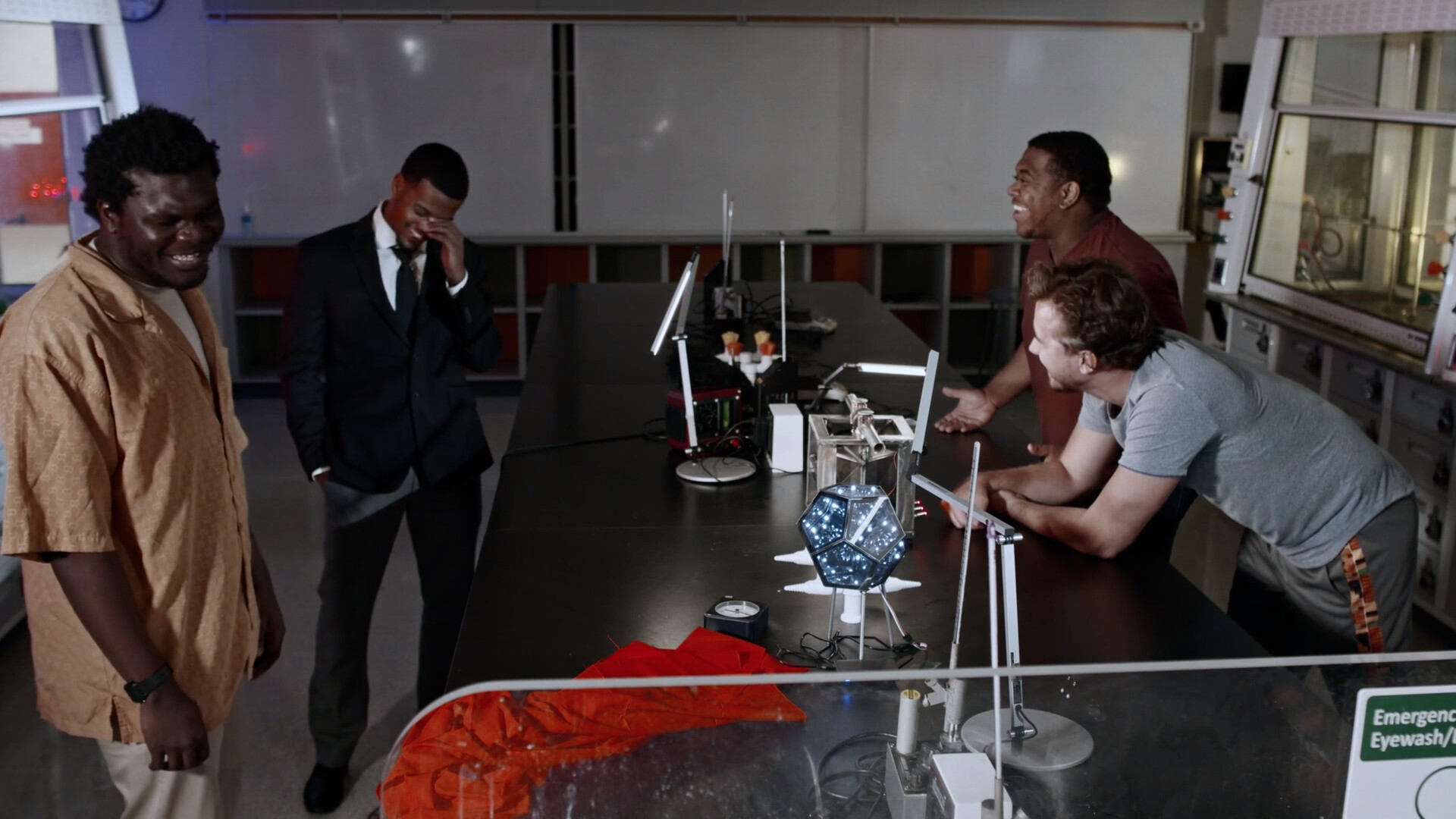
African American scientist, Dr. Grainger gathers his closest friends to show them his new invention: the world’s first time machine. However, one of his friends has hidden and dangerous intentions for traveling back in time. An adaptation of the classic sci-fi short story by Fredric Brown.
First Time Machine is a short film that explores the consequences, positive and negative, of what could happen if people succeed in creating this commonly imagined invention addressed in many science fiction narratives. The four main characters come to terms with the option of going back in time. Their discussion creates an ominous tone as the ethics behind the invention is addressed.
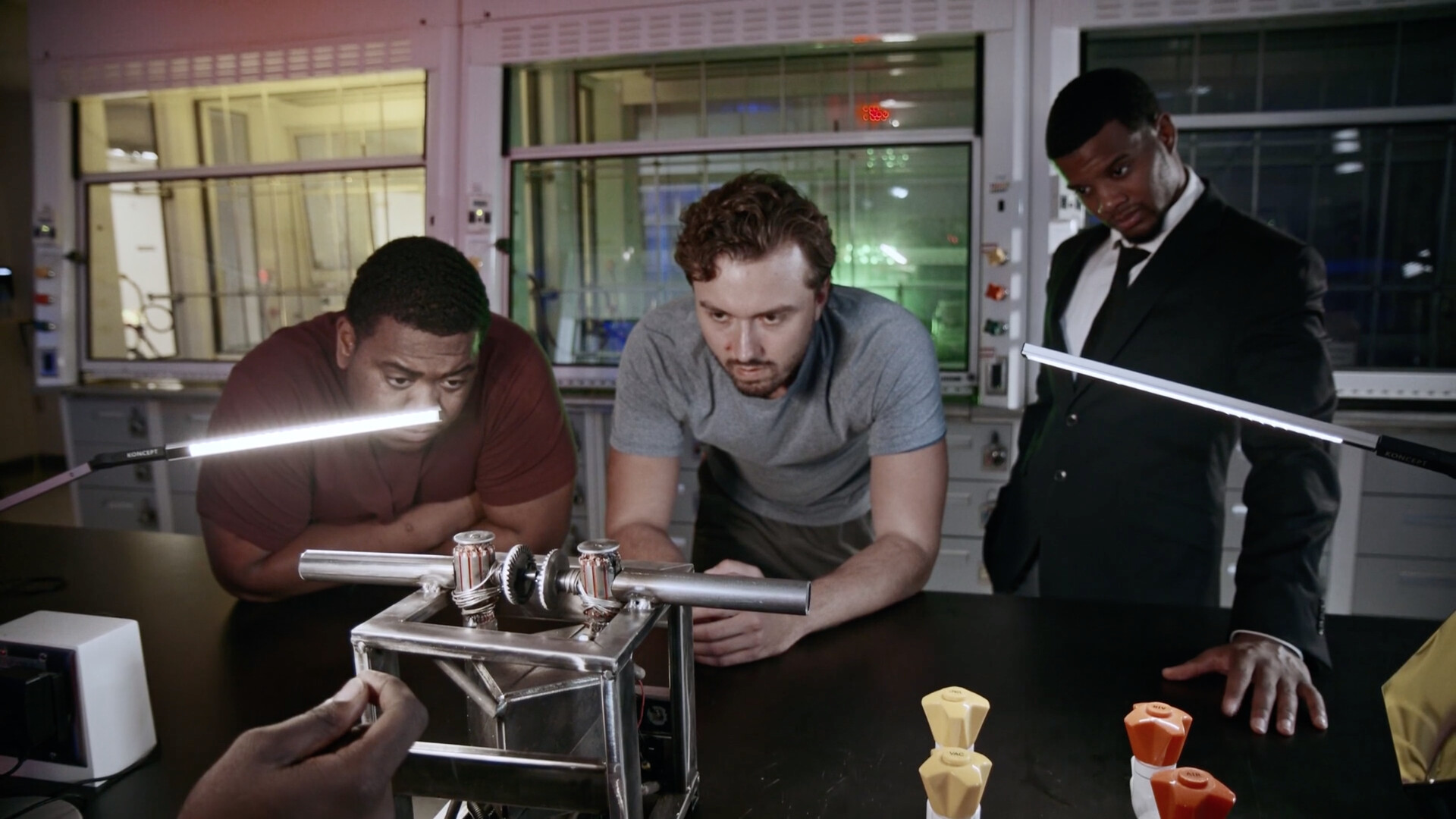
The unknown can often be frightening, especially when playing with time and space. While the lead actor playing the inventor effectively portrays a man who is intensely driven, he also reveals that he is aware of the moral greyness of his creation, and that it should only be used to better humanity. Another actor playing the friend of the lead convincingly reveals that he has other ideas and strives to change history in a forceful, violent way.
The explanations in the screenplay regarding the use of radiation for time travel are brilliant. The writer obviously has an intelligent, scientific mind to create such a story. The cinematography is also visually stimulating, with extreme close-ups of illuminated switches and circular neon rays, and the use of rapid pans of the high-tech lab setting. The stylish and fearsome orchestral music drives this exhilarating piece. If an invention of this sort ever becomes reality, this film serves as a serious warning that we must consider deeply how humanity can be changed for the better or worse, given the potential for dangerous, unexpected results.
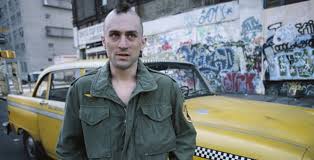
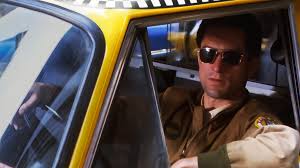
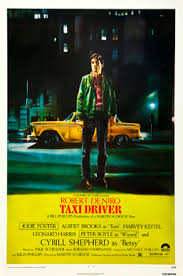
Matthew Toffolo does a 1 minute review on the iconic film from 1976.
Directed by Martin Scorsese
Written by Paul Schrader
Starring Robert DeNiro
Go to http://www.wildsound.ca and watch the best of NEW movies from around the world today. Sign up for the FREE 3-day trial. A new film festival occurs daily.
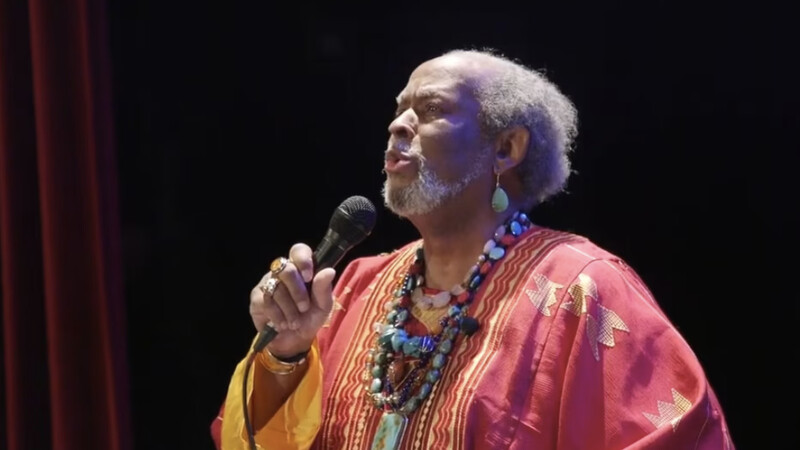
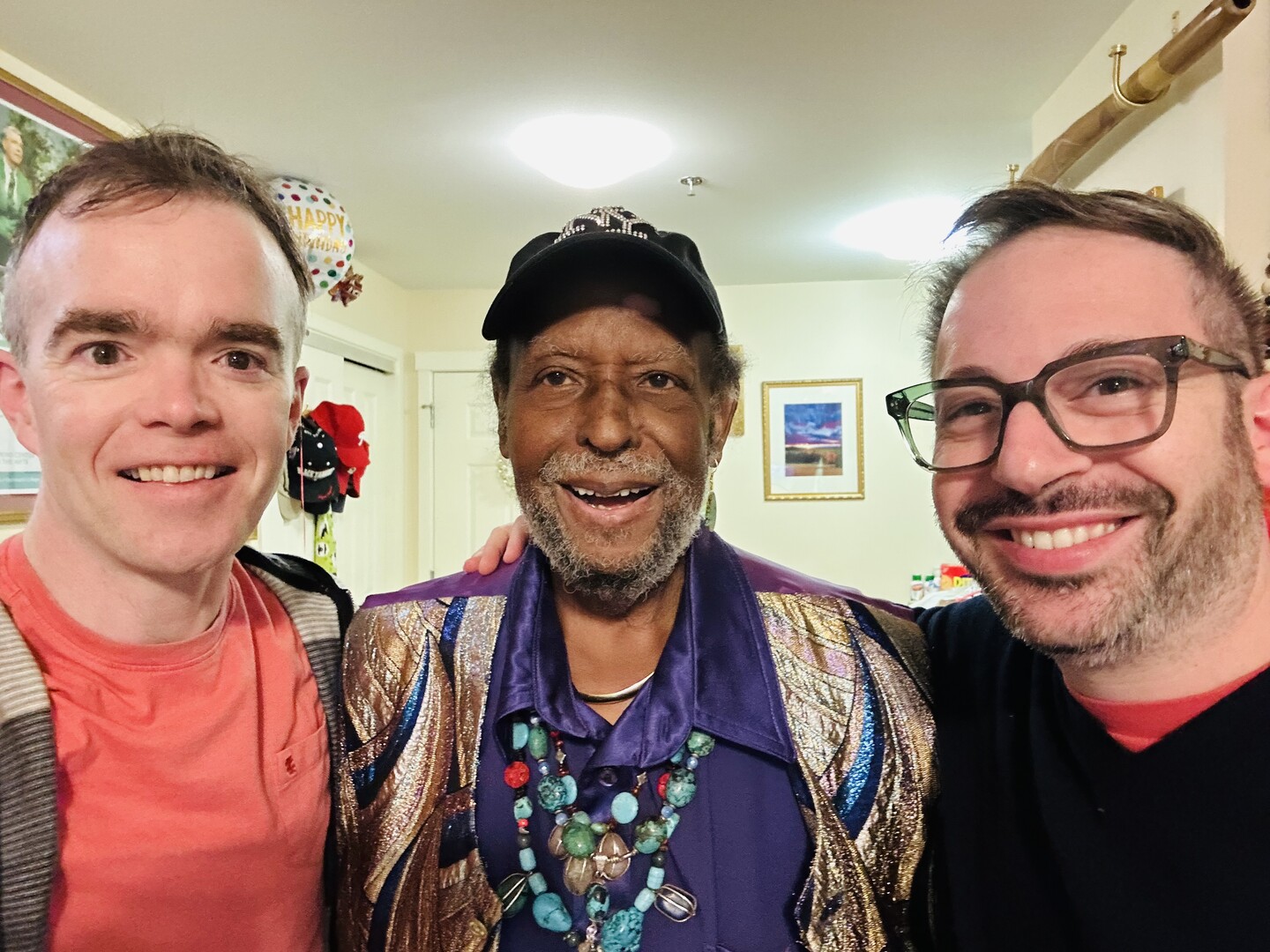
On the precipice of his 80th year: The ever-fabulous Dr. François Clemmons, who “never met a stranger” after 25+ years playing Mr. Rogers’ Neighborhood’s (closeted) singing police officer, found himself braving a harsh winter. This docu-short (part of an ongoing, anthology, docu-series) is a celebration of Dr. Clemmons’ work, life (including his retirement in VT) and perennial spirit.
A part of an American series, Slice of Life, this fascinating episode is entitled Seasons of a Divaman. This Divaman is also known as Dr. François Clemmons, the first entertainer of colour to be featured on a national children’s show, the wildly popular Mister Rogers’ Neighborhood.
This show began in the 1960’s when racial tensions were incredibly high in the USA. Despite these tensions, when he was blatantly exposed to racism, he was able to rise above to be a beloved artist and personality in his own right.
The interviews of those who have interacted with him show how deeply moved they are by his dynamism and vocal talent. Archival photos of his work on Mister Rogers’ are lovely to see, but also are the more recent, well-edited clips of him singing his wonderful spirituals.
What incredible range and passion as he informs the world of the connection between “those who need it most”. His lifelong goal is clearly expressed in the episode: to make the world a little brighter. His warmth and charisma are strikingly apparent, and it is no surprise that he wants the phrase “You never met a stranger” to be written prominently on his gravestone.
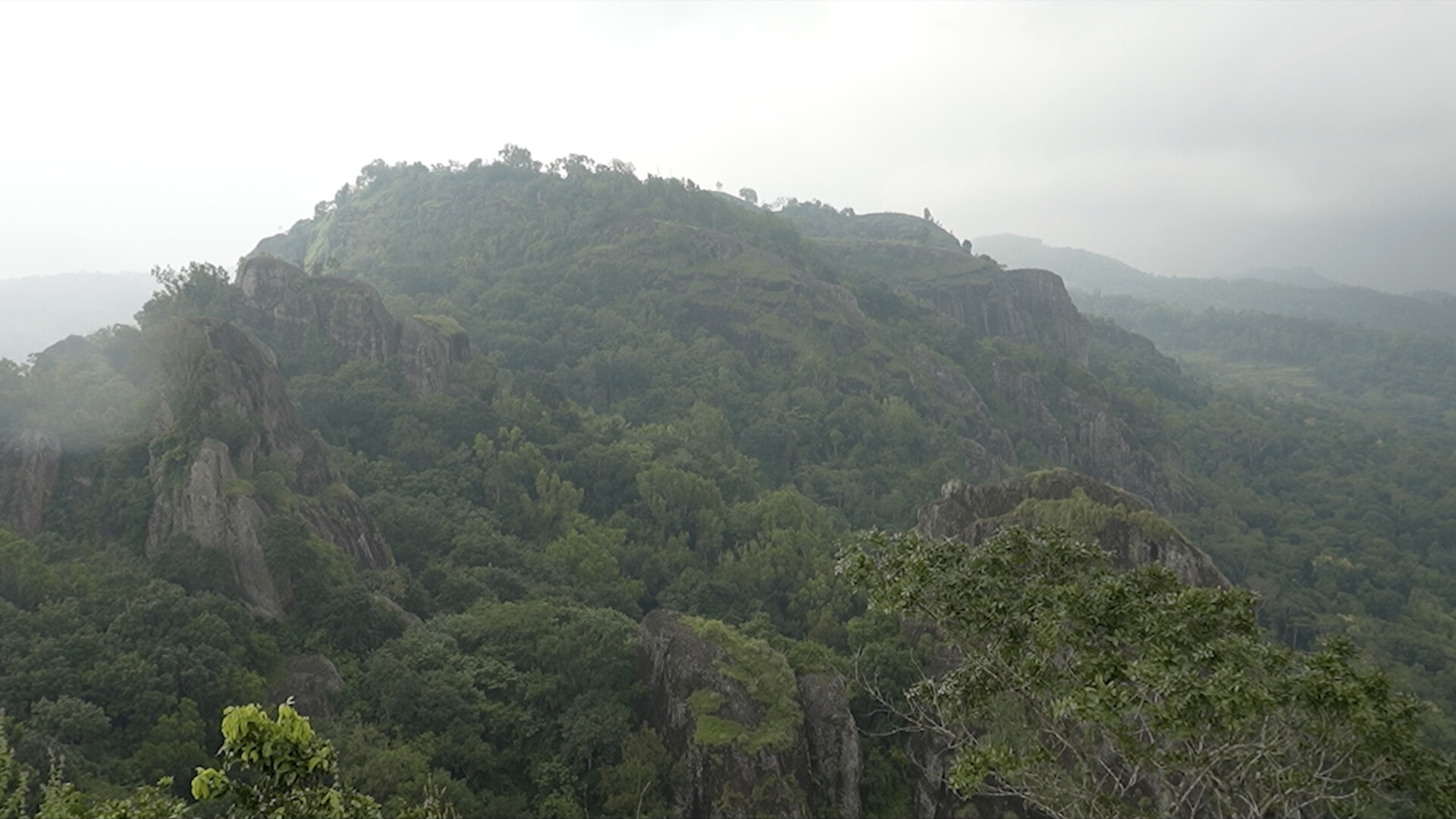
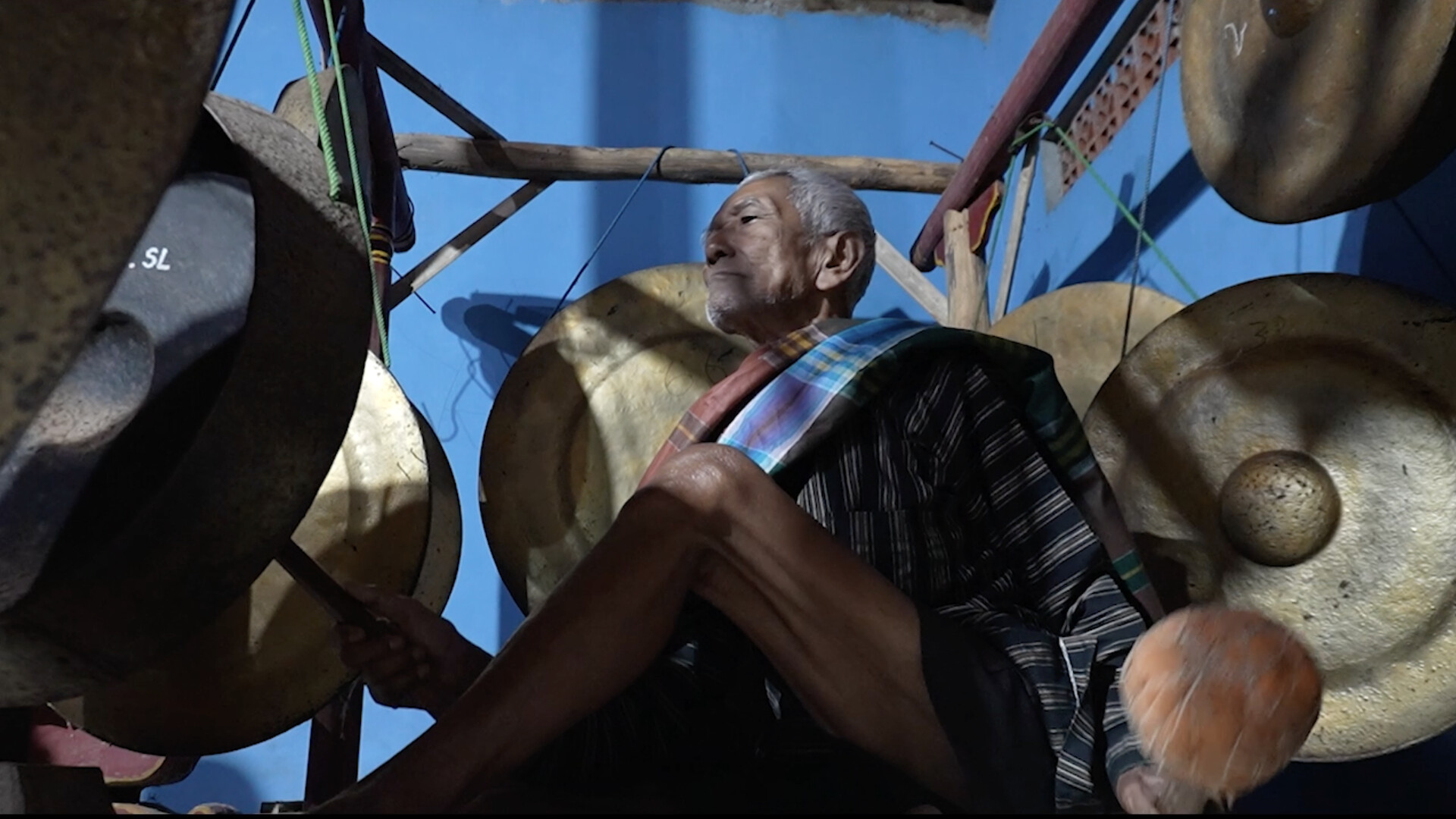
In the karst landscapes of Gunung Sewu (the thousand mountains), where limestone hills meet the southern sea of Java, a way of life unfolds in close relation to the land, where gestures, rituals, and songs sustain a shared rhythm of existence, shaped by long-standing cosmological understandings.
Review by Andie Kay:
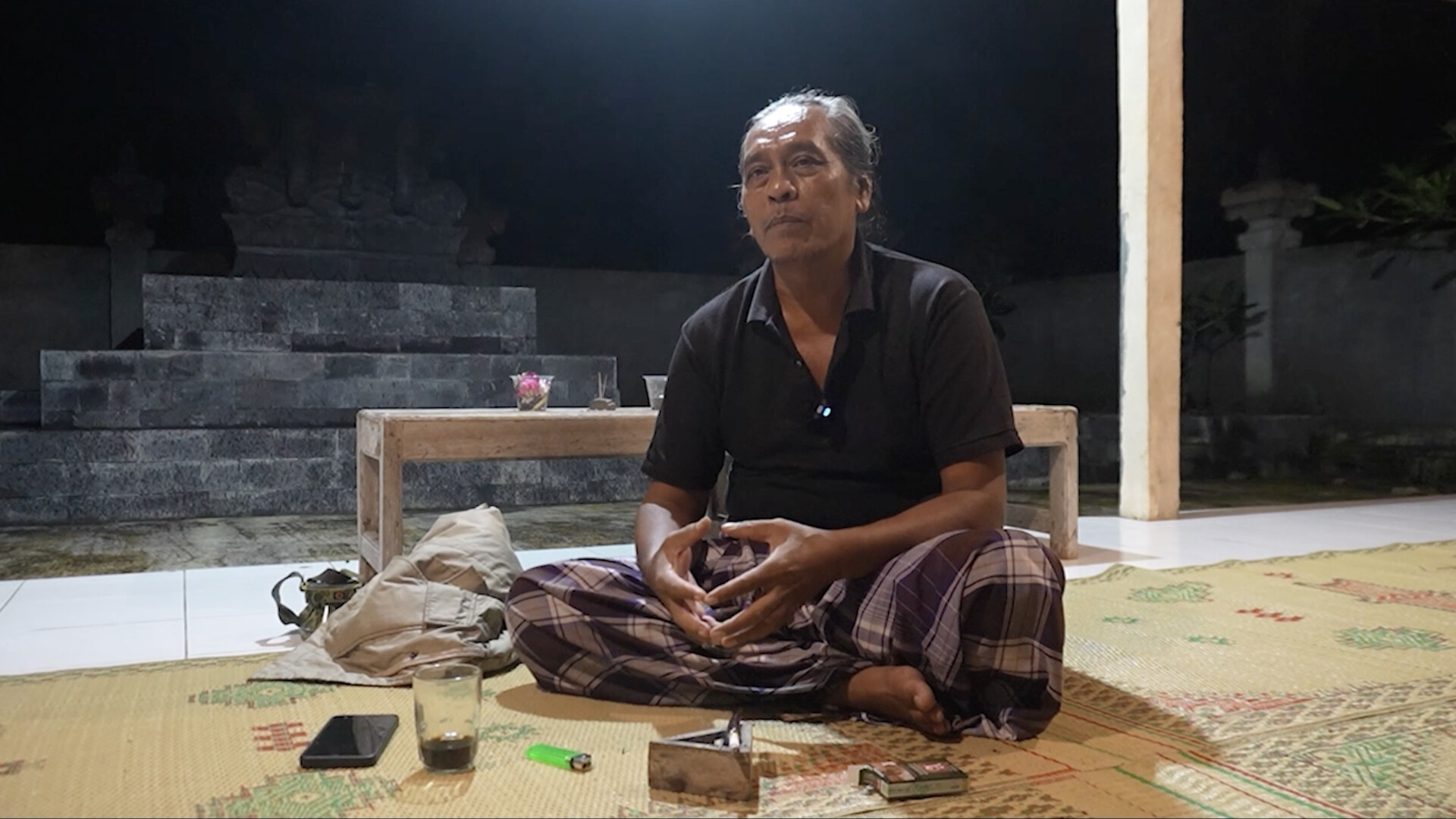
Writer/Director Ira Setiawati creates a love letter to the Gunung Sewu (aka The Thousand Mountains). This beautiful landscape on Karst Global Geopark is protected by the United Nations. The local culture, traditions, ceremonies and celebrations that are captured show how man and nature can live in harmony.
The cinematography from Bagus Wongso is incredibly breathtaking and the rock colors inside the sacred caves were really mesmerizing. Even some of the still photography showing how to access the caves was incredible. Getting the opportunity to listen to the speakers; Ribut Subranto, Irianto, and Guntoyo was interesting and educational.
Marvelous job editing this film to give the viewer a complete understanding of the Gunung Sewu and how vast and beautiful it is.
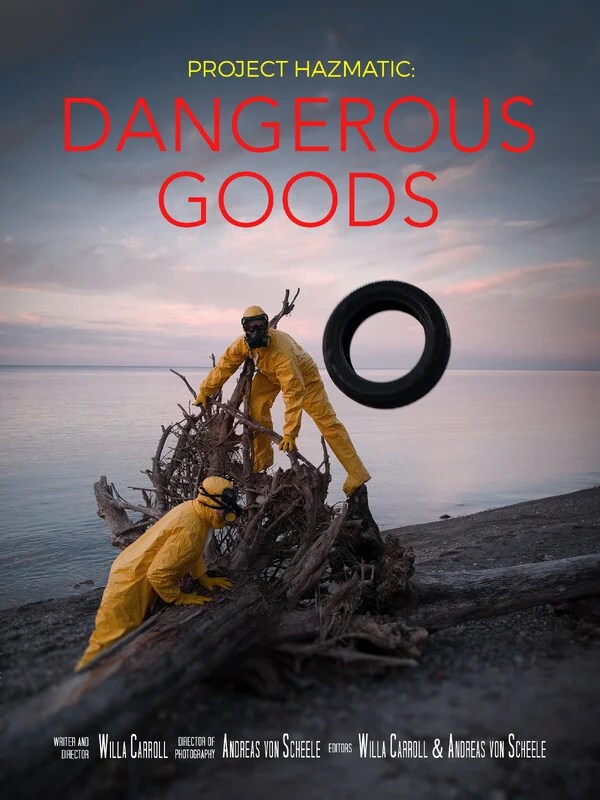
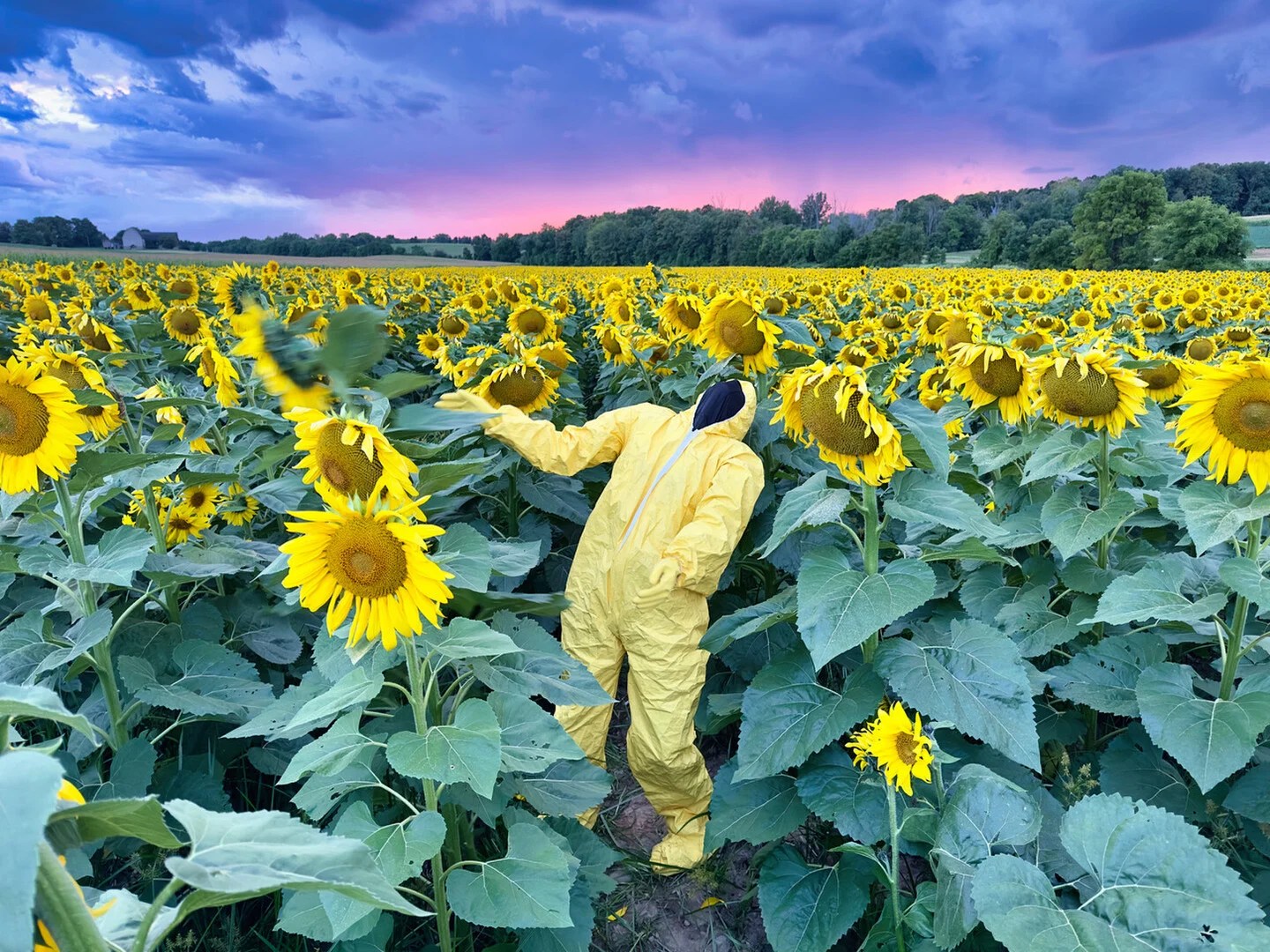
Hazarding a guess at our planet’s imperiled future, Project Hazmatic: Dangerous Goods, hovers between cataclysmic hymn, ecstatic elegy, and absurd ritual. Clad in bespoke hazmat suits, eco-voyagers cavort through industrial ruin and wild splendor. In a fever dream of climate crisis and toxic onslaught, individual and collective grief transforms.
The poetic documentary, PROJECT HAZMAT: DANGEROUS GOODS, is an artistic exploration of the toxic materials used to hurt the climate and people themselves. The narrator’s voice is calm, but still proves a point through the subtle metaphors depicted on screen.
The narrator’s voice proves the point of hazardous materials on the whole environment without ever raising it an octave. The story shows how through the history of the poet that this person has seen devastation in person. She has seen it through her father and through the sites that she has visited in her own life. This isn’t an unbiased person that has watched the news, but someone who has lived it and is begging people to listen from a person with experience.
The metaphors shown on screen also are in contrast with the soothing voice, something that only adds to the film’s artistry. The person on screen begins with wearing caution tape and a red wig, a symbol of the danger that the world is in if we don’t change trajectory. The person switches to a hazmat suit, which suggests it is already too late but we still have the opportunity to clean up the previous messes. The words describing the narrator’s father are bleak, showing what exactly can happen to the human body when the same materials destroying the planet are encountered without the proper equipment for cleaning up.
The film’s most striking visuals don’t come from the person on the screen, but with the objects depicted on screen. The topic about the names of storms is shown as a toy house washed with waves, later the same house is on fire as the mention of other catastrophic events are described. This suggests it is not just that the world is in danger, but it is on fire.
If someone is interested in learning about the effects of climate change without being preached at, the PROJECT HAZMAT: DANGEROUS GOODS would be a great place to start because this film doesn’t preach, yet it still packs a punch with the delivery of describing the events through powerful metaphors.
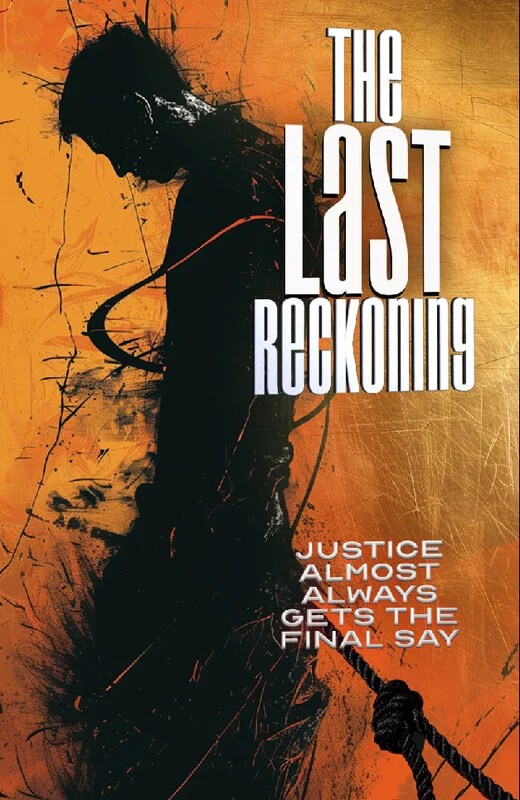
A prestigious attorney colludes with his impulsive brother to hide a manslaughter, but when an innocent is charged, their plans spiral out of control, leading to moral reckoning and inevitable judgment.
The feature film, THE LAST RECKONING, is an intense story that uses expert storytelling to take the audience on thrilling mystery from beginning to end. The film begins with a girl taking a snake ring off an unknown murdered man, she is dirty and the first question is if this man’s victim or if there is something more at play. The film unwinds to reveal that there is always more to the story.
This film answers the question if criminals have a moral code, when they have to question their entire world after an innocent person is arrested for the murder they committed. The story takes cues from classic Hollywood films, interweaving the plot into a modern depiction of a film noir. Many films today seem to have clear cut good guys and bad guys, but THE LAST RECKONING will have the audience questioning the motives and reasonings of the murderers where their humanity will be seen over the crime and framing of an innocent person.
The intense plot is only enhanced by the limited locations depicted through the film. The majority of the story is in one house, with only a handful of scenes depicted outside this location. This helps add to the psychological drama that drives the story because each person is forced to deal with the consequences and if it is worth it.
The film wraps up nicely with the final revenge, again going back to the way films used to be written. The moral code is questioned, but it still proves that no one can truly get away with murder because someone always knows who is guilty and who is innocent. THE LAST RECKONING is a must watch for anyone that loves the feel of classic films and is looking for a film that will make everyone think about the thin gray lining between good and bad.
They Are Killing Us declares its intentions with an utmost unflinching clarity. This is not a film that eases the audience in. This is a short drawing from the living archive of human atrocity; intertwining the use of audio, claymation, and layers of mixed-media animation into something that feels like an alarming notice. Filmmaker Maurice Cormier showcases what we are about to experience is not abstraction. These are events happening in real time, in the present state of the world. The screen is no longer a safe distance to live.
A sphere of orange clay suspends in darkness. In fact, it pulses. The camera moves toward it in rhythmic cuts, closing the gap between the viewer and the violence with each heartbeat. When the sphere is sliced and blood begins to seep through its cracks, the metaphor needs no translation: this is a world bleeding. This is the earth as a body. This is humanity at its core.
The violence and innocence intertwined is where the groundbreaking imagery lives.
The choice of clay is childlike in texture and innocent in its associations. This sits in deliberate tension with what social commentary it is made to depict. Orange, is the color of decay and warning, bleeds across the canvas in layers of spray paint until the frame itself is consumed. This is a visual argument for saturation: the world has absorbed so much violence that it can no longer contain it. Cormier understands the medium is the message. Animation, particularly in this hand-crafted form, grants access to the unbearable. This artistic choice allows the filmmaker to go where live action cannot.
The film’s structure is cumulative and relentless by design. A god-like figure enters who is imposing and unclear of intentions. However, is put down by gunfire before the eye can fully register him. Limbs fall. Bodies wrapped in gauze populate the frame in rows of pure death and decay. A human silhouette crosses the screen engulfed in flame, then falls. Couples burn in each other’s arms. The sphere, now split, reveals muscle-like tissue connecting its severed halves. This is the final image of a world torn apart but still, grotesquely, holding on. And then the heart monitor flatlines.
By the time you realize you are only three and a half minutes into a five-minute film, Cormier has already accomplished something remarkable: he has made the viewer feel the exhaustion of living inside an ongoing catastrophe. The pause you take to breathe is not incidental. It is the film working exactly as intended.
The audio is the film’s spine. Screams that may well be real, gunshots that accumulate past the point of shock into something closer to demise, and a sound design that scratches at the nervous system. Cormier leads the viewer’s distress entirely through sound. The design is deliberately, masterfully uncomfortable.
The mixed-media approach between the use of clay, paint, and layered animation is not simply stylistic indulgence. This is the precise tool the subject demands. This range of texture and form is what allows a film this unflinching to be experienced rather than merely endured.
The camera implicates extreme close-ups on pools of blood, the steady rhythmic cuts synced to a heartbeat, each visual handcrafted and intentional. Every compositional choice narrows the distance between screen and viewer. Cormier puts you directly in the shoes of those undergoing the violence, and he achieves this with precision.
The childlike quality of the medium pressed against the enormity of its subject creates a dissonance that is the film’s defining achievement. They Are Killing Us is not an easy film. It is not meant to be. It is a call to awareness in the form of a five-minute confrontation. This short intrudes with violence until it ultimately flatlines, leaving behind the question it has been asking all along: what are you going to do about it? Maurice Cormier has made something visceral, necessary, and genuinely haunting. The innocence of its form and the brutality of its content are not in conflict. That tension is the point. That tension is the film.