1997 Movie Review: SCREAM 2, 1997 (dir. Wes Craven)


AWAY WE GO MOVIE POSTER
SCREAM 2, 1997
Movie Reviews

Directed by Wes Craven
Starring: Neve Campbell, David Arquette, Courteney Cox, Jada Pinkett Smith, Omar Epps, Liev Schreiber, Sarah Michelle Gellar, Jamie Kennedy, Jerry O’Connell, Laurie Metcalf
Review by Matthew Toffolo

SYNOPSIS:

It has been two years since the tragic events at Woodsboro. Sidney Prescott and Randy Meeks are trying to get on with their lives, and are currently both students at Windsor College. Cotton Weary is out of prison, and is trying to cash in on his unfortunate incarceration. Gale Weathers has written a bestseller, “The Woodsboro Murders,” which has been turned into the film, “Stab,” starring Tori Spelling as Sidney. As the film’s play date approaches, the cycle of death begins anew. Dewey Riley immediately flies out of Woodsboro to try to protect Sidney, his “surrogate sister.” But in this sequel to the 1996 horror film, the number of suspects only goes down as the body count slowly goes up!


REVIEW:

TRIVIA: Scream 2 actually beat Titanic at the weekend box office when it opened in December 1997. Titanic then went on to go #1 at the box office everyday for straight 5 months and eventually became the biggest grossing film of all-time. But, Scream 2 can say that it topped it when it went head to head.

Going back and watching this Scream sequel really got me very nostalgic. I remember sitting in the theater with my friends and really giving live play by play commentary of the film while it was happening. This is just one of those films. Of course now I hate it when others do this at it happened to me during a screening of My Bloody Valentine as people were talking so much, I couldn’t pay attention to the movie. But when you’re in your early 20s, you tend to be a little selfish. So I apologize to all the people who were sitting around us during the screening. We were jerks.

Scream 2 is one of those films that is probably more suited for a home viewing than watching it in the theater. It’s a campy film and you really can’t take it all that seriously. That said, the storytelling and characters are done well so you are definitely into the ‘what’s going to happen next’ feeling. You are definitely emotionally involved while you also get many of the wink-wink jokes during the climatic moments. The original Superman films are like this too. One moment of action leads to another moment campy comedy. Someone getting killed leads to people sitting around and chatting about horror films and their cliches. This is a film that is many things to many people. It’s a horror, a thriller, a crime movie, a mystery and most definitely a comedy. A hard thing to pull off but director Wes Craven really found the original tone that was in the script and put it on screen. Him and writer Kevin Williamson created a new movie recipe and they succeeded all the way to the bank.

When watching this film I was also surprised of all the actors who are household names or actors I respect that I completely forgot was in the film. Jada Pinkett Smith and Omar Epps play the two characters that ‘open’ the film like Drew Barrymore did in the first film. They play up how Horror films are a white man’s genre and you never see black people in the movie. As soon as you see then on screen, you know they are doomed. Craven and Williamson were pointing out to the world that they are not prejustice and even blacks can get killed in the movies. And they aren’t the killers.

Heather Graham, Luke Wilson and Tori Spelling play the ‘movie’ versions of the characters in Scream. A great campy plot as we jump into a film within a film. Luke Wilson especially was hilarious to see as at the time he was just an actor starting out and had only one credit on his resume.

Sarah Michelle Gellar, who was just getting going in her Buffy TV show, appears as well in a great ‘stab’ scene. So does pre-Dawson Creek’s Joshua Jackson who was also just starting out in the biz. Portia de Rossi and Rebecca Gayheart play the sexy sorority sisters. Jerry O’Connell plays Sidney’s boyfriend (who has an extremely awkward Top Gunish music scene in the school cafeteria) who could be the killer. And Liev Schreiber, who really only had a cameo role in the first Scream film, plays the obnoxious but charming Cotton Weary. You can tell in this role that Schreiber had something unique as he could change from sexy to scary in one emotional beat. And was an actor who definitely had a big future ahead of him.

And then there’s Timothy Olyphant. An actor I had no idea was in the film. I loved Olyphant in his role in the HBO series Deadwood. When he’s not donning a mustache, he’s a very creepy looking character. And because of that he sort of tips the hat of the film’s conclusion. Or perhaps not because he seems to be the obvious killer.

Of course this again is Sidney’s (Neve Campbell), Dewey’s (David Arquette) and Gale’s (Courteney Cox) film. Sidney is you classic main character. Strong, determined, vulnerable and haunted by past events. Arquette and Cox have fantastic on-screen chemistry (and off-screen too as they are married) and seeing that in the first film, the creators I’m sure made sure they had a lot of screen time together in the 2nd film. They are almost like a comedy team with a little romance mixed in. The geek and the princess.

Courteney Cox’s roles in these films should be pointed out as she is remarkable. If her performance doesn’t work, then the film doesn’t. We have to view Gale as a bitch with an agenda but also like her a great deal too. Her character too in Scream 2 also has the biggest emotional arcs happening. She’s the one who’s changing the most from the beginning to end.

Campbell’s role could be categorized as almost boring as it’s hard to find a storyline for her that wasn’t done in the first film. She delivers an almost thankless performance because she has after all the only ‘non sexy’ role in the film. She’s sexy but the role she plays is the role of the straightman. She must act in a thriller genre to keep the overall tone of the movie intact while all the other roles get to play it up and be campy. Sidney is the straw the stirs the drink of the movie and these type of roles can get forgotten. But if you don’t have it played well, then you don’t have a film.

Scream 2 also plays up on the sequel film. It asks the question of what sequel was better than the original in movie history. And ‘wink-wink’, is Scream 2 better than the original? Not really but it’s not bad.

SCREAM 2, 1997

1997 Movie Review: FACE/OFF, 1997

FACE/OFF, 1997
Movie Reviews

Director: John Woo

Stars: John Travolta, Nicolas Cage, Joan Allen, Alessandro Nivola, Gina Gershon, Dominique Swain, Nick Cassavetes, Colm Feore, Colm Feore, John Carroll Lynch

Review by Matthew Toffolo

SYNOPSIS:

A revolutionary medical technique allows an undercover agent to take the physical appearance of a major criminal and infiltrate his organization.

REVIEW:

There is a creepy feeling when watching Face/Off. The main theme of this action packed drama is about dealing with loss and death as Travolta’s character is having an extremely difficult time getting over the murder of his son. Of course fiction became truth later on as Travolta lost a son in real life. So when you’re watching these scenes you can’t help but feel for the real life actor who is crying on screen for his son’s loss, even though it hadn’t happened yet.

I remember when this film came out in 1997 and how much I enjoyed it as a 20 year old kid. My friend Wes Berger and I were what you call teenage idealistic film buffs as we used to go to the movies weekly and see as many foreign and independent movies as we could living in the Niagara Region. To some we were also film snobs, looking down on all of the shoot em up blockbusters that were beginning to hit its peak. But we weren’t ashamed to admit that we both liked Face/Off enormously because it seemed to have a nice psychological edge to it while filled with incredibly unrealistic but exciting action moments.

This was also the time when both Travolta and Cage were at their peaks professionally. Cage in particular was coming off his Oscar win for Leaving Las Vegas as was considered one of the best actors on the planet. That comment seems kind of silly in present day, as Cage is considered kind of a hack, as he continues to do about 3-4 poor films a year. In 1997 Cage had his whole career ahead of him and was in considerable demand in Hollywood. So having Travolta and Cage in this action romp in 1997 caused a lot of attention for me and my friendly film snobs. Perhaps John Woo’s film was more than just blow em up!

There are some interesting moments in Face/Off as Woo sure is a fine director who makes a lot of unique choices to heighten the excitement and emotions in the film. The only thing I remember talking about with people afterwards was the key question – Was Cage better at playing Travolta? Or was Travolta better at playing Cage?

Questions like this is what 20 year olds growing up in the Tarantino generation discuss. Even though in hindsight these are wasted conversations, at the time I do remember having fun with it. My friend Wes was on team Cage as I was on team Travolta. And the circle talk of meaninglessness began for hours on end. Both actors really chew up the scene as they seem to be acting in a strange land of over-the-top-ness while the other actors around them are grounded in reality. The performance of Travolta’s wife (who became Cage’s wife but was actually Travolta – it was confusing!) in particular stands out. Joan Allen pulls off a fantastic performance in the film without anyone really realising it. I remember even at age 20 how pulled in I was by her character. Perhaps today that role would of went to some 30s supermodel who would only be capable of just playing the beats in the script and nothing more.

Face/Off is a fun film even today as I really was impressed how much it stands up. That same year Cage acted in another action film, Con Air, that really doesn’t stand up at all and is almost laughable in its action executions to today’s 21st century world.That says a lot about John Woo. In Face/Off, Woo directs all of the action sequences with the emotions of the character’s angst and inner conflicts. So when Travolta for example is involved in a boat chase with Cage, we as the audience are hooked in because we just previously saw a scene of his struggles to survive the pains of his son’s death. So there is context in the action without just having the action. So his films hold up generation after generation because we feel while the guns are a blazing across the screen.
face off

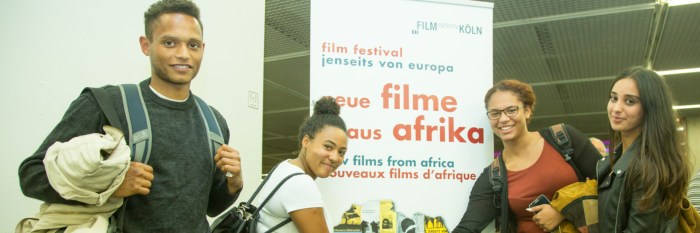
Interview with Co-Founder Karl Rössel (AFRIKA FILM FESTIVAL)

AFRIKA FILM FESTIVAL KÖLN
1992 – 2015: 25 years of Films from Africa in Cologne/Germany

THE FESTIVAL:
FilmInitiativ Köln e.V has been organising the AFRIKA FILM FESTIVAL KÖLN since
1992 in Cologne/Germany. In 25 years more than 750 films from 40 African countries have been shown and the cinema-goers had the opportunity to get to know more than 160 filmmakers.

The AFRIKA FILM FESTIVAL KÖLN presents the most comprehensive range of
contemporary African cinema in Germany. As a result, the festival has grown in
national and international stature during the years.

In preparation for the Cologne festivals FilmInitiativ has regularly attended the panafrican film festival FESPACO in Ouagadougou, the capital of Burkina Faso. FilmInitiativ has also attended African film festivals in Durban, Tunis (Carthage), Rabat and Cairo, as well as those in Milan, Amsterdam, Leuven, Tarifa/Cordoba and Frankfurt a.M. Special programmes featuring films from Africa that are screened at international film festivals, such as Cannes, Berlin, Rotterdam, Venice, Locarno, Toronto and Innsbruck, are also reviewed and evaluated for the Cologne festival.

FilmInitiativ offers information about all films and guests that were presented at the festivals in Cologne via a database in three languages on the website:
http://www.films-from-africa.com

The 15th edition of the festival will be held from September 21 to October 3, 2017. It will mark the 25th anniversary of the festival.

Contact

Matthew Toffolo What is your Film Festival succeeding at doing for filmmakers?

Karl Rössel: The festival provides an opportunity for filmmakers from Africa and from the global African diaspora to present their films to the German audience. We promote those films not only by presenting them at our festival in Cologne, but also by recommanding them to cinemas and festivals in other German cites. We also subtitle some of the festival films as it makes it easier to distribute them in Germany.

For those filmmakers who come to visit the festival we organise meetings with the documentary and feature departments of the WDR. The WDR is Germanys biggest
public TV station and based in Cologne.

What would you expect to experience if you attend the festival this year
(2017)?

Given that we celebrate the 25th anniversary of the AFRIKA FILM FESTIVAL KÖLN,
people attending our festival can not only expect about 80 new films from more than 20 countries in Africa and from the diaspora, but also 30 guests, two exhibitions, four live music acts including an anniversary concert (with the Kasai Allstars from Kinshasa) and a party (with the Steven Ouma Band from Cologne).

What are the qualifications for the selected films?

The films for our festival are selected by the whole festivalteam. If the opinions in our team on certain films are inconsistent we also ask friends from African communities and others for their advise. We always try to present the best films from festivals in Africa, including those winning major awards.

The most important criteria for the selection is, that films should be directed by people from Africa or the African diaspora and not by Europeans or Americans. We deliberately present films from Africa, not about Africa. All genres and styles are welcome as long the content and form of the films are interesting and
inspiring. Given that we see cinema as a form of art we are not interested in
mainstream films, which are just shot for commercial reasons.

Do you think that some films really don’t get a fair shake from film festivals? And if so, why?

At festivals like the Berlinale (as well as other international A-festivals like Cannes, Venice and Rotterdam for example) films from Africa still are widely ignored. The few exceptions from this rule do not represent the great variety of genres, styles and contents of contemporary filmmaking in Africa. While films from Asia and Latin America are more regulary presented at international festivals, they still seem to be not interested or capable to do comprehensive research on new developments in African cinema.

What motivates you and your team to do this festival?

The association organising the festival, FilmInitiativ Köln e.V., was founded in 1988 when it set itself the objective of “arousing interest in cinematic art by screening films and giving lectures and seminars and also to stimulate and encourage political discussions”. In doing so, “primarily films that are not represented in the listings of commercial cinemas should be given a platform. These could be significant films in cinematic history or culture which document the cinematographic works of non-European filmmakers”. After presenting a first series of films from West Africa in 1992, the whole team of FilmInitiativ in 1993 traveled to Burkina Faso to attend the legendary panafrican film festival FESPACO. Overwhelmed by the amount of fascinating films from African directors, which we discoverd at this festival inOuagadougou, we decided soon after to concentrate on the presentation of films from Africa. By providing opportunities to watch those films and to discuss with African directors at eye level we also try to overcome sterotypes and racist prejudices, which are still widely spread in Germany when it come to Africa and its people.

How has your FilmFreeway submission process been?

We received more than 400 film submission via FilmFreeway. The problem is, that
even if you define certain criteria, many filmmakers submit their films without fulfilling the criteria.

Where do you see the festival by 2020?

We hope that we will be able to present (and finance!) a festival in 2020, which will be as comprehensive, diversified and ambitious as our anniversary festival this year.

What film have you seen the most times in your life?

„Hyènes“ by Djibril Diop Mambety from Senegal, because we have presented this
masterpiece several times in the last 25 year.

In one sentence, what makes a great film?

A great film moves and changes the audience watching it.

How is the film scene in your city?

There are not enough cinemas and screens in Cologne.

Film does not play the role it should. If people in Cologne still get a chance to watch important films from around the world, it is due to the efforts of independent film groups (like FilmInitiativ Köln e.V.) and a few art house cinemas.

afrika.jpg

*****

Interviewer Matthew Toffolo is currently the CEO of the WILDsound FEEDBACK Film & Writing Festival. The festival that showcases 20-50 screenplay and story readings performed by professional actors every month. And the FEEDBACK Monthly Festival held in downtown Toronto, and Los Angeles at least 2 times a month. Go to www.wildsound.ca for more information and to submit your work to the festival.

SUBMIT your TV PILOT Screenplay or TV SPEC Script
Voted #1 TV Contest in North America.
Screenplay CONTESTSUBMIT your Short Screenplay or FEATURE Script
FULL FEEDBACK on all entries. Get your script performed

Interview with Festival Director Michael McLaughlin (Disappear Here Film Festival)

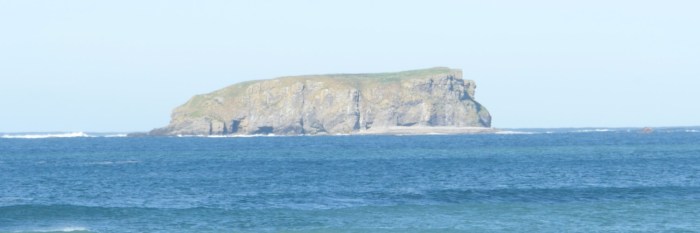
The Disappear Here Film Festival is a first of its kind in Donegal, Ireland. The inaugural DHFF is a 3 day festival taking place in Ballyliffin, Co Donegal from (Culture Night) Friday 22nd September 2017.  Our versatile programme will include screenings, talks, educational workshops and a host of entertainment events through which we will provide a unique festival experience.

Contact


Matthew Toffolo: What is your Film Festival succeeding at doing for filmmakers?

Michael McLaughlin: It is offering them the opportunity to have their work seen by an audience that wouldn’t necessarily get a chance to see it. It also gives them the chance to network and make connections with others working within the industry. Gaining feedback from an impartial audience is something that can be worthwhile, especially for those that are starting out in the industry. To showcase your work on a big screen, in an environment such as a film festival is a an excellent platform for all filmmakers to avail of.

What would you expect to experience if you attend the festival this year (2017)?

The festival is for anyone that loves films, as well as those working or considering working within the industry in the future. We are aiming to offer something for children and adults alike. Disappear Here Film Festival will be another opportunity for the people to get together and celebrate the creative talent on offer through the medium of film. There will be various art installations dotted around the village, allowing people to experience not only film but also, other forms of creative expression.

What are the qualifications for the selected films?

There are no set qualifications and we decided against running with a theme for this inaugural year. What we are after is film making that is engaging, that is entertaining and ultimately that challenges audiences, & makes an audience feel something.

Do you think that some films don’t get a fair shake from film festivals? And if so, why?

Yes, I would probably accept that, but obviously I can’t speak on behalf of other film festivals. Films that are maybe high quality and tick all the boxes in terms of one panel member, might be deemed exceptional while another might deem it average, meaning that some films get dropped and don’t make it to selection. Also programmers have a very specific programme duration for short films, so lots of longer short films cannot get shown. My advice to filmmakers making shorts, is to actually keep them short – below 12mins max.

What motivates you and your team to do this festival?

The film festival came about by a desire to showcase the talents of
independent film making in Ireland and to allow audiences in Donegal
access to films they wouldn’t ordinarily be able to see.

How has your FilmFreeway submission process been?

In a word, incredible. It streamlined the whole application and submission process. It allowed us to make direct contact iwhtdirectors to clarify any information during the submission process. It made the experience more seamless and less stressful.

Where do you see the festival by 2020?

As a major player not just on the national scene here in Ireland, but internationally as well.

What film have you seen the most times in your life?

True Romance! Loved the screenplay by Tarantino and it’s one of Tony Scotts best as far as I’m concerned. Also, like everyone else I fell in love with Alabama, just a little bit!

In one sentence, what makes a great film?

A great film needs to be always entertaining, never ever boring.

How is the film scene in your city?

Getting better all the time! Lots of great filmmakers, crew & locations that have to be seen to be believed! Actually Star Wars- The Last Jedi filmed here last year, so we can’t wait to see our area showcased for an international audience in that film.

Disappear Here Film Festival2.jpg

*****

Interviewer Matthew Toffolo is currently the CEO of the WILDsound FEEDBACK Film & Writing Festival. The festival that showcases 20-50 screenplay and story readings performed by professional actors every month. And the FEEDBACK Monthly Festival held in downtown Toronto, and Los Angeles at least 2 times a month. Go to www.wildsound.ca for more information and to submit your work to the festival.

SUBMIT your TV PILOT Screenplay or TV SPEC Script
Voted #1 TV Contest in North America.
Screenplay CONTESTSUBMIT your Short Screenplay or FEATURE Script
FULL FEEDBACK on all entries. Get your script performed

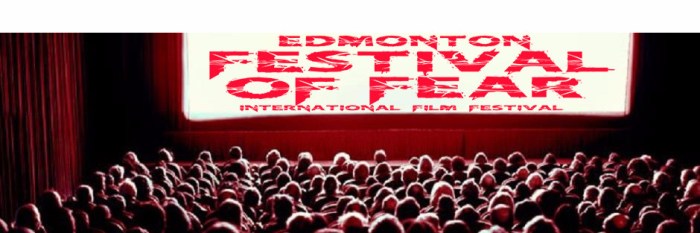
Interview with Festival Director Barry J. Gillis (Edmonton Festival of Fear)

This is a great opportunity for Filmmakers World Wide to Submit their Films. Plans are already in the works to expand the Edmonton FESTIVAL OF FEAR for 2018, and beyond.

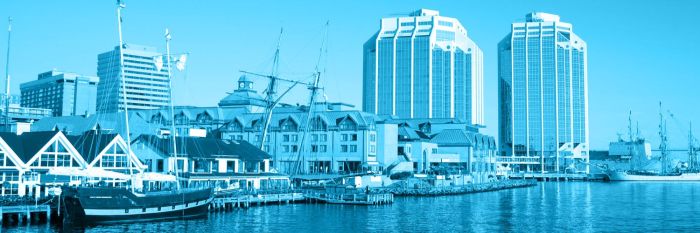
Interview with Festival Director Sarah Marshall (Bluenose-Ability Film Festival (BAFF))

Bluenose-Ability Film Festival (BAFF), is Atlantic Canada’s first and only disability focused film festival for adults and youth. Our festival’s taking place Thursday, November 30 through Sunday, December 3, 2017. We’re excited to announce that our theme is Celebrating 150 Years of Diversity, in honour of Canada’s 150 Years of Confederation.

Contact

Matthew Toffolo: What is your Film Festival succeeding at doing for filmmakers?

Sarah Marshall: The Bluenose-Ability Film Festival (BAFF) is Atlantic Canada’s first and only disability-focused film festival. We, therefore, offer a unique and open platform for filmmakers to express themselves. Our culture of inclusion allows filmmakers to portray their experiences and perceptions of disability culture in an open and accepting environment.

What would you expect to experience if you attend the festival this year (2017)?

This year, you can expect an inviting environment, tons of local and international films, specialty screenings (Such as LGBTQIA+,) a mental health discussion panel, and a glamourous awards gala. This is our third year of operations, and we’ve just undergone a bit of fine-tuning and rebranding. We aim to deliver a modern, unique experience to our community.

What are the qualifications for the selected films?

This year, our theme is “150 Years of Diversity,” in honour of Canada’s 150th birthday. Films must fit with this theme. Diversity is a broad word – we’re seeing films about disability, mental health, immigration, and personal journeys. If the film isn’t directly related to the theme, we ask that the filmmaker be from a diverse background. Other than that, we ask that films be under the 25 minute mark. We also look for technical excellence such as a well-written script, thoughtful cinematography, and good music selection. We, however, have different award categories for all levels of filmmakers. Youth can submit films into their own category. We think it’s important to give new filmmakers an opportunity to tell their stories.

Do you think that some films don’t get a fair shake from film festivals? And if so, why?

I think that some film festivals ignore work from inexperienced filmmakers and miss out on some important messaging. We offer a community of growth and support to new filmmakers, and offer year-round Future Filmmaker workshops to youth who wish to improve their skills. We also have youth categories so less experienced filmmakers get a chance to rule their own section of the festival.

What motivates you and your team to do this festival?

Our main motivation is to provide a unique and creative platform for the disability community to share their stories. There’s a huge lack of diversity in the mainstream film industry. We want to encourage people from all backgrounds to participate in film culture. Our festival encourages disabled actors/actresses to play their own parts, and for diverse filmmakers to tell their stories and experiences without judgement or biases. We also have a scripted category that allows creative individuals to share their own crafted stories.

How has your FilmFreeway submission process been?

It’s been pretty wonderful. We receive tons of submissions, and they’re very easy to assess and download through FilmFreeway. It’s also easy to get in touch with the filmmakers.

Where do you see the festival by 2020?

We’d like to expand our attendance and strengthen our relationships with our supports and sponsors. We’d also like to add a few more members to our team. All in all, we just want to see BAFF get bigger and better each year!

What film have you seen the most times in your life?

I’ve watched “The Butterfly Effect” an unreasonable amount of times. Something about the flashback effects and the twisted plot makes me hang on to my seat every time. I’ve also watched the entire “Breaking Bad” series more than once or twice. The cinematography is absolutely stunning.

In one sentence, what makes a great film?

A unique, engaging story paired with thoughtful artistic choices.

How is the film scene in your city?

There’s a few other film festivals around and quite a booming industry for filmmakers in Halifax, Nova Scotia. There’s college programs nearby for film students, and lots of opportunities for filmmakers to showcase their work. BAFF, however, is the only FREE film festival you can find in Halifax. We made the decision to be a free festival so we can be inclusive and accommodating to our entire community. We want to share film culture with everyone, regardless of background or barriers.

Bluenose-Ability Film Festival2.jpg

*****

Interviewer Matthew Toffolo is currently the CEO of the WILDsound FEEDBACK Film & Writing Festival. The festival that showcases 20-50 screenplay and story readings performed by professional actors every month. And the FEEDBACK Monthly Festival held in downtown Toronto, and Los Angeles at least 2 times a month. Go to www.wildsound.ca for more information and to submit your work to the festival.

SUBMIT your TV PILOT Screenplay or TV SPEC Script
Voted #1 TV Contest in North America.
Screenplay CONTESTSUBMIT your Short Screenplay or FEATURE Script

FULL FEEDBACK on all entries. Get your script performed

Interview with Festival Director Stephanie Dadet (OUR CITY FILM PROJECT)

Our City Film Project is a film collective showcasing the work of filmmakers from different cities to a global audience. It is a community celebrating storytelling and passion.  The project aims to promote filmmaking and redefine production practices. As filmmakers, the stories we tell are influenced by our background, experience, and perception but shaped by our community – Our City. OCFP will focus on a chosen theme for a year which determines the accepted entries. The festival is a not-for-profit initiative of Big Bad Wolf Pictures, a film production company from Cape Town, South Africa.

WEBSITE: www.ourcityfilmproject.com

Social Media: Facebook – www.facebook.com/ourcityfilms

 
Matthew Toffolo: What is your Film Festival succeeding at doing for filmmakers?

Stephanie Dadet: Our City film project in its mission aims to provide a platform to celebrate the people and stories that shape us. Our focus is not just on the films but also to shine the spotlight to the filmmakers to have brought these stories to our screen. As we grow, we aim to bring filmmakers together to create projects as part of the collective.

What would you expect to experience if you attend the festival this year (2017)?

Two days with a great line up of some of the best LGBT short films produced within the past 24 months hosted by the prestigious Ster Kinekor Cinema Nouveau and a space to network with filmmakers, catch up with friends and of course, good wine.

What are the qualifications for the selected films?

As required by 2017 theme of the festival, all entries must be LGBT short films produced between 2016 -2017. We are focused on the quality of the narrative. We are looking for filmmakers who not only understand storytelling but know how to genuinely tell their stories and create value. Our focus, however, is not just about the film itself but also on the filmmaker.

Do you think that some films really don’t get a fair shake from film festivals? And if so, why?

The obvious reason is the number of submissions a festival. There are a lot of films made and submitted but limited selections. This is why it is important to create projects like this to provide more platforms. It is very important to get your film out there, to share your story and meet other people with shared visions. There is a film festival out there waiting to share your story, don’t give up – look out for them and keep submitting!

What motivates you and your team to do this festival?

That will be the personal commitment to contribute to the growth our film industry and celebrate the filmmakers who are having the effort to show the world what they have to offer and to encourage collaboration on productions between filmmakers especially as we plan for our second year.

How has your FilmFreeway submission process been?

Good. We have received over 1600 submissions from FilmFreeway and it has been an efficient platform all round.

Where do you see the festival by 2020?

We aim to be hosting screenings in at least 10 cities around the world bringing together people to celebrate the stories and filmmakers from their cities and also the collaborative projects put together by filmmakers from different cities working together, learning, sharing and also inspiring. It is called Our City Film project for that reason.

What film have you seen the most times in your life?

That will be the Pixar animated feature UP. It is a brilliant film that gives me Goosebumps – touching, exciting and entertaining. It is a special film.

In one sentence, what makes a great film?

A great script matched with a talented film director.

How is the film scene in your city?

The Film Scene in my City – Cape Town is good and continuously growing. It is one of the most beautiful cities in the world and hosts quite a number of local and international film shoots. The city has a growing pool of talented filmmakers ready to leave a mark in the industry both local and in the international scene.


our city1.jpg

******

FILM FESTIVAL DIRECTOR BIO:

Stephanie Dadet is a film producer and screenwriter. In 2012 she obtained a BSc (Honours) degree in Business Administration and in 2015 moved to Cape Town, South Africa to study for a BA (Honours) in Motion Picture Production attained from AFDA Film School which she was awarded Best Producer and Best Film. She has industry experience working across Nigeria and South Africa in film and television. She is currently completing her MFA degree. She is also the co-director of Big Bad Wolf Pictures founded in December 2016.

Interviewer Matthew Toffolo is currently the CEO of the WILDsound FEEDBACK Film & Writing Festival. The festival that showcases 20-50 screenplay and story readings performed by professional actors every month. And the FEEDBACK Monthly Festival held in downtown Toronto, and Los Angeles at least 2 times a month. Go to www.wildsound.ca for more information and to submit your work to the festival.

SUBMIT your TV PILOT Screenplay or TV SPEC Script
Voted #1 TV Contest in North America.
Screenplay CONTESTSUBMIT your Short Screenplay or FEATURE Script
FULL FEEDBACK on all entries. Get your script performed

Interview with Co-Festival Director Mia Davis (Queen City Cinephiles)

Queen City Cinephiles is a an independent film-screening & discussion group based out of Charlotte, NC. The are committed to showcasing short and full length independent features at no cost to the filmmakers, exposing film aficionados to more independent film, and supporting local filmmakers and around the globe.

Contact

 Matthew Toffolo: What is your Film Festival succeeding at doing for filmmakers?

Mia Davis: We build a bridge between filmmakers and film appreciators. For every film we select, we provide the filmmakers with the opportunity to introduce their film, and be present (live or via skype) for our audience discussion. We do not charge entry fees. As part of our Agreements, we ask the filmmakers for social media pages, and we share them online before the event, on our facebook event page, and while we are at the screening. During the Q&A, we encourage the filmmakers to let the audience know where their other works can be found.

What would you expect to experience if you attend the festival this year (2017)?

If you mean our film screenings, you can expect arrangements of indie films in blocks at a convenient location with available refreshments, audience participation in film discussion, and to learn more about the film industry.

What are the qualifications for the selected films?

The film has to be independently made, and the filmmaker has to sign an Agreement with us, showing they have the rights to the film and sharing our facebook page and event on their social media pages.

Do you think that some films really don’t get a fair shake from film festivals? And if so, why?

I think it’s hard to find the right audience, self-promote, and film festivals (mostly) charge entry fees and having contracts preventing a selected film to be shown elsewhere during the festival.

What motivates you and your team to do this festival?

To clarify, this is not a film festival. We have screenings, roughly once or twice a month. I am motivated by my appreciation for independent film, and everything that goes into it, combining with a genuine interest in pushing local business/industry support.

How has your FilmFreeway submission process been?

FilmFreeway has been great! We have several submissions, and I love how it is organized to help us find the right films for our screenings.

Where do you see the festival by 2020?

Growth, in terms of more of a variety of events, a few rotating venues, and a stronger community between our Cinephile Members and the filmmakers. It would mean a lot to me if our patrons network and get a film made together.

What film have you seen the most times in your life?

The Lost Boys. I grew up watching that regularly, and as an adult, continue to watch it once or twice each year.

In one sentence, what makes a great film?

A great film is a marriage between the visual expression of a coherent story, accompanying resources, and performances.

How is the film scene in your city?

I think there’s a division between Charlotteans that want to work on film in any capacity they can, and a community of industry professionals that suffered a morale loss from HB2 and film incentives being dropped from our state budget.

******

Interviewer Matthew Toffolo is currently the CEO of the WILDsound FEEDBACK Film & Writing Festival. The festival that showcases 20-50 screenplay and story readings performed by professional actors every month. And the FEEDBACK Monthly Festival held in downtown Toronto, and Los Angeles at least 2 times a month. Go to www.wildsound.ca for more information and to submit your work to the festival.

SUBMIT your TV PILOT Screenplay or TV SPEC Script
Voted #1 TV Contest in North America.
Screenplay CONTESTSUBMIT your Short Screenplay or FEATURE Script
FULL FEEDBACK on all entries. Get your script performed

Interview with Festival Director Cristyn Steward (Columbus Black International Film Festival)

The primary objective of the Columbus Black International Film Festival is to showcase Black filmmakers locally, nationally and internationally, while highlighting a spectrum of stories told by people of the African diaspora.

Contact

Matthew Toffolo: What is your Film Festival succeeding at doing for filmmakers?

Cristyn Steward: The Columbus Black International Film Festival (CBIFF) is a movement that centers positive media representations of African American and African Diaspora communities. It provides a unique platform in Columbus, Ohio, to showcase films that are often not at the forefront of the mainstream film festival circuit, especially at the local level. This festival’s goal is to show the value of independent black cinema and highlight the importance of black filmmakers being in charge of their own narratives.

What would you expect to experience if you attend the festival this year (2017)?

In its inaugural year, the festival is setting the stage for a culture shift in Columbus. There will be three days of entertainment featuring 28 films from around the world. There will also be many moments for black filmmakers to network and build community. Festival workshops will also be featured to engage new and intermediate filmmakers to cultivate local talent.

What are the qualifications for the selected films?

This mission of the Columbus Black International Film Festival is to unapologetically uplift media representations of the African American and African Diaspora experience. All films submitted to the festival were required to feature black filmmakers in front of and behind the camera. A jury featuring black filmmakers, business owners and media critics rated the films based on creativity, direction, cinematography and acting, among other things. Films were also required to feature a valuable story uplifting the African American and/or the African Diaspora experience.

Do you think that some films really don’t get a fair shake from film festivals? And if so, why?

Black voices have a long documented history of being ignored or suppressed in mainstream film. Many films that feature marginalized communities aren’t given their just due. There are many reason why this is. Our society has been built on structural oppression and the idea of uplifting certain voices over others. This of course also plays out in the film industry as well. Luckily there are many niche festivals that now uplift marginalized voices, from the American Black Film Festival in Miami to the OUTFest Film Festival in Los Angeles. The Columbus Black International Film Festival is simply creating space to fill a similar void in Columbus, Ohio.

What motivates you and your team to do this festival?

The motivation for the CBIFF Board of Directors and Staff to do this festival is to start a movement and uplift black filmmakers in Columbus in an unprecedented way. My personal passion comes from how beneficial this film festival can be to the City of Columbus, its artists and its filmmakers. Nothing like this has been done before and we want to make sure we create something that is truly lasting.

How has your FilmFreeway submission process been?

I am a strong advocate of FilmFreeway. It is very easy to navigate and they have created new additions to make film festival management much more convenient and efficient. I think it was because of FilmFreeway and its reputation among filmmakers that we were able to garner 81 submissions in our first year.

Where do you see the festival by 2020?

Once the festival makes it to its fourth year in 2020, we hope that it will become a staple statewide and nationally for black film. We hope to have doubled our submissions by then and will have expanded the festival to a week-long series of showcases and workshops hosted in various neighborhoods throughout the city.

What film have you seen the most times in your life?

Being a film nerd, I don’t think there is just one, but I would have to say “Crooklyn” or “Baby Boy.” During my “starving artist” period as a film student living in San Francisco without cable, I couldn’t stop watching these movies.

In one sentence, what makes a great film?

It’s quite simple, a valuable story that universally touches everyone who watches it. It’s simply put, but very hard for even the best filmmakers to accomplish.

How is the film scene in your city?

Columbus will surprise you. It has a growing film scene with many new filmmakers coming out of The Film Studies Program at The Ohio State University and the Columbus College of Art and Design who are looking to build more opportunities locally. There are several popular film festivals here, including the Columbus International Film + Video Festival, the LGBT Fest and the Columbus Jewish Film Festival. There are also several filmmakers that have set up successful production companies, including our 2017 Keynote Speaker, Mark A. Cummings’ Awalkonwater Entertainment, which has sold out several theaters in the city for his films because of his unique approach to creating universally comedic films that feature black actors and filmmakers, and expertly highlights the black experience.

columbusblack1.jpg

—-

Interviewer Matthew Toffolo is currently the CEO of the WILDsound FEEDBACK Film & Writing Festival. The festival that showcases 20-50 screenplay and story readings performed by professional actors every month. And the FEEDBACK Monthly Festival held in downtown Toronto, and Los Angeles at least 2 times a month. Go to www.wildsound.ca for more information and to submit your work to the festival.

SUBMIT your TV PILOT Screenplay or TV SPEC Script
Voted #1 TV Contest in North America.
Screenplay CONTESTSUBMIT your Short Screenplay or FEATURE Script
FULL FEEDBACK on all entries. Get your script performed

Interview with Festival Director Teddy Grouya (American Documentary Film Festival and Film Fund (AmDocs) )

The American Documentary Film Festival and Film Fund (AmDocs) is one of the largest Docs only festivals in the United States, located near the media capital of Hollywood in beautiful Palm Springs. This unique event focuses on international films in both the short and feature categories as well as showcasing animation. In conjunction with the festival is the American Documentary Film Fund where U.S. filmmakers compete for start-up or finishing funds in order to complete their film masterpieces. AmDocs, seeing the bigger picture.


Matthew Toffolo: What is your Film Festival succeeding at doing for filmmakers?

Teddy Grouya: Our festival has been successful at pushing the boundaries and offering expanded exhibition opportunities for our filmmakers. For example, we were the first festival in the world to introduce a new formal alliance with other prominent events outside of North America. This alliance, the North
South Doc Network, gives filmmakers a chance to have their works screened at other festivals outside of their home country. AmDocs will share a select number of U.S. origin films in Latin America and Europe, guaranteed. In turn, our partner events get to curate films from their regions at AmDocs. Additionally, we pick a number of select films to participate in our local school district program catalog which complements academic curricula. We also screen AmDocs films throughout the year in our non-profit theatre thereby affording our filmmakers the opportunity to make a bit of revenue.

What would you expect to experience if you attend the festival this year (2017)?

For 2018 we will continue to push the boundaries offering a great experience for our filmmakers, industry guests and audience. We already were the first docs only festival in the world to require films to be exhibited in DCP. We want our filmmakers to have a completely enjoyable and successful experience. And while we cannot guarantee sales, those marks have been going up as the
festival continues to gain international acclaim.

What are the qualifications for the selected films?

We screen short docs (40 minutes or less), feature docs (41 minutes or more) and animated works. We are not premiere whores but we always like to discover and share new or recent works. Films cannot have screened at another event within a 70 mile radius. Also, if submitting to us and invited, we will want the filmmakers to pull their films from any internet service like youtube for a month before our festival. (It is not fair for the audience to pay a ticket to see said film if it is offered for free on the web.)

Do you think that some films really don’t get a fair shake from film festivals? And if so, why?

If a festival or programmer is worth their salt, then know that the process is very complex and not always based on the quality of one’s work or story. There is a lot of frustration on filmmaker’s part when submitting their film(s)- we know as we are filmmakers, so we respect how tough the process is. Certainly there are instances where films are not viewed by festivals taking submissions or in many instances, you will see only a very few of submitted films accepted into a program because the festival has invited works from other sources. Of course, we program films from discovery at other festival events, but we can truly say that the majority of our films invited in any given year are
programmed from films submitted directly to us via submission platforms.

What motivates you and your team to do this festival?

Our motivations are simple and complex at the same time. We want to share with the world films that entertain as well as have great import. We realize that all of this is subjective in nature but believe that we are doing a good thing when we help build awareness on a subject without forcing it on our audience and industry guests. We want our filmmakers to be successful, to remember their
experience at AmDocs and to tell the world that this is one of their favorite, if not favorite, festival they have attended. Proudly, many testify to this.

How has your Film Freeway submission process been?

When FilmFreeway came onto the scene we felt we had to add them to our platform options for our filmmakers even though WAB was the main force in the submission business. Each year their number of submissions to AmDocs has increased by about double. We hope this trend continues though it may be a push as WAB’s numbers have concurrently gone down. We offer all submission platforms that we are aware of, trying not to play favorites. FilmFreeway clearly deserves accolades on a number of fronts. They were aggressive and hit the market running. Their acceptance and friendly solicitation of filmmakers has made them a worthy business opponent to WAB which has forced WAB to change their commission formula as well as their branding to be more filmmaker accessible- they are essentially rebirthing themselves as FilmFreeway. Whatever the course of these entities, FilmFreeway’s entry has improved the opportunities for filmmakers and that is what is most important.

Where do you see the festival by 2020?

By 2020 we hope to be acknowledged as one of the top events in the world for docs and animated works. Each year our reputation grows and by 2020 we want to have a full-fledged and respected film market for our filmmakers and industry insiders, a great place to meet and cut deals.

What film have you seen the most times in your life?

When Oliver Stone’s “JFK” came out over 20 years ago on PPV I must have seen it 20-30 times. I tend not want to see films more than once even though I have an extensive catalog. The complexity and editing of this film was mesmerizing. I am not saying this is necessarily my favorite film, but I learned more each time I saw which speaks volumes to its keeping my interest. Certainly, there are
many film favorites and each day that grows as I personally view over 1,600 docs and animated works every year. I fall in love with a good doc, will do whatever I can to share with other festival colleagues and industry friends.

In one sentence, what makes a great film?

A great film is made up of many great moments or one defining and memorable moment that sticks with you your entire life. As far as the process goes, it is vital outside of experimental works, to have a story that you can effect with solid structure. If you can do this you will succeed in making something someone or many people will want to see, no matter the subject.

How is the film scene in your city?

The film scene is Palm Springs (the California desert resort city not far from the mecca of Hollywood.) It’s famous for film festivals, appreciative audiences, weather and fun. One of our new mottos this year is, “Filmmakers Work Hard And Party Hard” and at AmDocs and Palm Springs you have the perfect combination to enjoy the fruits of your filmmaking labors.

amdocs2.jpg

—-

Interviewer Matthew Toffolo is currently the CEO of the WILDsound FEEDBACK Film & Writing Festival. The festival that showcases 20-50 screenplay and story readings performed by professional actors every month. And the FEEDBACK Monthly Festival held in downtown Toronto, and Los Angeles at least 2 times a month. Go to www.wildsound.ca for more information and to submit your work to the festival.

SUBMIT your TV PILOT Screenplay or TV SPEC Script
Voted #1 TV Contest in North America.
Screenplay CONTESTSUBMIT your Short Screenplay or FEATURE Script
FULL FEEDBACK on all entries. Get your script performed